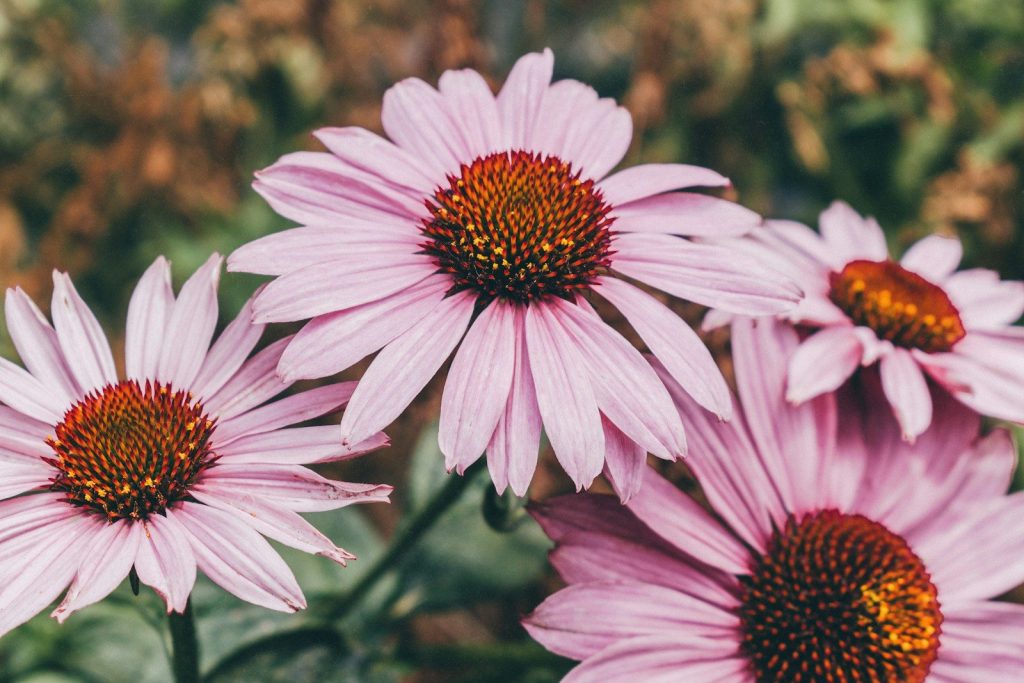

Most gardeners want the same thing. A yard filled with color without spending every weekend pruning, staking, and replacing plants. Perennials are a practical answer because they return year after year, and some varieties keep producing blooms for months at a time.
The best long-blooming perennials combine durability with a strong flowering season. Once established, many tolerate heat, occasional drought, and a bit of neglect. These eight standouts earn their place by delivering reliable color from late spring well into summer and, in some regions, even into fall.
1. Coneflower
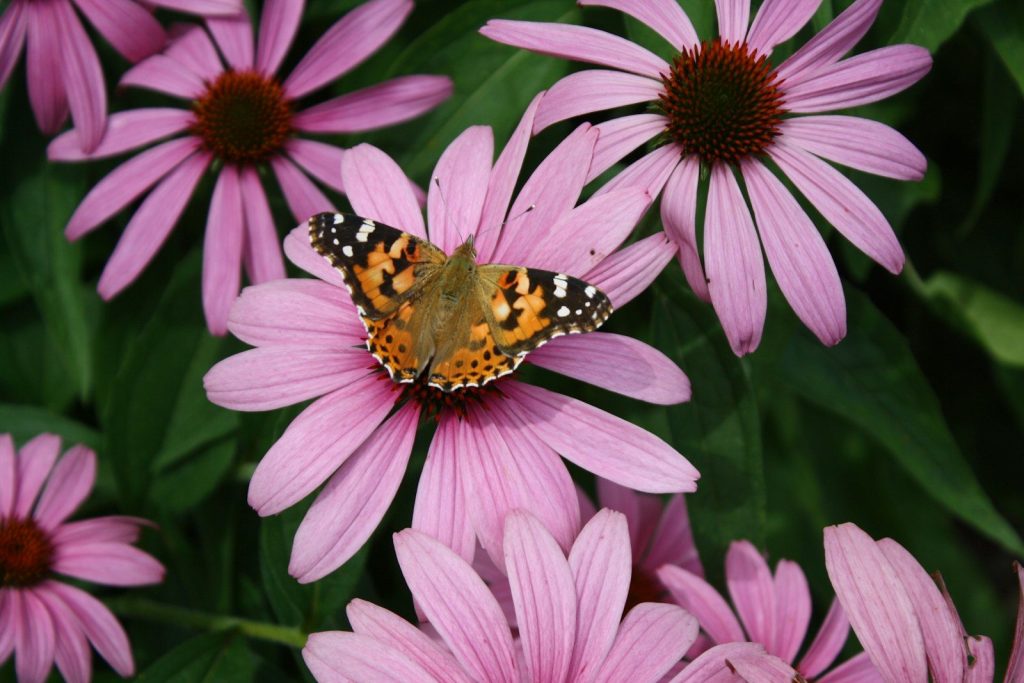
Coneflower remains one of the easiest perennials to grow in American gardens. Its daisy-like flowers appear in shades of purple, pink, white, orange, and yellow. Many varieties begin blooming in early summer and continue for months.
Pollinators flock to coneflowers, especially bees and butterflies. The seed heads also attract birds later in the season. These plants handle dry conditions well once established and rarely demand special attention. A sunny location and well-drained soil are usually enough to keep them thriving.
2. Catmint
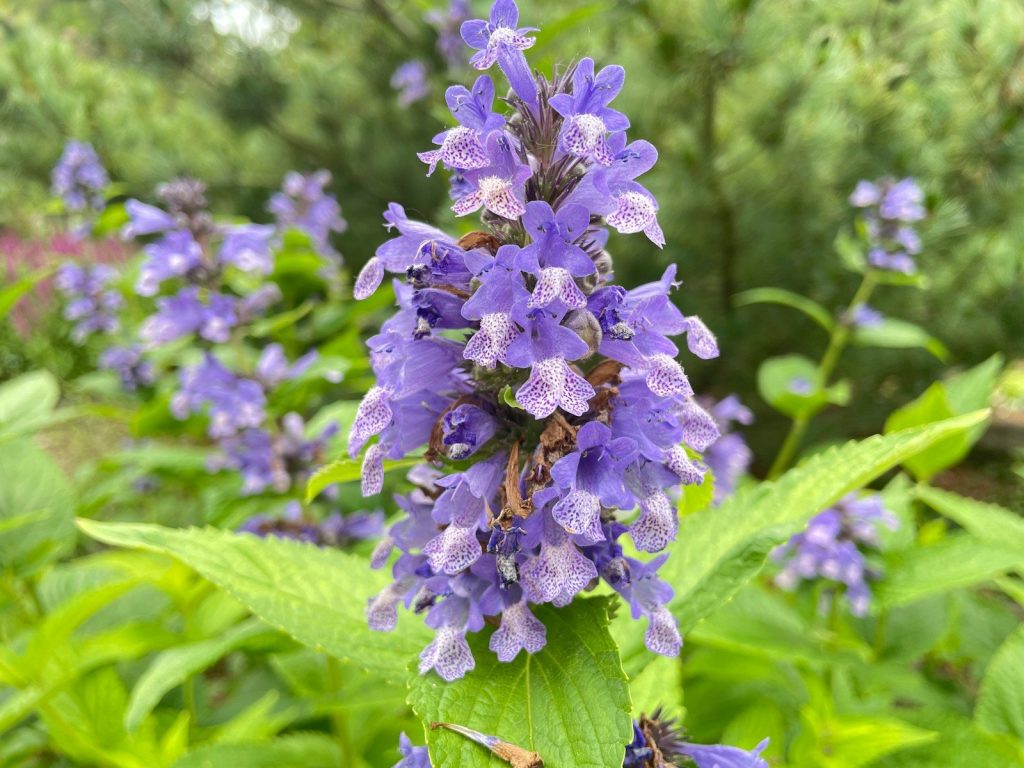
Catmint has become a favorite among gardeners who prefer low-effort plants. Soft gray-green foliage forms neat mounds, and spikes of lavender-blue flowers can last from late spring into early fall.
A quick trim after the first flush often encourages another wave of blooms. Unlike many flowering plants, catmint tolerates heat, poor soil, and periods without rain. Its pleasant fragrance can also discourage deer and rabbits from browsing nearby beds.
3. Black-Eyed Susan
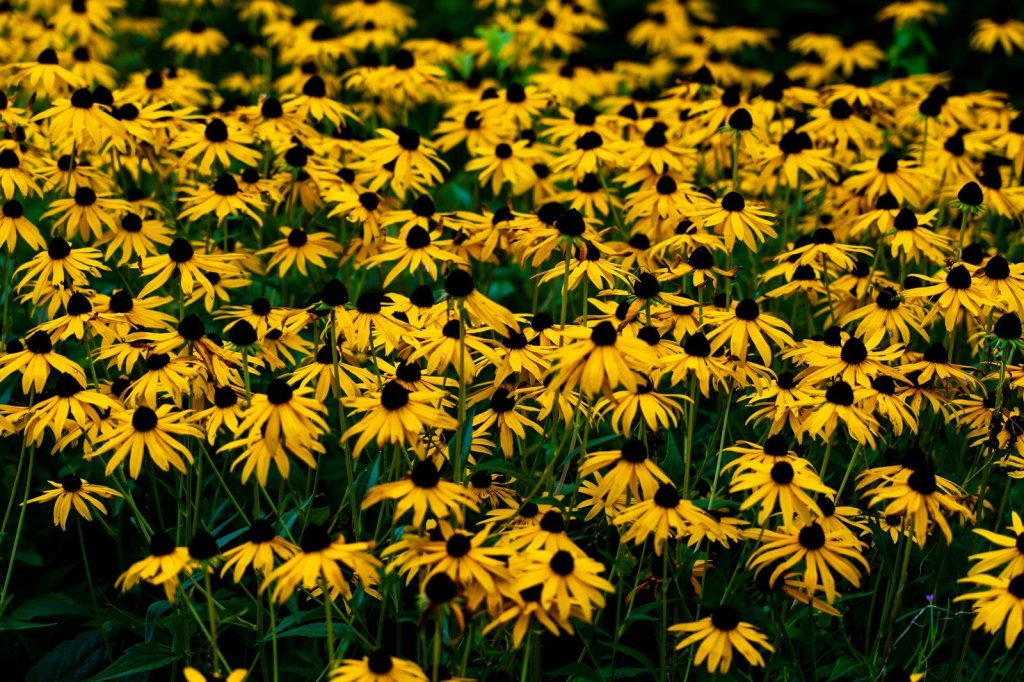
Few flowers capture the look of summer quite like Black-Eyed Susan. Bright golden petals surrounding dark centers create a cheerful display that can continue for weeks.
These native North American plants adapt to a wide range of conditions. They perform best in full sun and can handle both humid summers and dry spells. Butterflies frequently visit the flowers, and the plants often reseed naturally, creating larger displays over time without much effort from the gardener.
4. Coreopsis
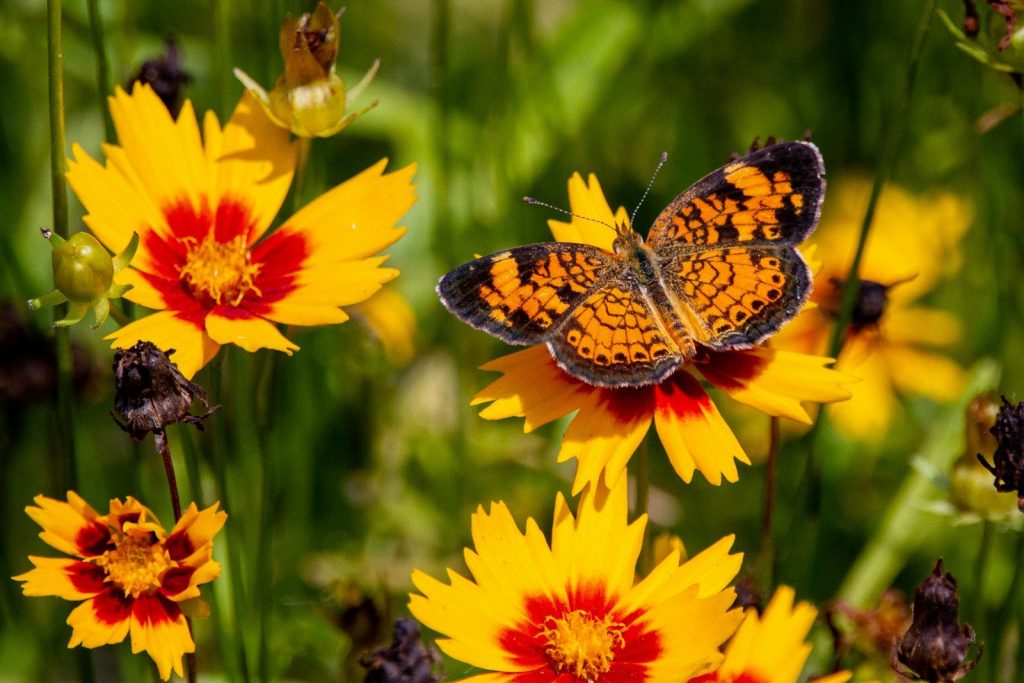
Coreopsis is often called tickseed, though its flowers deserve far more attention than its nickname. The blooms resemble miniature daisies and appear in shades of yellow, gold, red, and pink.
Many modern varieties flower continuously from early summer through fall. Coreopsis thrives in sunny locations and does not require rich soil. In fact, overly fertile conditions can reduce flowering. Gardeners looking for dependable color often find this perennial earns a permanent place in the landscape.
5. Russian Sage
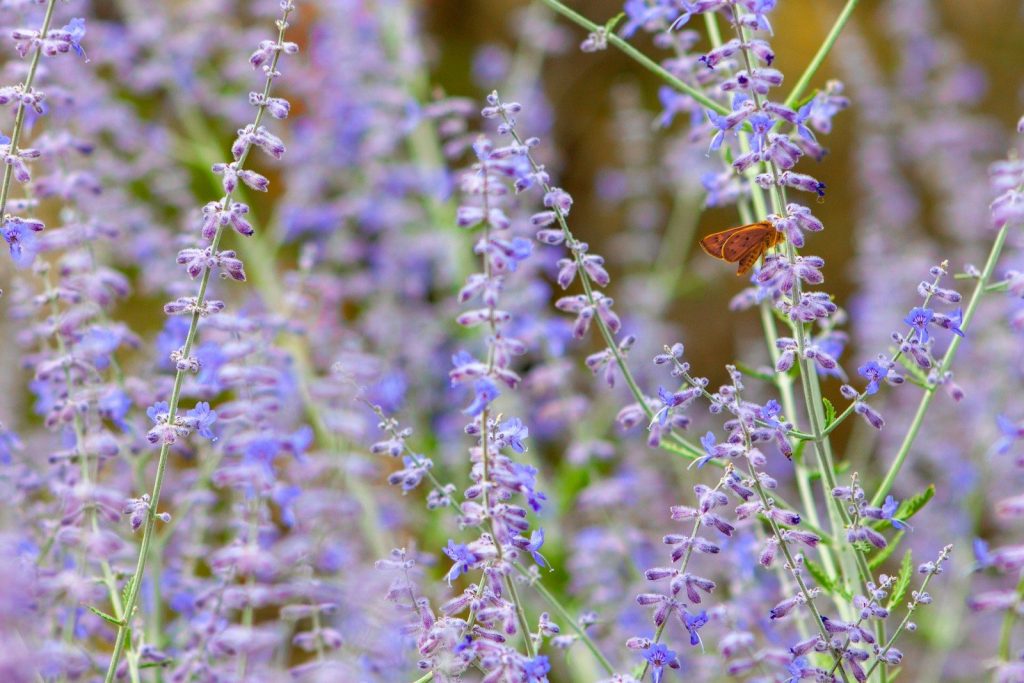
Russian sage creates a cloud of silvery foliage and airy purple blooms that can persist for months. The plant adds movement and texture to garden beds, especially when summer breezes pass through its tall stems.
Heat rarely bothers Russian sage. Dry soil does not either. Once established, it becomes one of the toughest flowering perennials available. Its long bloom period and ability to handle challenging conditions have helped it remain popular across many regions of the United States.
6. Shasta Daisy
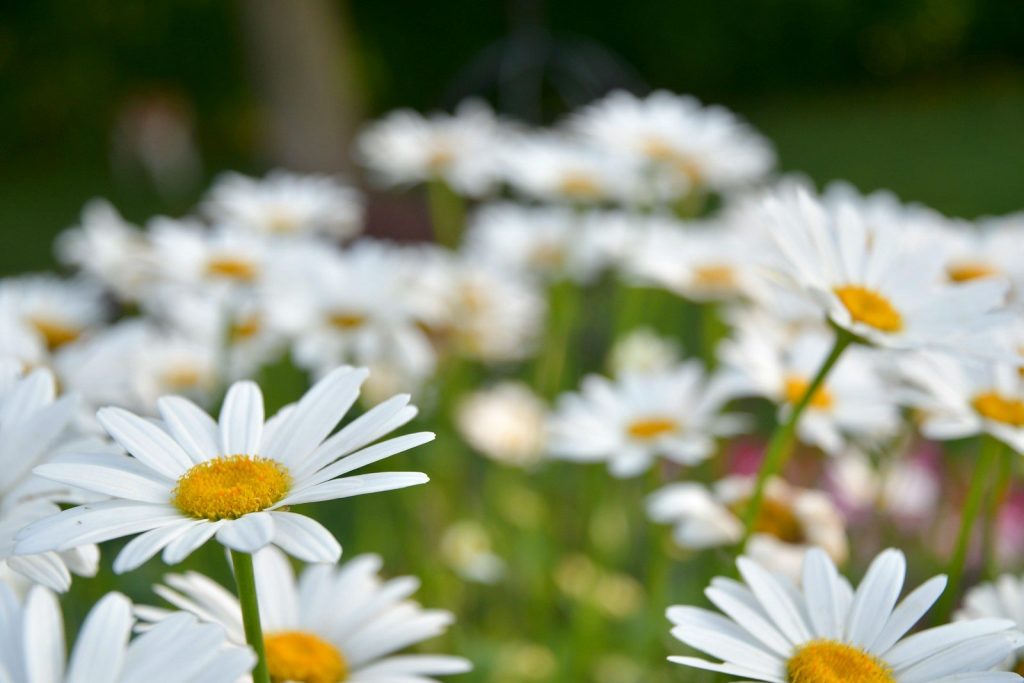
Shasta daisies bring a classic look that never seems dated. Their crisp white petals and bright yellow centers brighten gardens from early summer into late summer.
These plants prefer full sun and moderate watering. Removing spent flowers can extend the blooming season even further. Beyond their garden value, Shasta daisies also make excellent cut flowers. A few stems can brighten a kitchen table for days.
7. Salvia
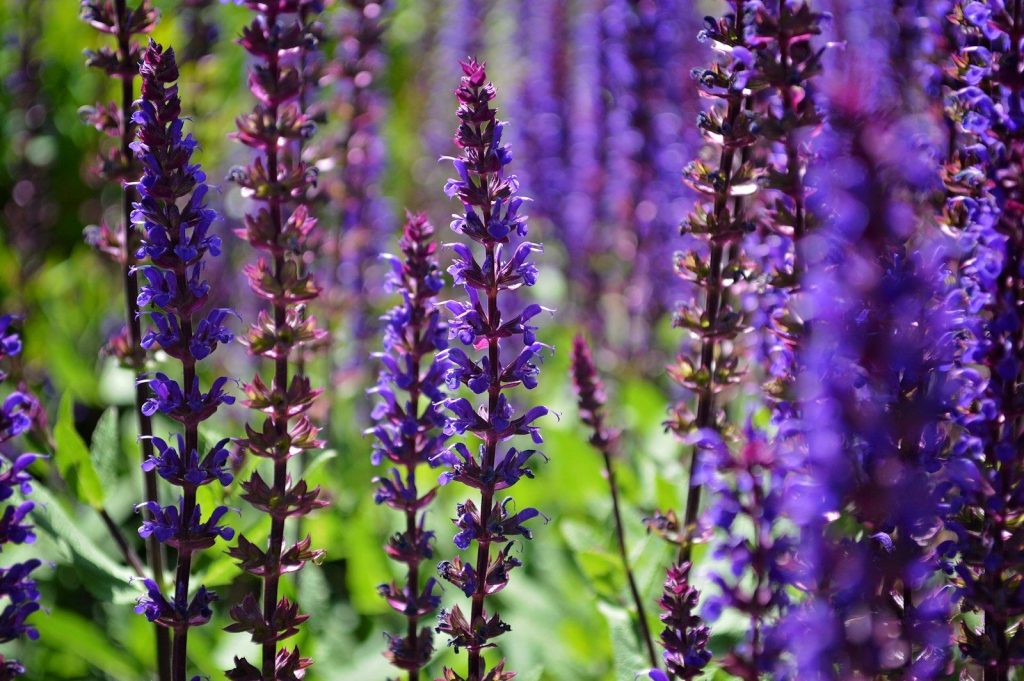
Salvia offers some of the longest-lasting blooms in the perennial world. Flower spikes appear in shades of blue, purple, pink, red, and white, depending on the variety.
Bees, butterflies, and hummingbirds are frequent visitors. Many salvias begin flowering in late spring and continue well into fall when deadheaded occasionally. They also tolerate summer heat surprisingly well, making them dependable performers during hot growing seasons.
8. Daylily
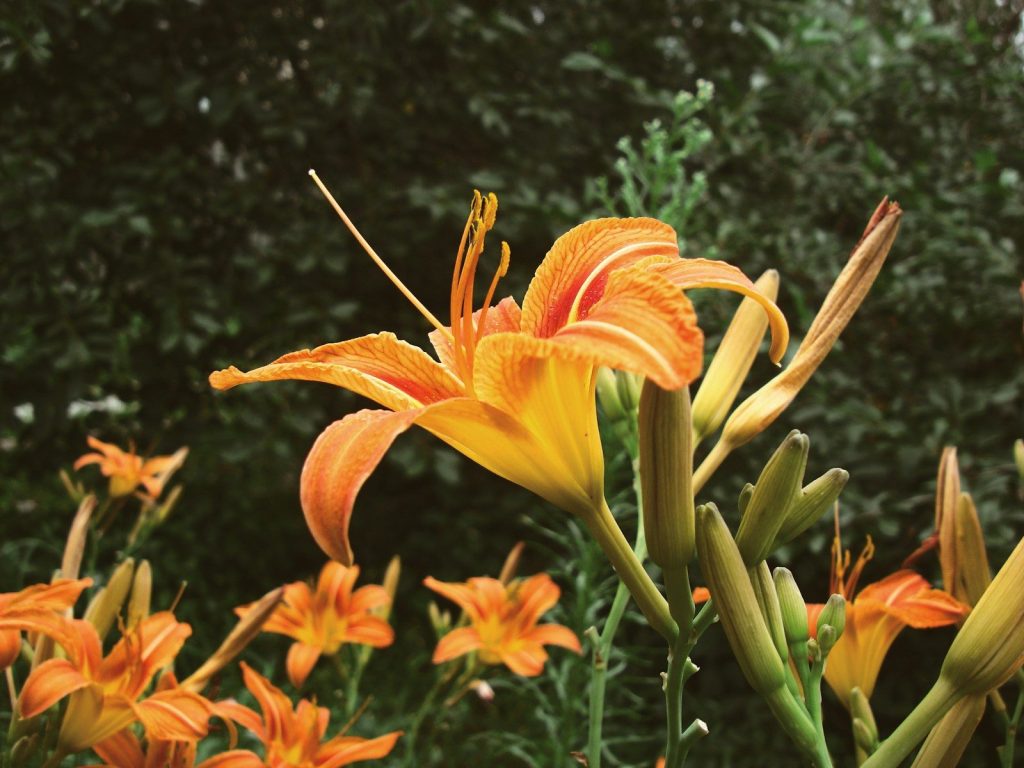
Daylilies have earned a reputation as nearly indestructible garden plants. Individual flowers may last only a day, but mature plants produce a steady stream of buds over many weeks.
Modern reblooming varieties extend the display even longer. Available in countless colors and patterns, daylilies adapt to a broad range of climates and soil types. Some gardeners joke that the hardest part is choosing among the hundreds of available cultivars.
A Garden That Works Harder
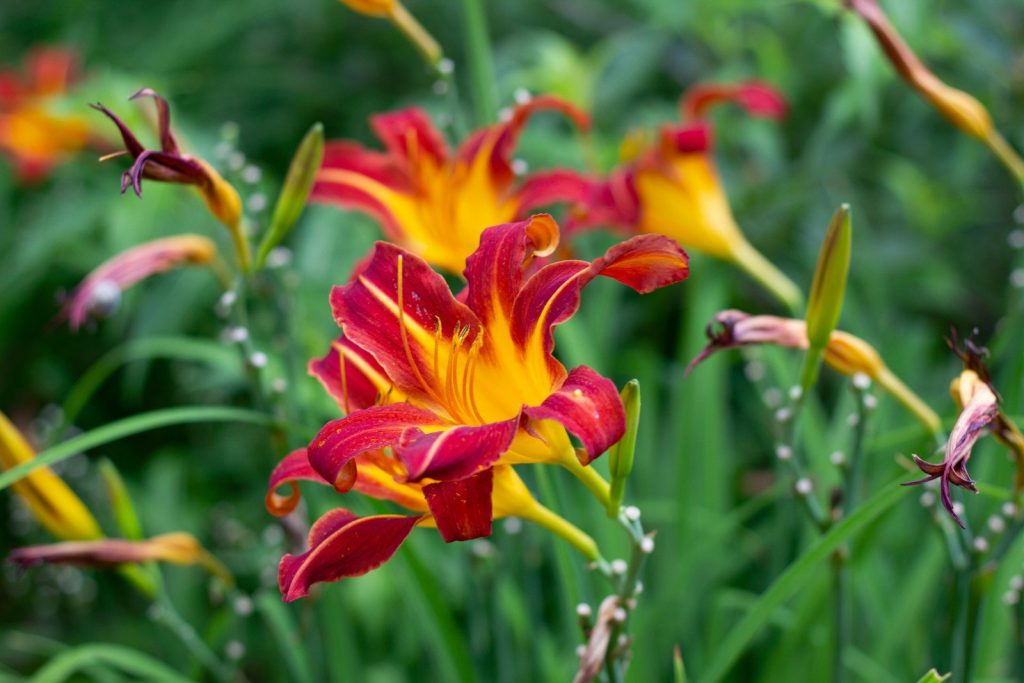
Long-blooming perennials help create gardens that stay colorful without demanding constant attention. Coneflowers, catmint, Black-Eyed Susans, coreopsis, Russian sage, Shasta daisies, salvia, and daylilies each offer a different look, yet they share one valuable trait. They continue putting on a show long after many other plants have faded.
A thoughtful mix of these perennials can keep beds, borders, and pollinator gardens lively from spring through fall. The result is a landscape that feels full and welcoming through much of the growing season, even when gardening time is limited.