

Life rarely slows down long enough for dramatic overhauls or complicated routines. Most people get further with small adjustments that fit naturally into their existing schedules instead of competing with them.
The most useful habits are often the ones that save time, reduce waste, simplify decisions, and make daily life feel lighter. Small improvements may not look impressive at first, but they often create benefits that last for years.
Start Tracking What You Already Have
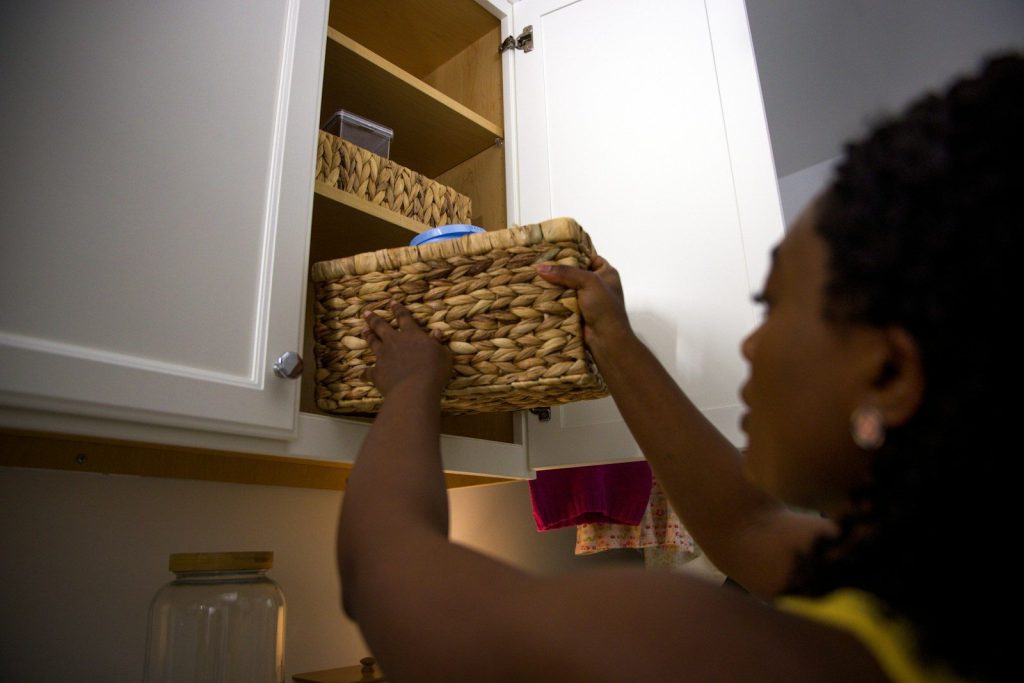
Many people buy organizers, kitchen tools, and household supplies without realizing they already own versions tucked away in drawers and closets. A quick inventory often uncovers forgotten duplicates and unused items.
Knowing what you already have reduces unnecessary purchases and makes shopping decisions easier. It also creates a stronger sense of control over your space and spending habits.
Create One Spot for Everyday Essentials
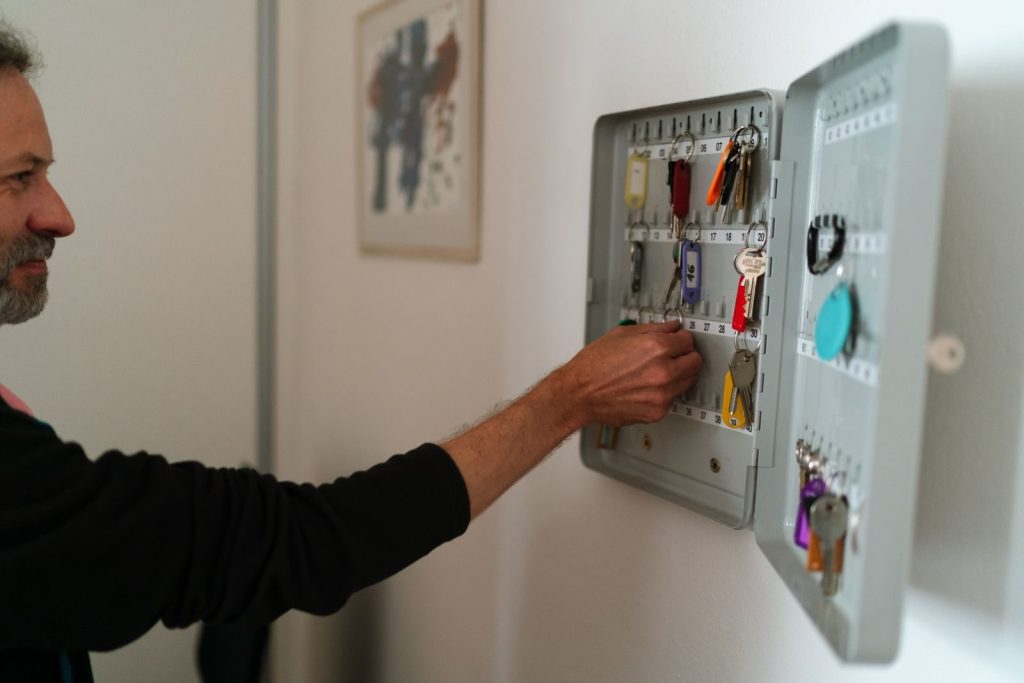
Morning stress often begins with searching for keys, chargers, sunglasses, receipts, or wallets just before heading out the door. Giving those items a permanent home removes a surprisingly common frustration.
This simple habit saves time and prevents replacing items that were never truly lost. A small tray near the entryway or a dedicated shelf can quickly become one of the most useful spaces in the house.
Build a Five Minute Evening Reset
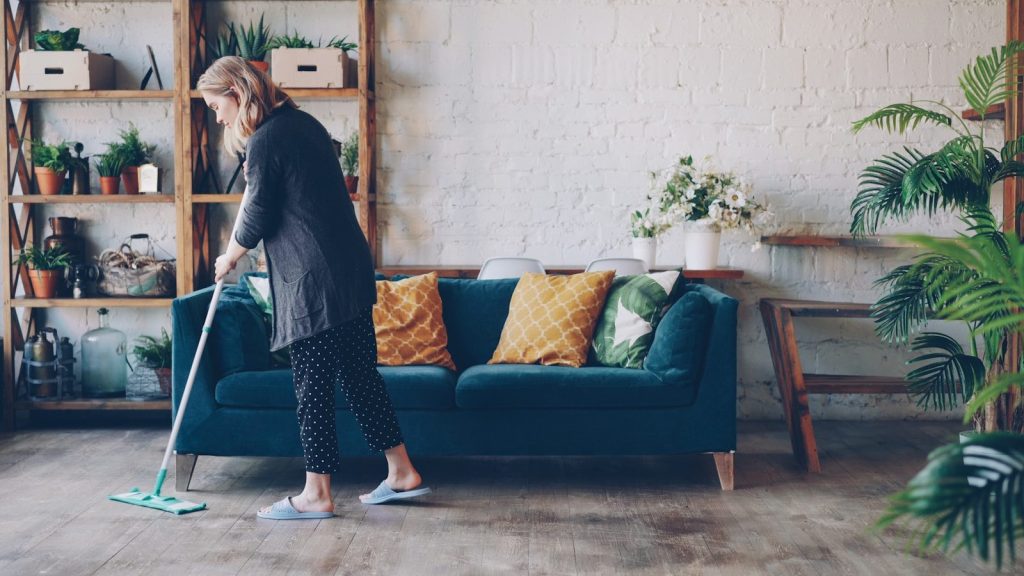
Large cleaning sessions can feel overwhelming after a busy day, but five focused minutes can completely change how a home feels. Clearing counters, putting away laundry, and preparing for tomorrow creates instant momentum.
The following morning starts with less clutter and fewer unfinished tasks waiting for attention. Many people find that short resets work better than ambitious schedules that are difficult to maintain.
Use Up What Is Already in the Pantry
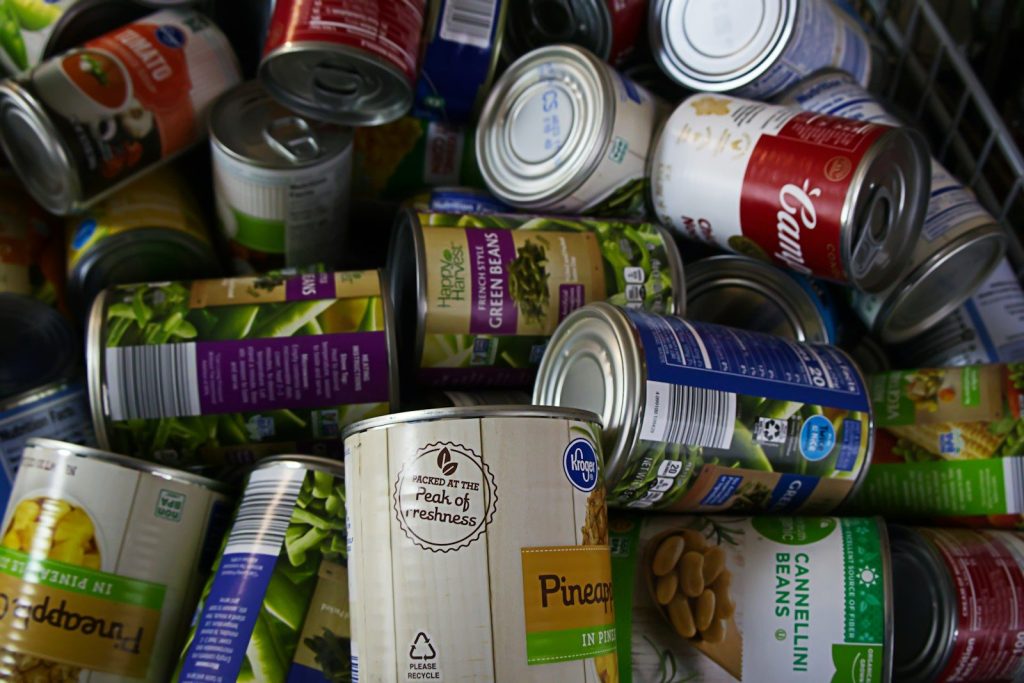
Most kitchens contain ingredients that quietly disappear behind newer purchases. Rice, pasta, canned goods, spices, and baking supplies often sit unused for months before anyone notices.
Building meals around what is already available reduces waste and stretches grocery budgets naturally. It also encourages creativity and often leads to surprisingly good combinations.
Reduce Decisions That Repeat Every Day
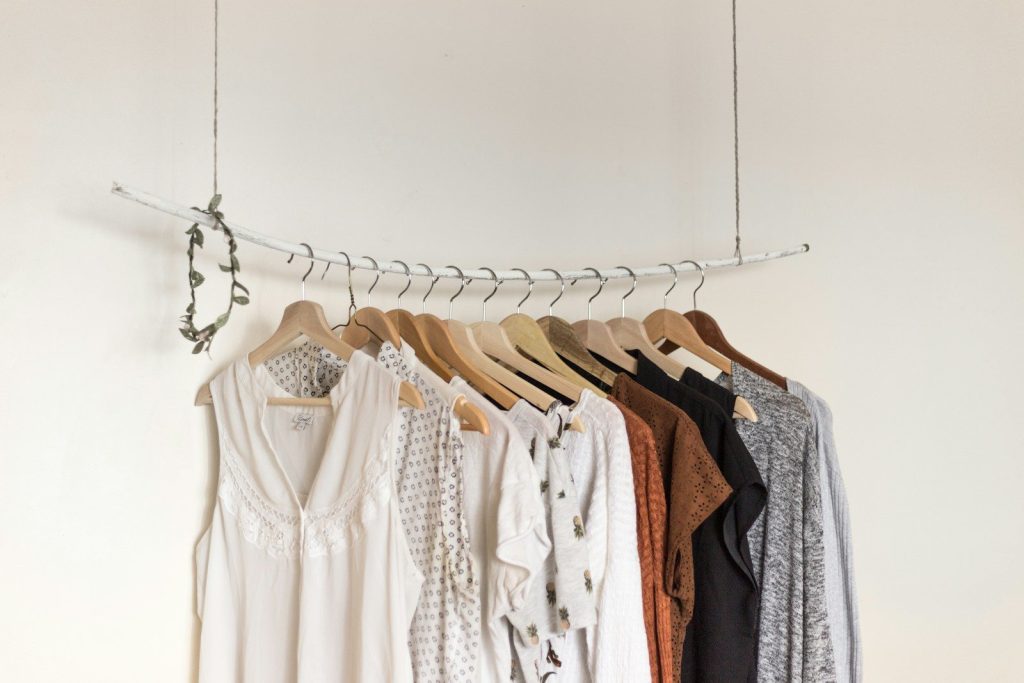
Decision fatigue affects more people than they realize. Choosing lunches, outfits, errands, and small daily details can slowly drain energy before the day has fully started.
Preparing a few reliable options removes that pressure. Meal rotations, ready made shopping lists, and favorite clothing combinations free up attention for more meaningful choices.
Give Everyday Items a Second Purpose
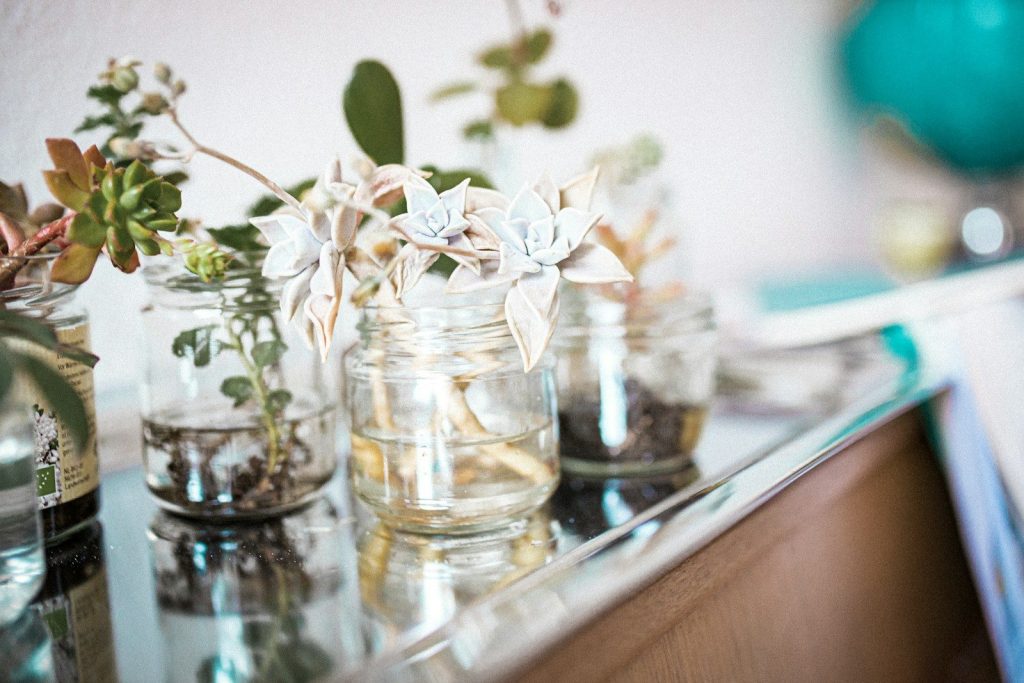
Many household items still have value after their original purpose ends. Glass jars become storage containers, delivery boxes become organizers, and older towels work perfectly for cleaning tasks.
Finding second uses for familiar items reduces clutter while delaying replacement purchases. These habits often feel less like cutting costs and more like discovering hidden value.
Protect Time as Carefully as Money

People carefully monitor budgets while allowing hours to disappear through distractions and unfinished tasks. Time can become just as important a resource to manage wisely.
Setting limits around unnecessary scrolling, repeated errands, and avoidable interruptions often creates more room for hobbies, family time, and rest without requiring major lifestyle changes.
Focus on Systems Instead of Motivation
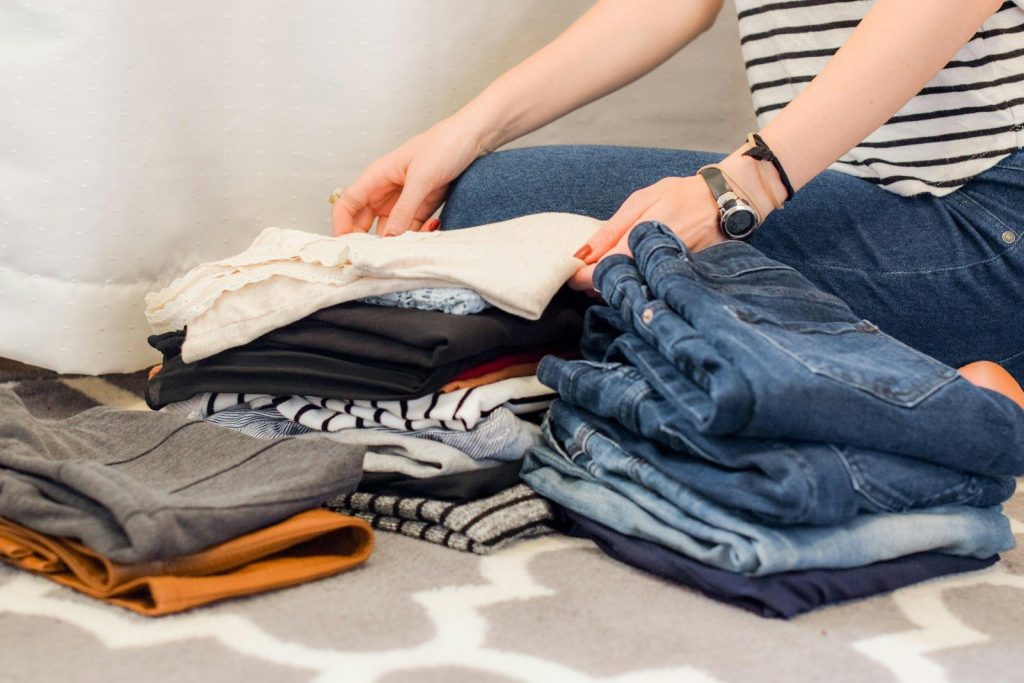
Motivation naturally rises and falls throughout the year, which makes it unreliable as a long term strategy. Simple systems continue working even during stressful or busy periods.
Preparing tomorrow’s clothes tonight, maintaining a running grocery list, and keeping small routines in place require less effort than repeatedly starting over. Quiet systems rarely receive attention, but they often deliver the biggest rewards.
Featured Image: Photo by Vitaly Gariev on Unsplash