

Sometimes a surprisingly low price feels like a lucky break. Other times it raises questions about what is happening behind the scenes. The truth is that cheaper does not always mean lower quality, and expensive does not always mean better value.
Understanding why prices vary can help shoppers avoid overspending and spot opportunities that others miss. A little knowledge often leads to smarter purchases and less wasted money over time.
Some Products Skip the Expensive Storefront
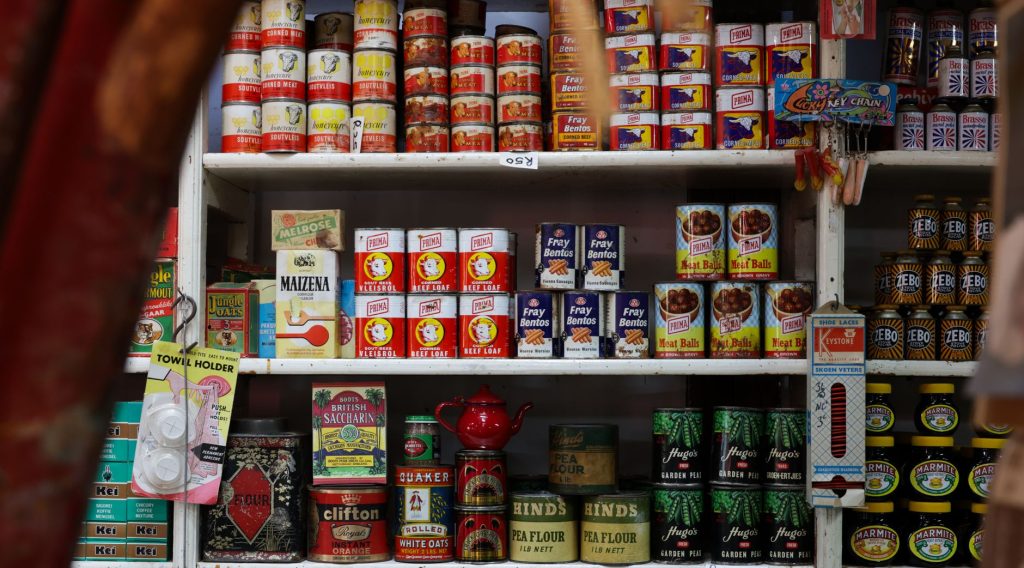
Traditional stores carry costs that shoppers rarely think about. Rent, lighting, displays, heating, and staff all become part of the final price sitting on the shelf. Those expenses quietly follow every item through the checkout lane.
Products sold through simpler channels often avoid many of those costs. That is one reason two nearly identical products can have very different price tags even when they come from similar sources.
Warehouses Often Replace Fancy Displays
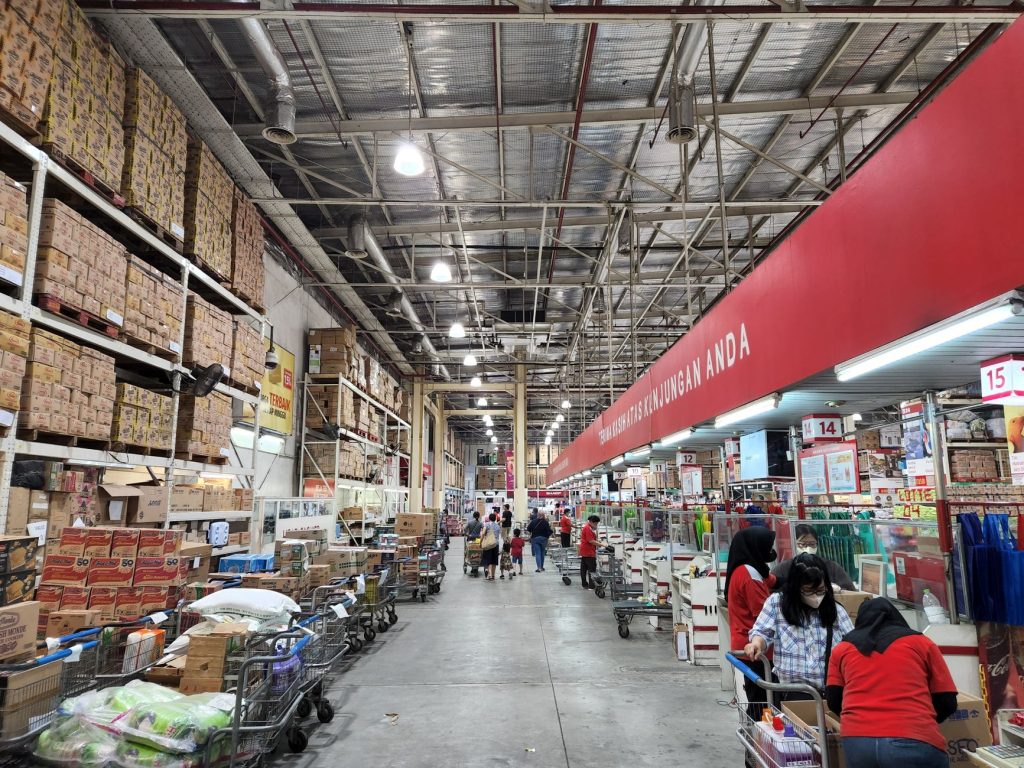
Many lower priced products spend very little time being moved around or displayed. Instead of traveling through several storage locations, they may head directly from a warehouse to the buyer.
Fewer stops usually mean fewer handling costs. For shoppers focused on value rather than presentation, this can be an easy way to stretch household budgets without sacrificing usefulness.
Bigger Volume Can Mean Smaller Prices
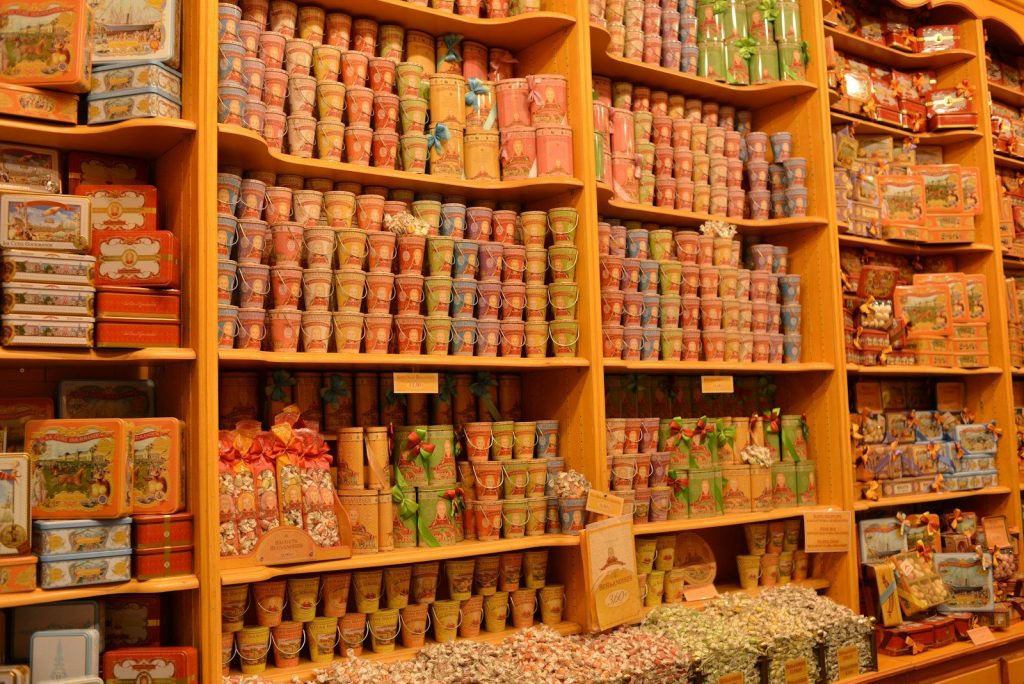
Some companies sell huge quantities of a single product rather than offering endless variations. Selling larger volumes allows them to accept smaller profits on each individual sale.
This approach works especially well for everyday essentials. The strategy rewards shoppers who are willing to compare options rather than automatically reaching for familiar labels.
Middle Steps Can Disappear Completely

In the past, products often moved through distributors, warehouses, and retail stores before reaching customers. Every step added another cost layer to the final purchase price.
Many modern sellers remove some of those stages entirely. A shorter journey between maker and customer often translates into meaningful savings without changing the product itself.
Competition Works in the Shopper’s Favor
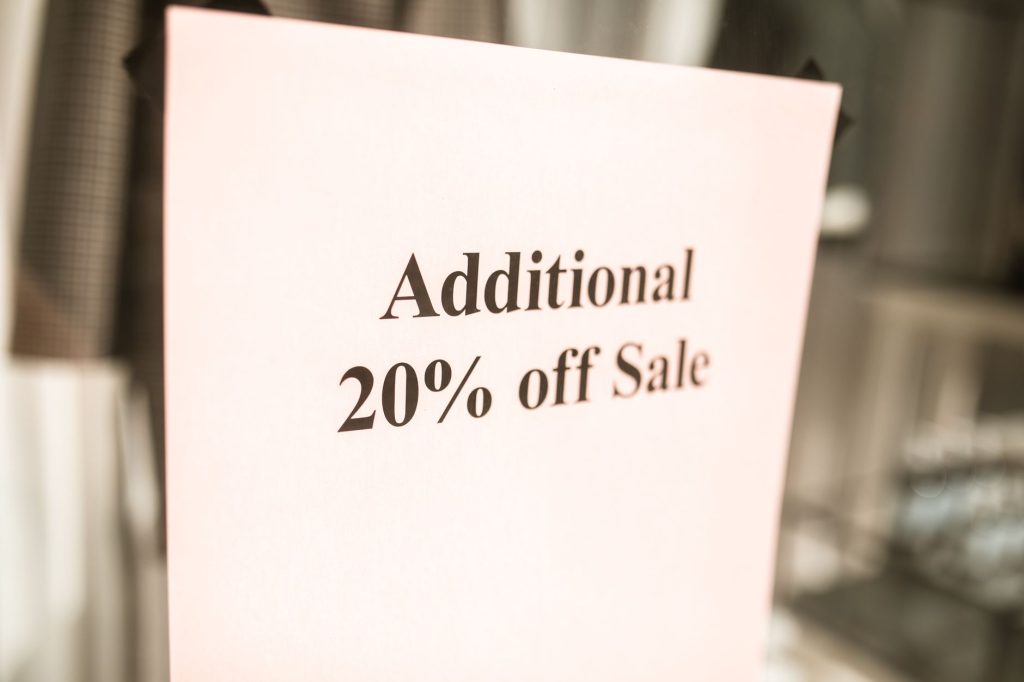
Price comparison used to require driving across town and visiting multiple stores. Today, shoppers can check several prices in just a few minutes from their phones or laptops.
Because customers can compare so quickly, sellers compete more aggressively for attention. That pressure often creates better deals for buyers who take a few moments to look around first.
Packaging Sometimes Costs More Than Expected
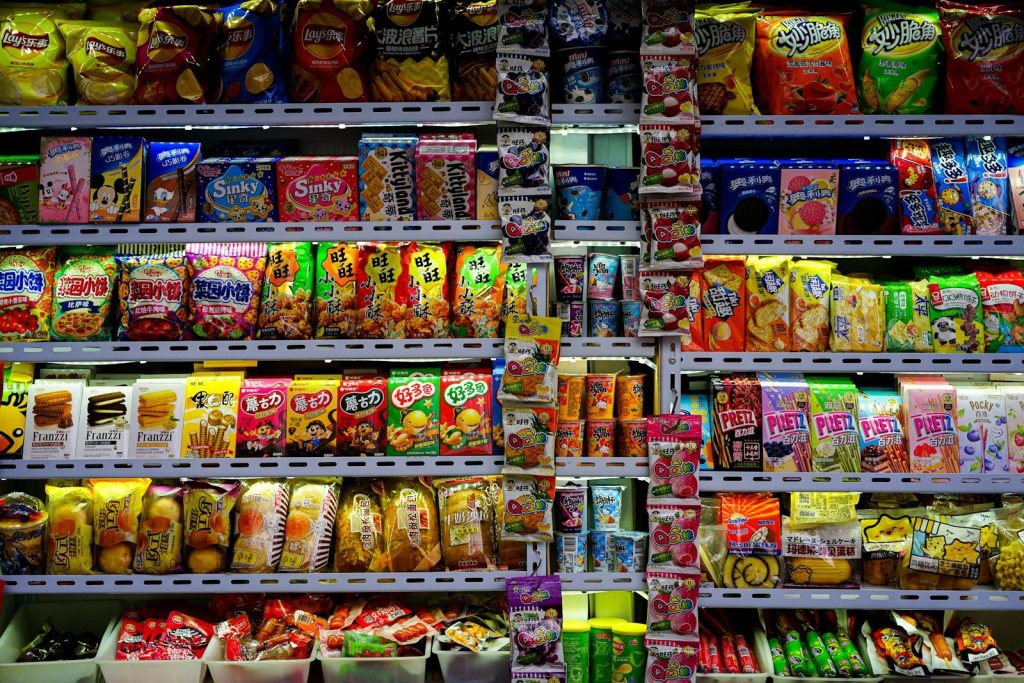
Premium boxes, glossy labels, and elaborate branding can quietly increase the price of ordinary products. The contents inside may differ very little from simpler alternatives sitting nearby.
Choosing practical packaging over flashy presentation can create noticeable savings across groceries, cleaning supplies, and household basics over the course of a year.
Smaller Margins Can Create Better Deals

Some retailers are comfortable earning less profit per item if they can attract more customers overall. This approach explains why certain products seem surprisingly affordable compared with competitors.
For shoppers, the lesson is simple. Looking beyond the first store often uncovers prices that feel almost too good to be true but are actually part of a deliberate business strategy.
Cheap and Smart Are Not Always the Same Thing
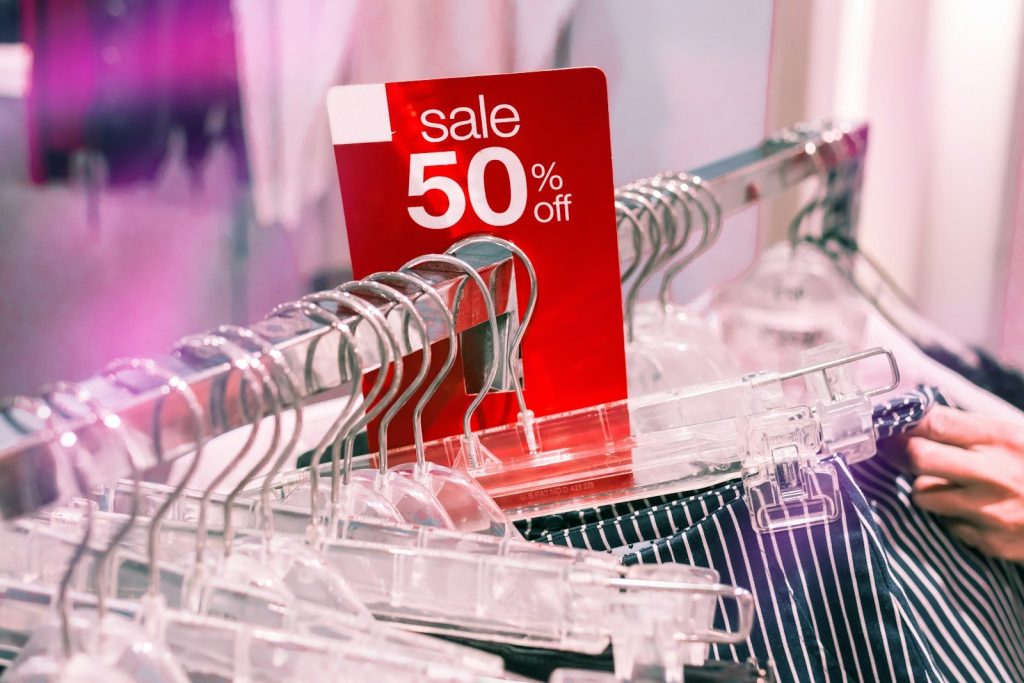
A lower price is only a bargain if the product meets your needs and lasts long enough to justify the purchase. Sometimes paying slightly more prevents replacements, frustration, and waste later.
The smartest savers focus on value rather than price alone. Understanding why products cost less helps separate genuine opportunities from purchases that only appear economical at first glance.