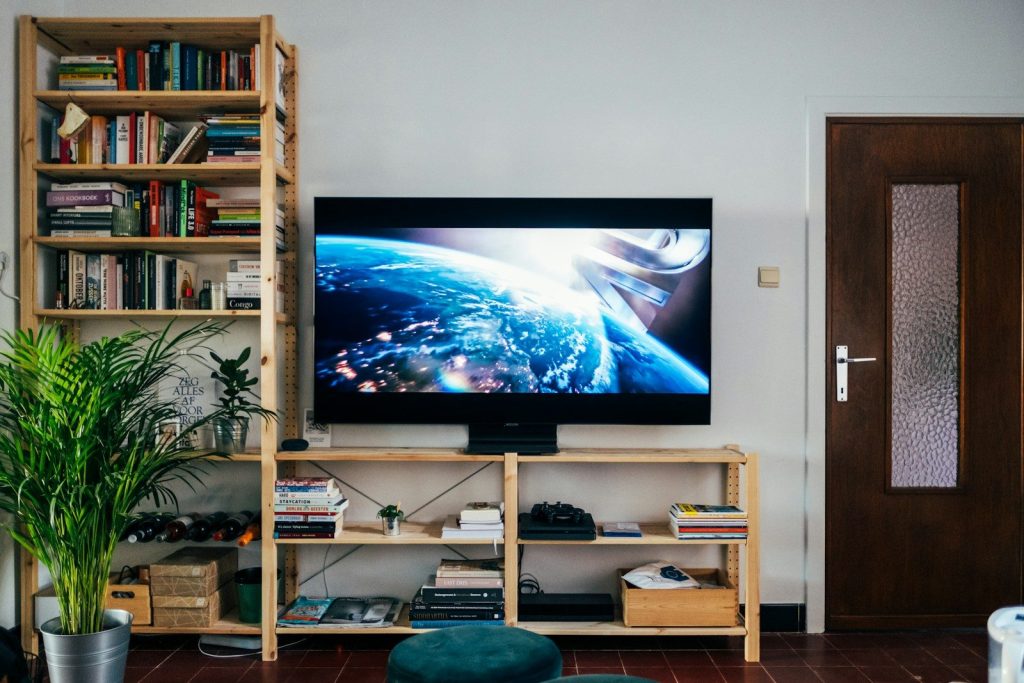

A beautiful home is not always about buying the newest furniture or chasing expensive trends. Often, the smartest spaces are the ones designed around real life, where comfort, function, and durability work together every day.
This home inspired a fresh way of thinking about practical design. Instead of focusing on luxury alone, it shows how thoughtful choices can reduce clutter, make daily routines smoother, and even help homeowners avoid costly updates later.
Design Around Daily Life Instead of Trends
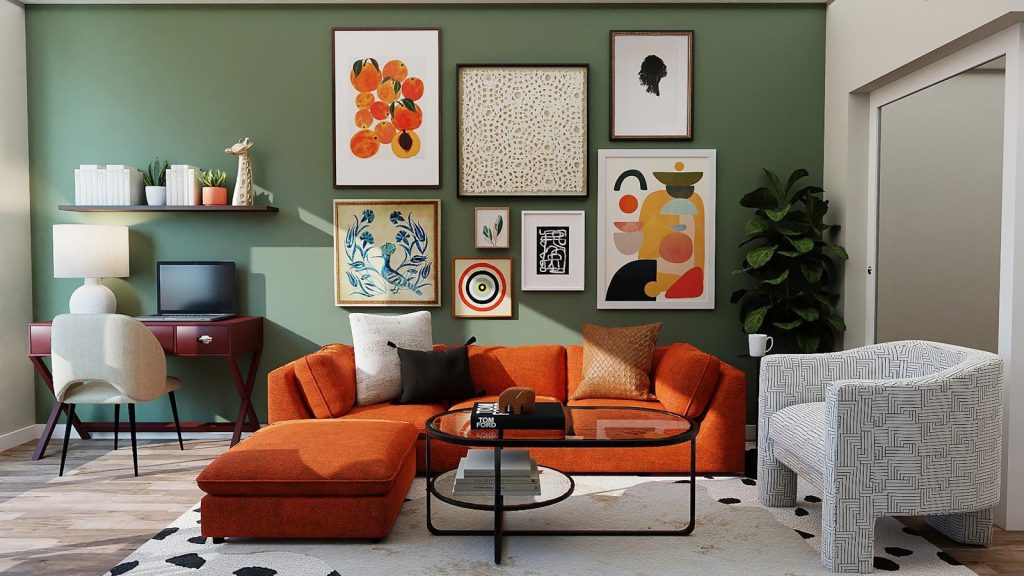
The most successful homes begin with the people who live in them. Rather than following every popular style, focus on layouts and features that support everyday routines, whether that means easier cooking, better storage, or comfortable gathering spaces.
Making practical decisions first often saves money over time because your home stays functional even as trends change. Investing in usefulness instead of constant redecorating helps every dollar work harder.
Personal Comfort Is Worth Planning For
Every household has unique needs. Whether someone is especially tall, has young children, or simply prefers extra workspace, customizing important features makes daily living much easier.
Thoughtful adjustments completed during renovations can prevent expensive changes later. A home that fits the family from the beginning often stays comfortable for many years without repeated remodeling.
Storage Can Replace Clutter Without Adding Rooms
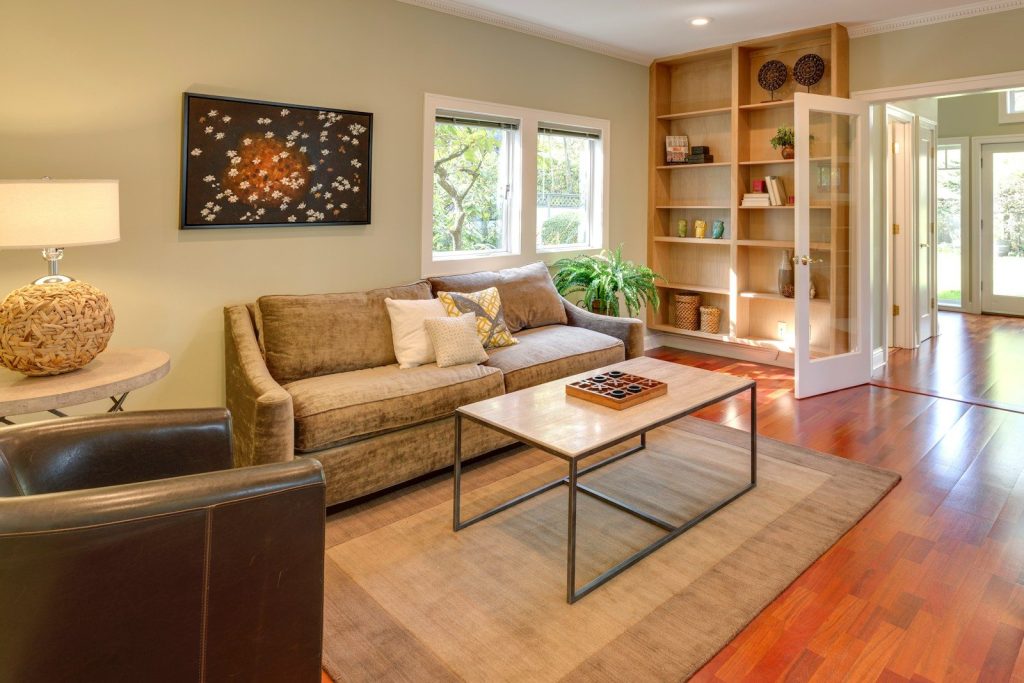
Many people assume they need a larger house when they actually need better organization. Clever built-in storage, organized closets, and hidden spaces can make existing rooms feel far more spacious.
Keeping everyday items neatly stored also reduces duplicate purchases because everything is easier to find. That simple habit can quietly save both time and money throughout the year.
Durable Materials Often Cost Less Over Time
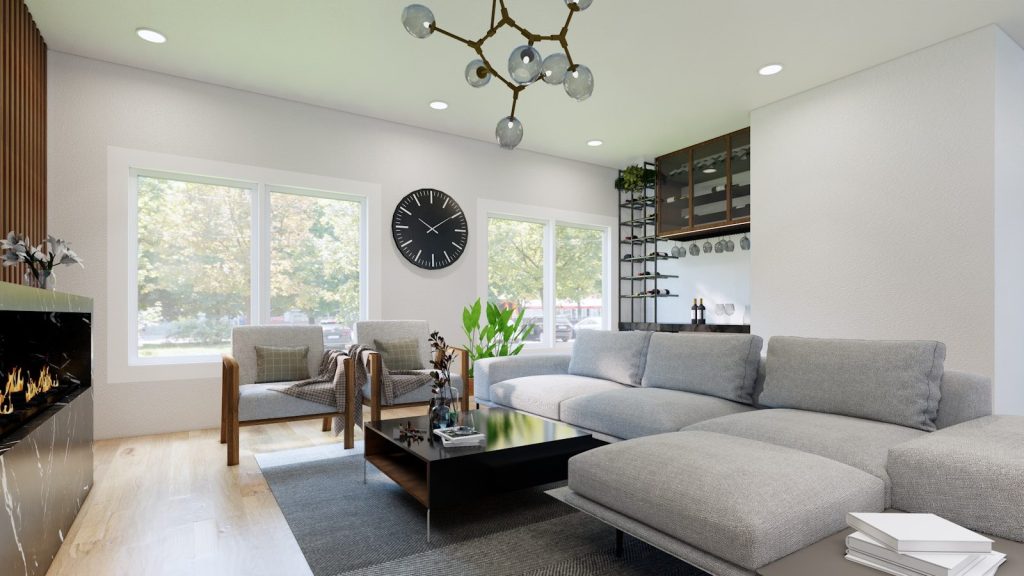
Choosing strong surfaces for kitchens, bathrooms, and busy family spaces may require a larger investment at first, but quality materials usually last much longer than cheaper alternatives.
Instead of replacing damaged finishes every few years, durable products continue looking good despite everyday wear. That long-term approach helps stretch renovation budgets further.
Color Can Transform a Home Without Major Construction
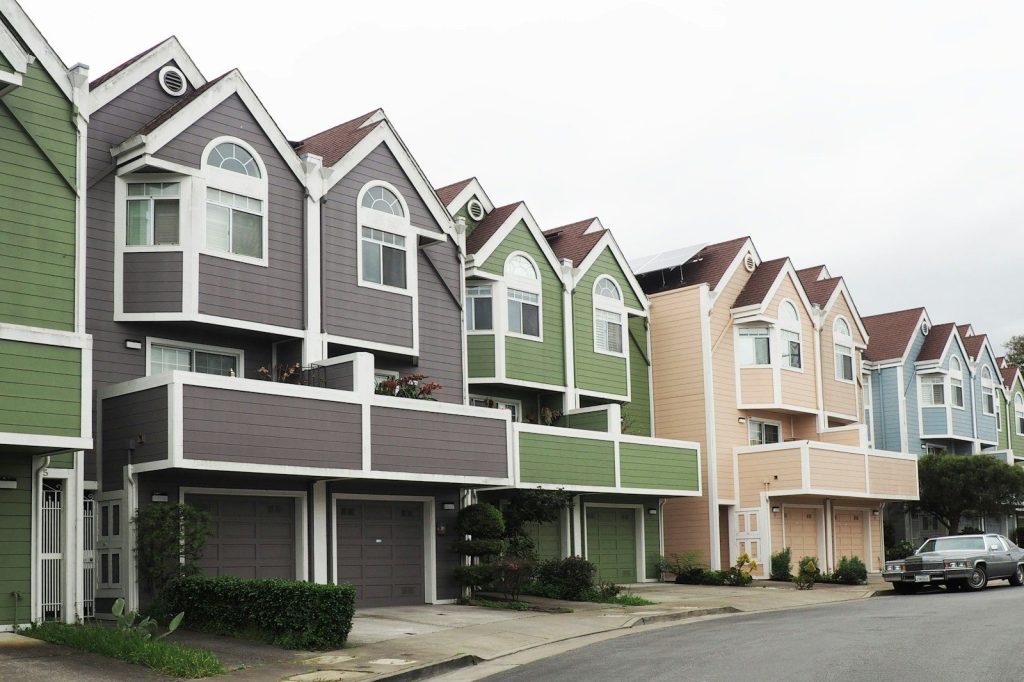
Refreshing a room does not always require knocking down walls. Paint, wallpaper, fabrics, and lighting can dramatically change how a space feels while keeping the existing layout intact.
Small decorative updates are usually much more affordable than structural renovations. Changing a few visual elements often creates the feeling of a completely refreshed home at a fraction of the cost.
Keep Furniture That Still Works
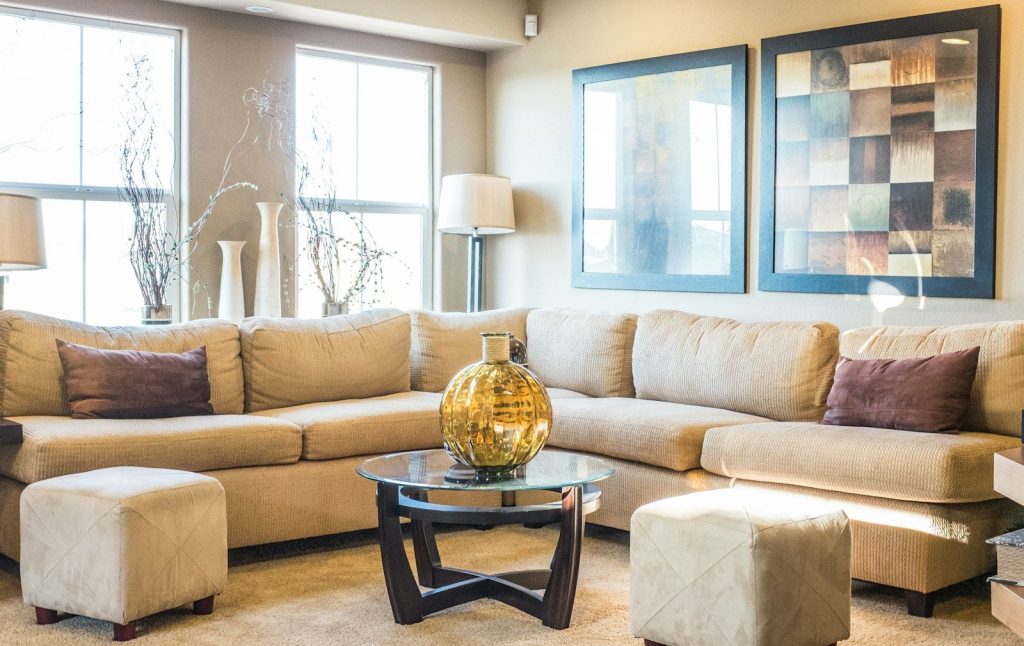
A complete makeover does not require replacing every chair, table, or cabinet. Mixing favorite existing pieces with carefully selected new additions creates character while reducing unnecessary spending.
Reusing quality furniture also cuts waste and preserves meaningful family items. Sometimes a simple refinishing project delivers results that feel just as satisfying as buying something brand new.
Lighting Shapes the Way Every Room Feels
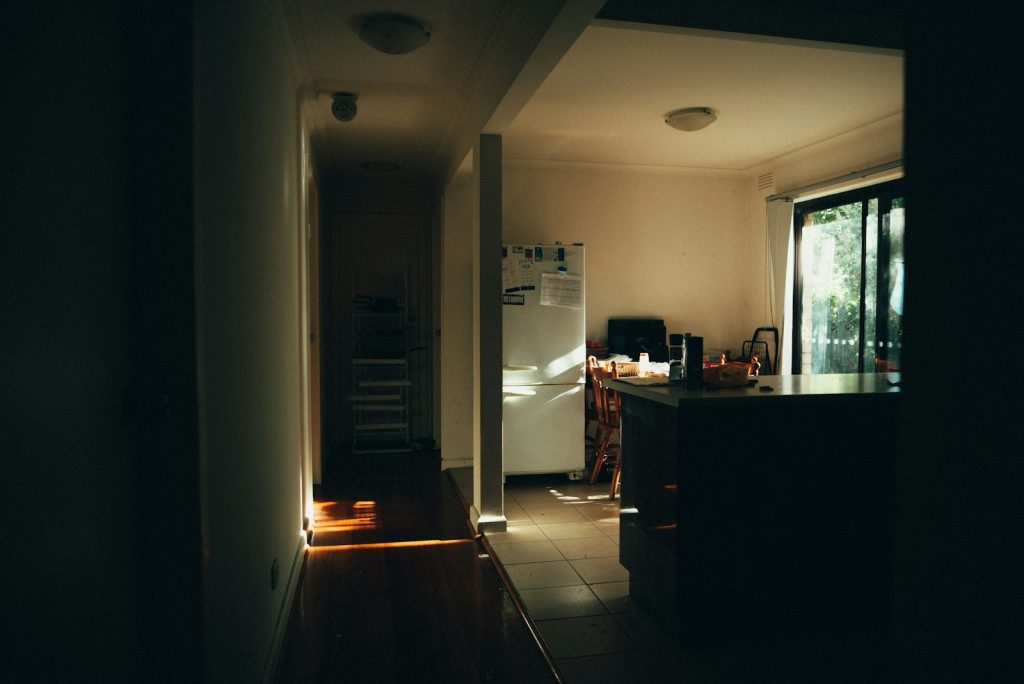
Natural light makes rooms appear larger, brighter, and more welcoming. When possible, arranging furniture to take advantage of windows can improve comfort without spending anything at all.
Layered lighting also helps throughout the day. Combining overhead fixtures with table lamps and reading lights allows each space to serve several purposes while using energy more efficiently.
A Home Should Continue Working as Life Changes

The smartest homes are designed with flexibility in mind. Families grow, routines shift, and hobbies change, so rooms that serve multiple purposes remain useful much longer than highly specialized spaces.
Planning for the future reduces the need for constant renovations and unnecessary purchases. A home that adapts naturally helps save money, minimizes waste, and supports comfortable living for years to come.