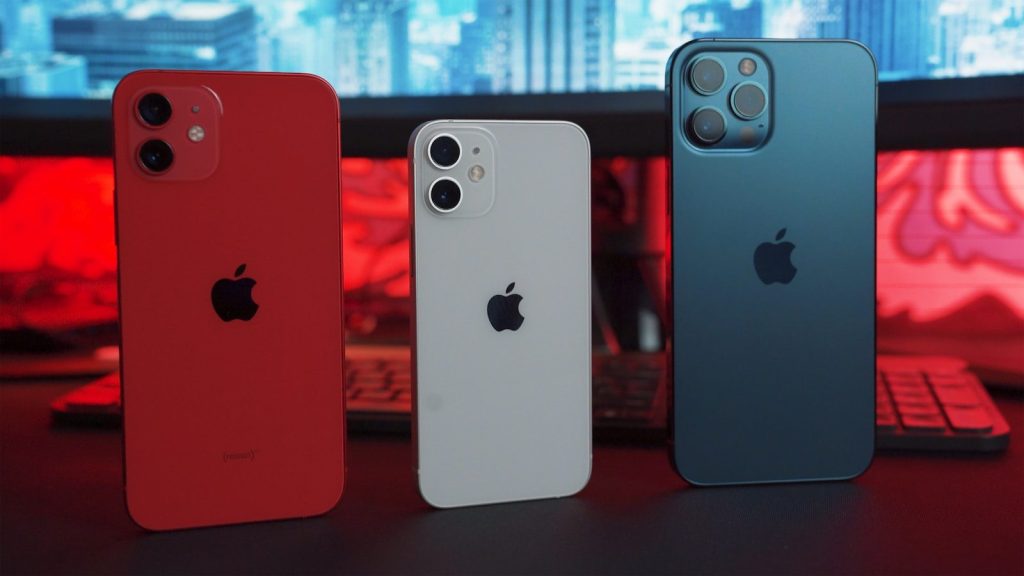

Choosing a new phone is about more than picking the latest model. The best value often comes from finding a device that fits your needs instead of paying for features you may never use.
A thoughtful purchase can save hundreds of dollars while giving you years of reliable performance. These practical tips will help you shop with confidence and avoid expensive mistakes.
Start With How You Actually Use Your Phone

Think about what you do most every day. Some people mainly text, browse the internet, and take photos, while others rely on gaming or video editing.
Buying a phone based on your real habits prevents overspending on features that rarely get used. The right phone is the one that supports your lifestyle, not the one with the longest feature list.
Consider Last Year’s Model
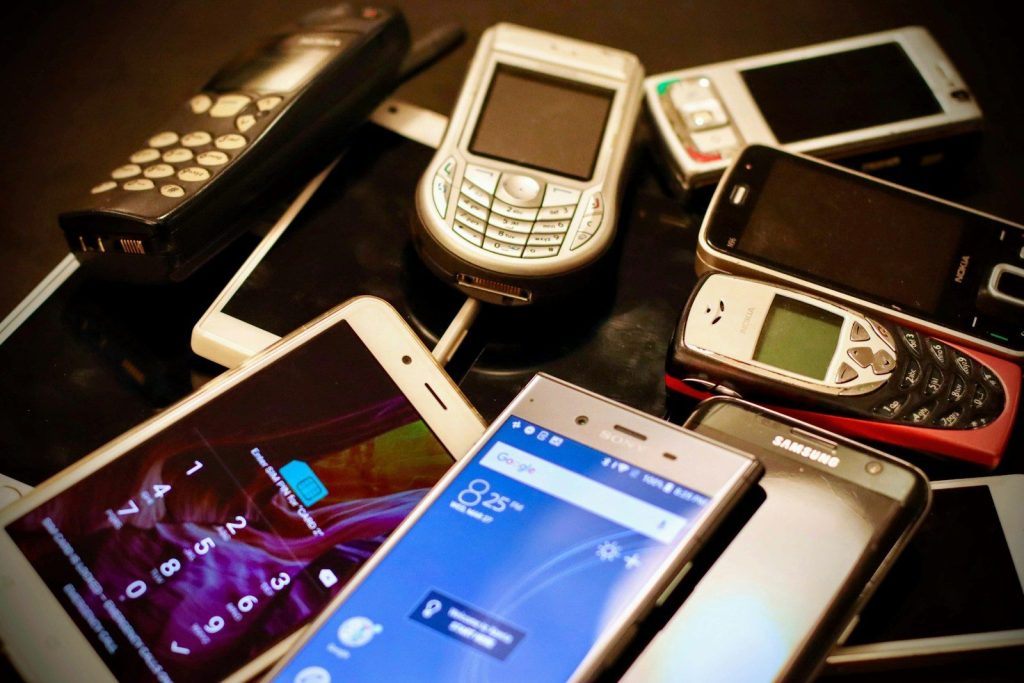
Flagship phones from the previous year often receive major discounts after new models arrive. They usually offer excellent performance with only minor differences from the latest release.
Choosing an older model can free up money for accessories, travel, or savings. It is one of the easiest ways to stretch your technology budget.
Compare the Total Cost

A low monthly payment can make an expensive phone seem affordable. Always calculate the full amount you will pay by the end of the financing agreement.
Looking at the full price helps you compare deals more accurately. Sometimes paying upfront or choosing a lower-priced model saves much more over time.
Do Not Pay Extra for Features You Will Never Use
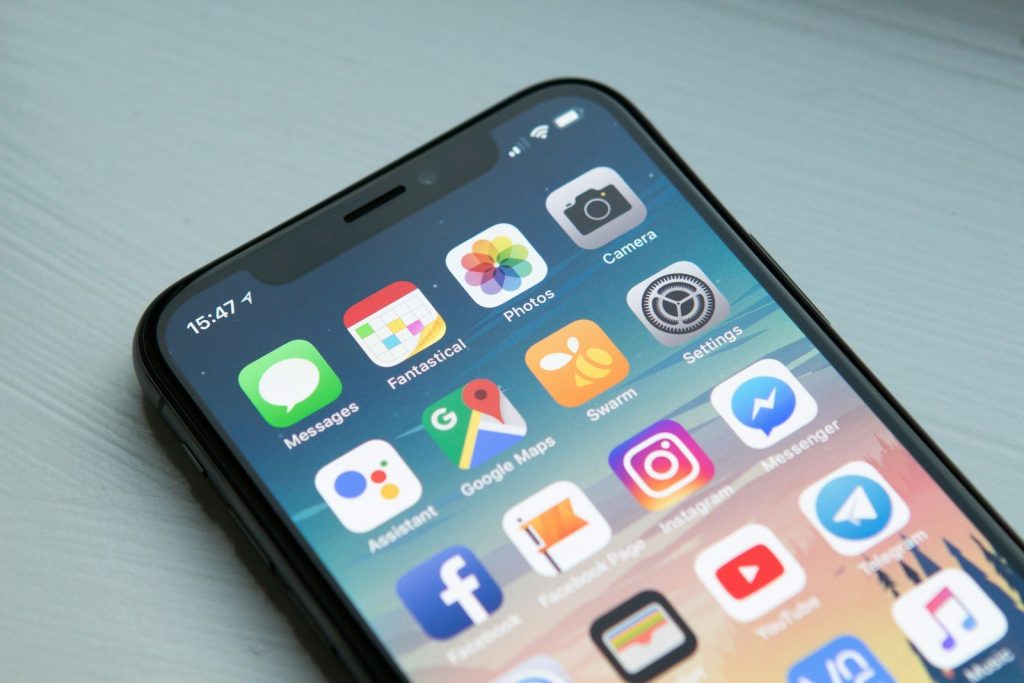
Manufacturers often highlight advanced cameras, powerful processors, and premium displays. While impressive, not every user needs top-tier specifications.
If your daily routine involves messaging, streaming, and casual photography, a midrange phone may deliver everything you need for much less.
Think About Repair Costs
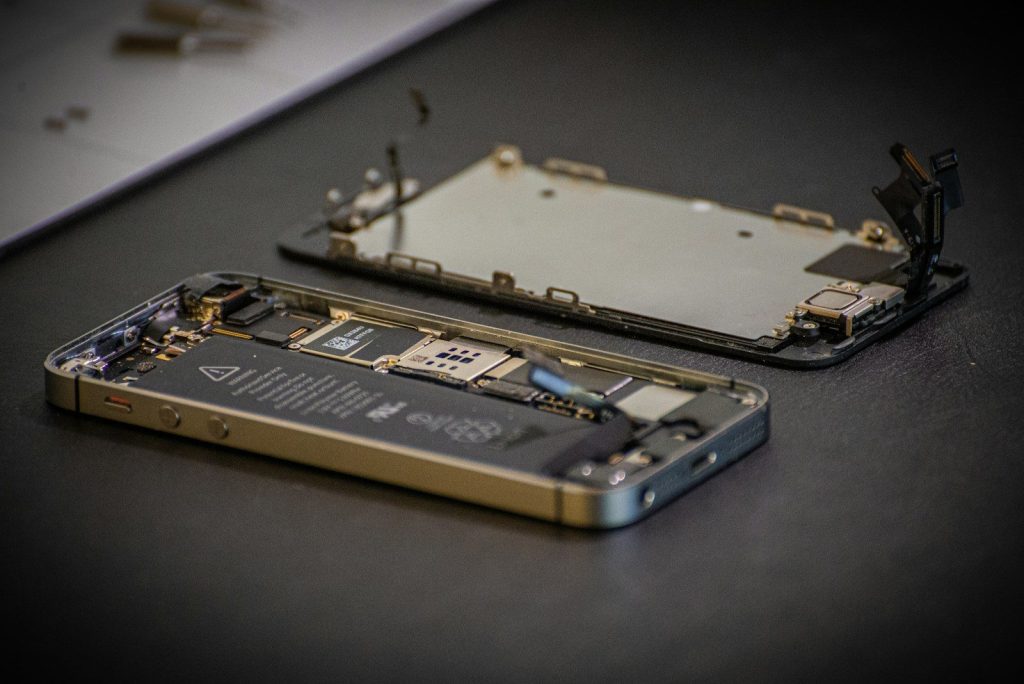
Accidents happen, so repair expenses deserve attention before making a purchase. Screen replacements and battery service can vary widely between models.
A phone with affordable repair options may cost less over its lifetime. Spending a little time researching this now can prevent expensive surprises later.
Check Storage Before You Buy
Running out of storage often leads people to replace phones sooner than necessary. Consider how many photos, videos, and apps you typically keep.
Choosing enough storage from the beginning can extend the useful life of your device. It also reduces the need for constant file management.
Protect Your Investment
A quality case and screen protector cost far less than repairing a damaged phone. Protecting your device from the first day helps preserve its condition.
Keeping your phone in good shape also improves its resale or trade-in value. That extra care can reduce the cost of your next upgrade.
Upgrade Only When It Makes Sense

Marketing often creates the feeling that every new release is essential. In reality, many phones continue performing well for several years with regular software updates.
Waiting until your current phone truly needs replacing saves money and reduces electronic waste. Smart upgrades are about value, not keeping up with every trend.