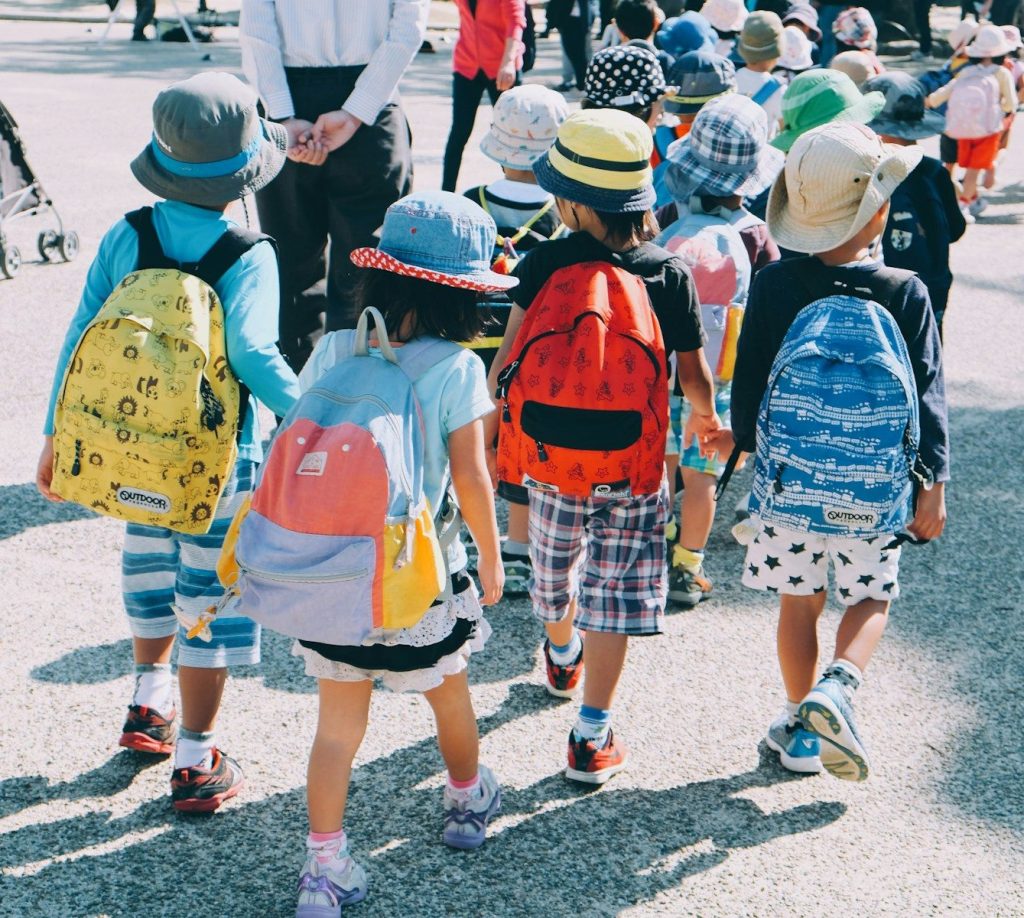

Getting ready for a new school year often brings a long shopping list and unexpected expenses. With a little planning, families can reduce costs without sacrificing quality or sending kids back with less than they need.
Small changes before the first day of school can make a noticeable difference in your budget. These practical ideas help stretch every dollar while keeping the school year organized from the very beginning.
Shop Your Home Before the Stores
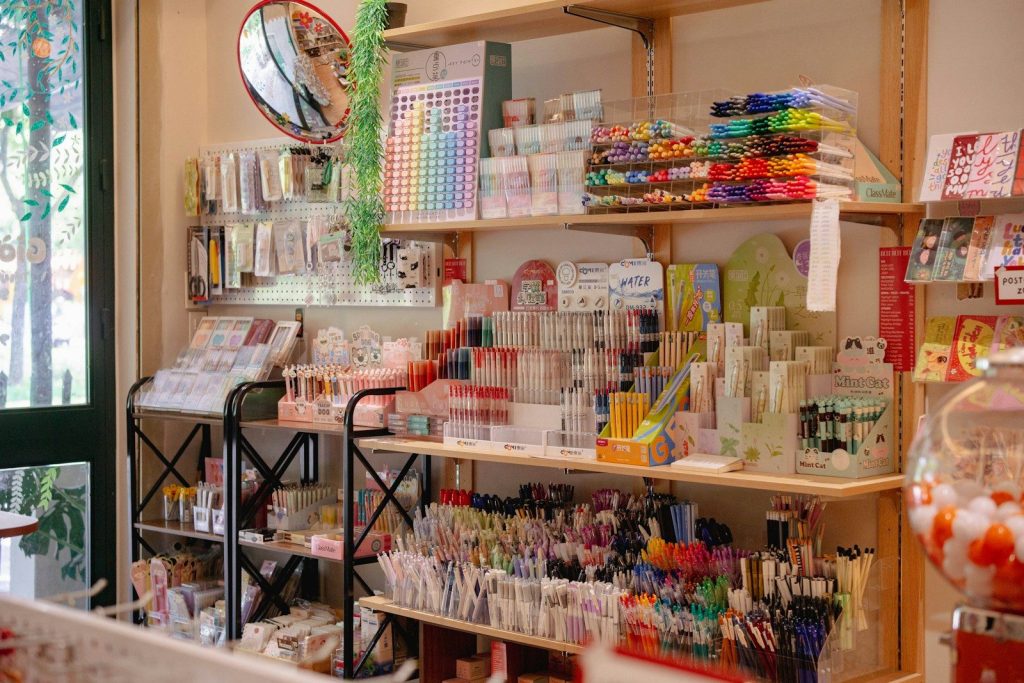
Before buying anything new, gather school supplies left from previous years. Pens, notebooks, folders, scissors, and backpacks are often tucked away in drawers or closets waiting to be used again.
Creating an inventory first prevents buying duplicates and helps you focus only on what is truly missing. It also reduces waste and makes shopping trips faster and more affordable.
Wait Until You Receive the Official Supply List

Many stores promote school shopping weeks before teachers release classroom requirements. Buying too early can lead to supplies that never get used.
Waiting for the official list allows you to purchase exactly what your child needs. That simple habit helps avoid unnecessary spending and keeps your budget under control.
Compare Prices Instead of Shopping at One Store
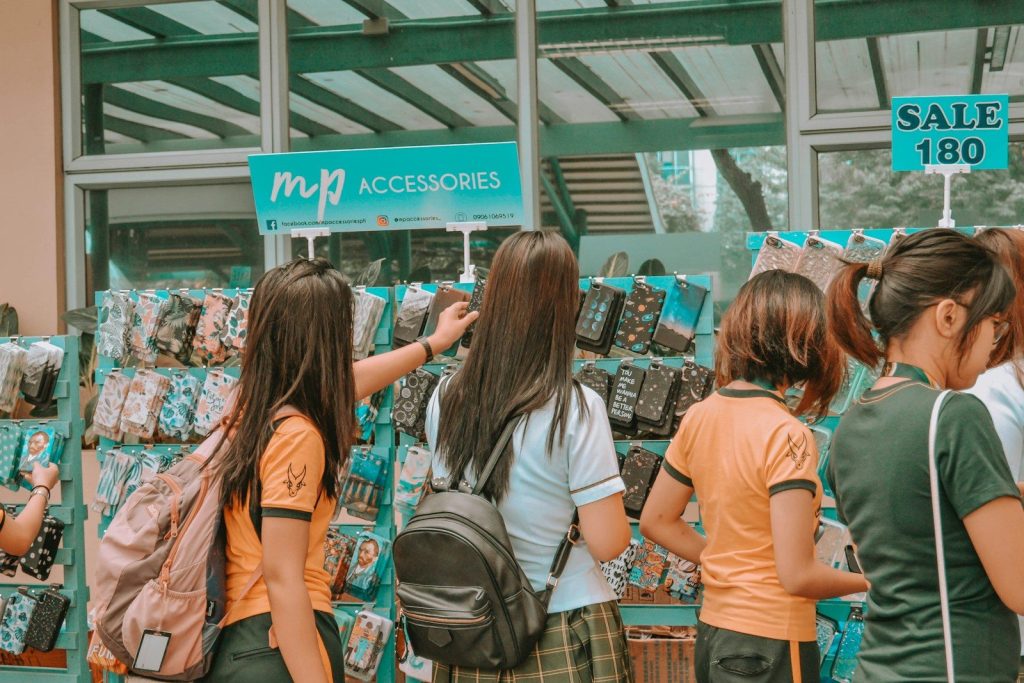
No single retailer has the lowest price on every item. Checking weekly ads or comparing online prices often reveals better deals on common school essentials.
Even splitting your shopping between two stores can lead to noticeable savings. Spending a few extra minutes comparing prices often pays off throughout the entire shopping trip.
Choose Quality for Items Used Every Day
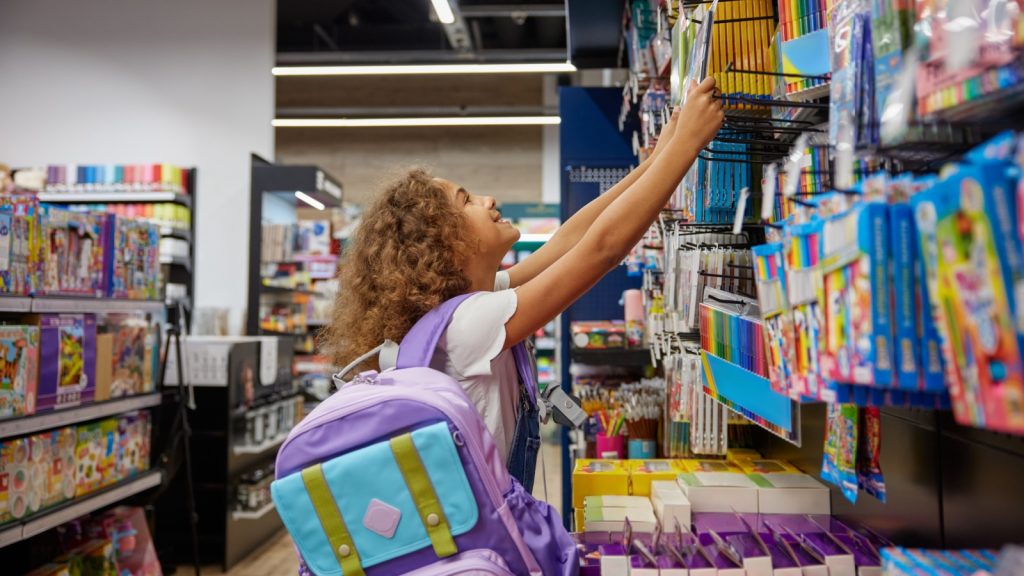
Some supplies, like backpacks and lunch boxes, are worth buying with durability in mind. A well-made item that lasts several years usually costs less than replacing a cheaper version every school season.
Look for sturdy stitching, reliable zippers, and easy-to-clean materials. Paying attention to quality helps reduce future purchases while giving children products that stand up to daily use.
Buy Generic Supplies When Brand Names Do Not Matter

Many classrooms accept store brand notebooks, pencils, glue sticks, and paper because they perform just as well as premium versions. Students often notice little difference during everyday use.
Choosing generic supplies across your shopping list can lower the total bill without affecting classroom performance. Those small savings quickly add up when buying for multiple children.
Take Advantage of Sales Throughout the Season

The best bargains do not always happen during one shopping trip. Many stores continue offering discounts as the school season approaches and even shortly after classes begin.
If certain supplies are not needed immediately, waiting for another sale can reduce costs even more. Stocking up on discounted basics also prepares your family for future projects during the school year.
Label and Organize Supplies Right Away
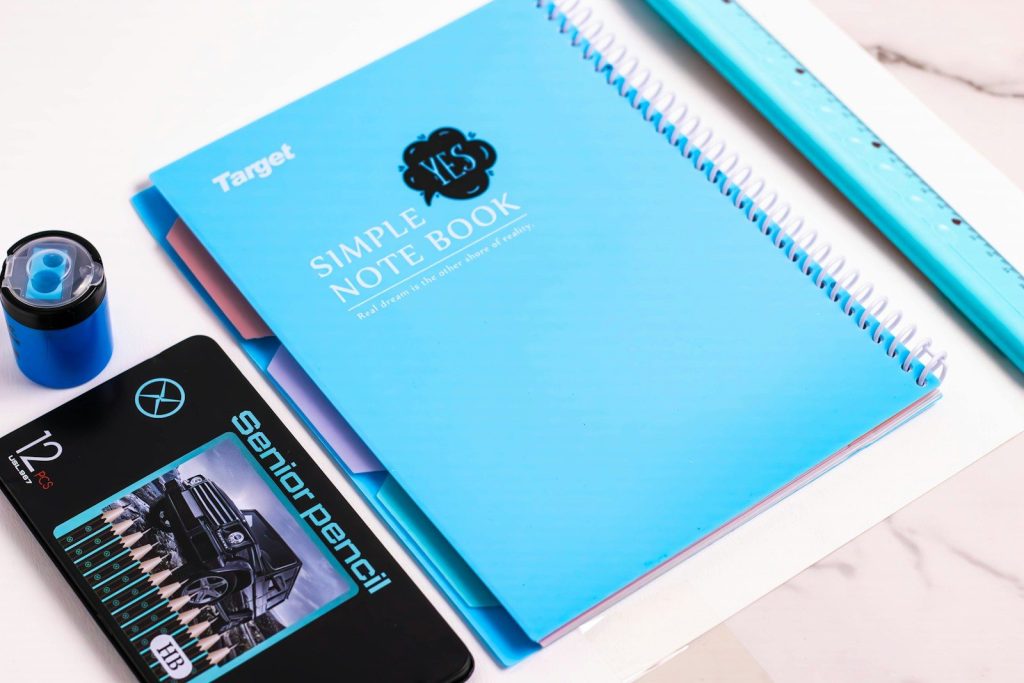
Taking a few minutes to label notebooks, water bottles, lunch containers, and jackets helps prevent expensive replacements later. Lost items can become a hidden cost throughout the school year.
Creating a dedicated storage space at home also keeps extra supplies easy to find. When pencils or notebooks run low, you already know what you have before buying more.
Set a Budget and Involve Your Kids

Giving each shopping trip a spending limit encourages smarter choices and helps children understand the value of comparing options. It also reduces impulse purchases that quickly increase the final bill.
Talking with kids about needs versus wants turns back-to-school shopping into a valuable financial lesson. Families often finish the season with lower expenses, less clutter, and better spending habits that last all year.