

Raising children often comes with overflowing toy bins, busy schedules, and homes that seem impossible to keep organized. A minimalist approach does not mean owning very little. It means creating a home that works better for your family.
Small changes can reduce daily stress while saving time, money, and effort. These practical habits help families enjoy what matters most without constantly managing unnecessary clutter.
Give Every Toy a Purpose
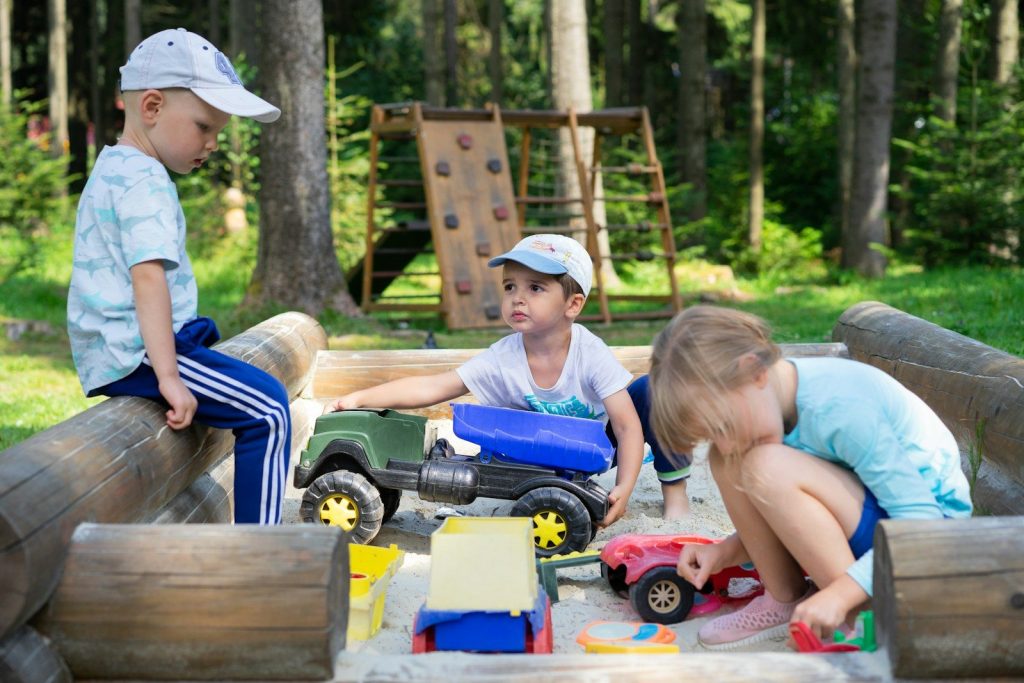
Children often play more creatively when they have fewer choices. Instead of filling every shelf, keep toys that are used regularly and donate or store the rest.
A smaller collection is easier to organize and clean up. It also reduces the temptation to keep buying new toys that quickly lose their appeal.
Rotate Toys Instead of Buying More
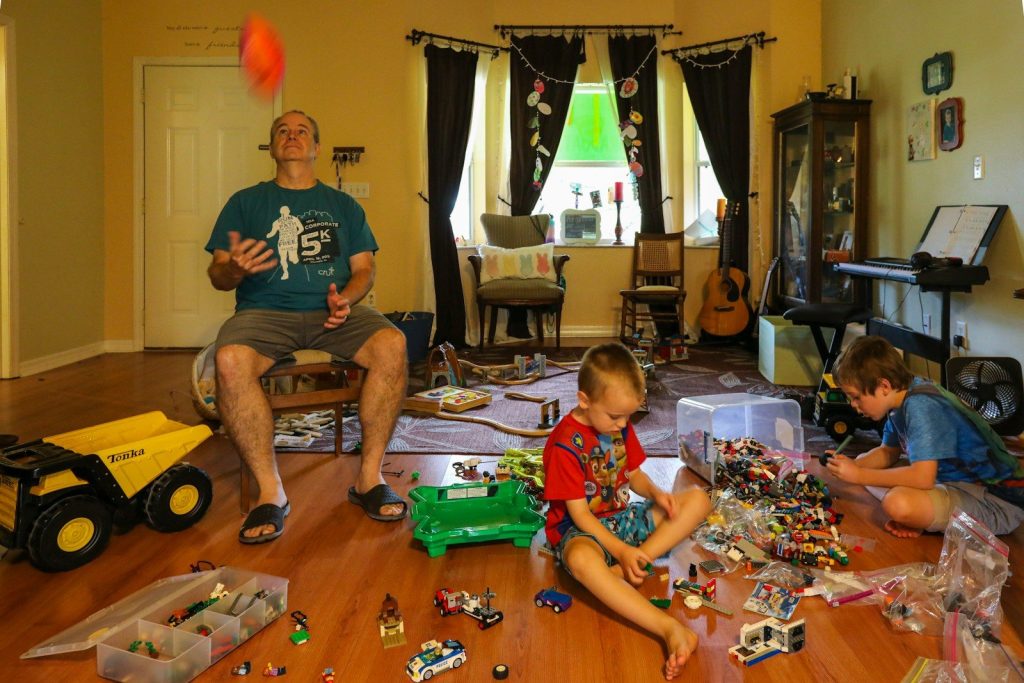
Store part of your child’s toy collection in labeled bins and switch the selection every few weeks. Familiar toys suddenly feel exciting again after spending time out of sight.
This simple routine refreshes playtime without costing anything. It also helps preserve toys because fewer are used at the same time.
Simplify the Family Wardrobe
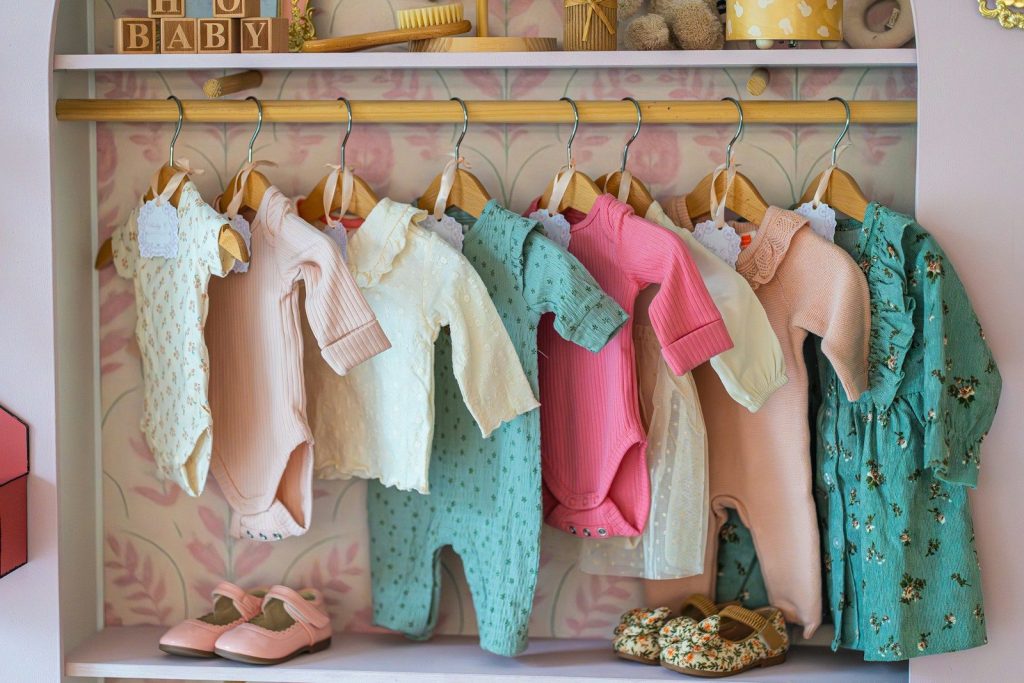
Children outgrow clothes quickly, making it easy to collect more than they actually wear. Focus on comfortable outfits that mix and match well for everyday life.
Buying fewer versatile pieces saves money while making laundry and morning routines much easier. Less time choosing outfits means more time together.
Choose Experiences Over More Stuff
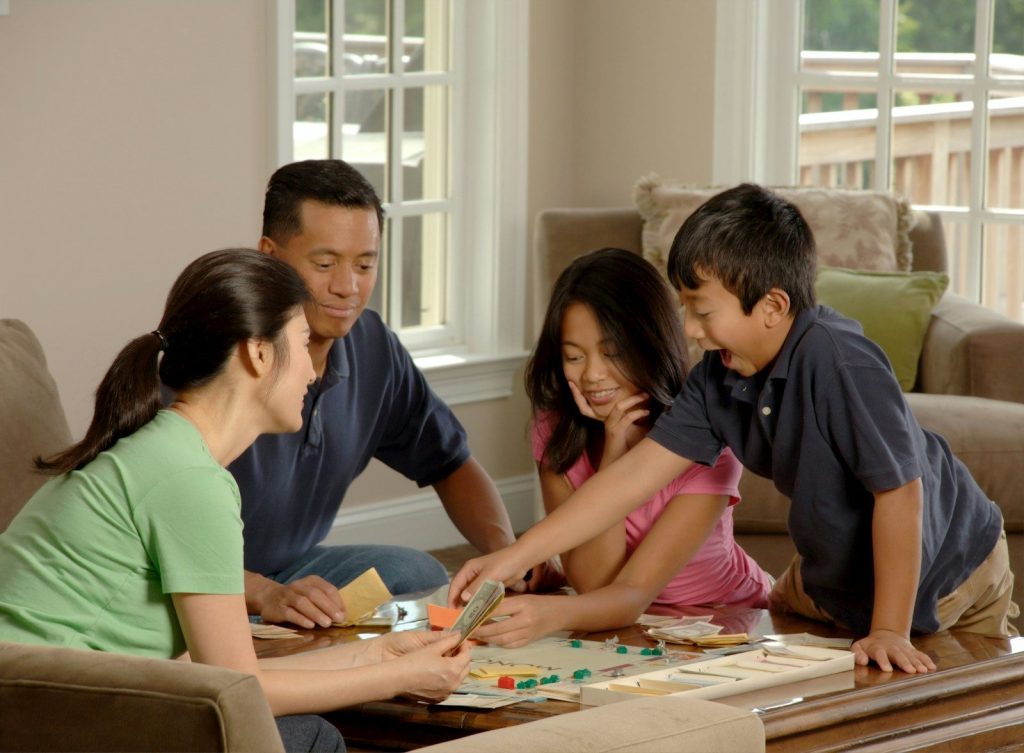
Birthdays and holidays do not always need to revolve around large piles of gifts. Consider family outings, memberships, or special activities that create lasting memories.
Experiences reduce household clutter while giving children something meaningful to look forward to. They often become the stories families remember for years.
Create Easy Cleanup Zones
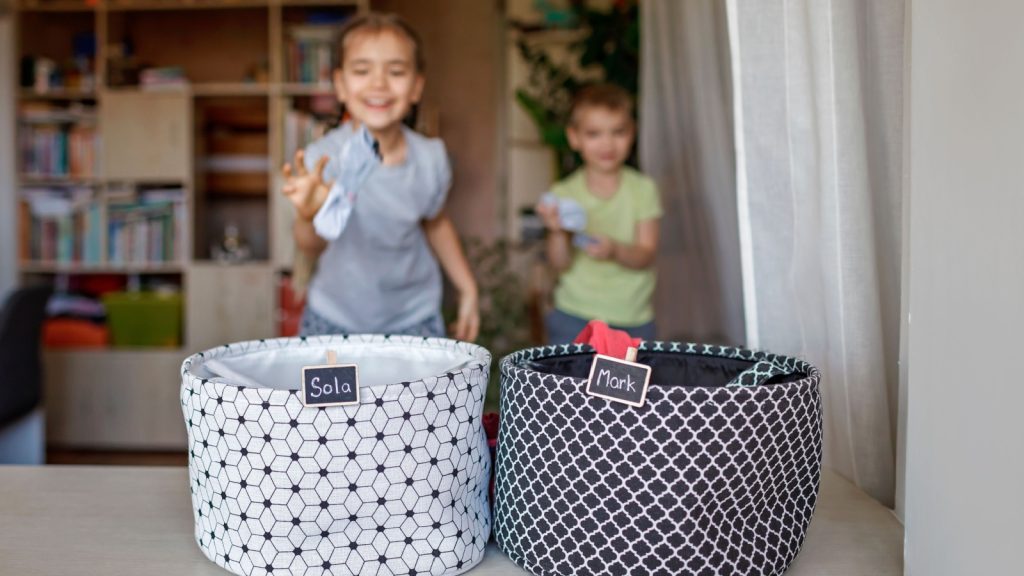
Keep baskets or bins in the rooms where children spend the most time. Quick storage solutions encourage everyone to help with cleanup throughout the day.
When everything has a place, tidying takes only a few minutes. A well-organized home feels calmer without requiring constant effort.
Borrow Before You Buy
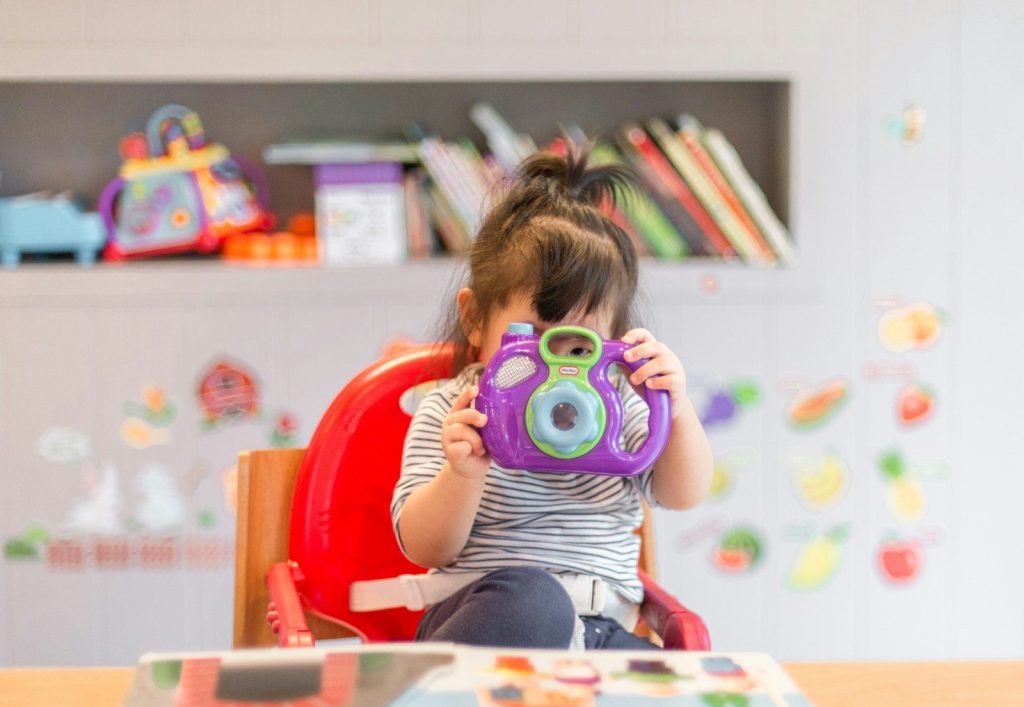
Many baby products, sports equipment, and seasonal items are only needed for a short time. Ask friends or family if you can borrow these items before purchasing new ones.
Sharing resources saves money while reducing unnecessary storage. It is also a practical way to avoid buying products that may only be used a handful of times.
Protect Family Time From Busy Schedules

Minimalism is about more than reducing physical clutter. It also means being selective about commitments that fill every evening and weekend.
Leaving space for quiet family dinners, walks, or game nights creates balance. A less crowded calendar often feels just as valuable as an organized home.
Focus on What Adds Real Value

Every family has different priorities, and minimalism should reflect those differences. Instead of chasing perfection, keep the belongings and routines that genuinely improve daily life.
Over time, thoughtful choices lead to less clutter, lower spending, and a home that feels easier to manage. The goal is not having less for the sake of it, but making more room for what truly matters.