

Creating a monthly budget does not have to involve complicated spreadsheets or strict spending rules. The most effective budgets are often built around a few practical habits that are easy to maintain every month.
These beginner-friendly strategies help you understand where your money goes, reduce unnecessary spending, and make everyday financial decisions with more confidence. Small adjustments today can lead to bigger savings over time.
Start By Tracking One Month Of Spending

Before creating a budget, spend one month writing down where your money actually goes. Include groceries, subscriptions, coffee runs, transportation, and unexpected purchases.
Seeing your real spending habits often reveals patterns you never noticed. It becomes much easier to decide where small changes can free up extra cash.
Separate Needs From Nice-to-Have Purchases

Not every expense deserves the same priority. Housing, utilities, groceries, and transportation usually come first, while entertainment and impulse purchases can be adjusted when needed.
This simple habit prevents overspending early in the month and helps ensure important bills are always covered before discretionary spending begins.
Give Every Dollar A Purpose
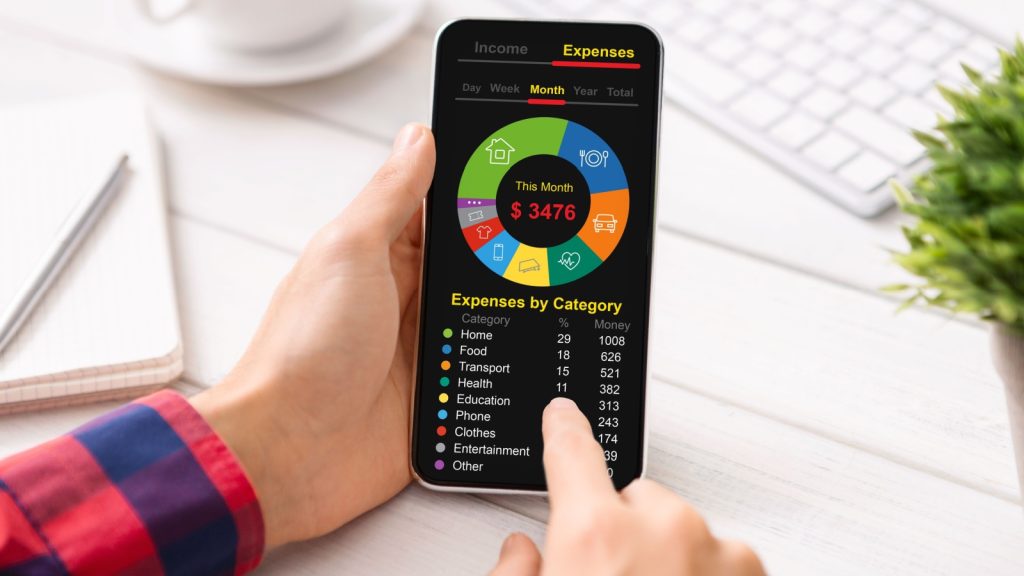
Instead of wondering where your paycheck disappeared, assign each dollar to a category before you start spending. That includes savings, bills, groceries, and personal spending.
Having a plan creates more confidence because your money is working toward specific goals instead of disappearing through random purchases.
Build A Small Emergency Cushion First

Many beginners focus only on paying bills while ignoring unexpected expenses. Even a modest emergency fund can prevent a surprise car repair or medical bill from disrupting your entire budget.
Saving a small amount each month creates peace of mind and reduces the need to rely on credit for every unexpected situation.
Review Recurring Charges Every Few Months

Automatic payments make life convenient, but they can also hide subscriptions you no longer use. Streaming services, apps, memberships, and digital tools often continue charging quietly.
A quick review every few months helps eliminate unnecessary expenses without making major lifestyle changes, leaving more room for meaningful goals.
Plan For Irregular Expenses Before They Arrive

Many budgets fail because people forget about expenses that only appear a few times each year. Holidays, birthdays, school supplies, and annual insurance payments should all have a place in your plan.
Setting aside a little each month makes these larger expenses much easier to manage without creating financial stress later.
Check Your Budget Weekly Instead Of Monthly

Waiting until the end of the month to review your finances often means mistakes have already happened. A short weekly check allows you to make small adjustments before spending gets off track.
This habit takes only a few minutes and keeps your budget realistic instead of becoming something you only revisit after problems appear.
Adjust Your Budget As Life Changes

A good budget is flexible rather than perfect. Income, expenses, family needs, and personal goals naturally change over time, so your budget should change with them.
Reviewing your plan regularly helps you stay in control without feeling restricted, making budgeting a practical habit that supports your lifestyle for the long term.