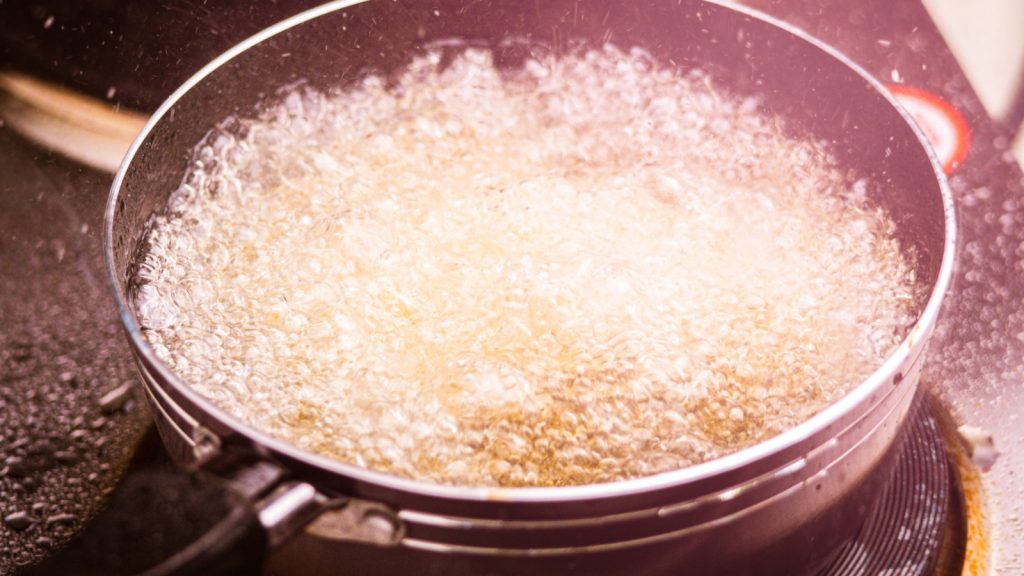

Frozen foods are convenient, affordable, and perfect for busy weeknights, but they can create unexpected problems once they hit a pan of hot oil. A few simple habits can make cooking safer while helping you avoid wasted food, messy cleanups, and damaged cookware.
These practical tips are easy to build into your routine and fit perfectly with the Saving Savers approach by protecting your kitchen, extending the life of your cookware, and making everyday cooking more efficient.
Remove Excess Ice Before Cooking
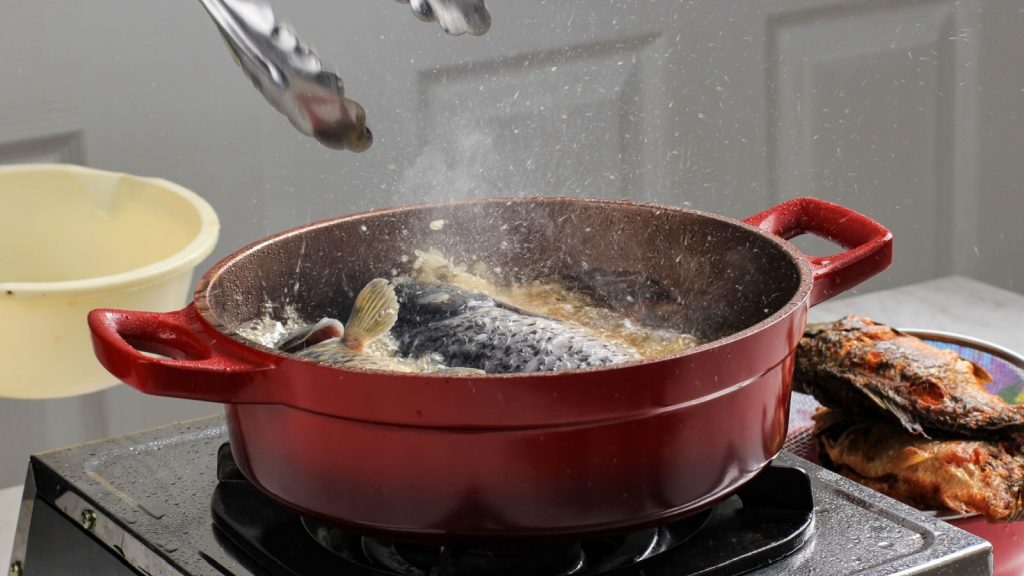
Visible ice crystals are one of the biggest reasons hot oil splatters. As frozen ice melts instantly, the water rapidly turns to steam and forces hot oil out of the pan.
Take a minute to brush away loose ice or frost before cooking. This small step creates a calmer cooking surface and saves time spent cleaning greasy countertops later.
Pat Frozen Foods Dry When Possible
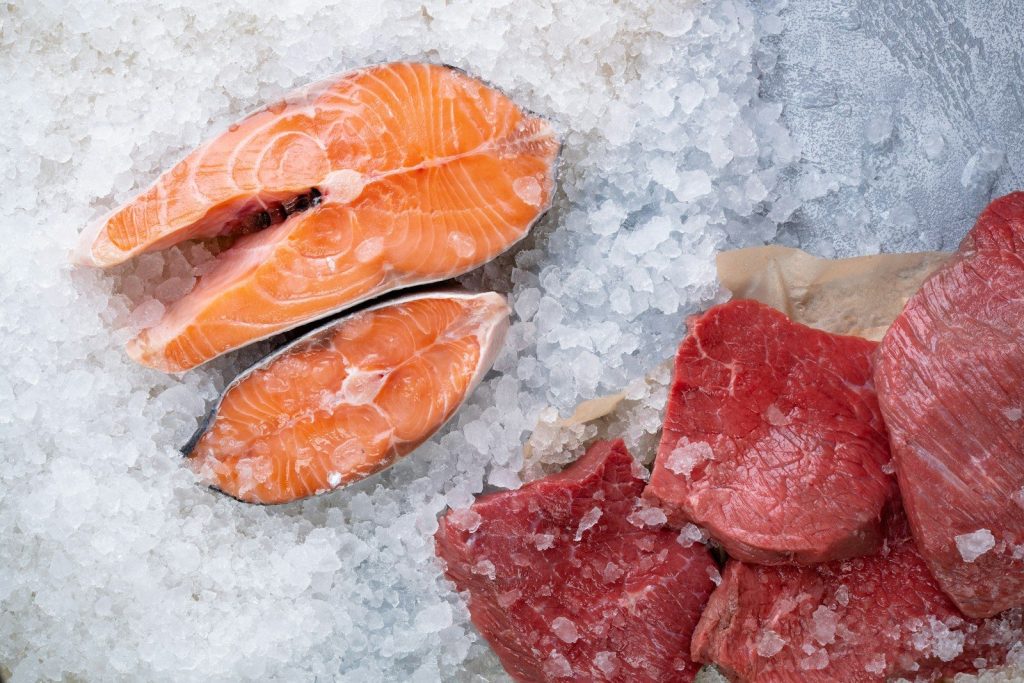
Some frozen vegetables, seafood, and meats collect moisture on the surface as they begin to thaw. Even a thin layer of water can cause popping once it reaches hot oil.
A few paper towels or a clean kitchen towel can remove extra moisture. Less splatter means less wasted oil and fewer stains around your stove.
Heat Oil Gradually Instead Of Rushing
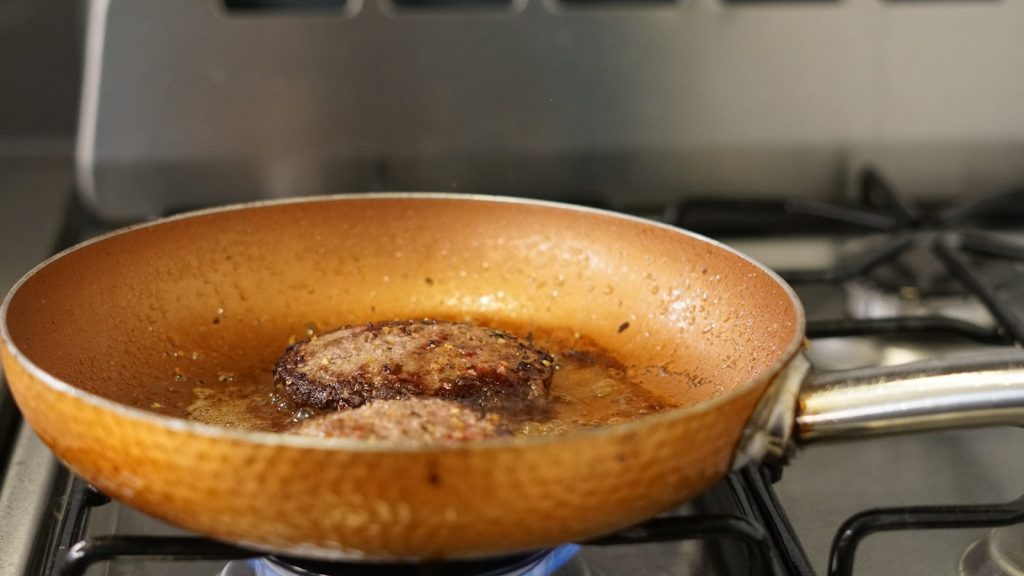
Many people place oil over the highest heat to cook faster. Extremely hot oil reacts more aggressively when moisture is introduced.
Allow the pan to warm steadily over medium or medium-high heat. You gain better control over cooking while reducing the chances of sudden splashes.
Lower Food Into The Pan Carefully
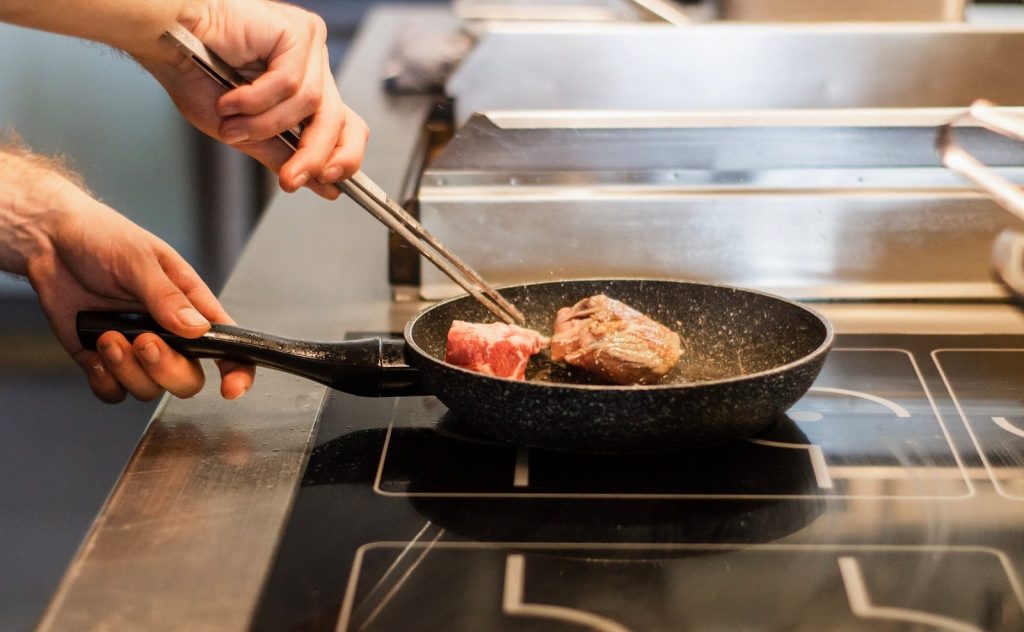
Dropping food from several inches above the pan forces oil upward. Even dry ingredients can create unnecessary splashes if added too quickly.
Use tongs, a spatula, or gently place food close to the oil. Careful placement protects your hands and keeps your cooking area much cleaner.
Avoid Crowding the Pan
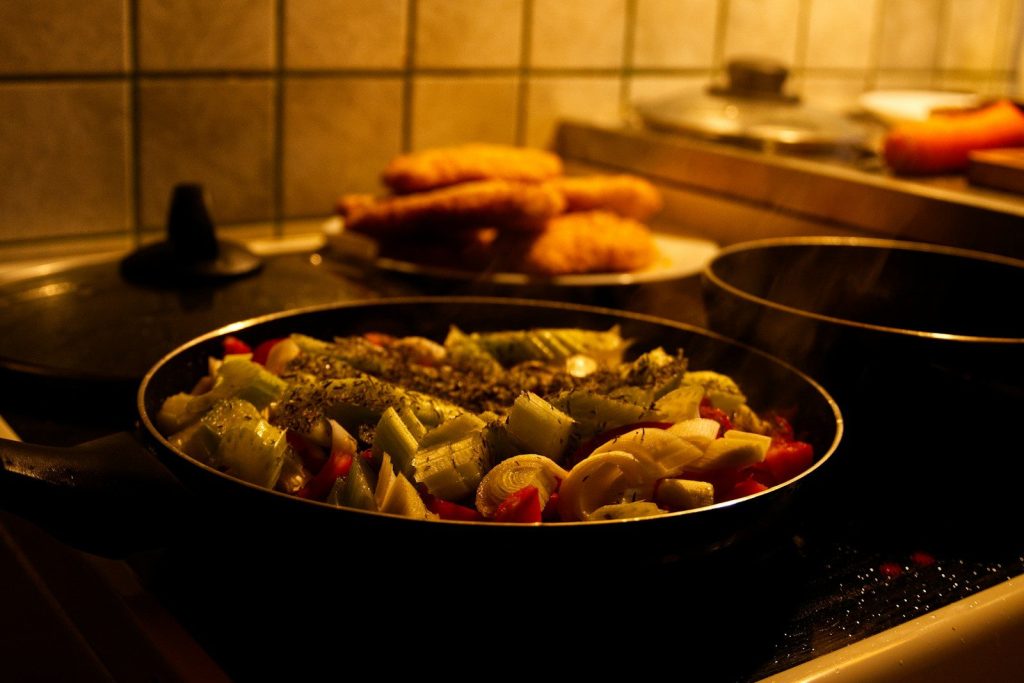
Adding too much frozen food at one time lowers the oil temperature and releases large amounts of moisture all at once. The result is uneven cooking and more splattering.
Cook in smaller batches instead. Food browns more evenly, and you avoid wasting ingredients that become soggy instead of crisp.
Use A Splatter Screen When Frying Often
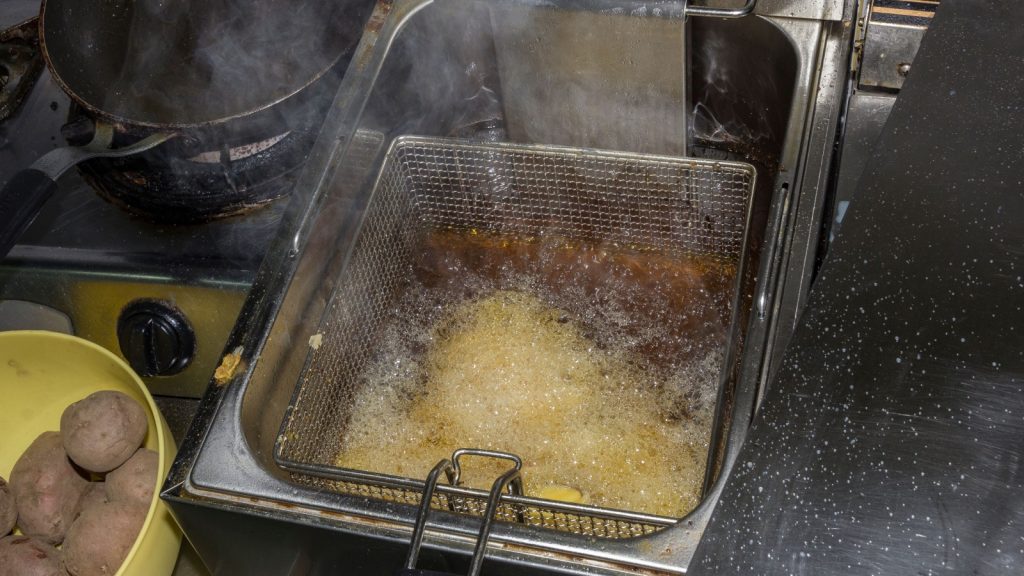
If fried foods are a regular part of your meal plan, a splatter screen can become one of your most useful kitchen tools. It allows steam to escape while helping block flying oil.
This inexpensive tool also reduces grease buildup on nearby cabinets, countertops, and appliances, making cleanup much faster after dinner.
Choose The Right Pan For The Job
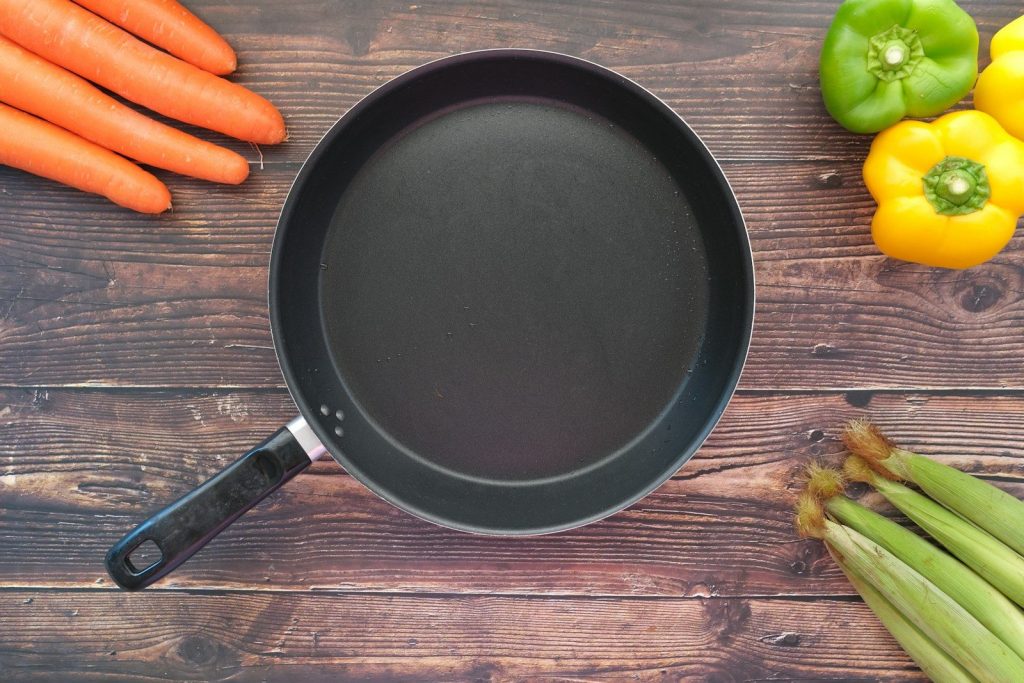
A shallow pan gives oil fewer places to settle, making splashes more likely when moisture enters. Slightly deeper skillets often provide better control during frying.
Using cookware that matches the amount of food you are preparing helps improve cooking results while reducing unnecessary mess around the stove.
Keep Your Cooking Area Ready For Quick Cleanup
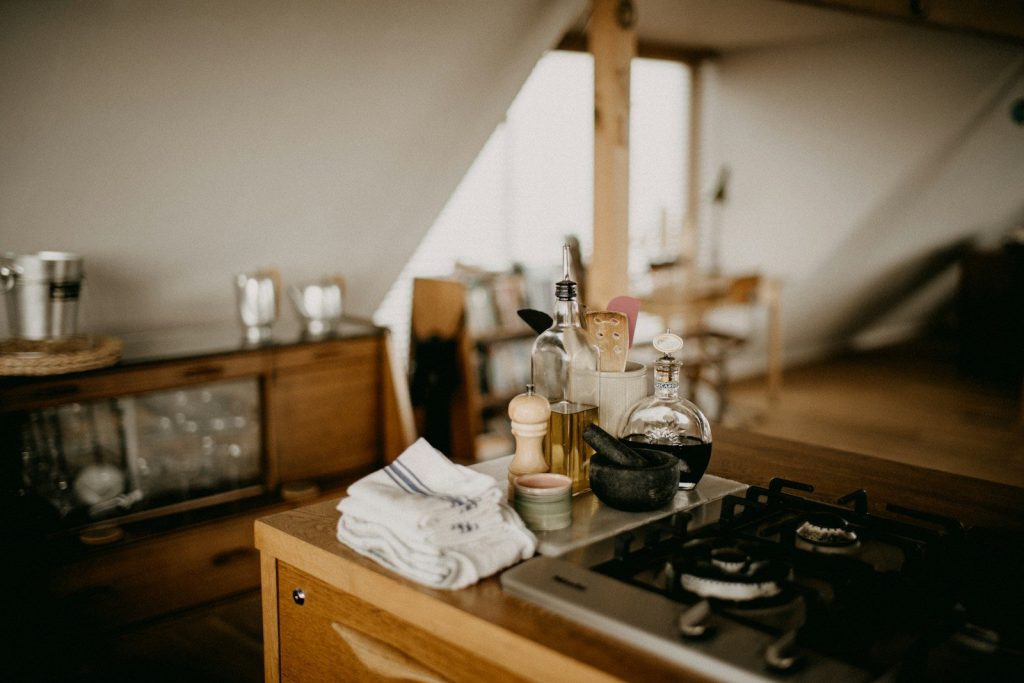
Even experienced cooks deal with occasional splatter. Keeping a cloth, paper towels, or a gentle kitchen cleaner nearby allows you to wipe up grease before it hardens.
A quick cleanup protects your cooking