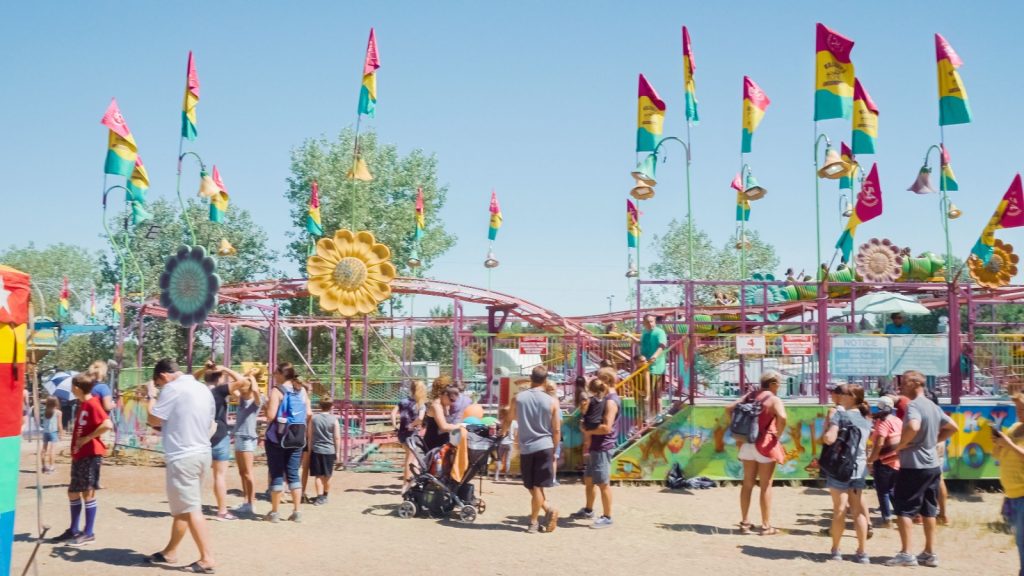

State fairs have always been about more than rides and giant snacks. They once celebrated local talent, handmade goods, family traditions, and simple moments that brought entire communities together.
As modern attractions become bigger and louder, many visitors wonder whether those original experiences are quietly disappearing. The good news is that some of the best fair traditions still cost very little and often create the memories people treasure most.
Arrive Looking for Stories Instead of Attractions
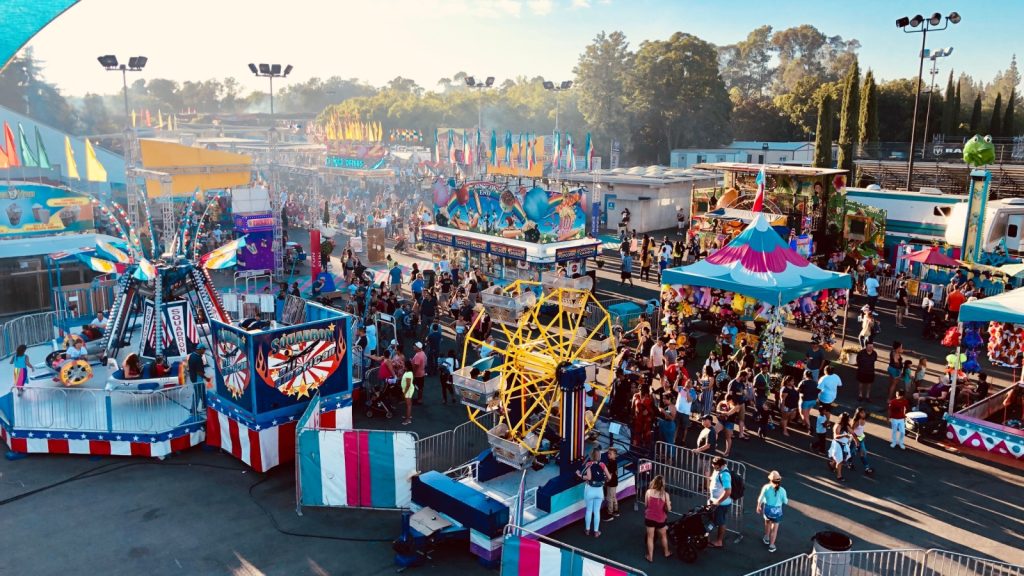
Many visitors race toward the tallest ride or newest food stand without noticing the quieter corners of the fairgrounds. Yet livestock barns, craft displays, and local competitions often tell the real story of the community hosting the event.
Treat the fair like a place to discover rather than simply consume. You will often leave remembering conversations and demonstrations more than expensive purchases.
Handmade Booths Often Beat Souvenir Shops
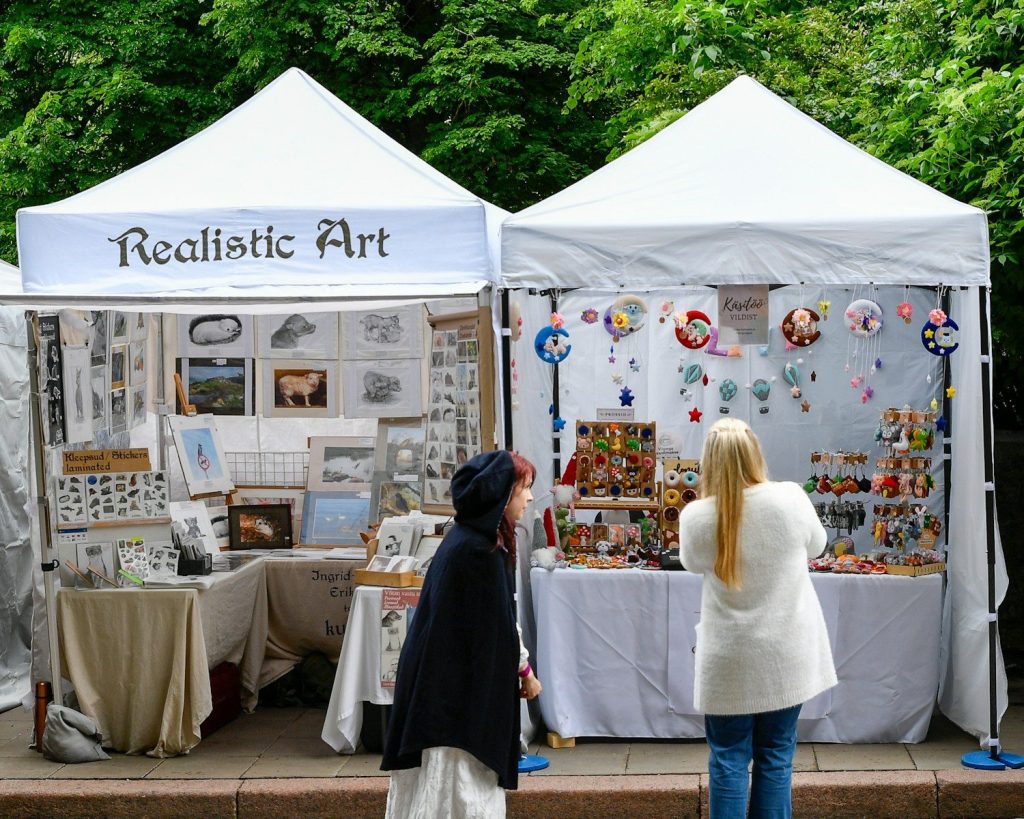
Mass-produced souvenirs can usually be found almost anywhere. Handmade pottery, quilts, woodwork, candles, or locally crafted foods reflect the personality of the region in a way factory-made items never can.
Buying one meaningful item instead of several novelty purchases often saves money while supporting local makers who rarely have permanent storefronts.
The Best Entertainment Is Sometimes Free
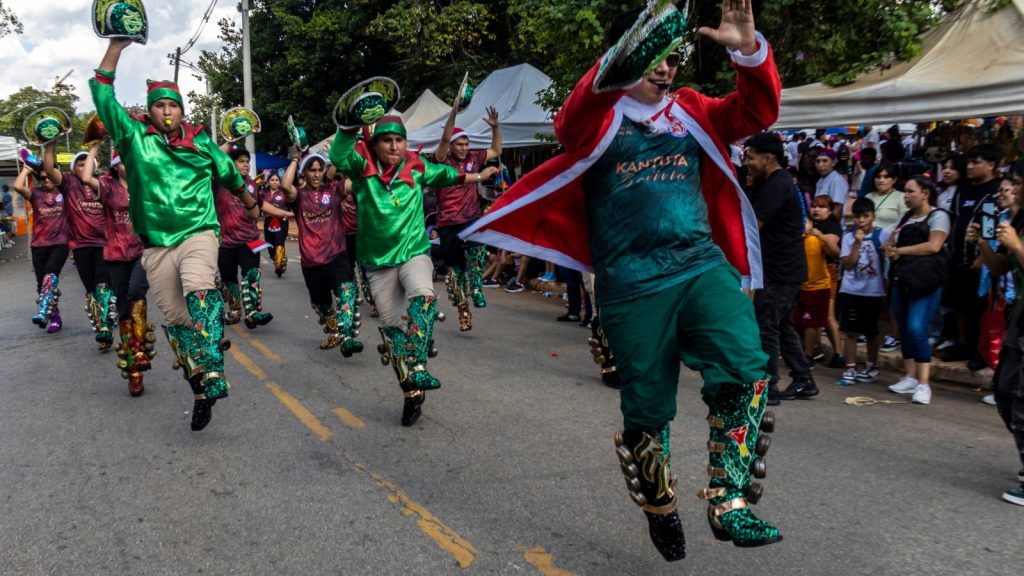
Many fairs schedule music performances, cooking contests, animal shows, and agricultural demonstrations throughout the day. These attractions are frequently included with admission but receive far less attention than carnival rides.
Checking the event schedule before arriving helps visitors enjoy more experiences without spending another dollar.
Slow Walks Reveal the Fair Most People Miss
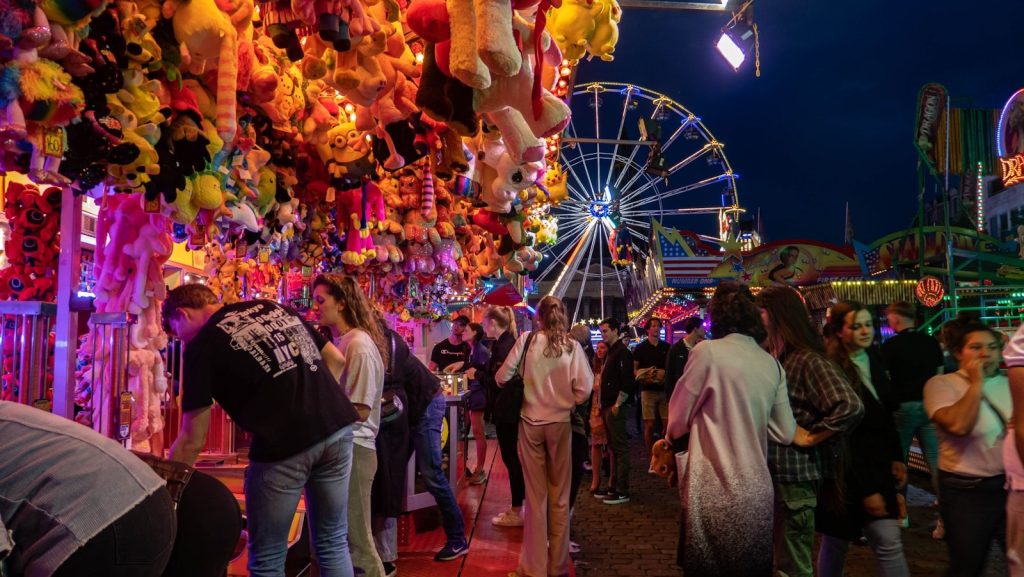
The busiest pathways naturally attract crowds, yet some of the most interesting exhibits sit just beyond them. Heritage buildings, gardening displays, photography contests, and youth competitions often reward curious visitors.
Walking without a strict agenda transforms the fair into something closer to an outdoor museum than an amusement park.
Local Food Can Be More Memorable Than Viral Snacks
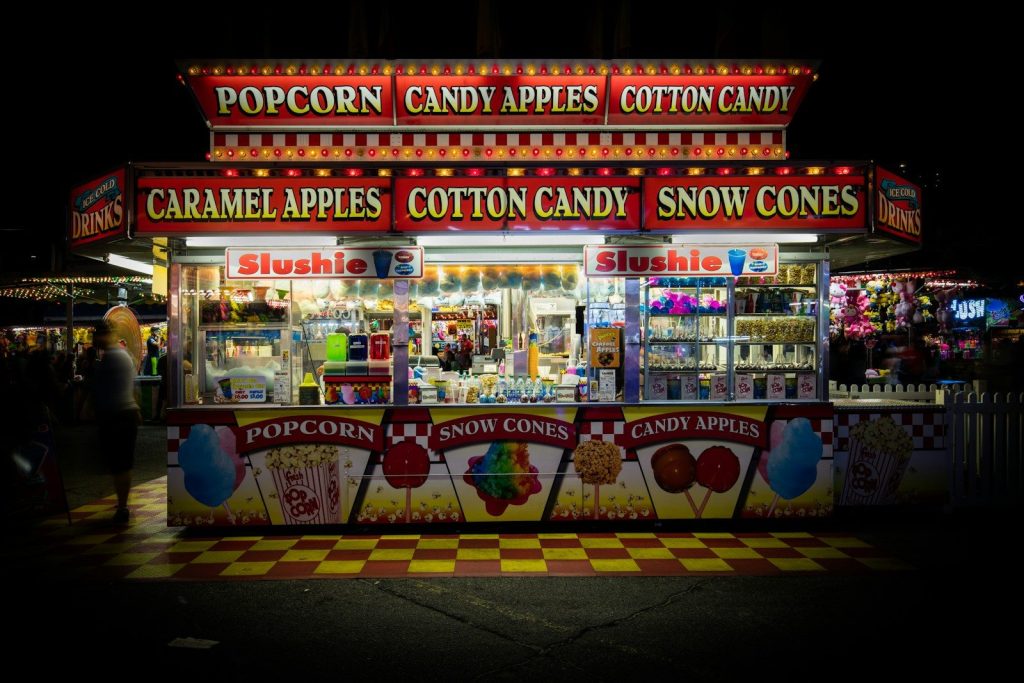
Every year, social media highlights oversized desserts and unusual fried creations. Meanwhile, many family-operated vendors quietly continue serving recipes that have been passed down for generations.
Choosing one signature local specialty instead of chasing every trending item creates a richer experience while keeping your food budget under control.
Watch the Makers, Not Just the Products

Many fairs feature blacksmiths, glass artists, wood carvers, textile workers, or bakers demonstrating their craft. Watching something created from start to finish often becomes more memorable than simply buying the finished product.
These demonstrations also inspire practical skills that visitors can later try at home using inexpensive materials.
Old Fair Traditions Still Teach Modern Lessons
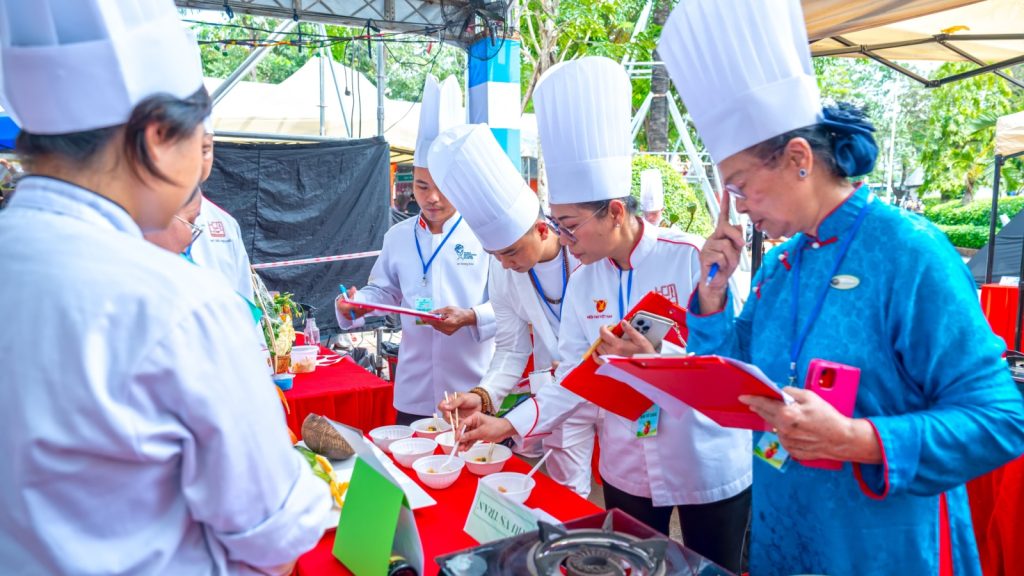
Competitions for baking, gardening, preserving food, sewing, and woodworking were once practical ways for families to exchange knowledge. Today they remind us that everyday skills still hold value in a world filled with disposable products.
Learning even one traditional skill can reduce household costs while making everyday life a little more self-sufficient.
A Fair Feels Different When You Experience Its Original Purpose
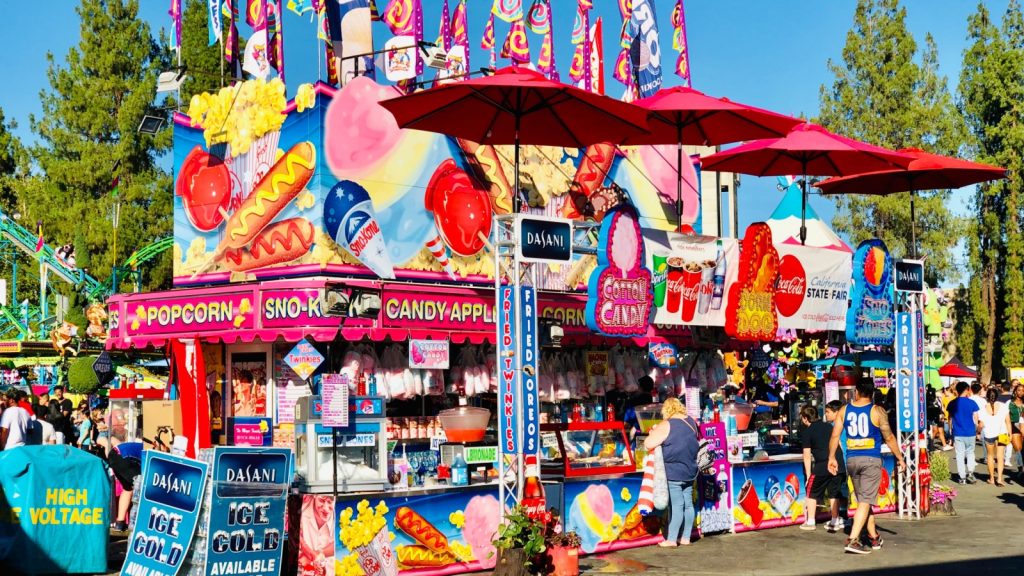
Recent conversations about whether modern state fairs have lost their identity invite visitors to see them through a different lens. Instead of measuring success by how many rides or purchases fit into one day, consider what the fair was originally meant to celebrate.
Community, craftsmanship, local traditions, and shared experiences remain the parts that never go out of style. Those simple moments often deliver the greatest value without requiring the biggest budget.