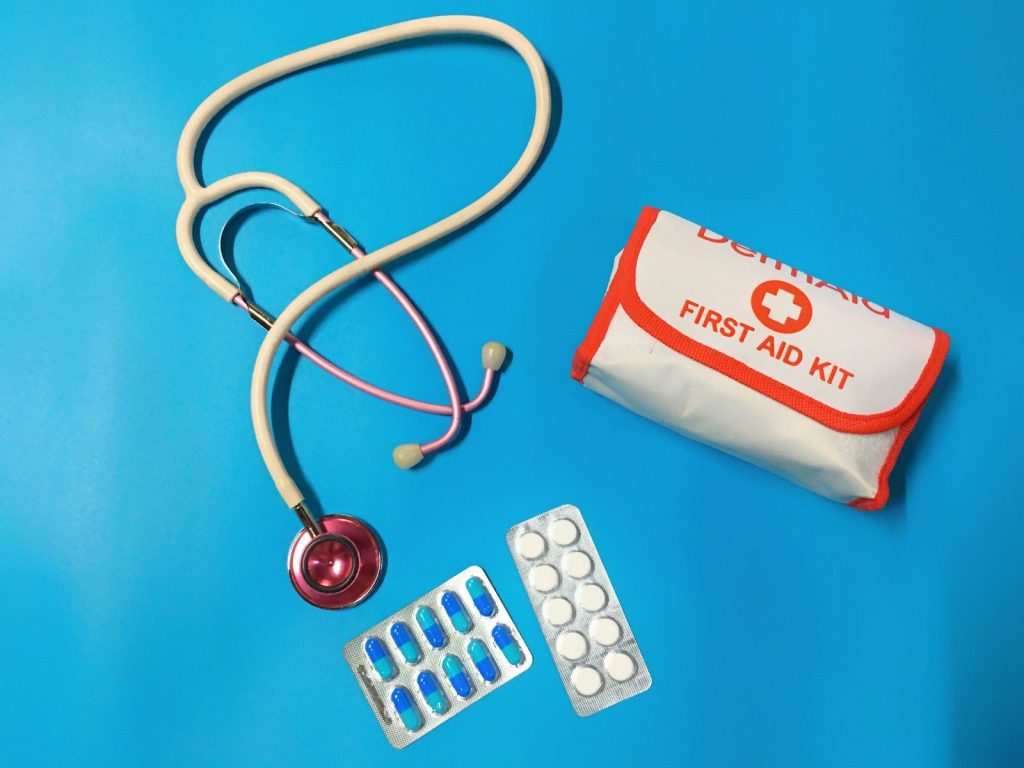

Most households prepare for storms, power outages, or unexpected repairs. Far fewer prepare for disruptions that affect everyday services, appointments, or access to important documents.
Recent debates about immigration, emergency systems, and public services remind us that uncertainty can appear in many forms. A well-organized home can reduce stress long before a problem becomes personal.
Keep Important Documents Together Before You Need Them

Searching for birth certificates, insurance papers, or medical records during a stressful moment wastes valuable time. Many families only realize how scattered everything is when an urgent situation arises.
Create one waterproof folder for essential paperwork and store digital copies in a secure cloud account. This simple habit costs almost nothing but can save hours of frustration.
Build a Small Health Shelf Instead of Waiting for Emergencies
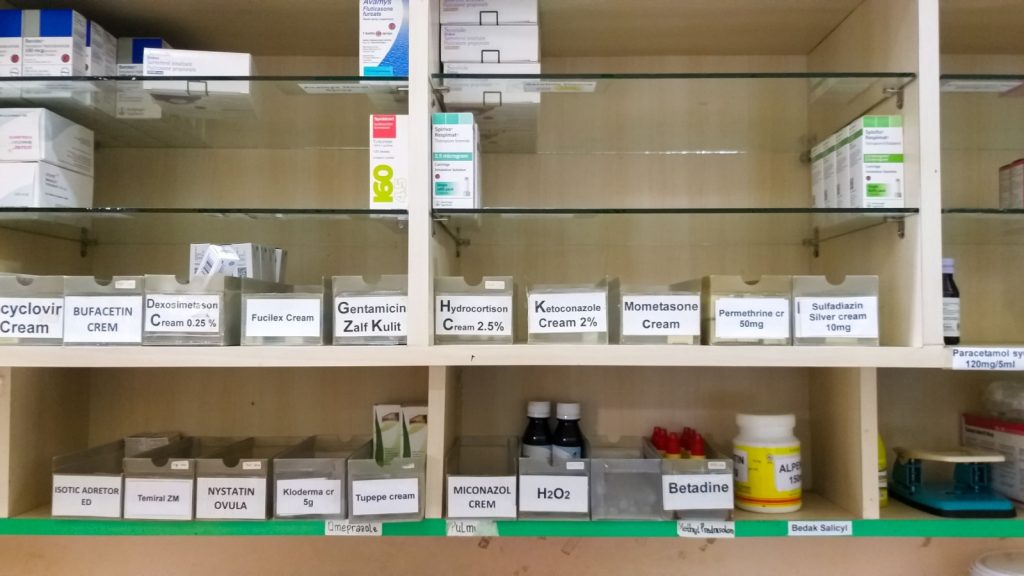
Many medicine cabinets contain expired products but lack everyday essentials. A basic collection of thermometers, bandages, pain relievers, electrolyte packets, and first aid supplies can prevent unnecessary late-night store trips.
Replacing one or two items during each grocery run spreads the cost while keeping your supplies fresh throughout the year.
Learn Which Services Stay Open After Hours

Many people assume every urgent problem requires an emergency room visit. In reality, urgent care centers, nurse hotlines, and twenty-four-hour pharmacies often provide faster and less expensive solutions.
Spend a few minutes saving these locations in your phone before you ever need them. In the future, you will appreciate the preparation.
Create a Family Contact Plan That Does Not Depend on One Phone

Phones run out of battery, networks become overloaded, and contacts disappear when devices fail. Every household should have important numbers written on paper as a backup.
Choose one trusted relative or friend outside your immediate area who can act as the family’s communication point during unexpected events.
Stock Foods That Work Even When Plans Change

Emergency food does not have to mean expensive survival meals. Everyday items like canned beans, peanut butter, rice, crackers, and shelf-stable milk are affordable and easy to rotate into regular meals.
A small reserve also reduces panic buying whenever unexpected disruptions affect shopping routines.
Know Your Neighborhood Before You Need Help

One of the most overlooked emergency resources is the community itself. Friendly neighbors often know local clinics, pharmacies, transportation options, or community organizations that newcomers may not discover on their own.
Building these connections takes little effort but can become incredibly valuable during difficult circumstances.
Practice Small Preparedness Instead of Big Spending
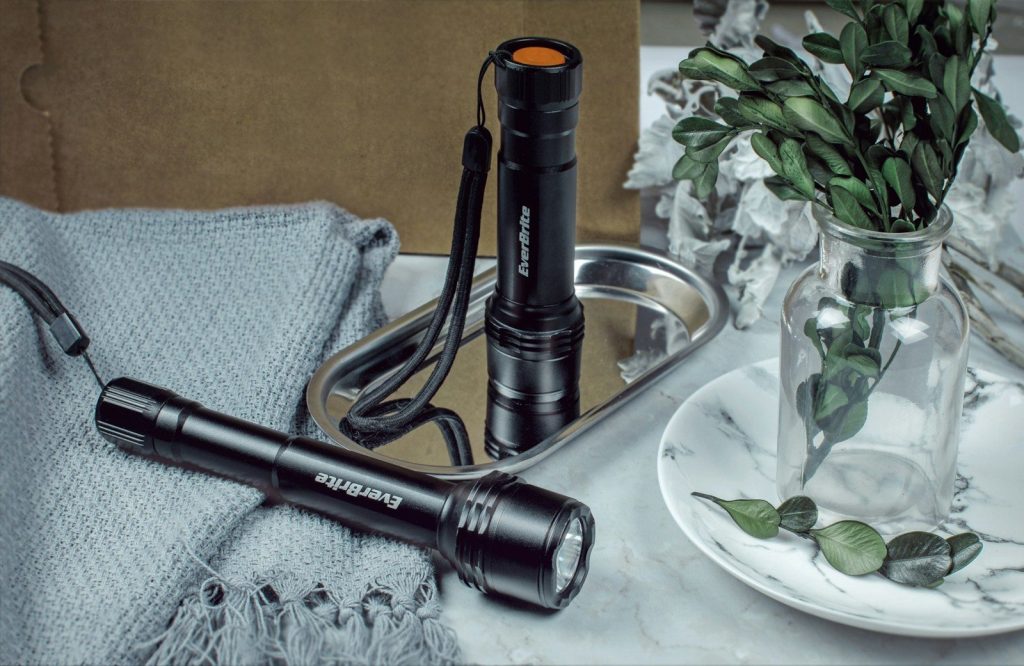
Many people think emergency preparation requires expensive gear. In reality, organization often matters more than buying specialized equipment.
Label storage bins, keep flashlights in consistent places, and check batteries every few months. Small habits frequently make the biggest difference.
Preparation Is About Peace of Mind
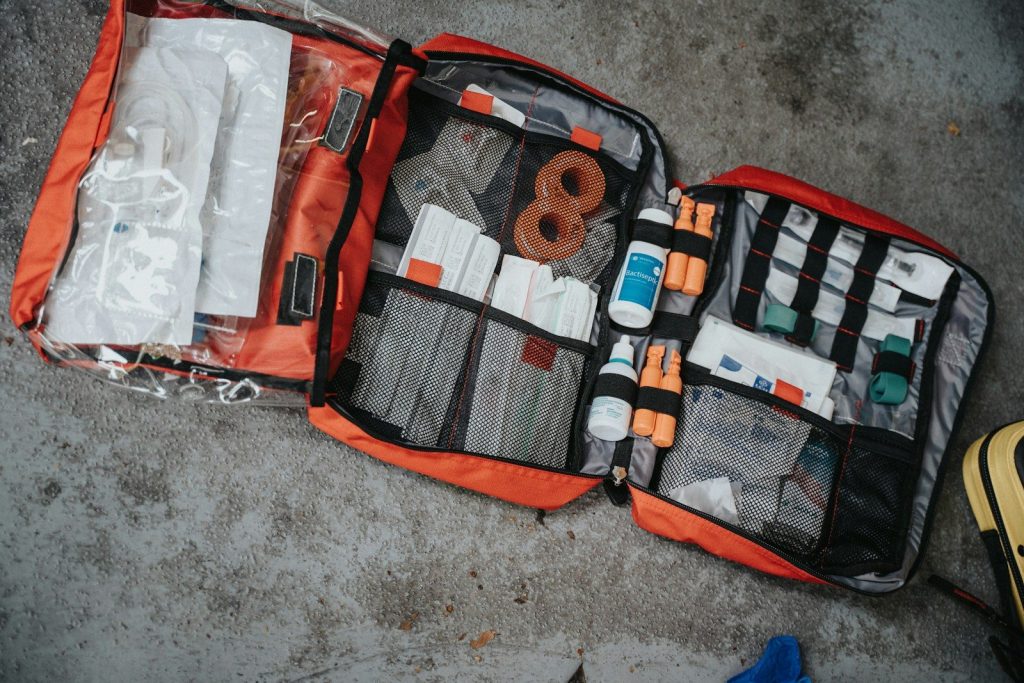
Discussions surrounding immigration rulings often raise broader questions about how communities respond when public systems face additional pressure. Regardless of the cause, unexpected disruptions are easier to manage when households are prepared.
A few thoughtful steps today can save money, reduce stress, and help your family stay confident when everyday life becomes less predictable.