

For many middle-class families, financial pressure rarely comes from one dramatic decision. It usually builds through small habits that feel so ordinary they are almost invisible, making it easy to blame every budget challenge on rising prices alone.
The truth is that some spending patterns have quietly become part of modern life without offering much value. Recognizing these everyday money traps can help you make smarter choices without feeling like you are constantly cutting back.
Treating Every Payday Like a Fresh Start
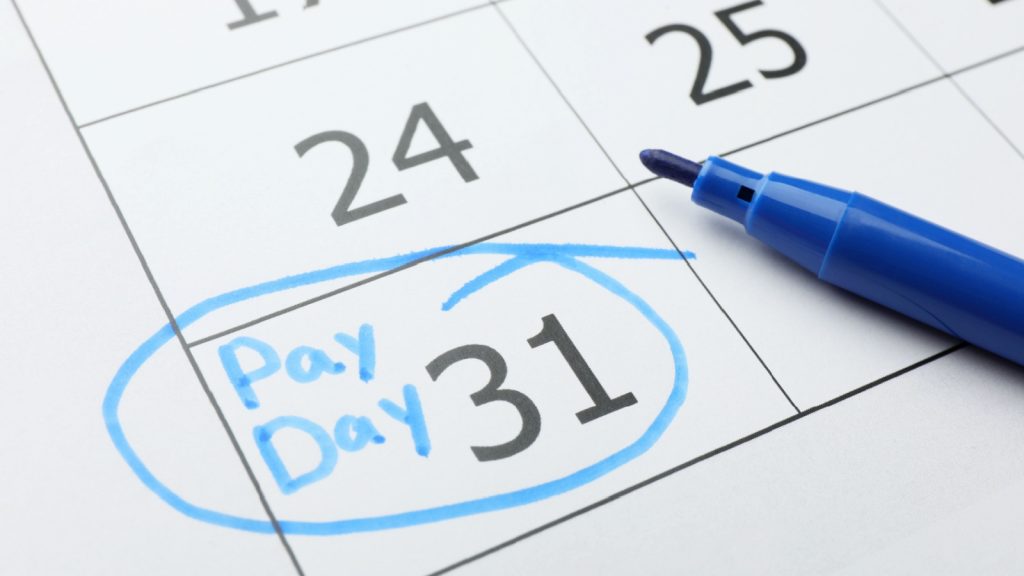
Payday has quietly become an emotional event instead of a financial one. After weeks of watching expenses, many people celebrate with takeout, online shopping, or purchases they delayed, only to wonder where the money went a few days later.
Try giving your paycheck a job before giving yourself a reward. Cover essentials, move something into savings, and then enjoy what is left without guilt. A paycheck feels much bigger when it follows a plan instead of emotions.
Shopping for the Life You Hope to Have

Walk through almost any home, and you will find purchases made for a future version of someone. The expensive blender for daily smoothies, the craft supplies for a new hobby, or the exercise equipment used twice all started with good intentions.
Before buying something, ask whether it fits your current routine rather than your ideal one. Spending based on today’s habits usually creates more value than investing in tomorrow’s possibilities.
Believing Convenience Is Always Worth Paying For
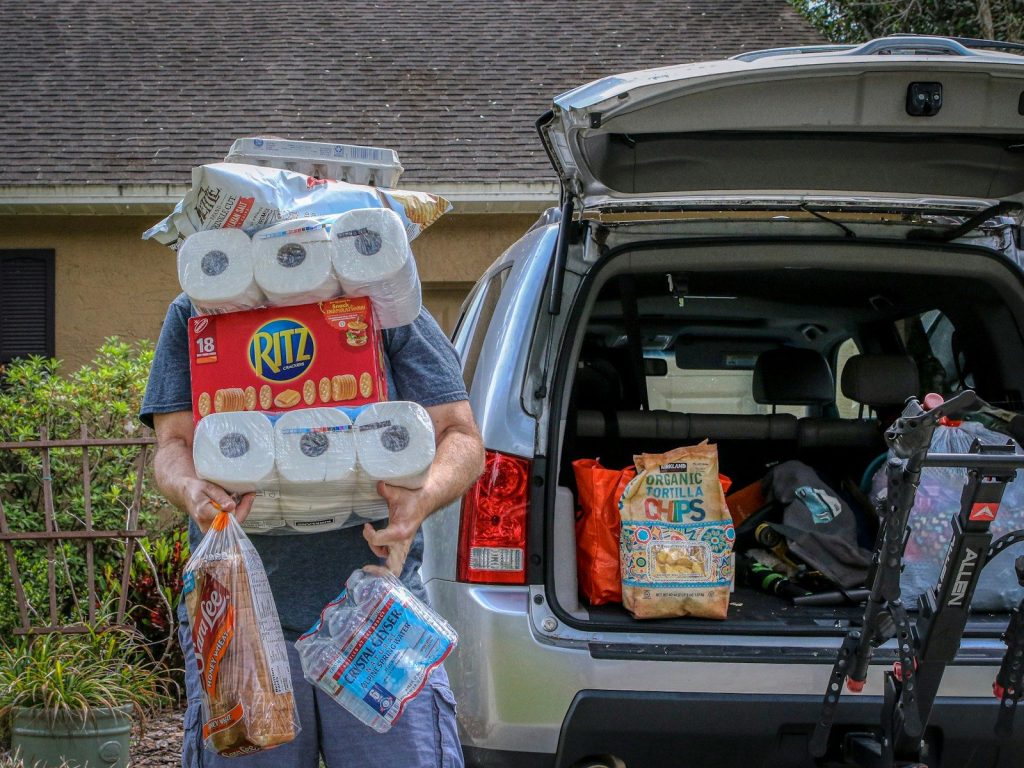
Modern life offers countless ways to save time, but convenience often arrives with a hidden price. Grocery delivery, prepared meals, express shipping, and pre-cut produce each seem like small upgrades until they become everyday habits.
Instead of eliminating convenience altogether, choose where it truly matters. Saving time on your busiest day may be worthwhile, while paying for the same shortcut every week often becomes an unnoticed expense.
Letting Clutter Turn Into Duplicate Spending

Clutter creates a surprising financial problem because hidden items are often treated as if they no longer exist. Families buy more batteries, tape, chargers, or pantry staples simply because they cannot find the ones they already own.
Think of organizing as a money-saving project instead of a decorating project. Every item you rediscover is one less item you need to buy again, making an organized home surprisingly valuable.
Confusing a Good Deal With a Good Decision

A discount feels exciting because it creates the impression of saving money. Yet buying something simply because it is on sale still costs more than buying nothing at all. The bargain only becomes valuable if the purchase was already part of your plan.
The next time you see a tempting offer, ask yourself one question. Would you still buy it if it were full price today? The answer often reveals whether the discount is helping your budget or your emotions.
Making Every Occasion an Excuse to Spend

Modern culture has quietly attached spending to almost every milestone. Promotions, birthdays, holidays, sports victories, and even stressful weeks often become reasons to shop, order food, or plan expensive outings.
Try separating celebration from spending once in a while. A homemade dinner, a family game night, or a walk through a favorite park can create lasting memories without adding another charge to your credit card.
Chasing Tiny Savings While Missing Bigger Ones

Many shoppers proudly save a dollar with a coupon but overlook habits that cost far more each month. Forgotten subscriptions, spoiled groceries, and unused purchases quietly drain budgets while attracting very little attention.
Look for patterns instead of one-time savings. Fixing one recurring expense usually has a greater impact than finding another temporary discount, making your efforts feel more rewarding.
Thinking Wealth Is Built Through Big Moments

People often imagine financial success comes from promotions, bonuses, or unexpected opportunities. While those events certainly help, lasting financial stability is more often built through ordinary decisions repeated consistently over time.
The middle class rarely loses ground because of one expensive purchase. It happens when unnoticed habits become permanent routines. Paying attention to those everyday choices is one of the simplest ways to protect your budget while making every dollar work harder.