

Some people save money by hunting for deals, while others build simple habits that quietly shape every spending decision. One famous business leader became known for choosing practicality over appearances, proving that everyday choices can have lasting value.
His approach was not about going without. It was about avoiding waste, appreciating usefulness, and making thoughtful decisions that anyone can borrow for daily life.
Choose Value Before Status

Owning successful businesses did not change his belief that expensive items were not always better. He often preferred practical purchases that served their purpose without adding unnecessary cost.
That mindset can help anyone today. Looking past brand names and focusing on quality and function often stretches a household budget much further.
See Secondhand Shopping Differently
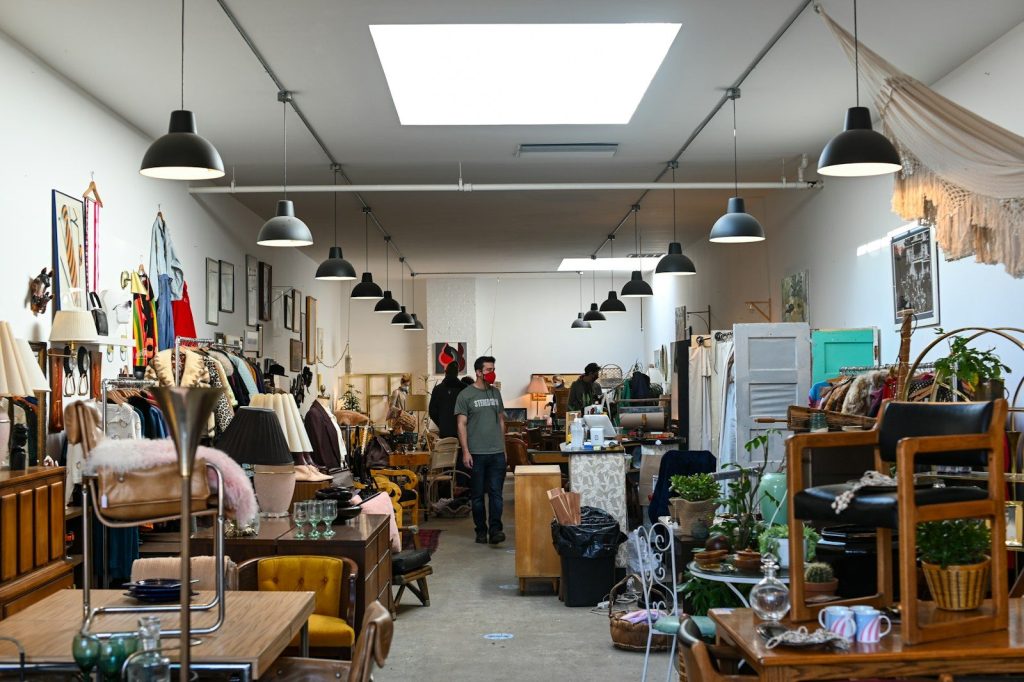
Instead of avoiding flea markets, he viewed them as places filled with useful finds. Good clothing or household items did not lose their value simply because someone owned them first.
Browsing resale shops, thrift stores, or community sales can uncover durable products while reducing waste and keeping perfectly useful items in circulation.
Waste Less Every Day
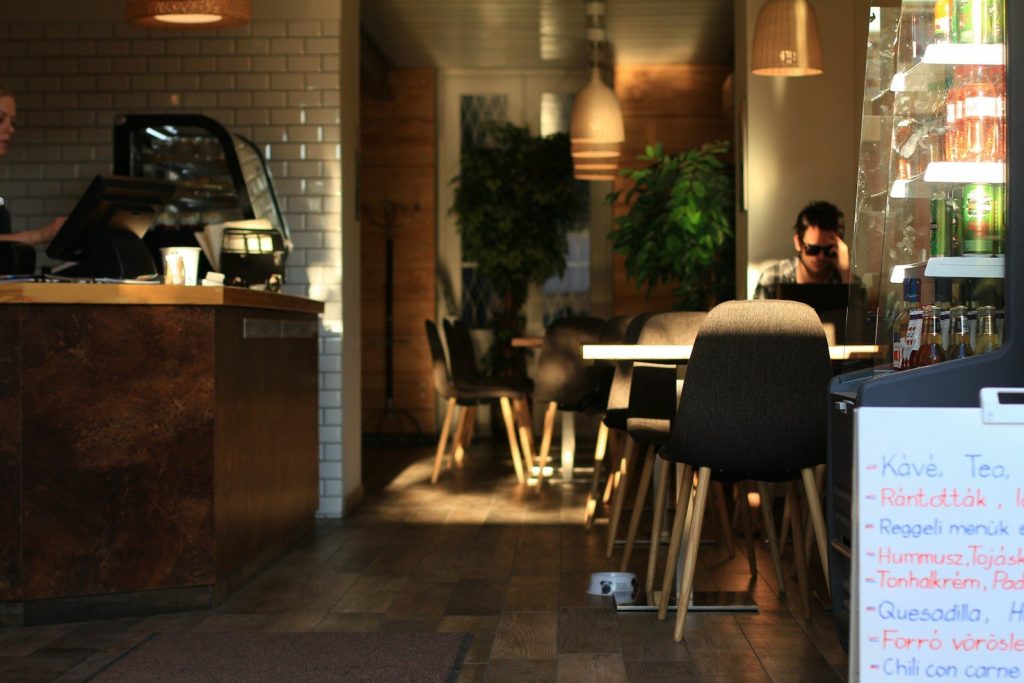
Small habits often reveal how people think about money. Even everyday restaurant items that others ignored became reminders that resources should not be wasted.
Rather than collecting things without purpose, apply the same idea at home by using leftovers, organizing pantry items, and finishing products before replacing them.
Keep Daily Routines Simple

Simple living does not require giving up comfort. It often means avoiding purchases that add little real benefit while focusing on what improves everyday life.
Before buying something new, ask whether it solves a genuine problem or simply creates another item to manage. That question alone can prevent unnecessary spending.
Let Practicality Guide Decisions

Many people assume wealth automatically leads to luxury. His habits showed that financial success does not require expensive routines if simpler options work just as well.
Whether choosing household supplies, clothing, or furniture, practical thinking usually delivers better long-term value than impulse buying.
Make Small Savings Add Up

Saving money rarely depends on one dramatic decision. Small choices repeated consistently often produce the biggest results over time.
Packing lunch more often, repairing usable items, and comparing prices before shopping are easy examples that fit naturally into busy routines.
Appreciate What You Already Own
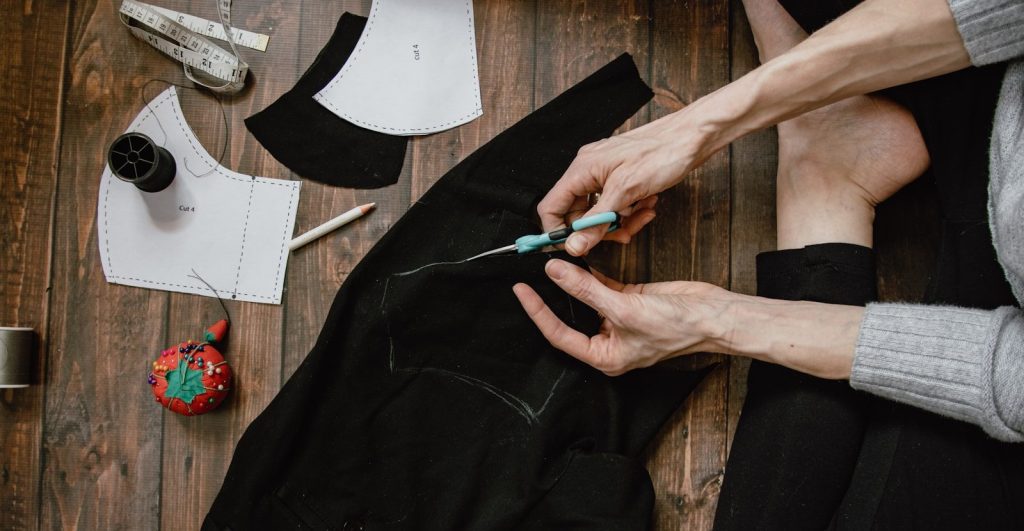
A resourceful mindset encourages people to care for belongings instead of replacing them too quickly. Maintaining clothing, furniture, and everyday tools often extends their useful life.
This habit not only reduces spending but also limits clutter, making homes feel more organized and easier to manage.
Build Habits That Last

The most memorable lesson is not about avoiding every expense. It is about spending with intention and recognizing that thoughtful choices create lasting value.
Living well does not always require buying more. Sometimes the smartest path is simply making better use of what is already within reach.