

No one knows exactly what the future holds for retirement benefits, but one thing is certain. Building practical habits today can make tomorrow’s budget much easier to manage, regardless of what changes may come.
The best part is that these ideas do not require a major lifestyle change. Small adjustments made consistently can help stretch every dollar and reduce financial stress over time.
Cooking More Meals at Home Can Save Hundreds Each Month

Restaurant meals and takeout are convenient, but they often cost far more than home-cooked food. Preparing simple meals at home gives you greater control over both your budget and your nutrition.
Cooking extra portions also creates leftovers for future lunches. That means fewer last-minute food purchases and less wasted money.
Buying Store Brands Can Lower Grocery Bills Without Sacrificing Quality

Many store brand products offer similar quality to national brands at a noticeably lower price. Comparing labels instead of logos can lead to meaningful savings over the course of a year.
Those extra dollars may seem small at first, but they can help strengthen your retirement savings or cover everyday expenses.
Reducing Food Waste Keeps More Money in Your Pocket
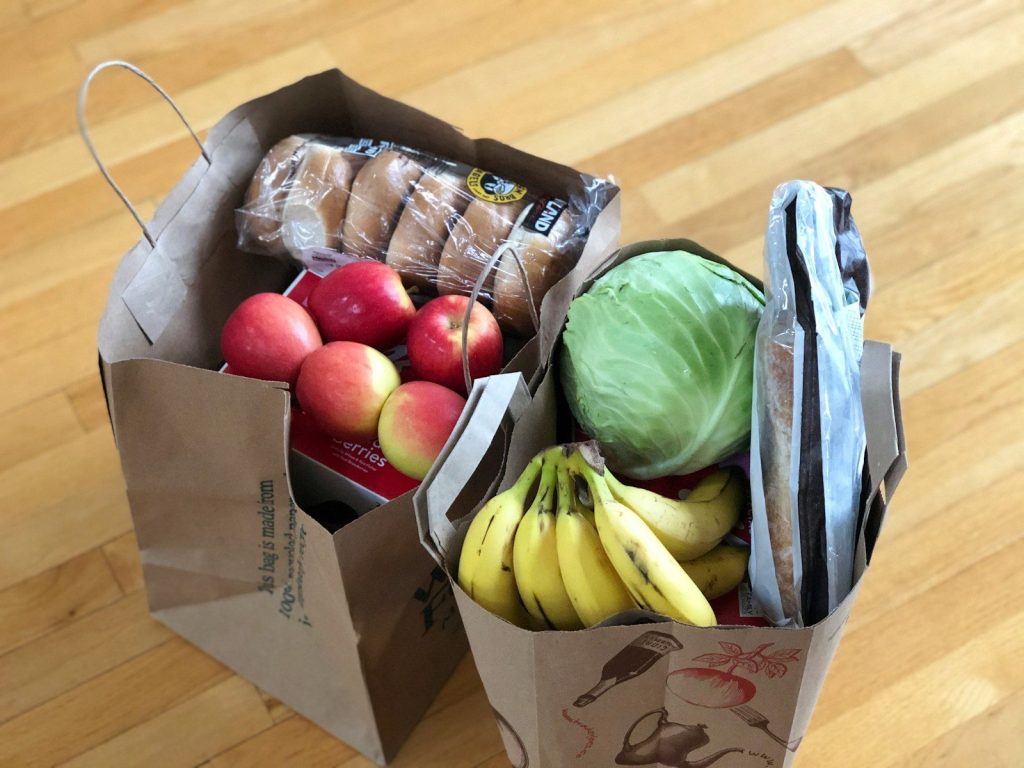
Throwing away spoiled groceries is like throwing away cash. Planning meals before shopping helps you buy only what you are likely to use.
Keeping older items at the front of the refrigerator is a simple habit that encourages you to use them before they expire.
Free Community Resources Can Replace Paid Entertainment

Libraries offer much more than books. Many provide movies, digital magazines, online learning, and community events at no cost.
Choosing free local activities instead of paid subscriptions is an easy way to enjoy yourself while protecting your budget.
Repairing Before Replacing Often Pays Off
Not every broken household item needs to be replaced immediately. Simple repairs can often extend the life of furniture, clothing, or small appliances for very little money.
Taking a few minutes to fix something today may postpone a much larger purchase tomorrow.
Shopping Secondhand Can Stretch Your Budget Further
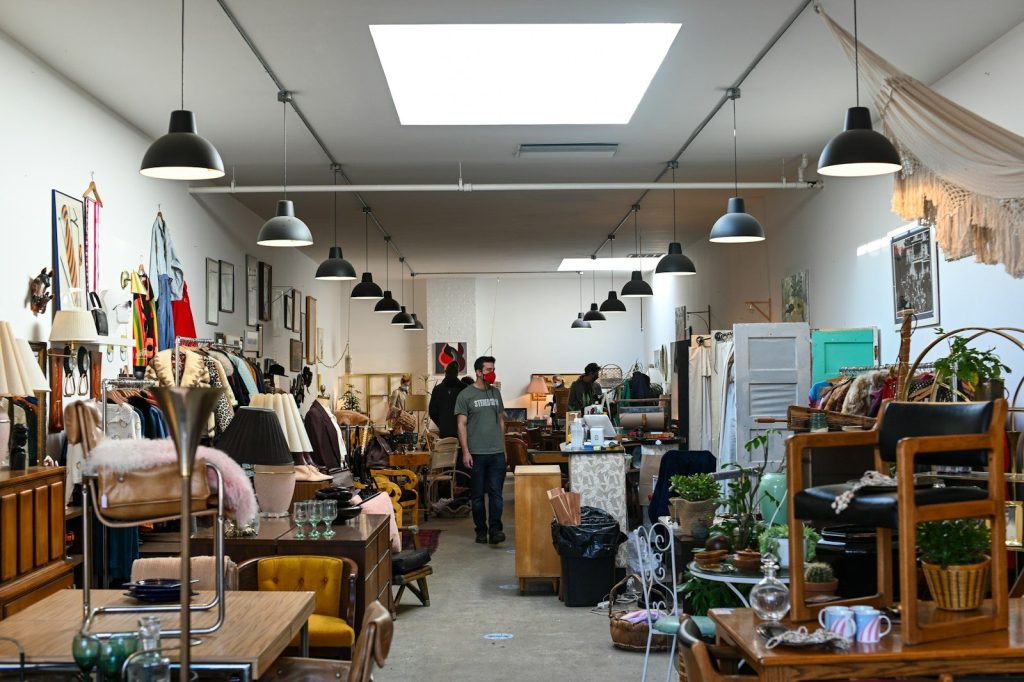
Quality furniture, kitchen items, and home decor are often available at thrift stores and resale shops for a fraction of retail prices. Buying gently used items keeps costs low without giving up quality.
Many experienced savers make secondhand shopping their first stop instead of their last option.
Planning Your Weekly Errands Saves More Than Fuel

Grouping errands into one trip reduces unnecessary driving and fuel costs. It also helps limit impulse purchases that often happen during extra shopping trips.
A little planning each week can save both money and valuable time.
Growing Simple Herbs Adds Flavor Without Extra Grocery Costs

Fresh herbs are among the most expensive items in many produce sections, yet they are easy to grow in small pots or on a sunny windowsill. Even a few basic herbs can reduce repeat grocery purchases.
While no one can predict future retirement income with certainty, practical habits like these make it easier to live well on whatever income you have.