

Owning a home has become more expensive in ways many people never expected. Beyond the mortgage, everyday costs like insurance, repairs, utilities, and maintenance can quietly put pressure on any household budget.
While you cannot control market prices, you can control how you manage your home. These practical habits can help you keep more money in your pocket while protecting one of your biggest investments.
Home Maintenance Can Prevent Costly Repairs Later
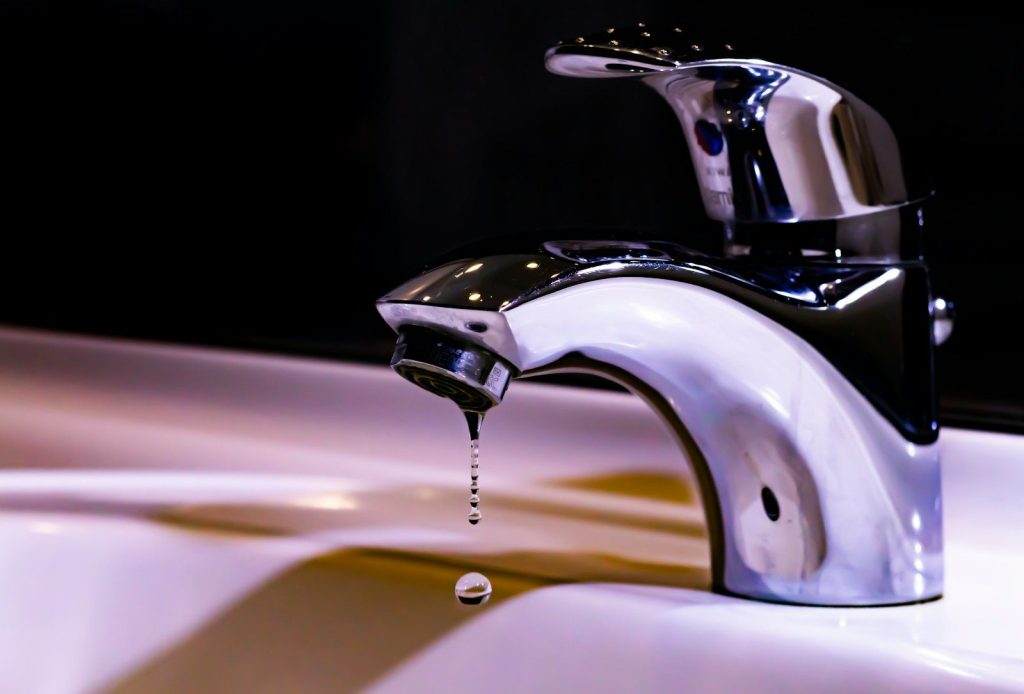
Small problems rarely stay small for long. A dripping faucet, loose roof shingle, or clogged gutter can become a much bigger expense if ignored.
Set aside time every season to inspect your home. Catching issues early often costs far less than waiting until repairs become urgent.
Energy Saving Habits Can Lower Bills Every Month
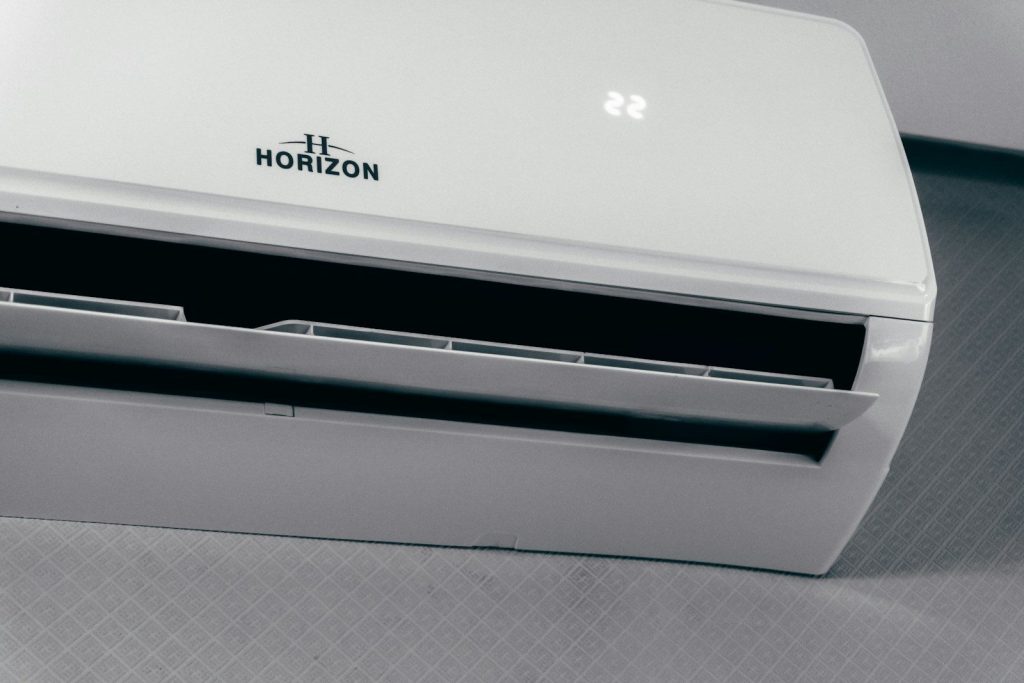
Heating and cooling are among the biggest household expenses. Simple changes like sealing drafts, replacing air filters, and turning off unused lights can reduce energy waste.
Lower utility bills free up money for other household needs. Even modest savings become significant over the course of a year.
Shopping Around for Insurance Could Reduce Annual Costs
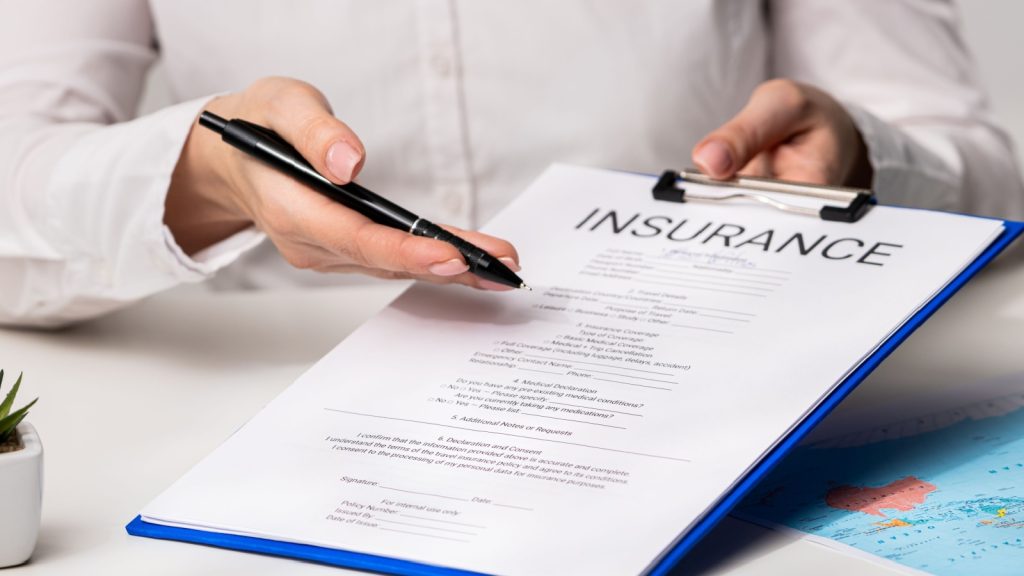
Many homeowners renew insurance policies without comparing prices. Reviewing your coverage every year may reveal better rates or discounts that fit your needs.
The goal is not simply finding the cheapest policy. It is finding the best value for the protection your home requires.
A Home Repair Fund Can Reduce Financial Stress
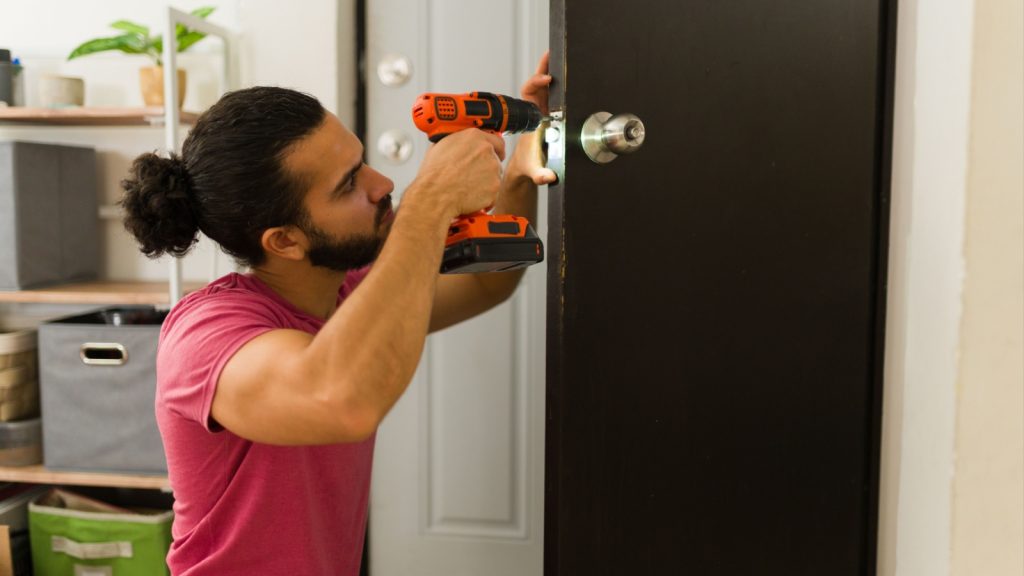
Unexpected repairs are part of homeownership. Setting aside a little money each month creates a dedicated fund for future maintenance.
Having cash ready means you are less likely to rely on credit cards when something breaks.
Taking Care of Appliances Helps Them Last Longer
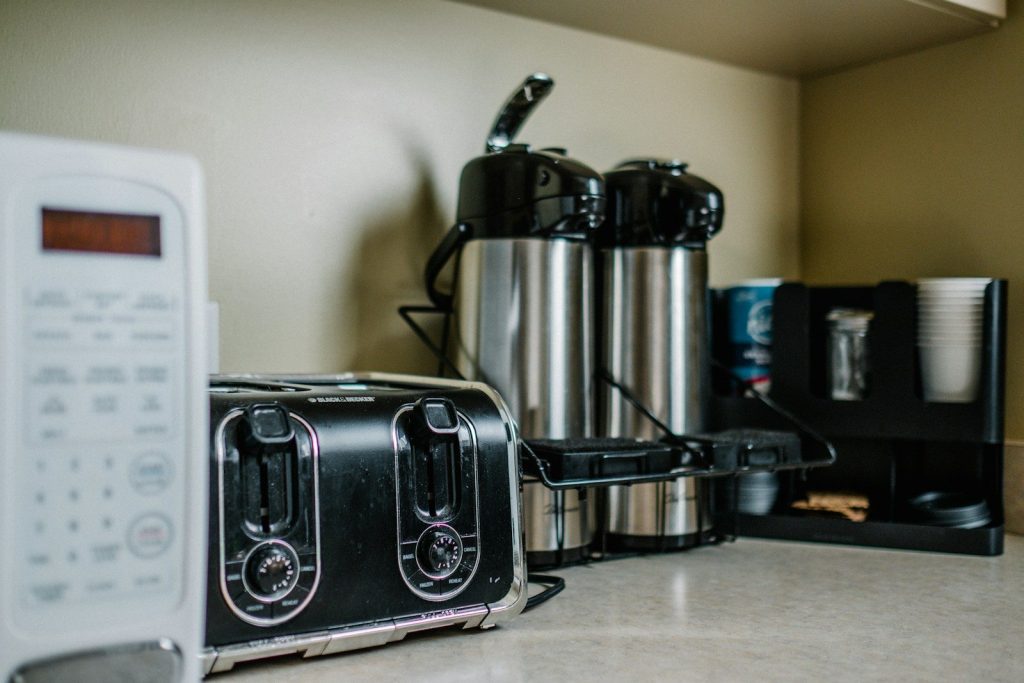
Replacing major appliances is expensive, but regular cleaning and simple maintenance can extend their lifespan. Vacuuming refrigerator coils or cleaning dryer vents are easy examples.
A few minutes of care today may postpone a costly replacement for years.
Buying Better Quality Can Save Money Over Time
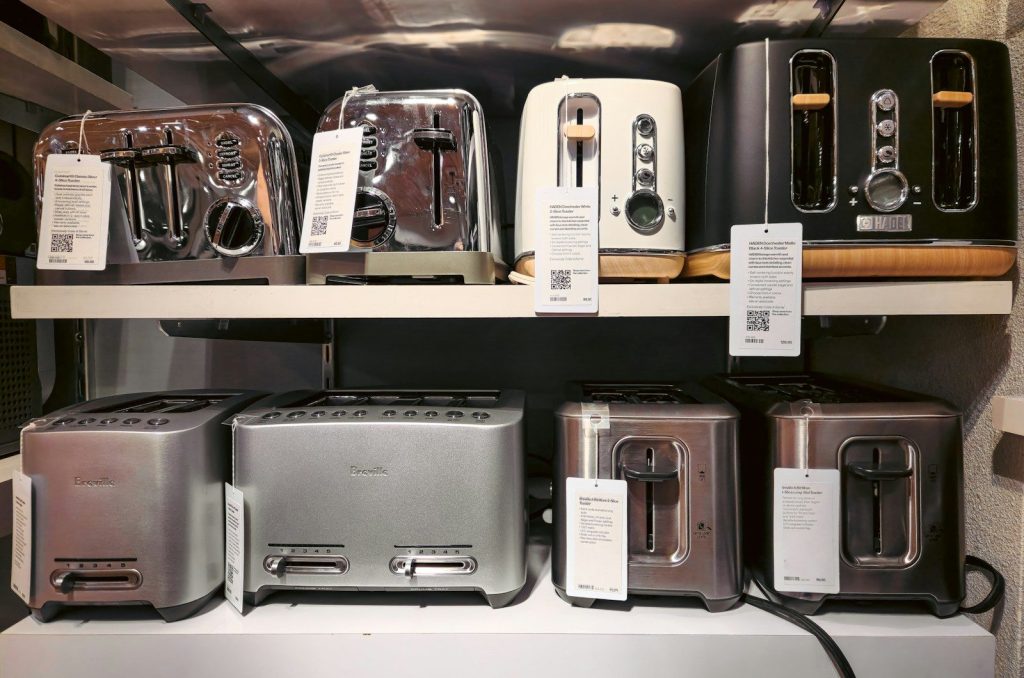
Choosing the cheapest option is not always the most affordable decision. Durable tools, fixtures, and household items often last much longer than lower-quality alternatives.
Replacing products less often reduces waste while helping your budget stretch further.
Outdoor Maintenance Protects More Than Your Yard
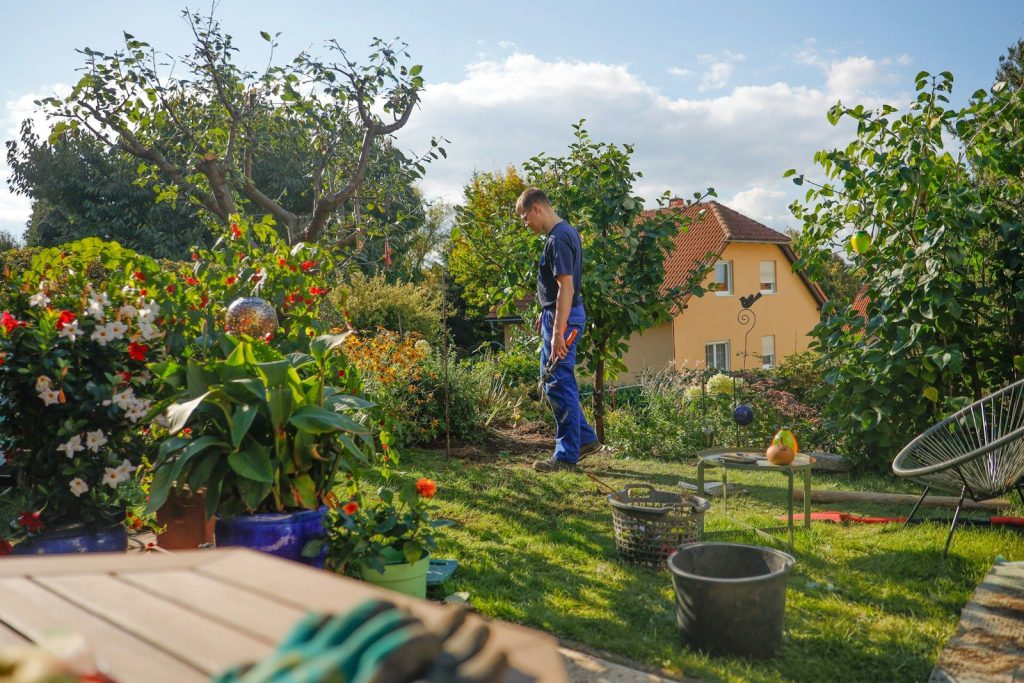
Keeping trees trimmed, clearing gutters, and directing water away from your home helps prevent expensive structural damage. These simple tasks also improve your home’s appearance.
Regular outdoor care is often far less expensive than repairing water or foundation problems later.
Small Improvements Add Up to Long-Term Savings
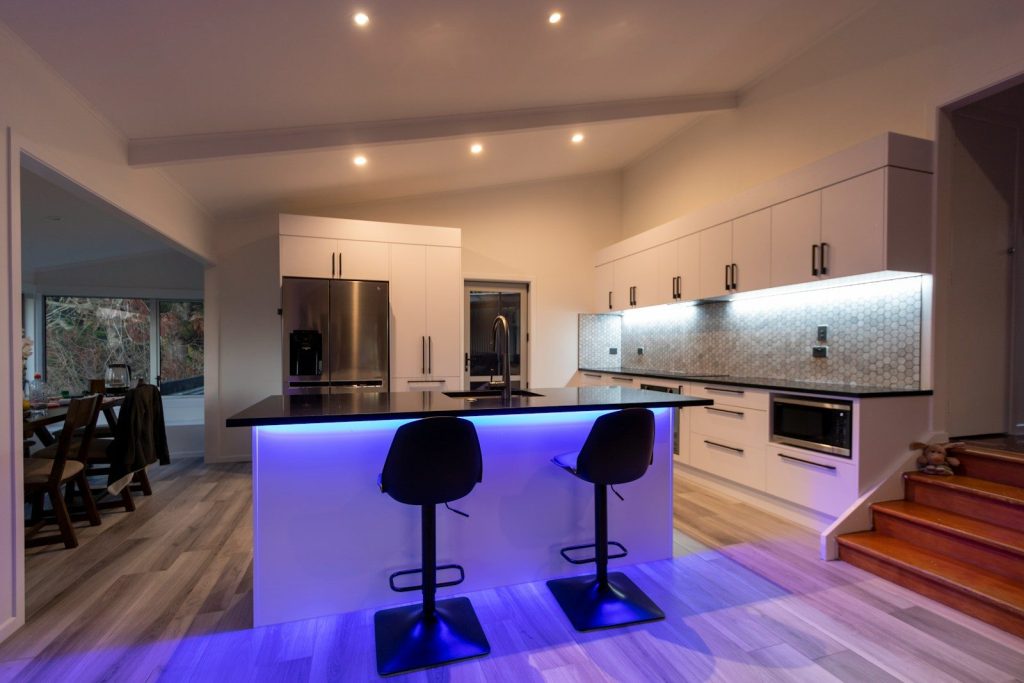
You do not need a major renovation to reduce household costs. Simple upgrades like weather stripping, LED lighting, and water-saving fixtures can improve efficiency without a large investment.
When homeownership becomes more expensive, practical habits often provide the greatest value. Small improvements made consistently can make your home easier and more affordable to maintain.