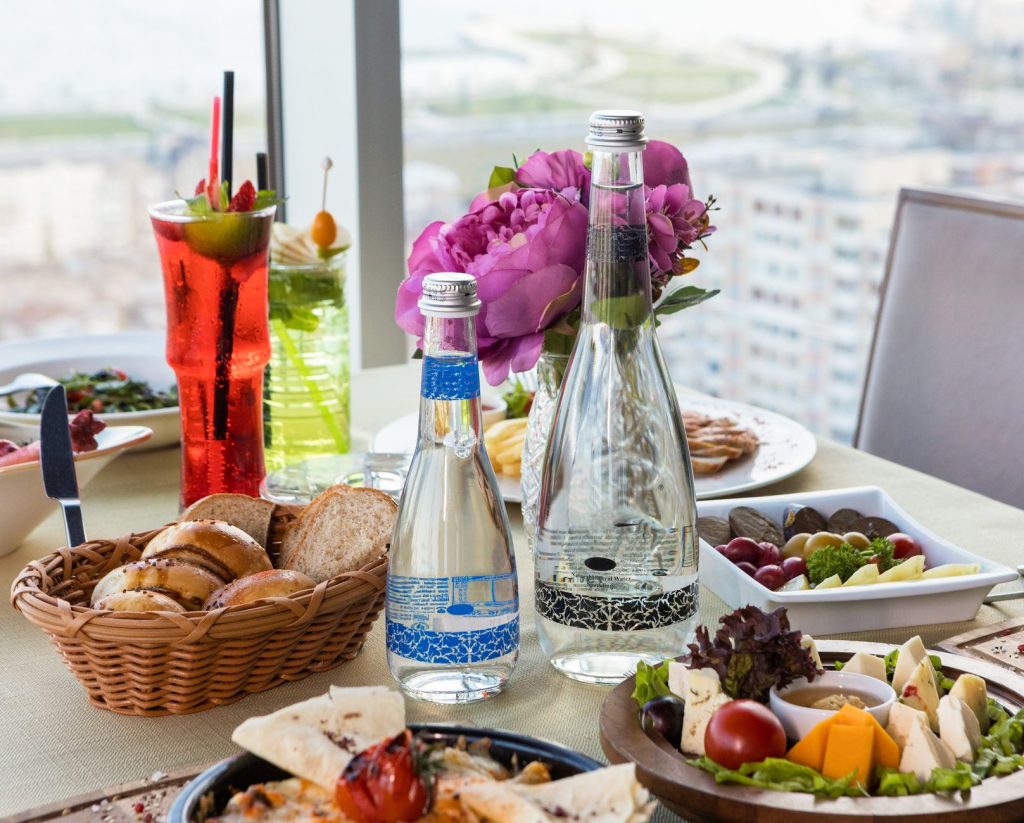

The entree price is only part of the story. Drinks, upgrades, fees, and ordering habits can quietly push a casual meal past the number you had in mind.
A restaurant bill rarely jumps because of one shocking charge. More often, it creeps up through small decisions that feel harmless in the moment: a drink, a shared plate, a better side, or an easier way to order. None of these choices are automatically wrong, but they are worth noticing if you are trying to keep a simple meal affordable.
Here are eight common restaurant choices that can make the final total feel higher than planned, plus what to check before you say yes.
Bottled Sparkling Water
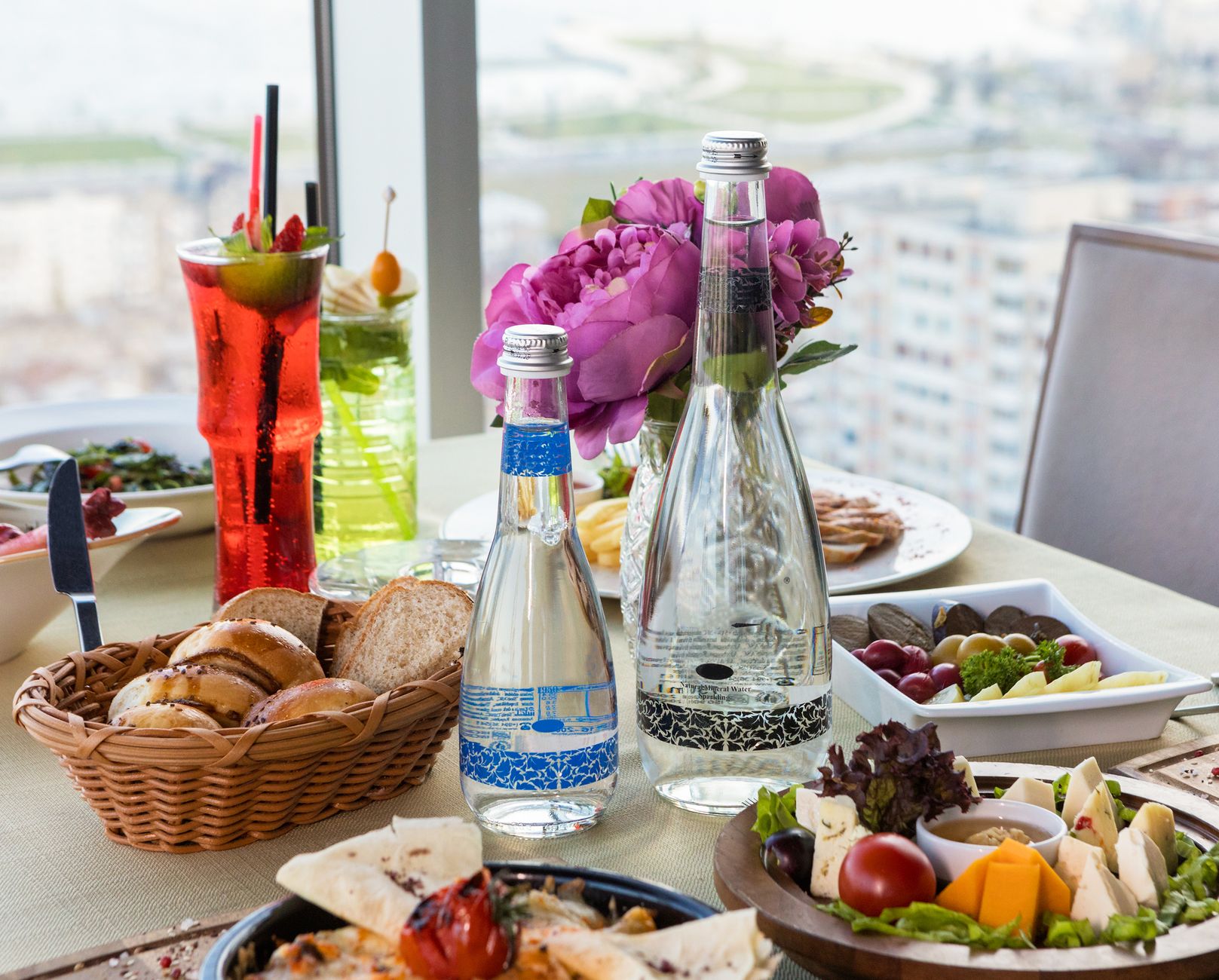
Bottled sparkling water can feel like a small upgrade, especially when a server offers it before you have settled into the menu. The surprise comes when one bottle becomes two, or when the table assumes refills work like regular tap water. At many restaurants, sparkling water is priced more like a beverage order than a basic courtesy.
- Why it matters: it can add a noticeable charge before the meal starts.
- Who it affects: groups, date nights, and diners who are not watching drink prices closely.
- What to check: ask whether still tap water is available before agreeing to bottled service.
The Shared Appetizer
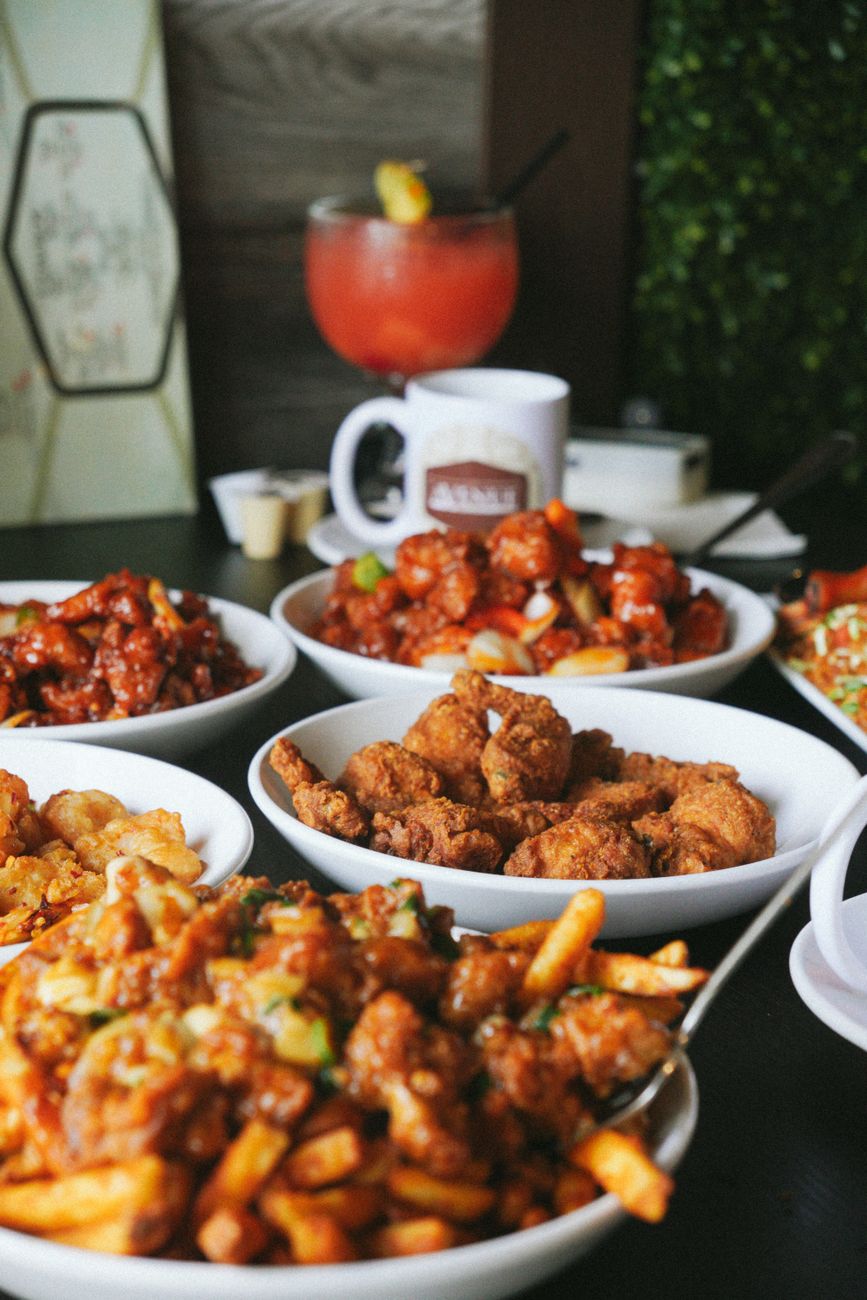
A shared appetizer sounds economical because everyone gets a few bites. The catch is that it often gets added on top of full entrees, drinks, and maybe dessert. Fried calamari, sliders, dips, wings, and charcuterie boards can cost nearly as much as a main dish, especially at casual restaurants that price shareables for groups.
- Why it matters: it turns a quick meal into a multi-course order.
- Who it helps to skip: diners who are not especially hungry or are trying to keep lunch modest.
- What can go wrong: the table orders it automatically, then still orders the same size entrees.
The Premium Protein Swap
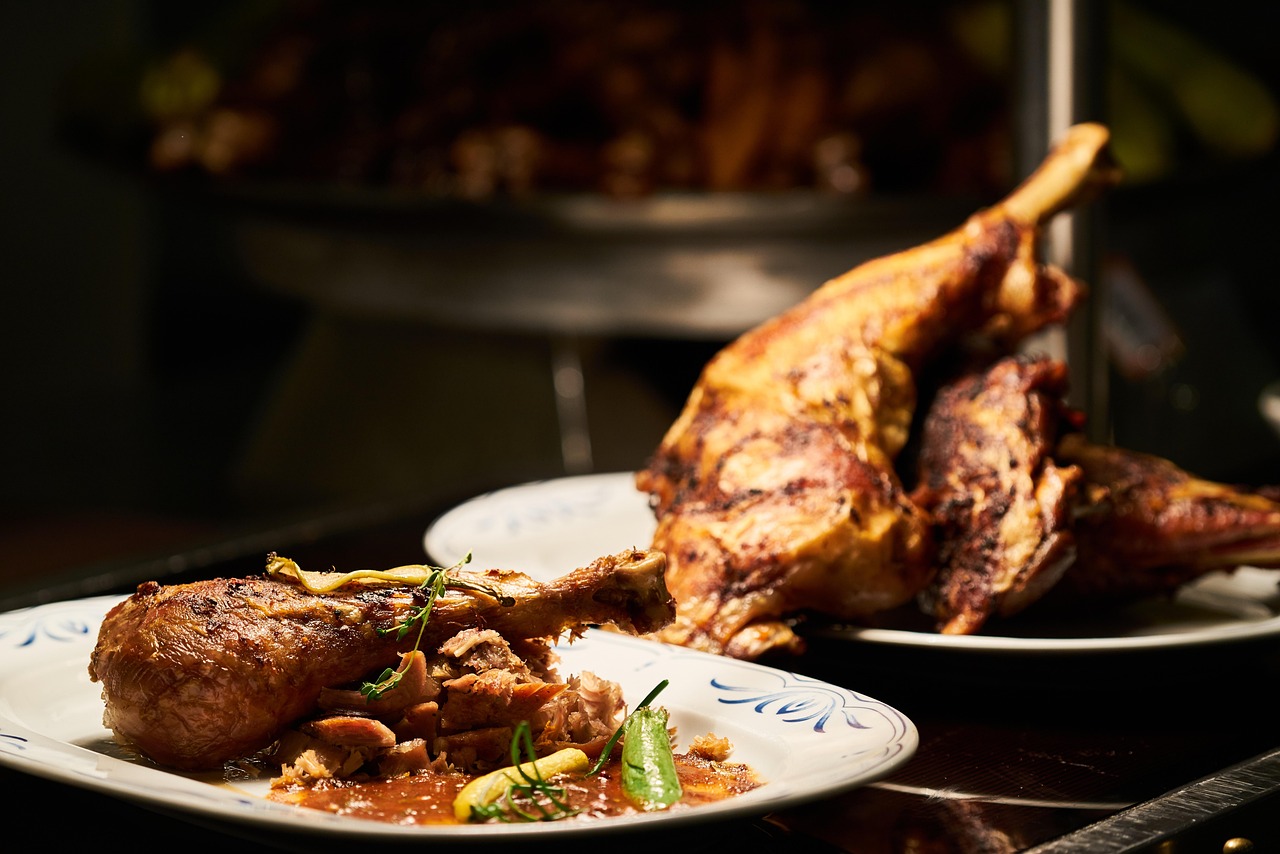
Menu upgrades often look minor when they are written as a short note under the entree. Swapping chicken for steak, adding shrimp to pasta, choosing salmon over a standard protein, or turning a salad into a protein-heavy meal can quickly change the real price. The base dish may be affordable, but the upgraded version may no longer be the simple meal you planned.
- Why it matters: the final plate may cost far more than the menu headline suggests.
- Who it affects: diners comparing items by the first price they see.
- What to check: scan for add-on amounts before choosing the upgraded protein.
The Side Upgrade
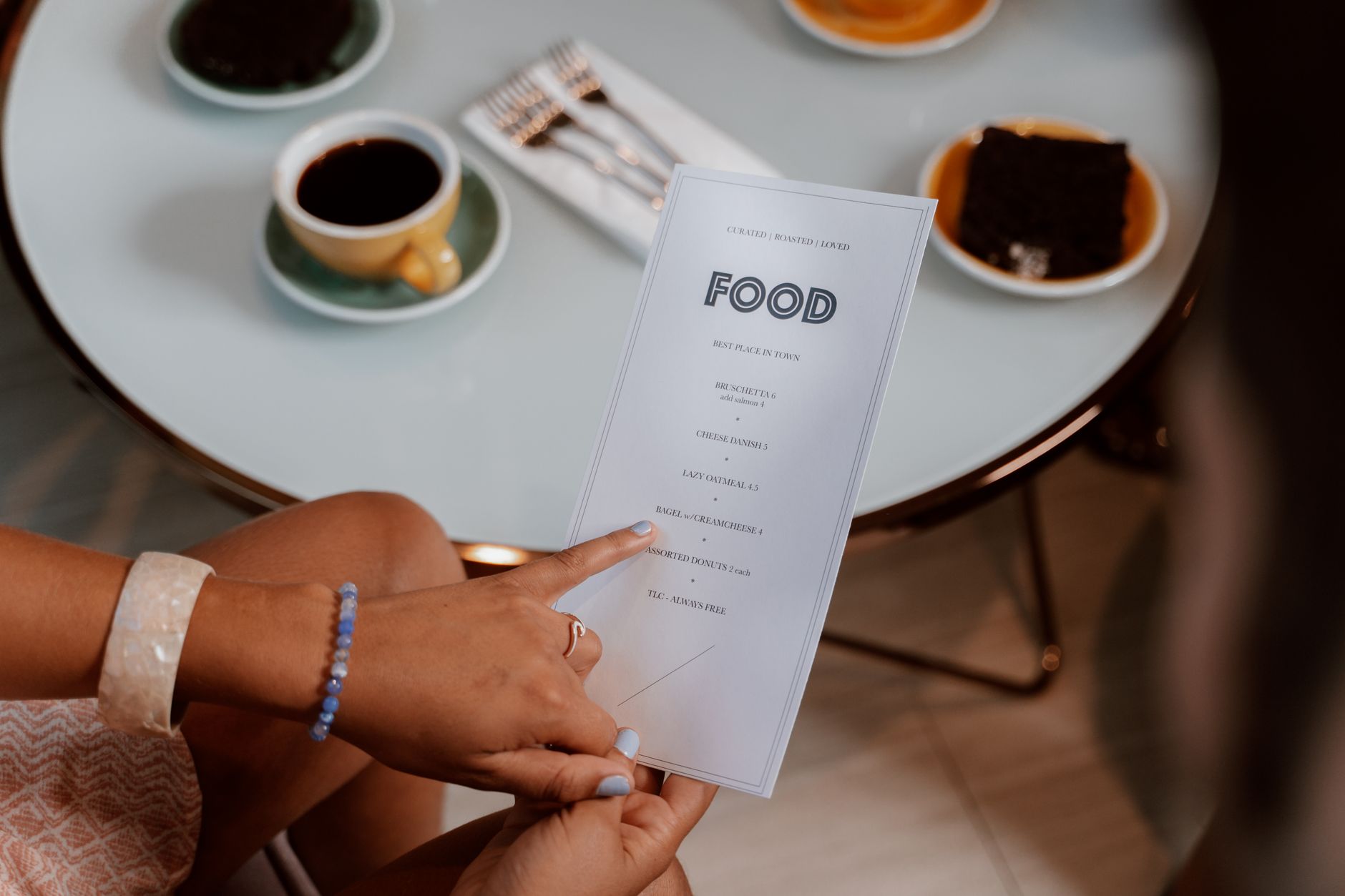
Side upgrades are easy to overlook because they are usually offered casually. Fries instead of chips, a salad instead of standard potatoes, truffle fries, loaded mashed potatoes, onion rings, or seasonal vegetables may each carry an extra charge. The amount may be small alone, but it stacks up fast across several people at the table.
- Why it matters: small add-ons can raise the check without changing the main order.
- Who it affects: families and groups where everyone customizes a plate.
- What to check: ask whether the substitution is included or costs extra.
The Second Drink
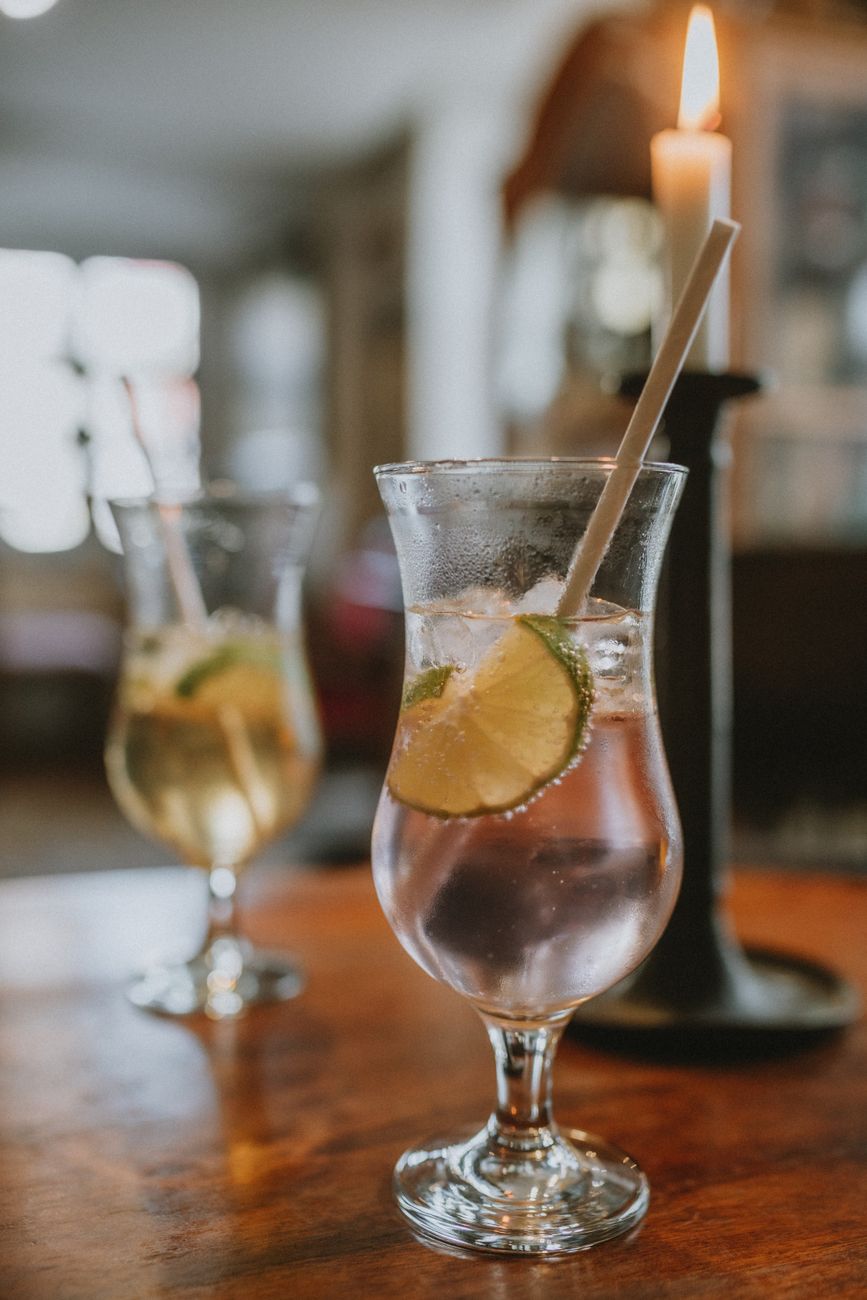
One drink can be part of the plan. The second drink is often where the bill changes character. Cocktails, wine, beer, specialty lemonades, mocktails, and espresso drinks may be priced close to an appetizer. If drinks arrive before food, it is easy to order another round while waiting, especially in a group where no one wants to be the first to stop.
- Why it matters: beverages can rival food costs at many restaurants.
- Who it affects: couples, after-work diners, and groups lingering at the table.
- What to check: look at drink prices before ordering a second round automatically.
The Prix Fixe Menu
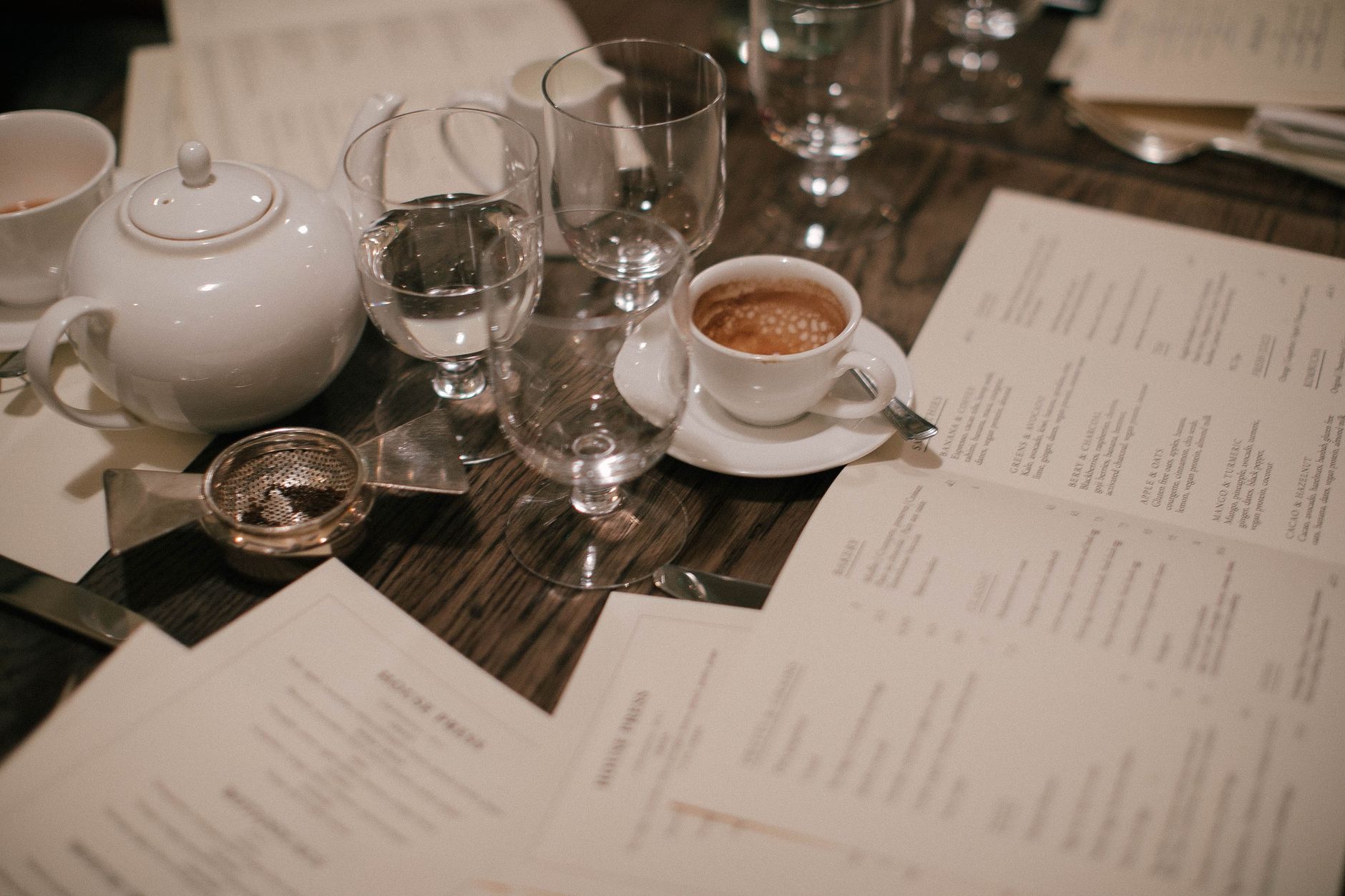
A prix fixe menu can be a good value when you truly want every course. It becomes expensive when you were planning on one entree and end up paying for an appetizer, dessert, and extras you would not have chosen separately. Some menus also exclude beverages, tax, gratuity, or supplements for popular dishes.
- Why it matters: the set price may not represent the full amount you will pay.
- Who it affects: diners booking holiday meals, date nights, or special promotions.
- What to check: read what is included, what costs extra, and whether a la carte ordering is available.
The Delivery App Order
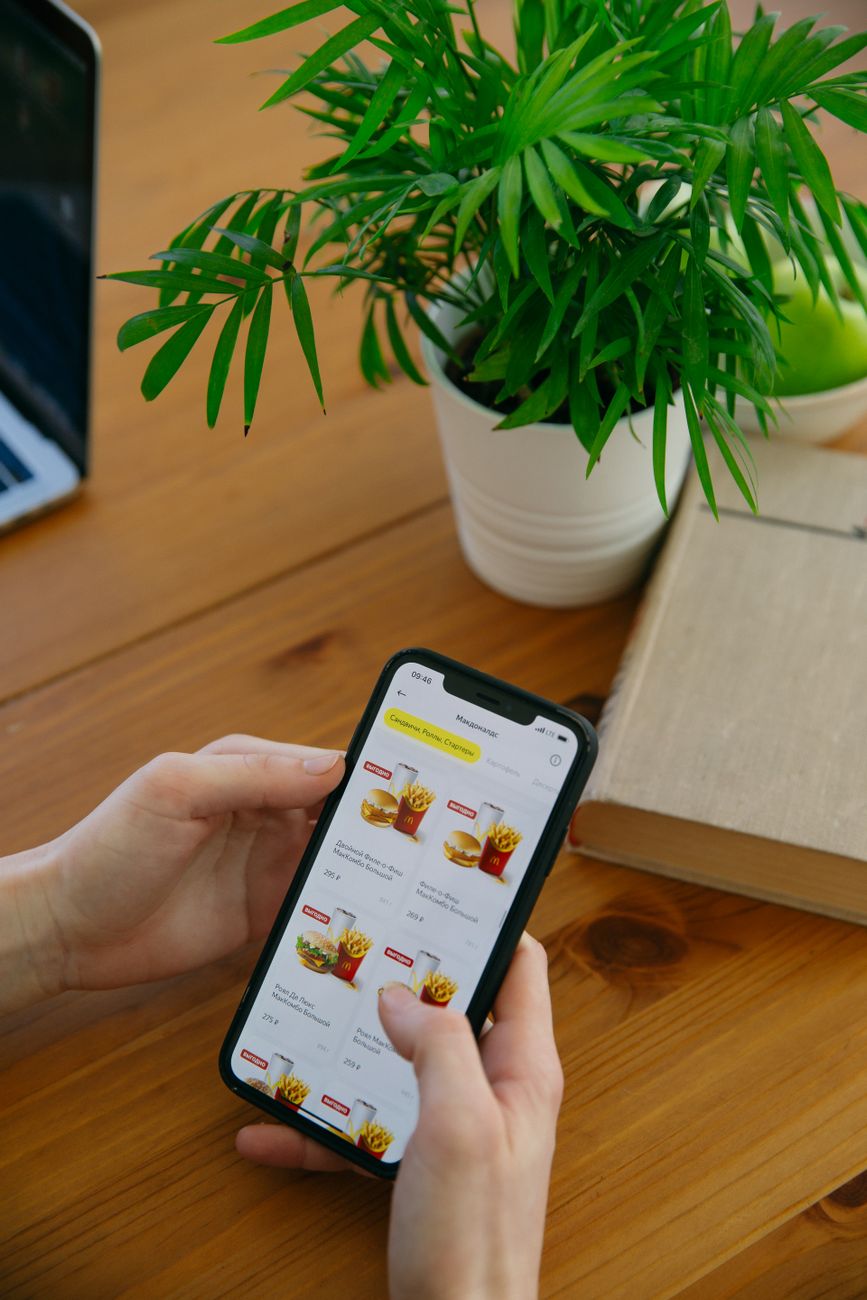
Ordering through a delivery app can be convenient, but the meal price may not match what you would pay by calling the restaurant or picking up in person. Menu markups, service fees, delivery fees, small-order fees, and tips can make a simple sandwich or bowl feel surprisingly expensive by checkout.
- Why it matters: the total can climb before you notice the final screen.
- Who it affects: busy households, office workers, and anyone ordering alone.
- What to check: compare pickup, direct ordering, and delivery totals before tapping place order.
The Large-Party Table

Dining with a group can make spending harder to control. Shared appetizers, bottles for the table, birthday desserts, and split checks can blur who ordered what. Some restaurants also add automatic gratuity or service charges for larger parties, which may be clearly stated on the menu but easy to miss while socializing.
- Why it matters: your share may reflect the group’s choices, not just your meal.
- Who it affects: birthday dinners, work gatherings, and extended-family meals.
- What to check: ask about split checks, automatic gratuity, and shared items before ordering begins.
Restaurant spending is easier to manage when you treat the menu price as the starting point, not the total. Before ordering, scan for add-ons, ask about substitutions, and look at the final checkout screen if you are using an app. The goal is not to make every meal bare-bones. It is to choose the extras you actually want, instead of paying for ones you barely noticed.