

The cheapest repair is not always the frugal one. These common shortcuts can turn small household problems into bigger expenses.
A quick patch can feel like a win when money is tight, especially when the problem looks small. But some home fixes only cover symptoms, delay the real repair, or create a new issue behind the wall, under the sink, or inside the breaker panel.
The goal is not to panic over every drip or crack. It is to know which budget fixes deserve a second look before they turn into repeat purchases, emergency calls, or damage that costs much more than the original problem.
Peel-and-Stick Roof Patches

Peel-and-stick roof patches can be useful for a very short emergency, but they are often mistaken for a real repair. A strip of tape over cracked flashing or missing shingles may slow water for a while, yet moisture can still travel under layers and soak decking, insulation, or ceiling drywall.
- Why it costs more: Hidden water damage spreads quietly and may not show up until stains, moldy smells, or sagging appear inside.
- What to check next: Look in the attic after rain, inspect flashing around vents and chimneys, and get a proper roof assessment if leaks return.
A cheap patch is safest when treated as a temporary stopgap, not the final fix.
Caulked-Over Bathroom Leaks
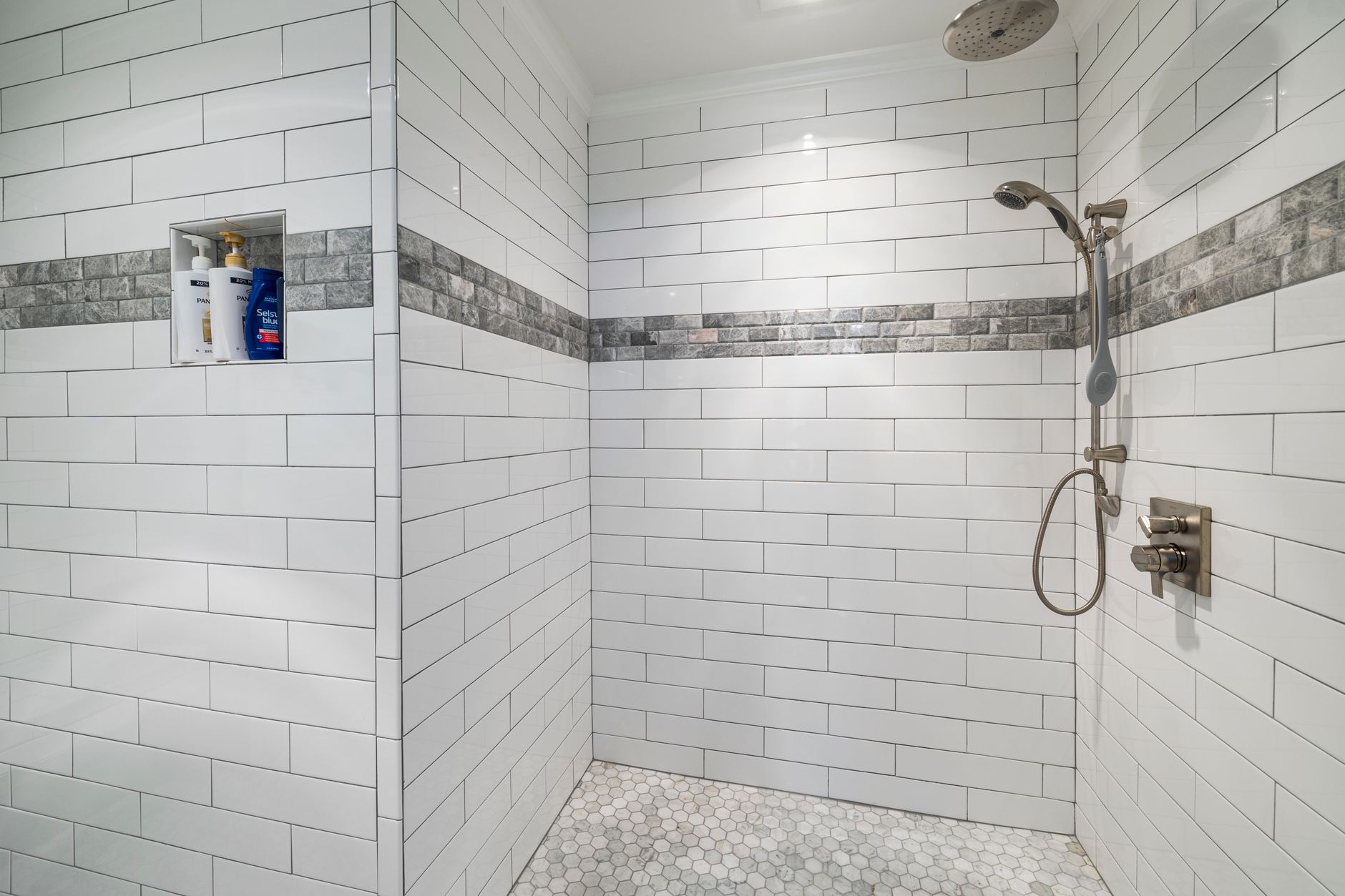
Fresh caulk can make a bathroom look cleaner in minutes, which is why it is such a tempting low-cost fix. The problem is that caulk only seals the surface. If a valve, supply line, loose tile, or cracked grout is letting water behind the wall, a new bead of caulk may simply trap moisture where you cannot see it.
- Who it affects: Homeowners with older showers, second-floor bathrooms, or soft flooring near the tub should be especially cautious.
- What can go wrong: Subfloor damage, loose tile, swollen trim, and recurring mildew can all follow a leak that was covered instead of found.
Caulk is maintenance; leak diagnosis is repair.
Painted-Over Wall Stains
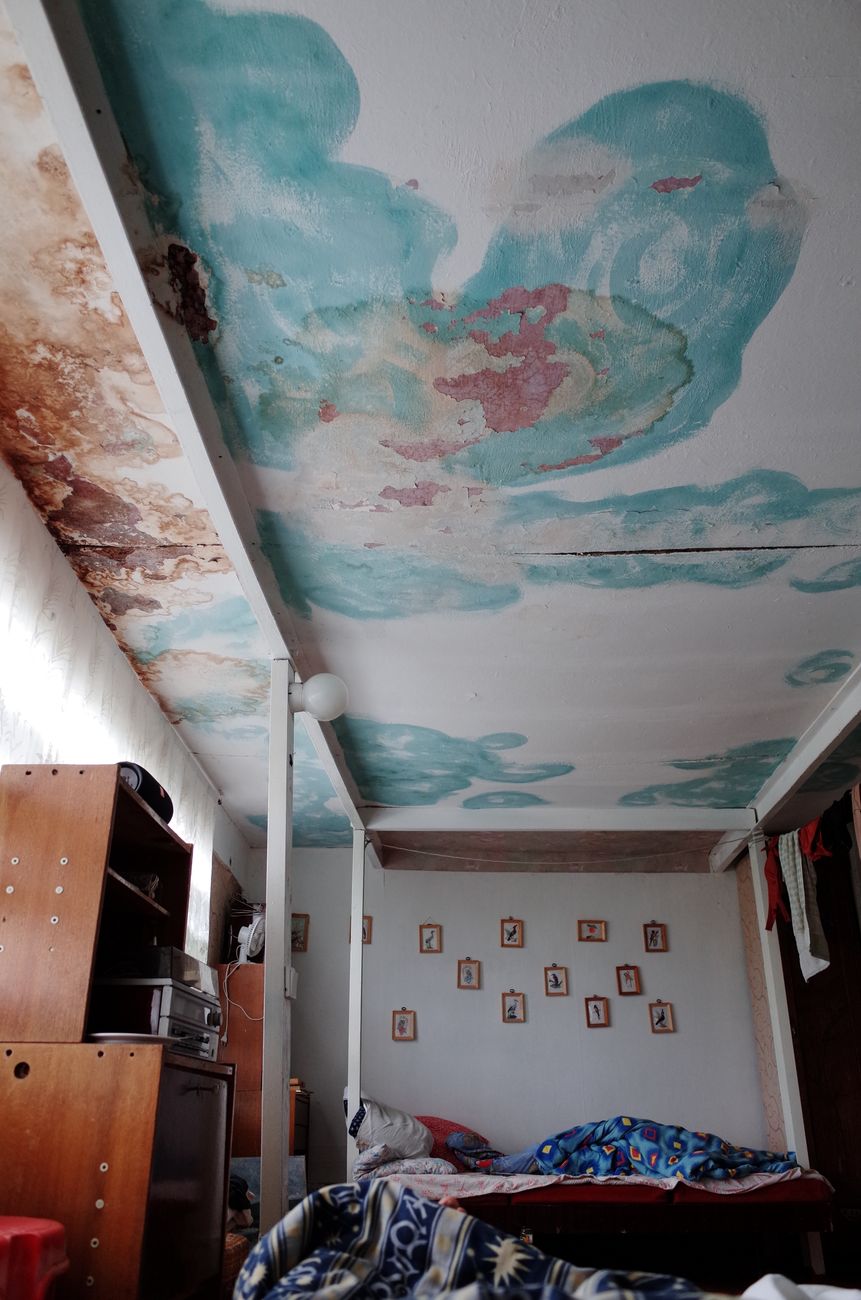
Painting over a stain can make a room look fixed before guests arrive or before a home showing, but stains usually have a history. A brown ceiling mark, bubbling paint, or recurring shadow on drywall can point to a roof leak, plumbing drip, condensation issue, or past overflow that was never fully dried.
- Why it matters: Paint hides evidence. It does not dry insulation, repair pipe joints, or stop moisture from returning.
- What to check next: Confirm the source is fixed, use a moisture meter if available, and watch whether the mark returns after storms, showers, or laundry cycles.
If a stain keeps coming back, the wall is giving you a bill before it arrives.
Extension Cord Overloads
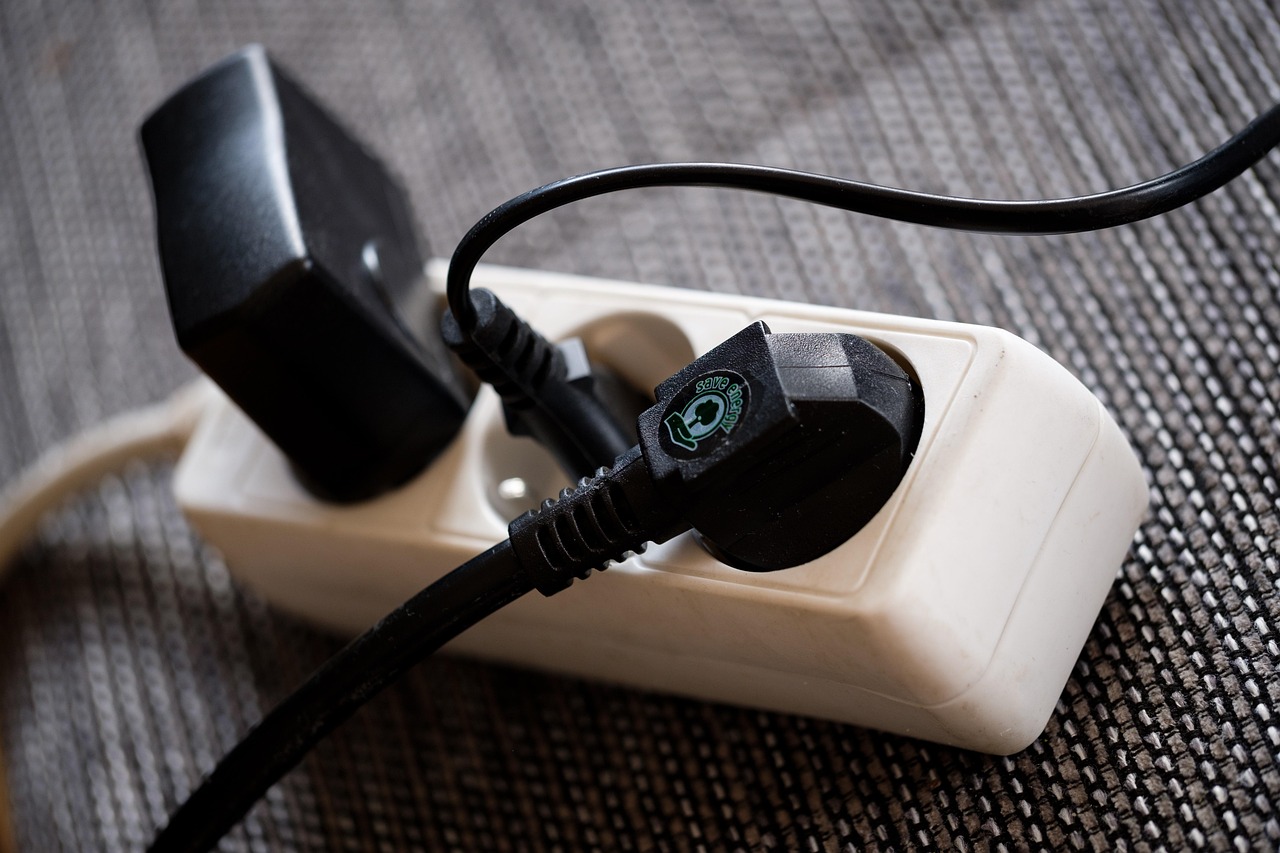
Using an extension cord instead of adding an outlet feels like an easy way to avoid an electrician visit. For a lamp or short-term use, that may be fine. Trouble starts when cords become permanent wiring for heaters, window air conditioners, freezers, power tools, or crowded home office setups.
- Why it costs more: Overloaded cords can overheat, trip breakers, damage devices, or create a safety hazard that is far more expensive than the outlet you avoided.
- What to check next: Look for warm plugs, flickering lights, frequent breaker trips, or cords hidden under rugs and furniture.
A cord should solve a temporary reach problem, not replace the electrical system.
Bargain Contractor Bids

The lowest bid can be real savings, but it can also be a warning sign if it leaves out materials, prep work, permits, cleanup, or warranty details. A cheap quote may grow through change orders, rushed work, or repairs that need to be redone by someone else. That is why the number at the bottom of the page is only part of the cost.
- Who it helps to slow down: Anyone hiring for roofing, plumbing, electrical work, flooring, windows, or major exterior repairs should compare more than price.
- What to check next: Ask for a written scope, recent references, proof of licensing where required, payment schedule, and what happens if hidden damage appears.
A fair bid should explain the work clearly, not just beat the other bids by a dramatic amount.
Quick Drain Cleaner Fixes
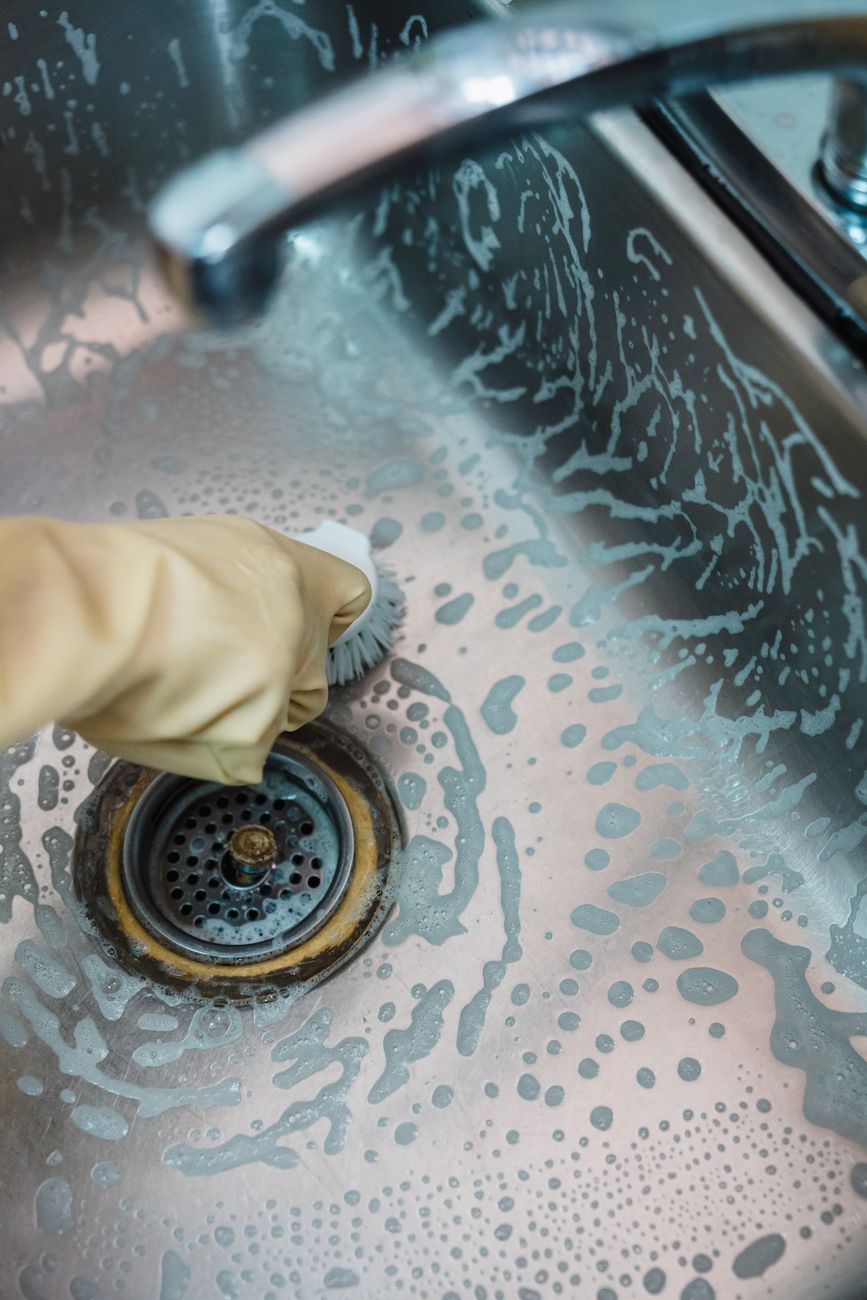
A bottle of drain cleaner is cheaper than a service call, and sometimes it clears a slow sink enough to feel like success. The risk is relying on it again and again when the real issue is hair buildup, grease, a sagging pipe, root intrusion, or a partially blocked main line. Harsh products can also be tough on older pipes and unpleasant to work around.
- Why it costs more: Repeated temporary clearing can delay the moment you discover a deeper blockage, leak, or damaged pipe.
- What to check next: Notice whether multiple drains slow at once, whether gurgling returns, and whether plunging or snaking gives only brief relief.
A clog that keeps coming back is usually not asking for a stronger bottle. It is asking for a better diagnosis.
Frugal home maintenance is not about choosing the most expensive option. It is about knowing when a cheap fix is a bridge and when it is a blindfold. If a problem returns, spreads, smells damp, trips a breaker, or needs the same product month after month, pause before spending more on the same shortcut.
The smarter move is often simple: document what you see, compare a few written estimates for larger jobs, and fix the source before refreshing the surface. That is how a small repair stays small.