
The trick is not skipping everything. It is knowing which ordinary purchases go on sale often enough that paying full price becomes a choice.
Some household expenses feel fixed, but plenty of everyday purchases have predictable discounts if you know where to look. Frugal households often build small routines around waiting, comparing, stocking up, or swapping instead of paying the shelf price every time. These are not extreme sacrifices. They are common items where patience and timing can quietly keep more money in the budget.
Laundry Detergent
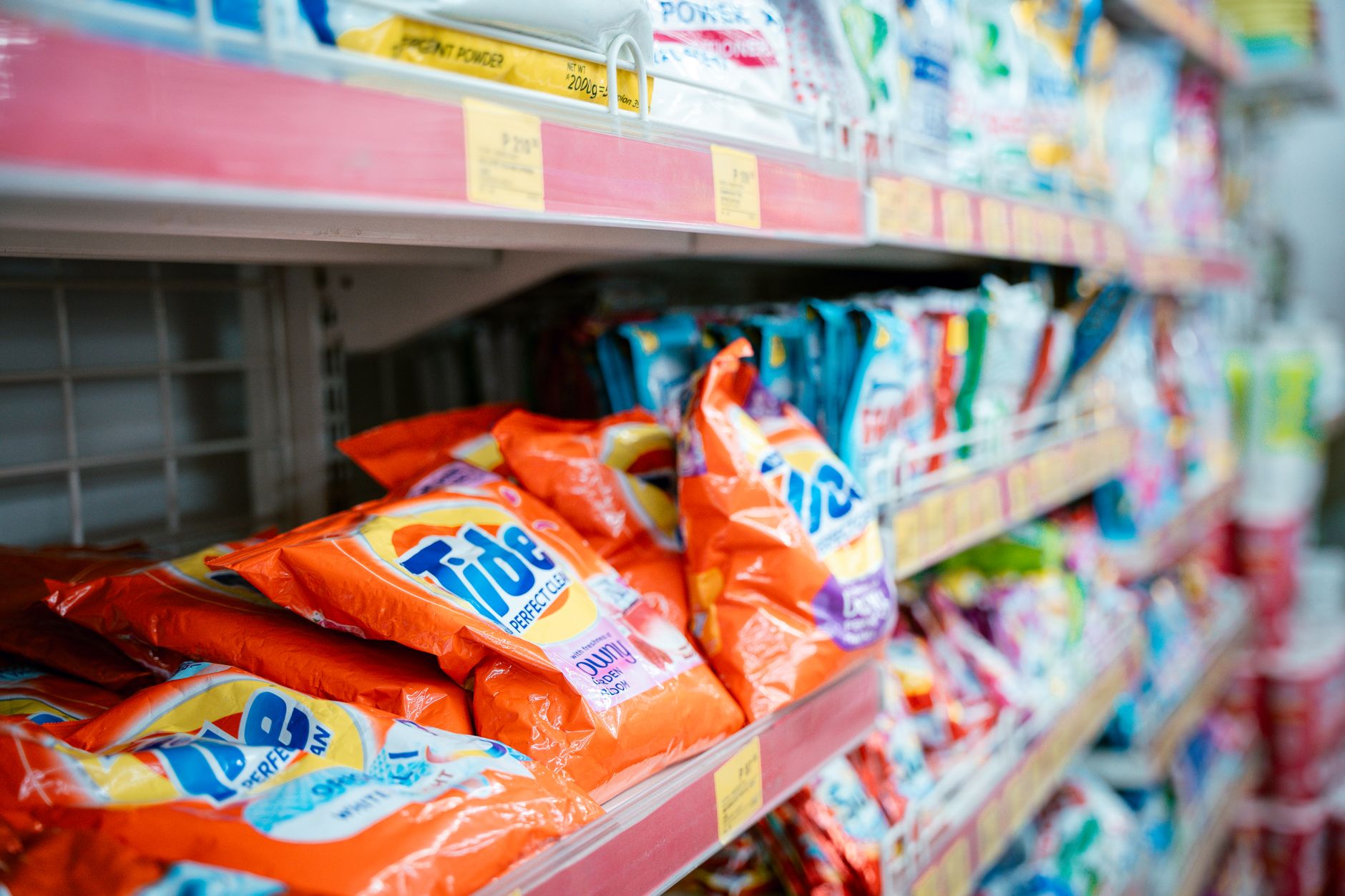
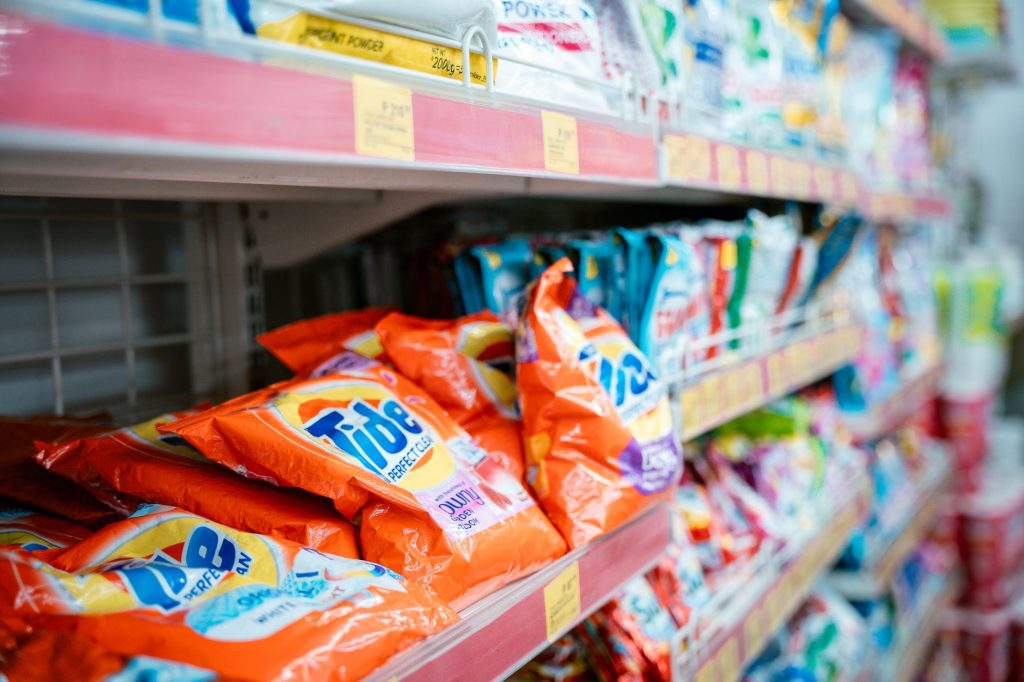
Laundry detergent is one of those products frugal households rarely buy in a panic. It goes on promotion often, and many families can wait until a familiar brand is discounted or a store brand is priced well. The key is having enough on hand to avoid a last-minute run when the only choice is full price.
- Check next: unit price, load count, and whether the bottle is concentrated.
- Watch out: oversized jugs that look cheaper but cost more per load.
This habit helps households with heavy laundry weeks, kids, pets, or work uniforms because the savings repeat all year.
Breakfast Cereal

Breakfast cereal has a wide price swing from week to week, especially when brands rotate promotions or stores discount family-size boxes. Frugal households often keep a short list of acceptable cereals and buy only when the price drops. That prevents one specific craving from turning into an expensive routine.
- Check next: price per ounce, box size, and store-brand alternatives.
- Watch out: smaller boxes that make a sale look better than it is.
This matters for busy families because cereal disappears quickly, and a few rushed full-price boxes can erase savings from careful grocery planning.
Streaming Subscriptions

Frugal households do not always cancel entertainment, but they often stop treating every streaming service as permanent. They rotate subscriptions, pause platforms between favorite shows, and avoid paying full price for bundles they barely use. The mistake is forgetting that a small monthly charge can keep running long after the household stops watching.
- Check next: renewal dates, ads versus no-ads pricing, and annual plan terms.
- Watch out: free trials that quietly become paid plans.
This helps anyone with multiple viewers at home because entertainment preferences change, but automatic billing does not adjust on its own.
Greeting Cards
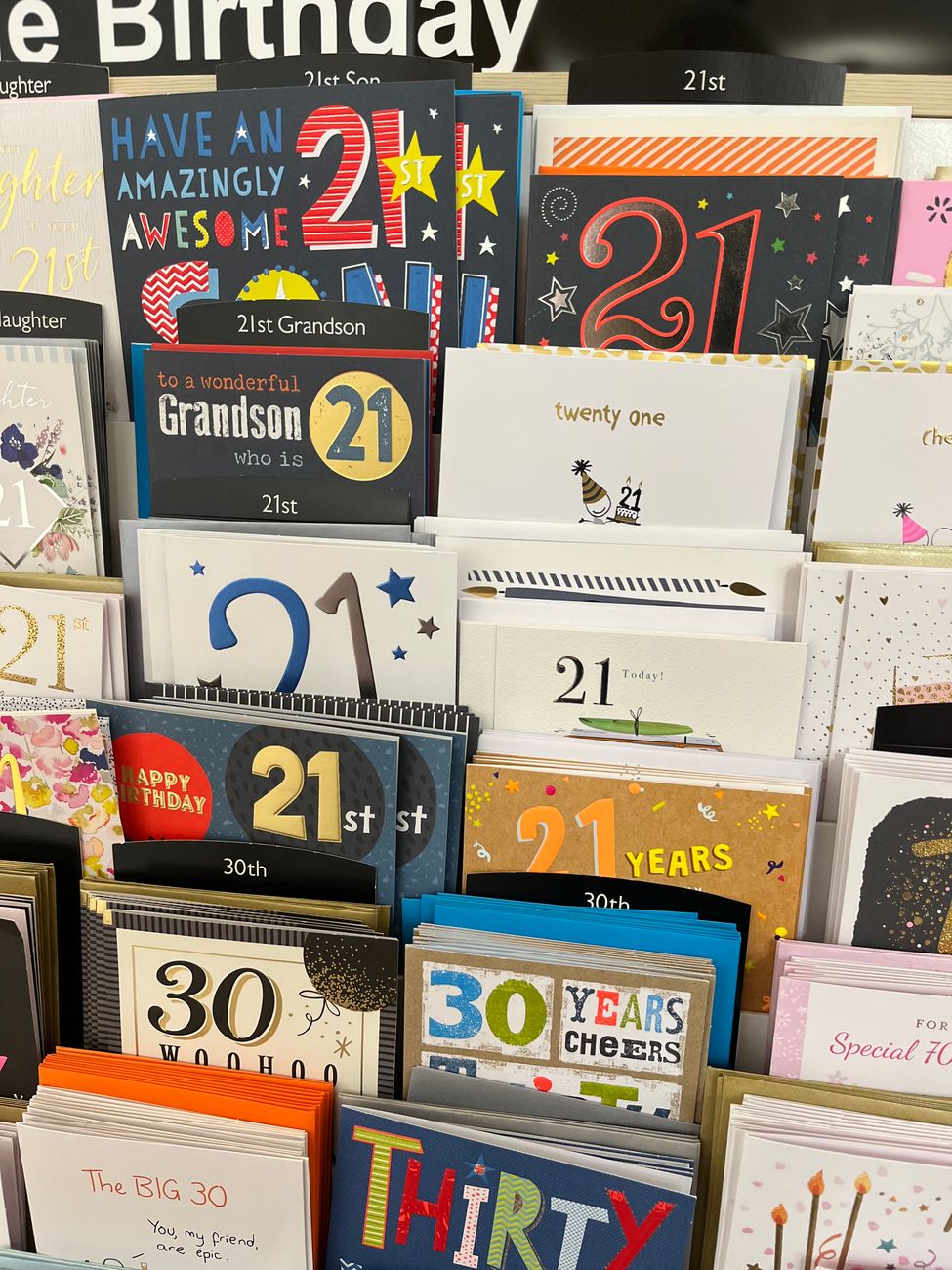
Greeting cards can feel like a small purchase until several birthdays, graduations, and holidays arrive close together. Frugal households often buy cards from discount bins, warehouse packs, dollar stores, or after-season clearance instead of grabbing the first one near checkout. The recipient usually cares more about the message than the price printed on the back.
- Check next: card multipacks, blank cards, and leftover cards from prior events.
- Watch out: expensive specialty cards bought in a rush.
This habit helps gift-givers stay thoughtful without letting every occasion add another full-price errand.
Seasonal Decor
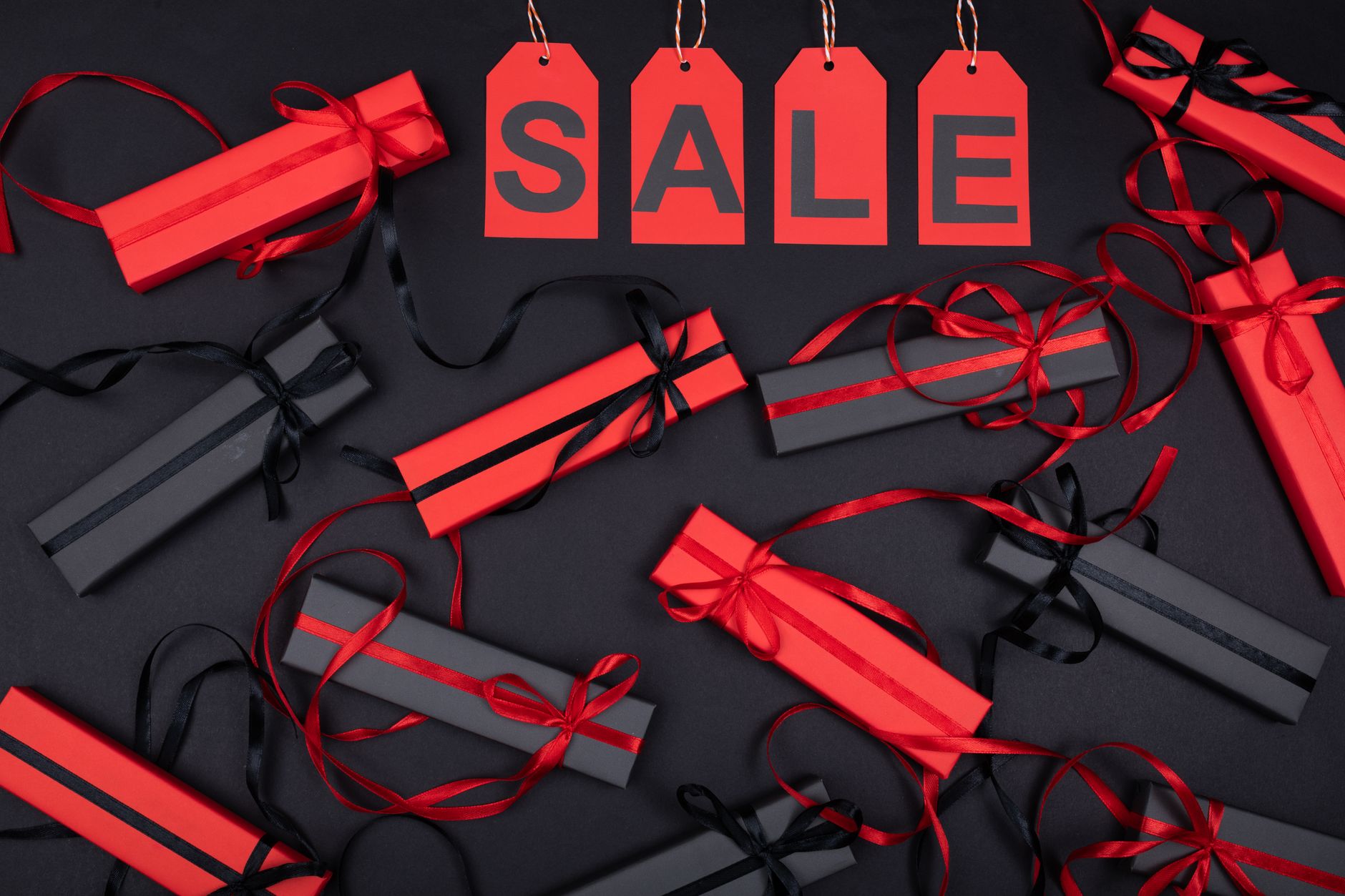
Seasonal decor is one of the easiest categories to overpay for because displays are designed to feel urgent. Frugal households usually wait until just after a holiday, when ornaments, lights, wreaths, table pieces, and themed kitchen items get marked down. They also reuse what they own instead of chasing a new color scheme every year.
- Check next: storage space, condition, and whether the item will still feel useful next season.
- Watch out: fragile bargains that cost more to store than they are worth.
This helps homeowners and renters keep celebrations festive without creating a pricey cycle of one-time decorations.
Kids’ Clothes
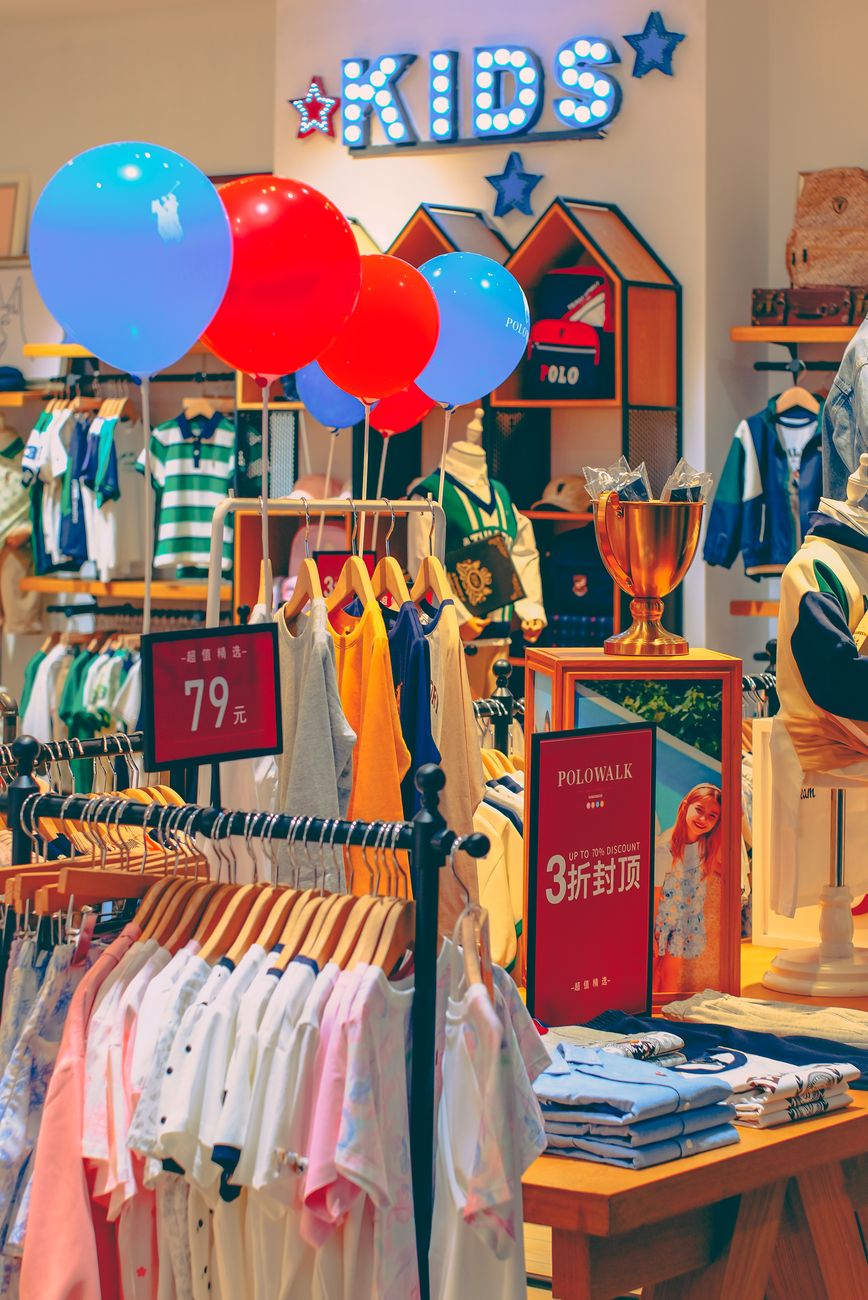
Kids grow quickly, which makes full-price clothing a risky habit unless the item is urgent or specialized. Frugal households often buy ahead during clearance events, accept hand-me-downs, shop resale stores, or choose durable basics that mix easily. The goal is not to dress children poorly; it is to avoid paying top price for clothing that may fit for only one season.
- Check next: growth room, fabric quality, and return windows.
- Watch out: trendy pieces that are hard to match or wear often.
This matters most for families juggling school, sports, weather changes, and sudden growth spurts.
Restaurant Takeout
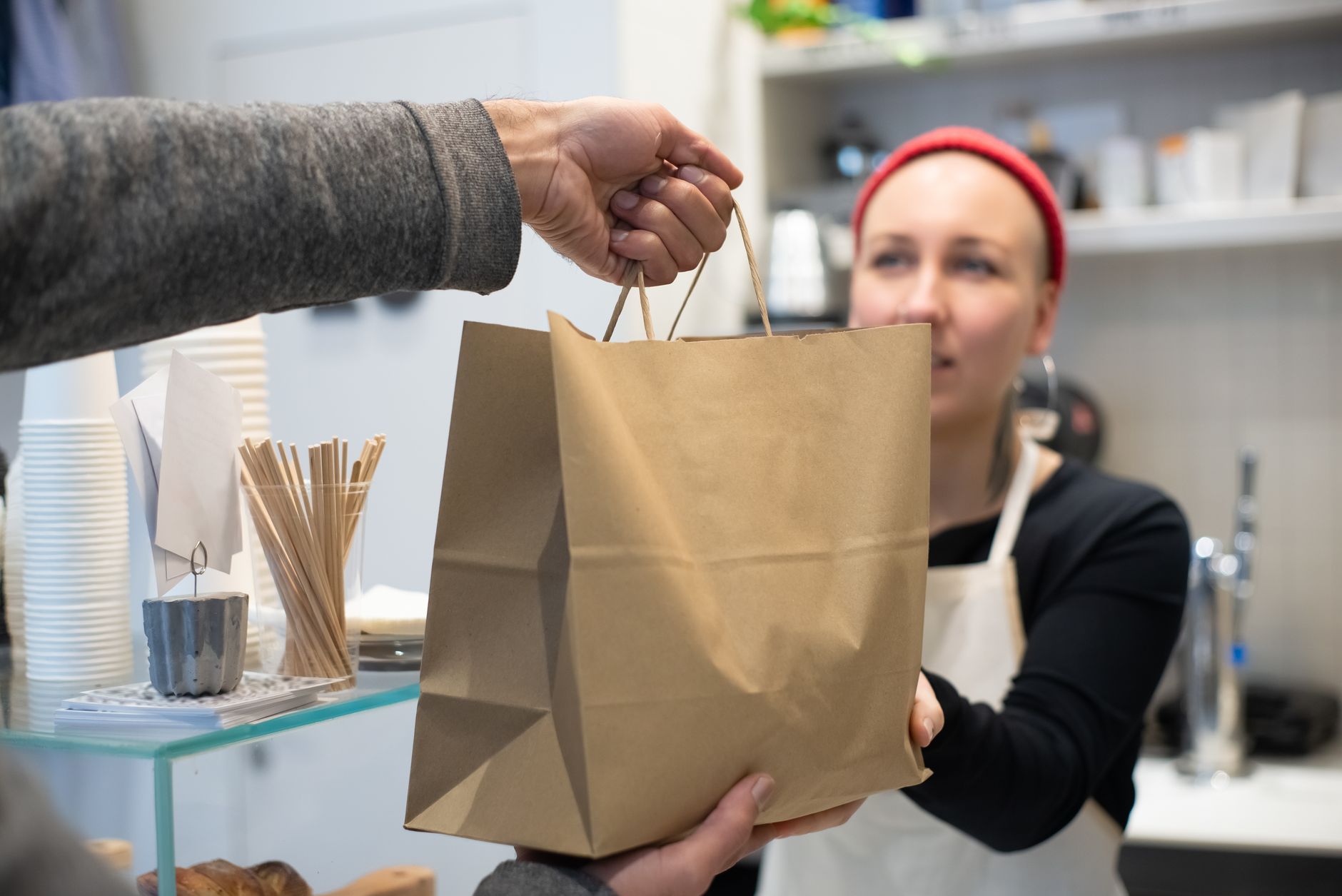
Frugal households may still enjoy takeout, but they often stop paying full price for it by using pickup instead of delivery, choosing specials, splitting large portions, or saving restaurant meals for nights when they truly need the convenience. Delivery fees, service charges, tips, and marked-up menu prices can turn a simple dinner into a budget leak.
- Check next: pickup discounts, family meals, and loyalty rewards.
- Watch out: ordering while hungry without checking the final total.
This helps busy workers, parents, and caregivers keep takeout as a useful backup rather than an automatic overspend.
Printer Ink
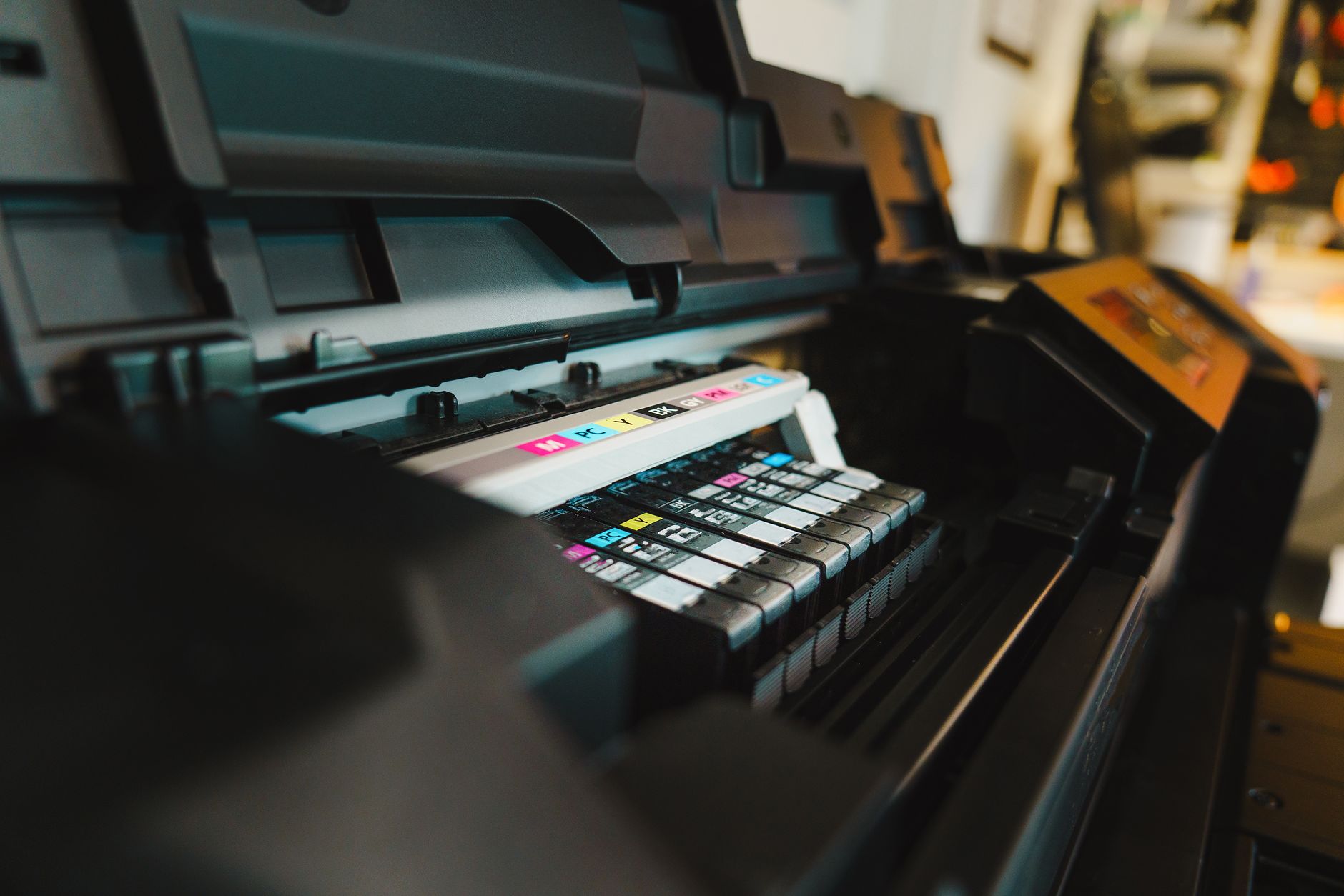
Printer ink is notorious for feeling expensive at the exact moment a household needs one page printed. Frugal households avoid that trap by checking cartridge prices before buying a printer, watching for multipack deals, using draft mode when quality does not matter, or relying on library and office store printing for occasional jobs. The printer itself is only part of the cost.
- Check next: cartridge yield, subscription terms, and whether generic options work with the model.
- Watch out: low-cost printers that require pricey replacements.
This helps households that print school forms, shipping labels, tax documents, coupons, or work paperwork only now and then.
The common thread is simple: frugal households know which purchases are flexible. If an item goes on sale often, can be stocked safely, or has a cheaper substitute, they pause before paying full price. Start with one category you buy regularly, learn its normal price, and set a personal buy point. That one small rule can make everyday shopping feel less reactive and more controlled.