
Small tools will not fix every grocery bill, but the right ones can stop quiet kitchen waste before it becomes another run to the store.
The cheapest kitchen gadget is not always the best value. The useful ones earn their spot by helping you use what you already bought, cook more confidently, and waste less food at the end of the week. These five tools are not flashy countertop trophies. They are small, practical helpers that can make leftovers easier to save, bulk buys easier to portion, and weeknight meals less likely to turn into takeout.
Digital Kitchen Scale
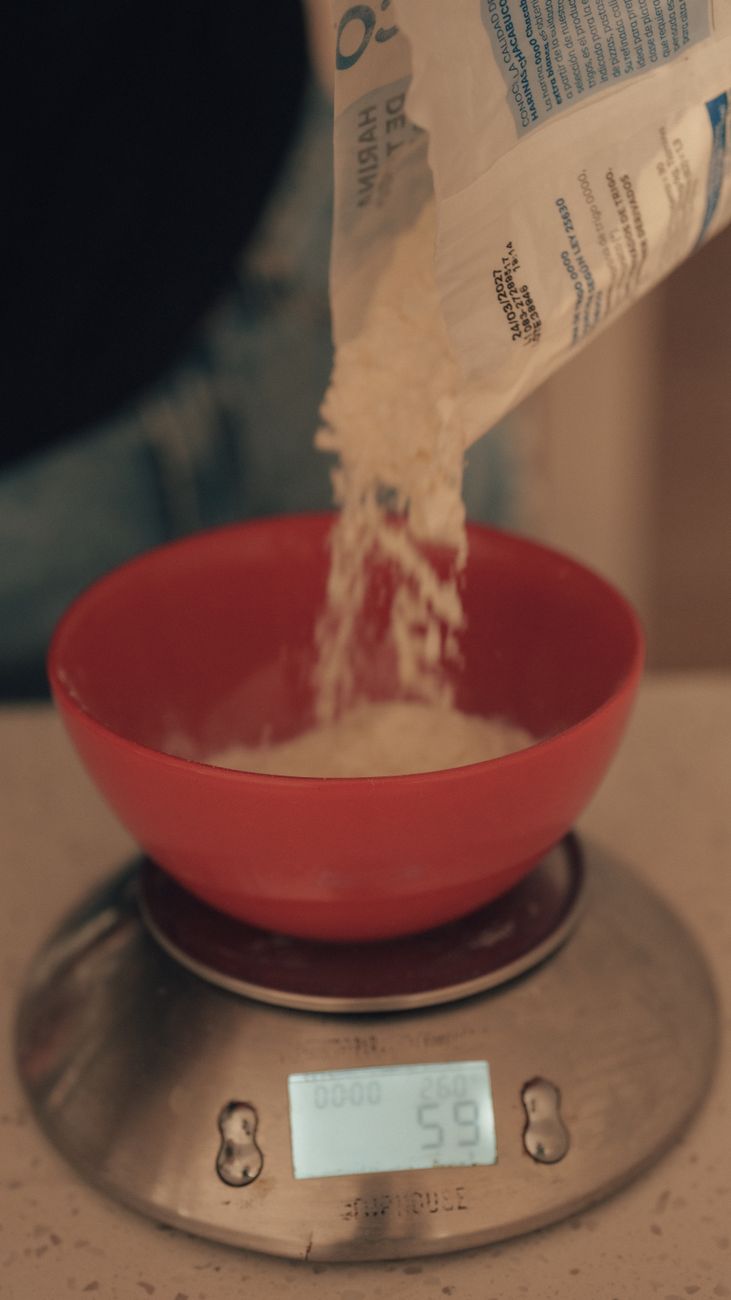
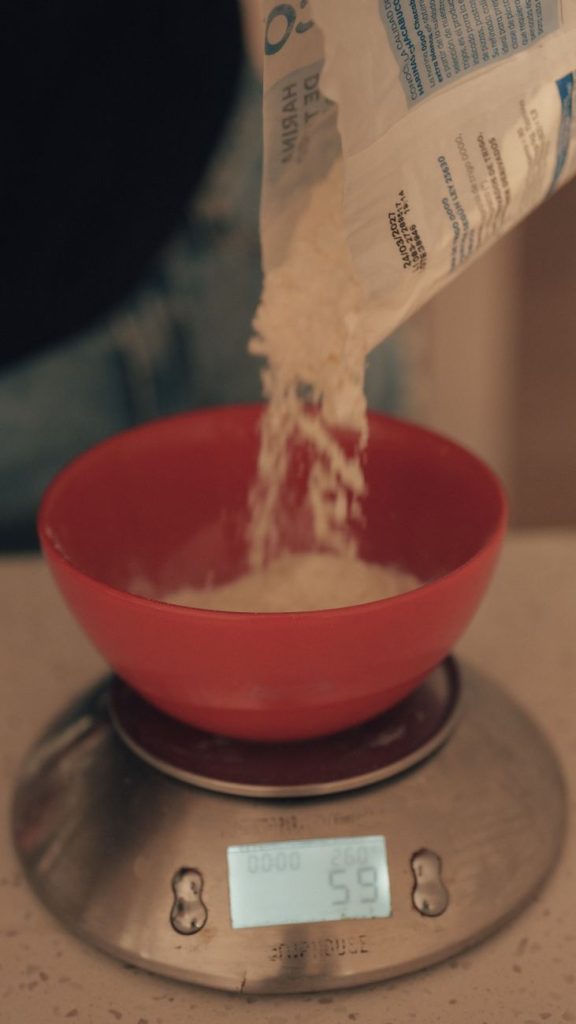
A digital kitchen scale can look like a baking tool, but it is really a quiet grocery stretcher. Measuring by weight helps you use the amount a recipe actually needs instead of guessing with heaping cups or oversized portions. That matters for flour, rice, pasta, coffee, meat, and snacks that disappear faster when every serving is eyeballed.
- Why it saves: it helps portion bulk buys and reduce recipe mistakes.
- Who it helps: bakers, meal preppers, coffee drinkers, and families trying to make staples last.
- What to check: a tare button, easy-to-read display, and enough capacity for a full mixing bowl.
The payoff is not dramatic in one meal. It shows up when fewer ingredients are overused, fewer batches are ruined, and leftovers are divided into realistic lunches instead of forgotten mystery containers.
Airtight Food Storage Containers
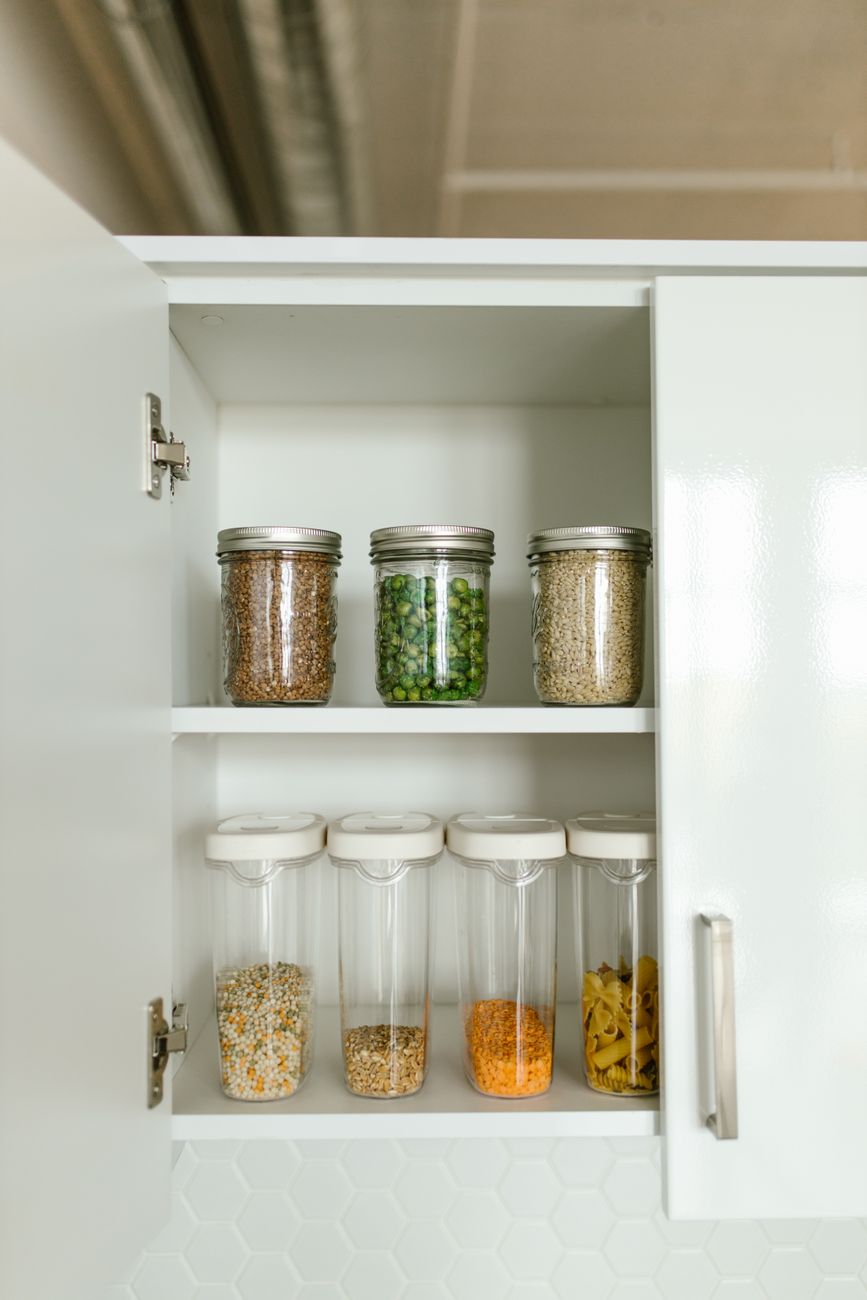
Airtight containers are not exciting, which is exactly why they are easy to underestimate. Stale cereal, limp salad greens, half-used pasta, and forgotten leftovers all turn into replacement purchases. Containers with reliable lids make it easier to see what is available and keep food protected long enough to use it.
- Why it saves: it can reduce spoilage, duplicate buying, and single-use bag waste.
- Who it helps: households that cook in batches, pack lunches, or shop warehouse deals.
- What to check: stackable shapes, lids that seal firmly, and sizes that fit your fridge shelves.
The best set is not necessarily the prettiest one. Clear sides, practical sizes, and lids you can actually match quickly are what make these containers useful on a busy night.
Silicone Freezer Trays
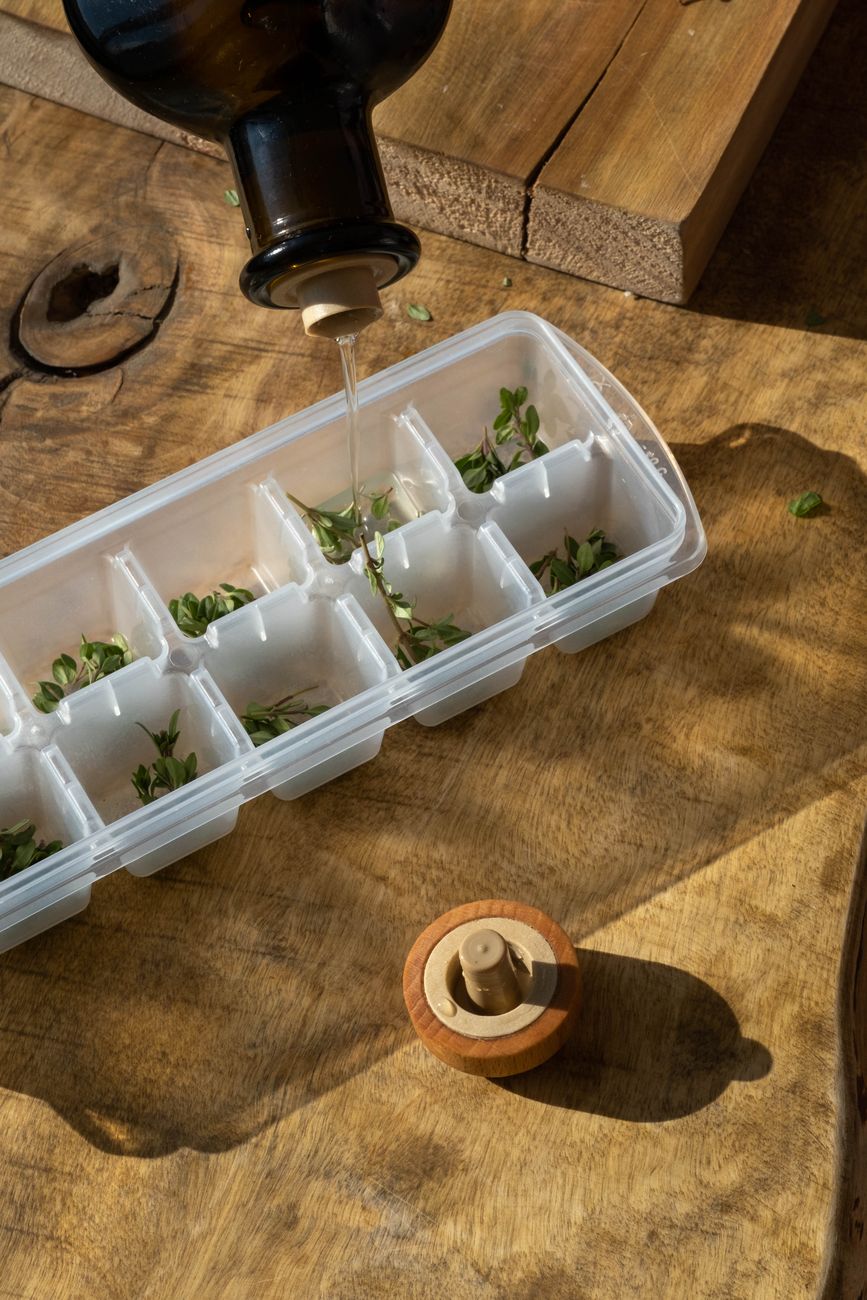
Silicone freezer trays are small, cheap, and surprisingly good at rescuing ingredients that usually die slowly in the fridge. A few tablespoons of tomato paste, extra broth, chopped herbs, lemon juice, pesto, or sauce can be frozen in usable portions instead of being tossed a week later. The flexible tray makes the cubes easy to pop out and store in a labeled bag.
- Why it saves: it turns leftovers and partial cans into future recipe starters.
- Who it helps: solo cooks, small households, and anyone who hates wasting specialty ingredients.
- What to check: sturdy silicone, a lid if possible, and cube sizes that match how you cook.
This tool is especially helpful for ingredients you buy for one recipe and then forget. Freezing them in small portions makes the next soup, sauce, or skillet meal cheaper and faster.
Immersion Blender
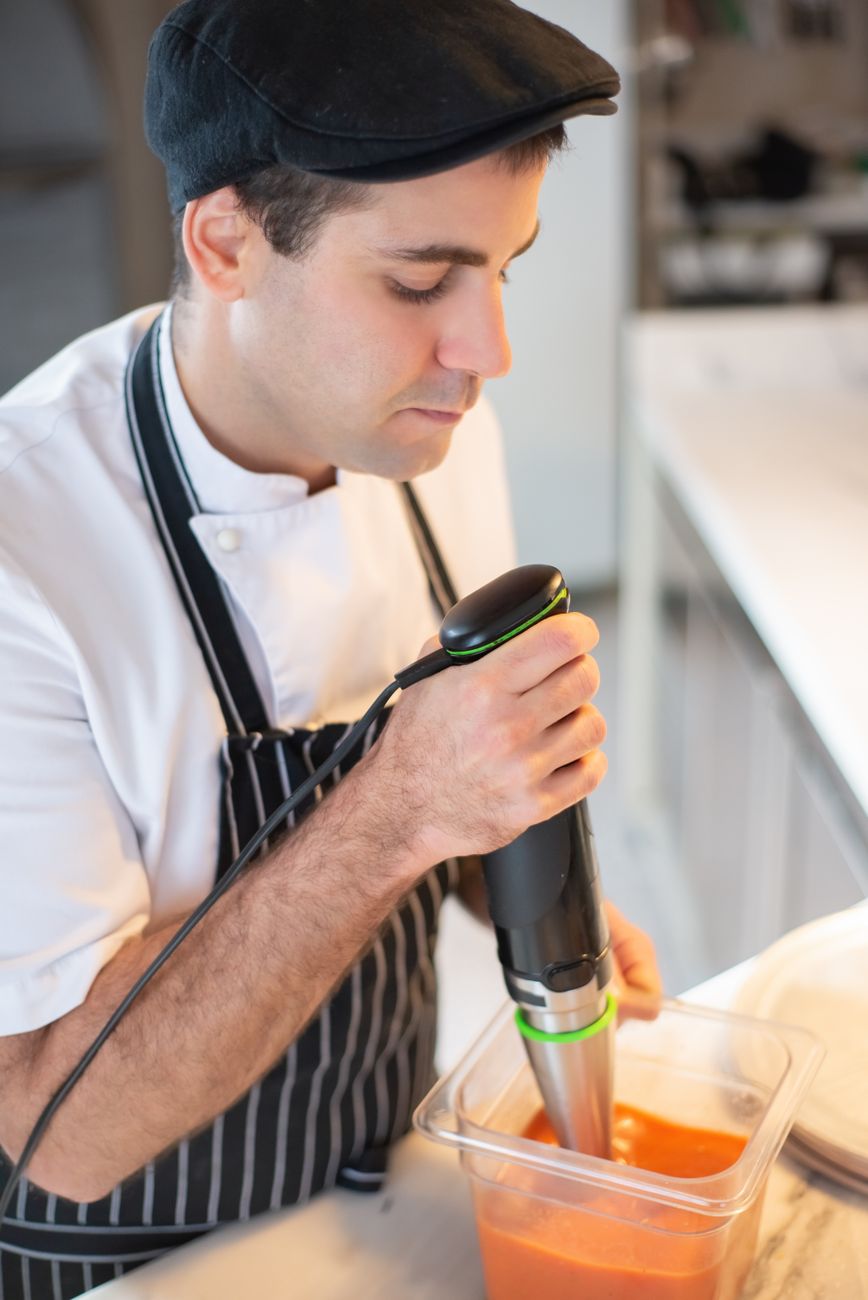
An immersion blender earns its keep by making simple food feel finished. Leftover roasted vegetables become soup, canned tomatoes become sauce, and soft fruit can become a quick smoothie or pancake topping. Because the blending happens right in the pot or cup, cleanup is usually easier than hauling out a full-size blender.
- Why it saves: it helps turn odds and ends into meals instead of letting them expire.
- Who it helps: busy home cooks, parents, soup fans, and anyone trying to avoid last-minute takeout.
- What to check: a detachable blending shaft, comfortable grip, and simple speed controls.
The savings come from flexibility. When the fridge looks uninspiring, this tool can make vegetables, beans, broth, and pantry staples feel like a planned dinner rather than a compromise.
Instant-Read Thermometer
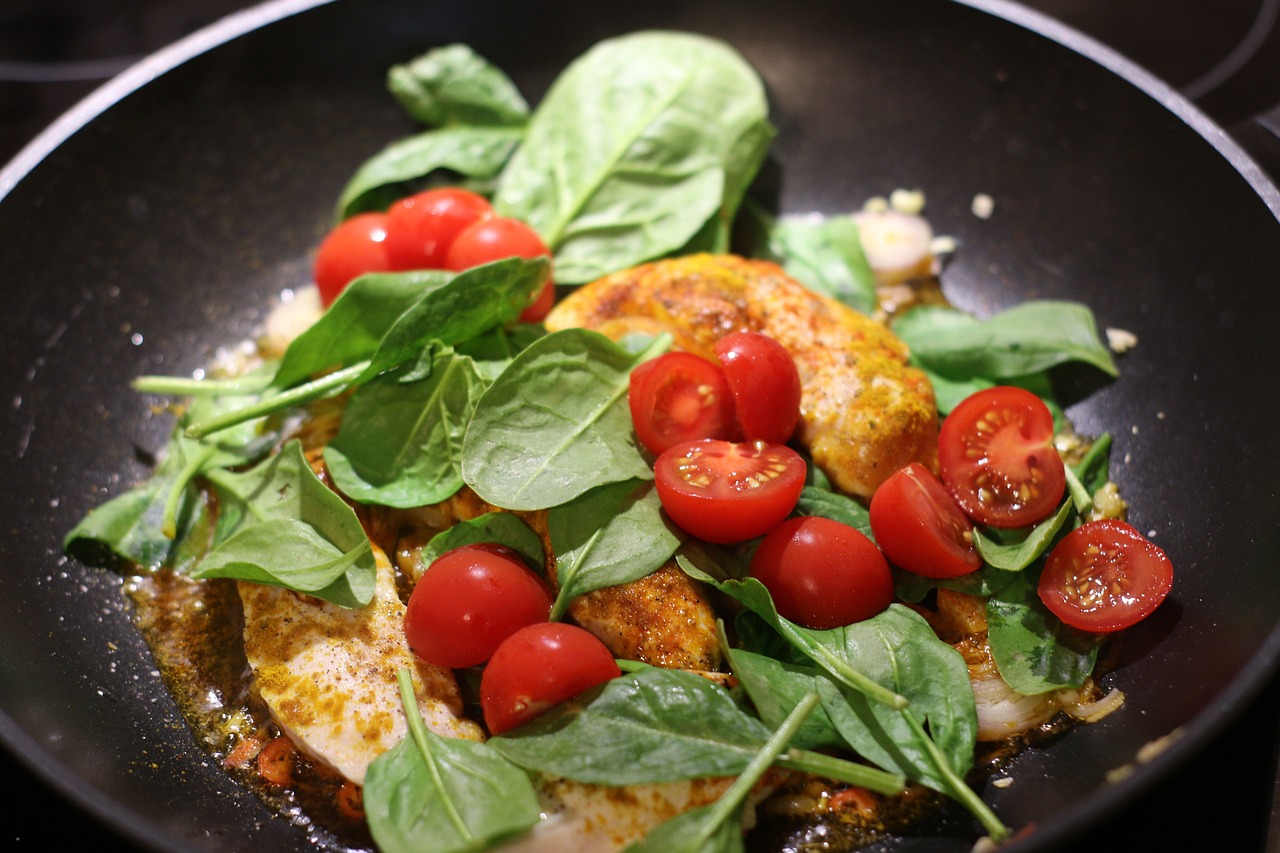
An instant-read thermometer can save money by reducing expensive guesswork. Without one, it is easy to overcook chicken, pork, fish, or burgers until they are dry, or cut into food repeatedly and lose juices while checking. A quick temperature reading helps you pull food at the right time and avoid ruining a dinner you already paid for.
- Why it saves: it protects higher-cost proteins and improves reheated leftovers.
- Who it helps: grillers, beginner cooks, meal preppers, and anyone nervous about cooking meat.
- What to check: fast readings, a clear display, and temperature guidance from trusted food-safety sources or packaging.
This is not just for special meals. It is useful for weeknight chicken thighs, frozen burgers, casseroles, and reheated leftovers that need confidence without cooking everything into a dry backup plan.
The best money-saving kitchen gadgets are the ones that change what happens after groceries enter the house. A scale helps you use the right amount, containers and freezer trays help you keep food longer, a blender makes leftovers useful, and a thermometer protects meals from costly mistakes. Start with the tool that solves your most common waste problem, not the one with the flashiest packaging.