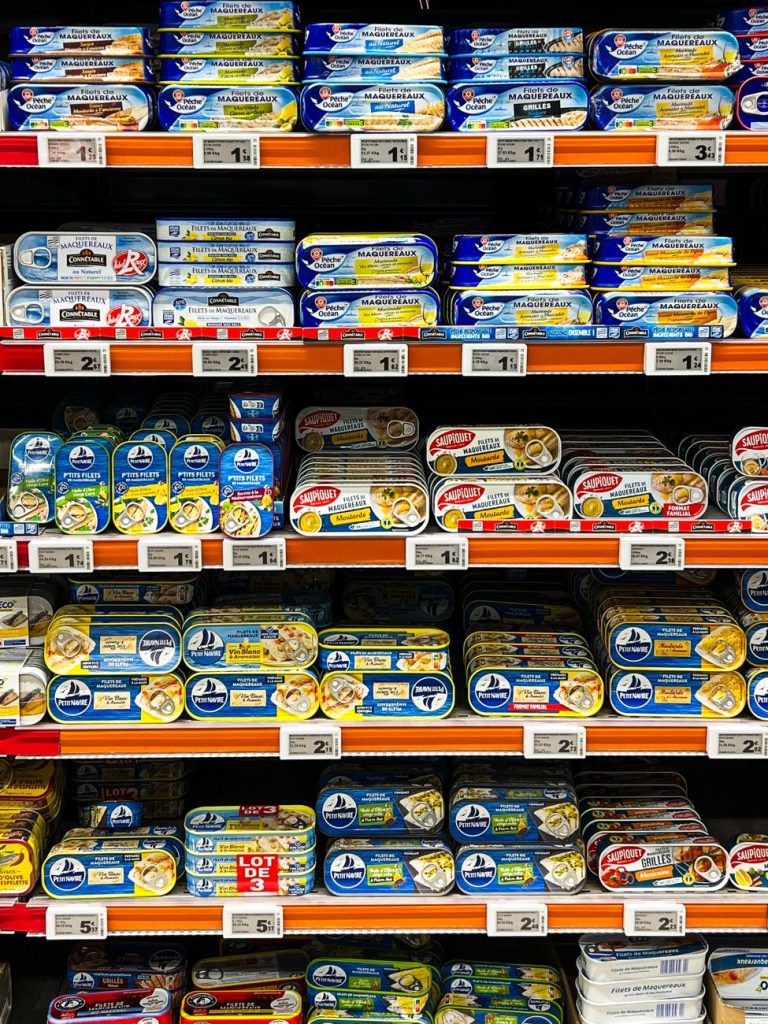

A bargain is only a bargain if it holds up, gets used, and does not surprise you later.
The cheapest option can feel like a win in the aisle or at checkout, especially when household costs are already stretched. But a low price can hide smaller packages, short lifespans, extra fees, or return rules that make a mistake harder to fix. Smart shoppers do not always buy the most expensive item either. They pause long enough to see what the price is really buying.
The Unit Price Tag
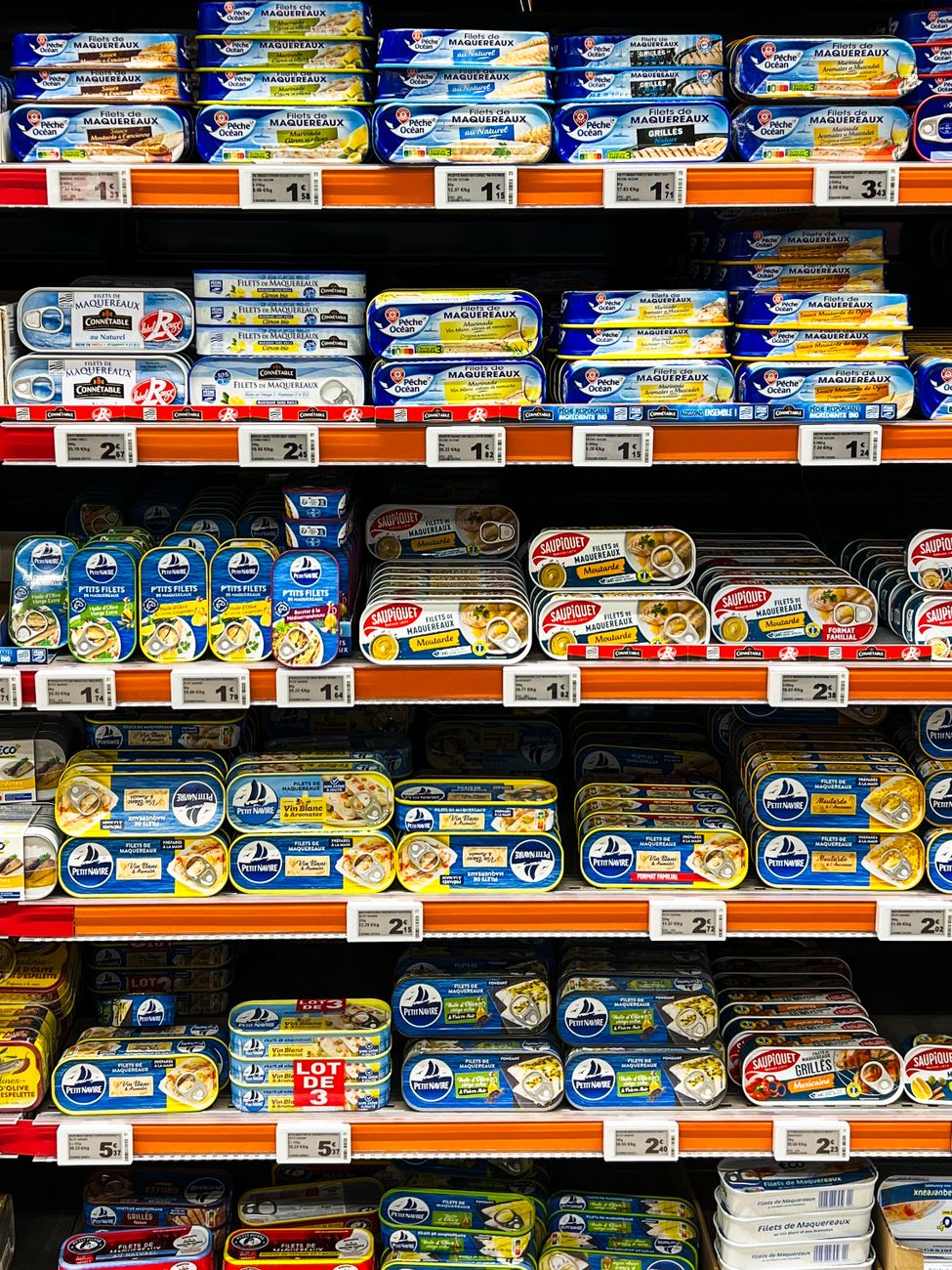
The shelf price is not the whole story. A smaller box, lighter bag, or watered-down version can look cheaper while costing more per ounce, pound, or count. Unit pricing helps shoppers compare similar items without being distracted by package shape, sale stickers, or oversized branding. This check is especially useful for groceries, paper goods, detergent, pet food, and pantry staples.
- Look next: compare price per ounce, count, or load.
- Watch for: shrinkflation, multipacks that are not cheaper, and sizes that do not match your household use.
- Who it helps: families, meal planners, and anyone trying to avoid paying more for less.
The cheapest item on the shelf may still be the best buy, but the unit tag tells you whether it is actually cheaper or just packaged to look that way.
The Return Policy
A low price loses its shine if you cannot undo a bad purchase. Clearance racks, final-sale tags, marketplace sellers, and open-box deals can save money, but they may come with tighter return windows or no returns at all. That matters for clothes, shoes, electronics, furniture, and gifts where fit, compatibility, or condition can be uncertain.
- Look next: return window, restocking fee, receipt requirements, and whether shipping is refundable.
- Watch for: final sale language, store credit only, or third-party seller rules.
- Who it helps: gift buyers, online shoppers, and anyone comparing unfamiliar brands.
If two items are close in price, the one with a clearer return path may be the safer value. The cheapest option can become expensive when the mistake has to sit unused in a closet.
The Replacement Part

Some bargains need expensive upkeep. A cheap printer may need costly ink, a discount vacuum may require hard-to-find filters, and a low-priced coffee maker may use pods that cost more over time than expected. Shoppers who check replacement parts before buying can avoid getting locked into a product that is cheap on day one but irritating every month after.
- Look next: filter prices, battery replacements, ink or pod costs, and availability at common stores.
- Watch for: proprietary parts, discontinued accessories, and bundles that include only starter supplies.
- Who it helps: homeowners, renters, parents, and anyone buying appliances or gadgets for regular use.
The better buy is often the item you can maintain easily. If replacement parts cost nearly as much as the product, the lowest sticker price deserves a second look.
The Checkout Total
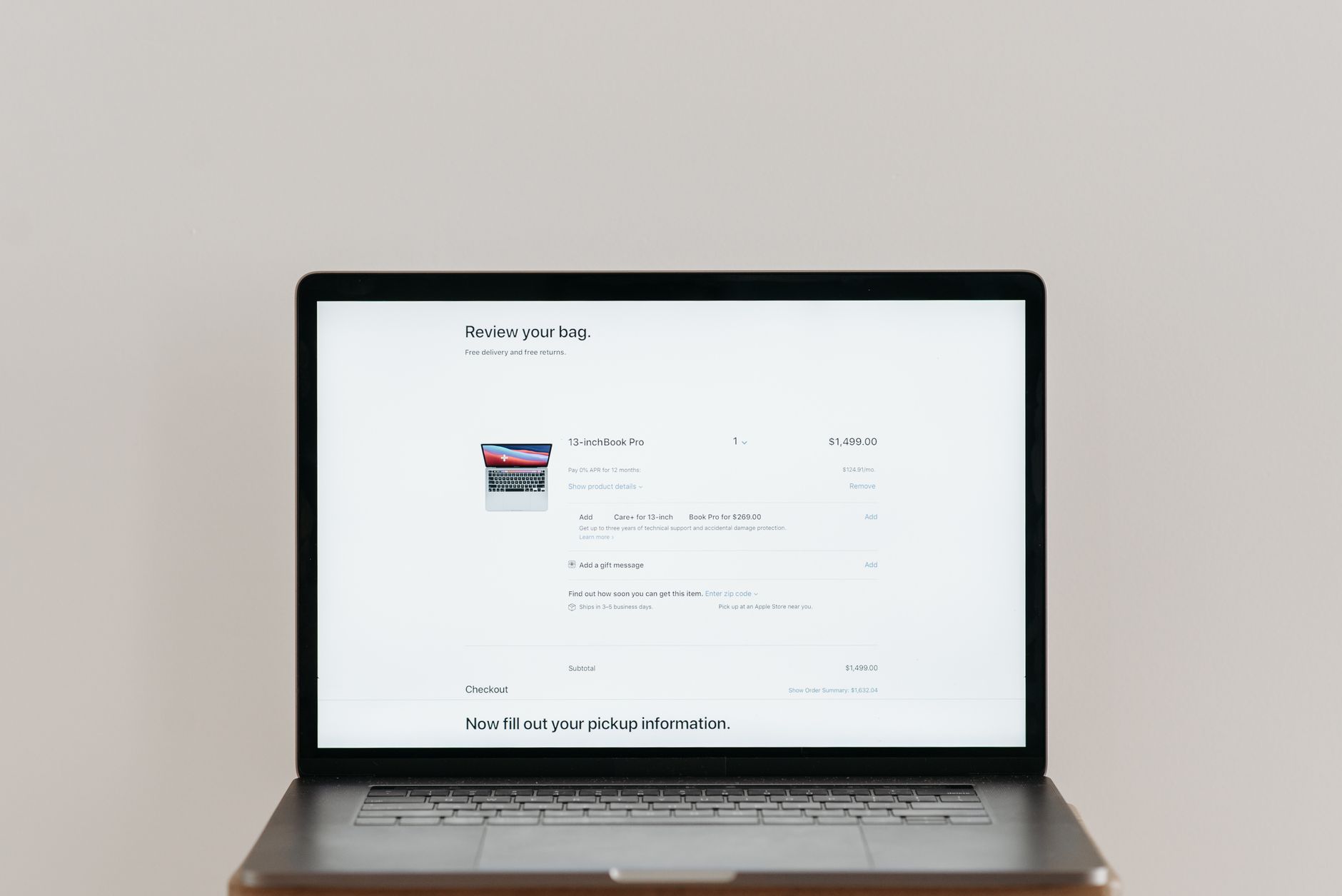
The cheapest listing can change once the fees appear. Online carts often add shipping, delivery charges, service fees, handling costs, or minimum-order requirements near the end. The same problem can happen with event tickets, food delivery, furniture delivery, and marketplace purchases. A product that looked like the lowest price in search results may not stay that way after checkout.
- Look next: shipping cost, pickup options, membership requirements, taxes, delivery windows, and return shipping.
- Watch for: low item prices paired with high handling fees or slow shipping.
- Who it helps: busy households, holiday shoppers, and anyone comparing online retailers on a phone.
Before tapping buy, compare the final total rather than the first number you saw. The best deal is the one that stays competitive after every fee is added.
The Review Pattern

One bad review does not prove much, but a pattern can save you trouble. Smart shoppers scan for repeated complaints about the same failure, such as broken zippers, weak seams, inaccurate sizing, missing parts, loud motors, or batteries that fade quickly. This is more useful than relying only on the star average, which can hide problems if many buyers review too soon.
- Look next: recent reviews, photos from buyers, and repeated words that point to the same flaw.
- Watch for: vague praise, reviews for a different product version, or complaints that match how you plan to use it.
- Who it helps: online shoppers, parents buying durable goods, and anyone choosing between unfamiliar brands.
If several buyers describe the same issue, the cheapest option may cost time, frustration, or replacement money. A quick review scan can reveal whether the bargain is sturdy enough for real life.
Cheap is not automatically bad, and expensive is not automatically smart. The useful habit is to slow the decision by a minute or two and check the details that affect real-life value: unit price, return rules, upkeep, final checkout cost, and repeated buyer complaints. If the lowest-priced choice still looks good after those checks, it may be a genuine bargain instead of a future regret.