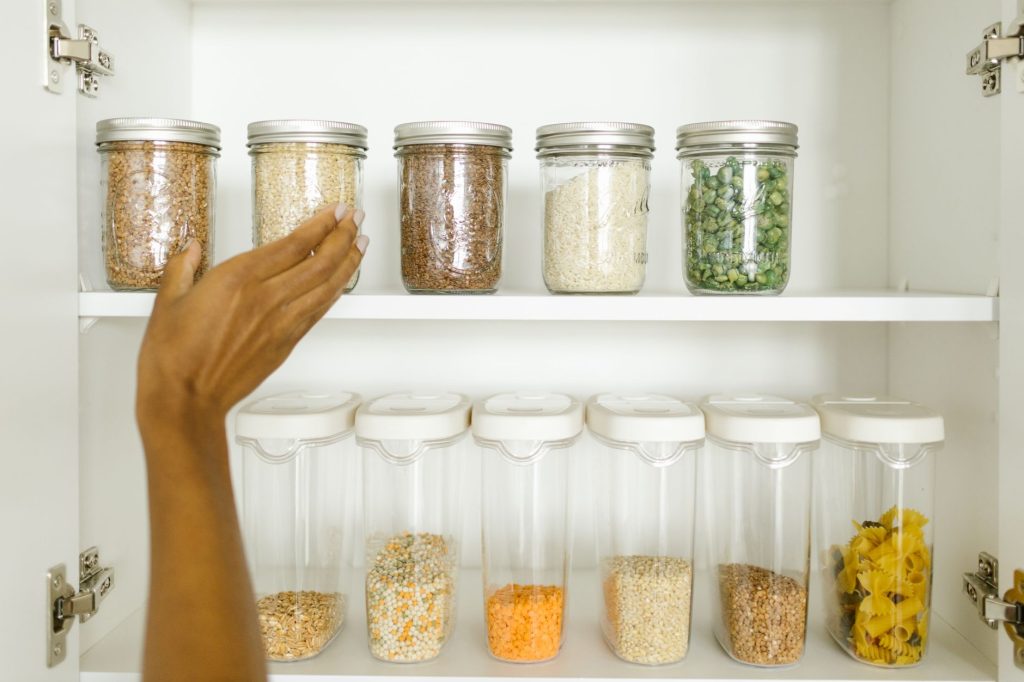

The cheapest shelf item is not always the cheapest meal. These pantry staples can backfire if your household cannot use them quickly, store them well, or cook them often.
Pantry staples are supposed to make grocery bills easier to manage. The surprise is that some of the cheapest buys only stay cheap if you use them steadily and store them correctly. After a few weeks, the math can change: half-used bags go stale, bugs find bulk grains, oils turn off, and bargain ingredients require extra groceries to become meals. Before loading the cart with another oversized staple, it helps to know where the savings can leak out.
Bulk Rice
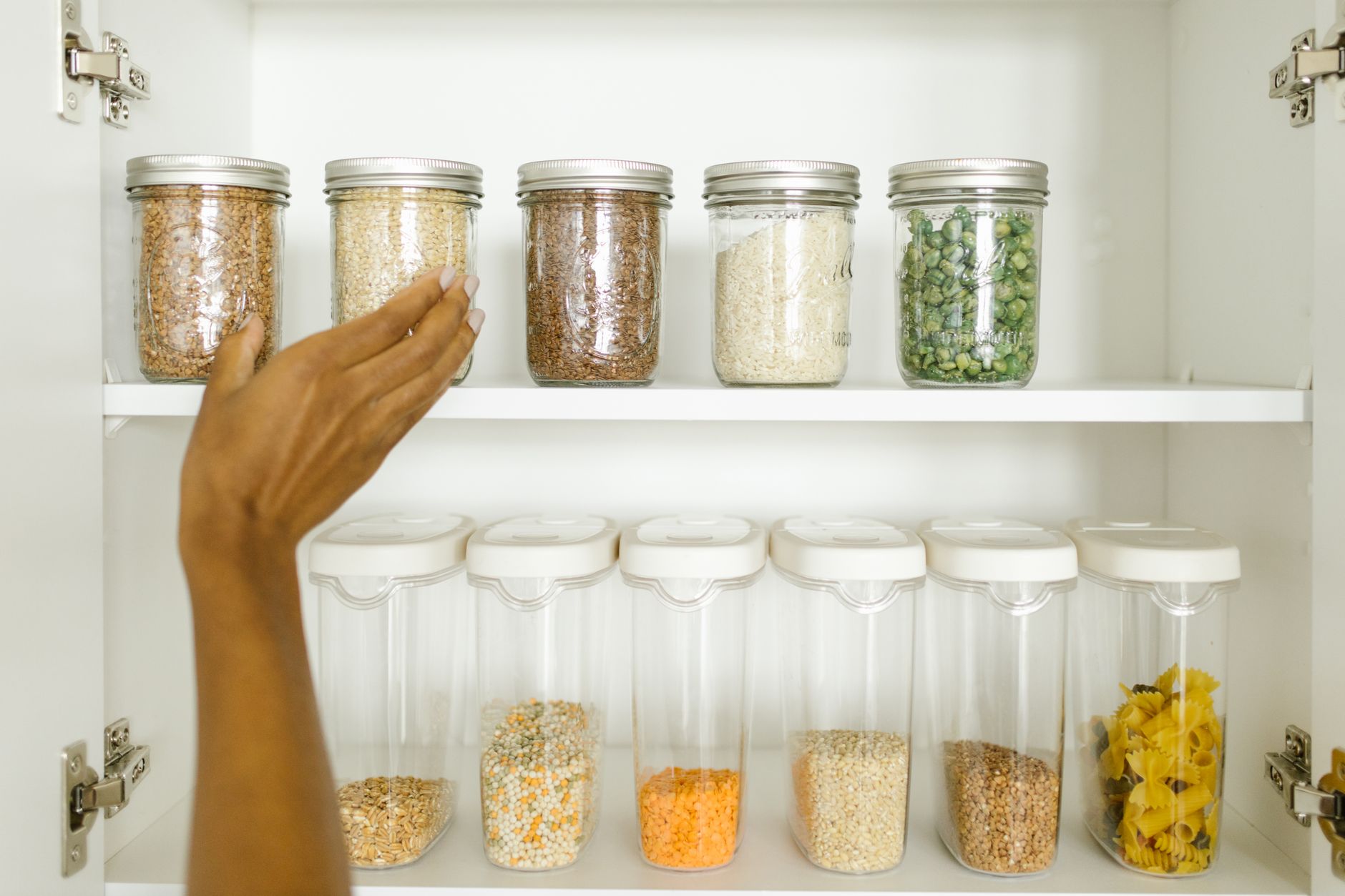
Bulk rice can be one of the best pantry deals, but only if your household eats it often and stores it well. A huge bag may look cheaper per pound, yet it can sit for months if your meals rotate around pasta, potatoes, bread, or takeout. Once the bag is opened, moisture, pantry pests, and stale odors become the real budget problem.
- Check next: whether you can finish the bag within a realistic cooking window.
- Watch for: torn packaging, damp storage areas, or no airtight container at home.
- Who it helps: families that batch-cook bowls, stir-fries, soups, and leftovers every week.
The bargain is strongest when rice is part of your normal routine, not an aspirational shelf decoration.
Dried Beans
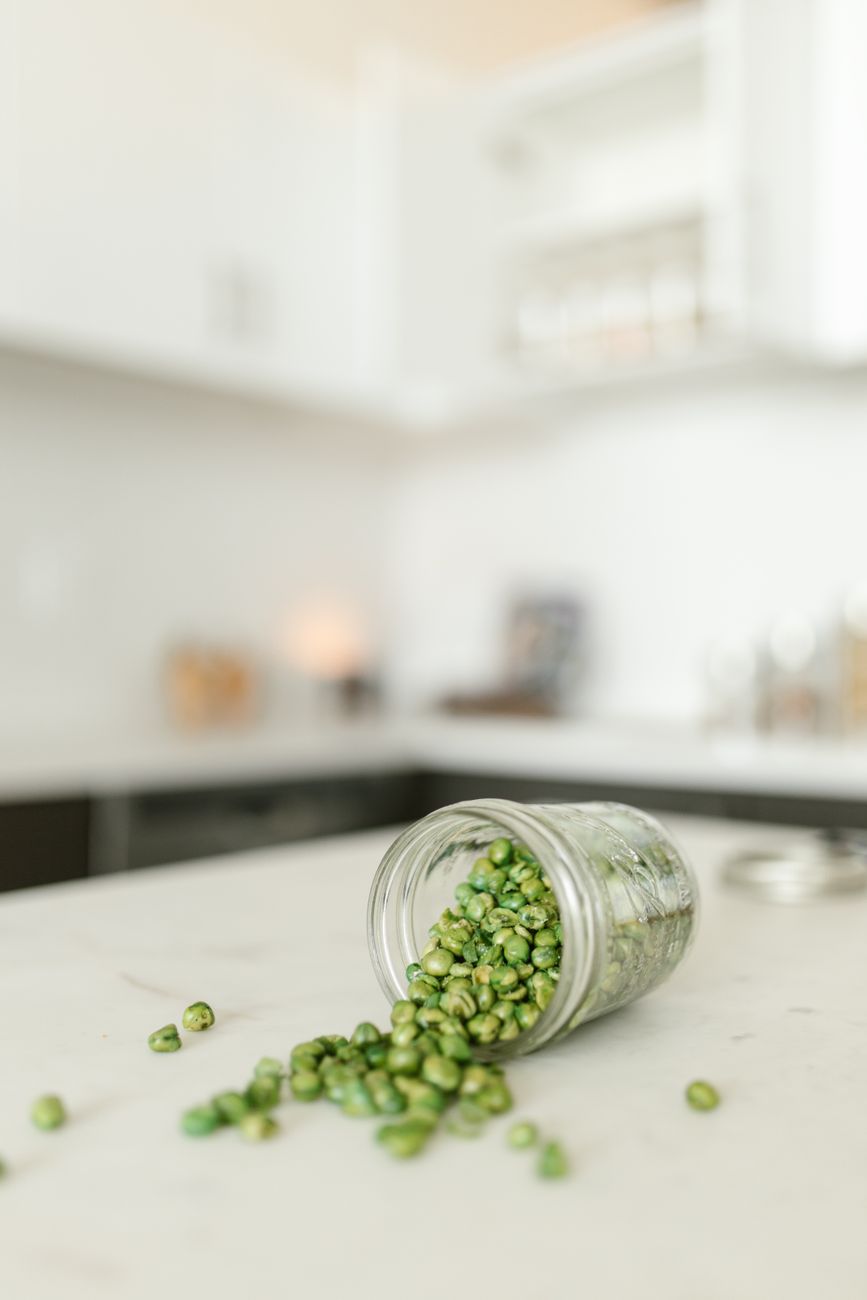
Dried beans seem like a frugal winner because the sticker price is low and the servings are generous. The catch is time. They usually need soaking, longer cooking, and seasonings to taste satisfying. If you keep buying dried beans but end up choosing canned beans, frozen dinners, or delivery on busy nights, the savings are mostly theoretical.
- Check next: whether you actually cook from dry beans more than once or twice a month.
- Watch for: very old beans that take forever to soften and waste stove time.
- Who it helps: people who use slow cookers, pressure cookers, or weekend meal prep.
The cheap bag only pays off when it becomes finished meals, not a guilt trip in the pantry.
Big Bags of Flour
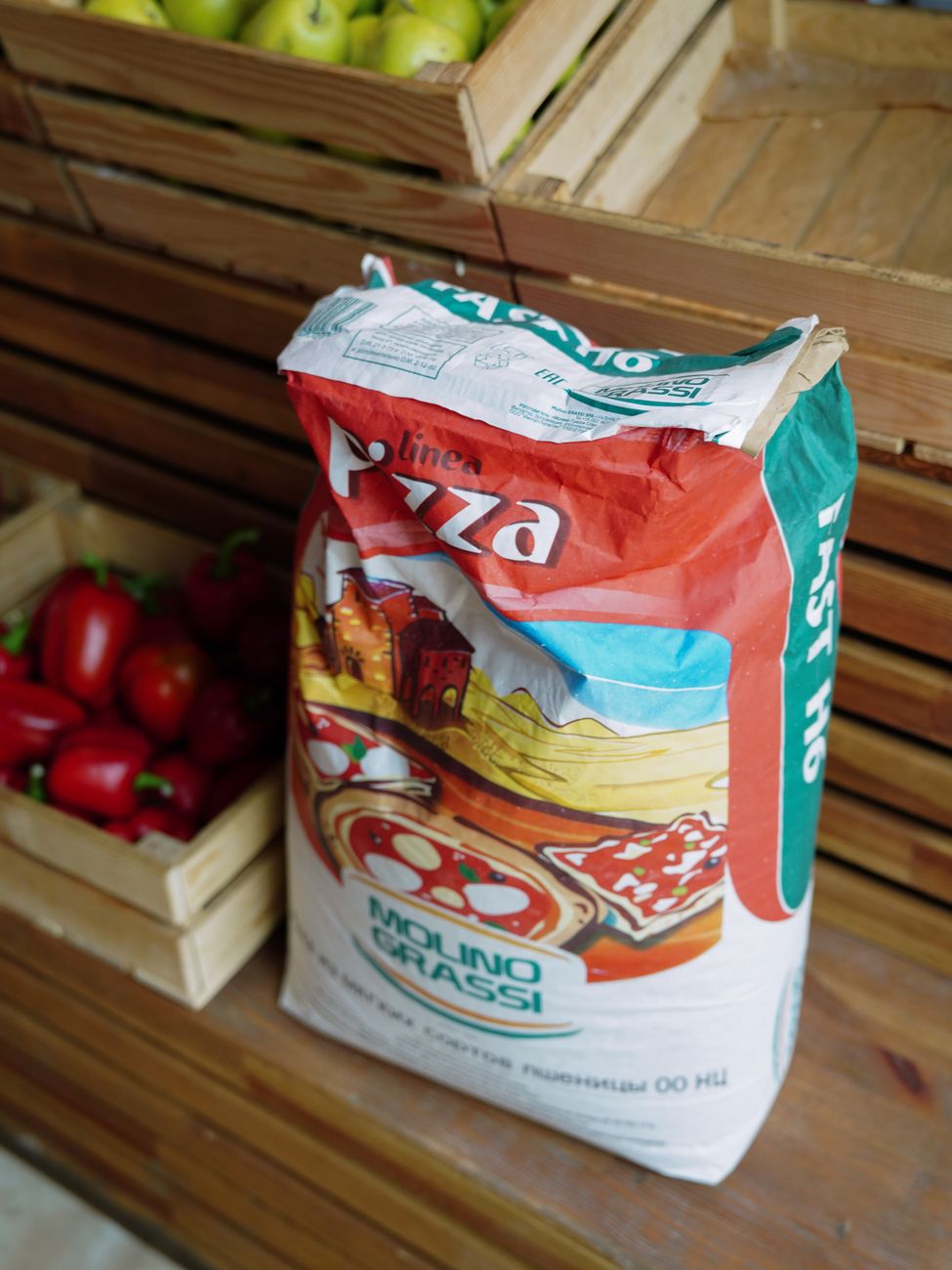
Big bags of flour look practical if you picture homemade bread, pancakes, cookies, and pizza dough. But flour is vulnerable to stale flavor, pantry moths, and spills, especially when it stays in the original paper bag. If you bake in bursts and then stop, the low price per pound can turn into a bulky item that takes up space and eventually gets tossed.
- Check next: how often you bake during an ordinary month, not a holiday month.
- Watch for: open paper packaging, warm cabinets, and no sealed bin.
- Who it helps: households that make bread, tortillas, muffins, or pizza dough regularly.
For occasional bakers, a smaller bag can be the cheaper choice because it is more likely to be used while fresh.
Canned Tomatoes
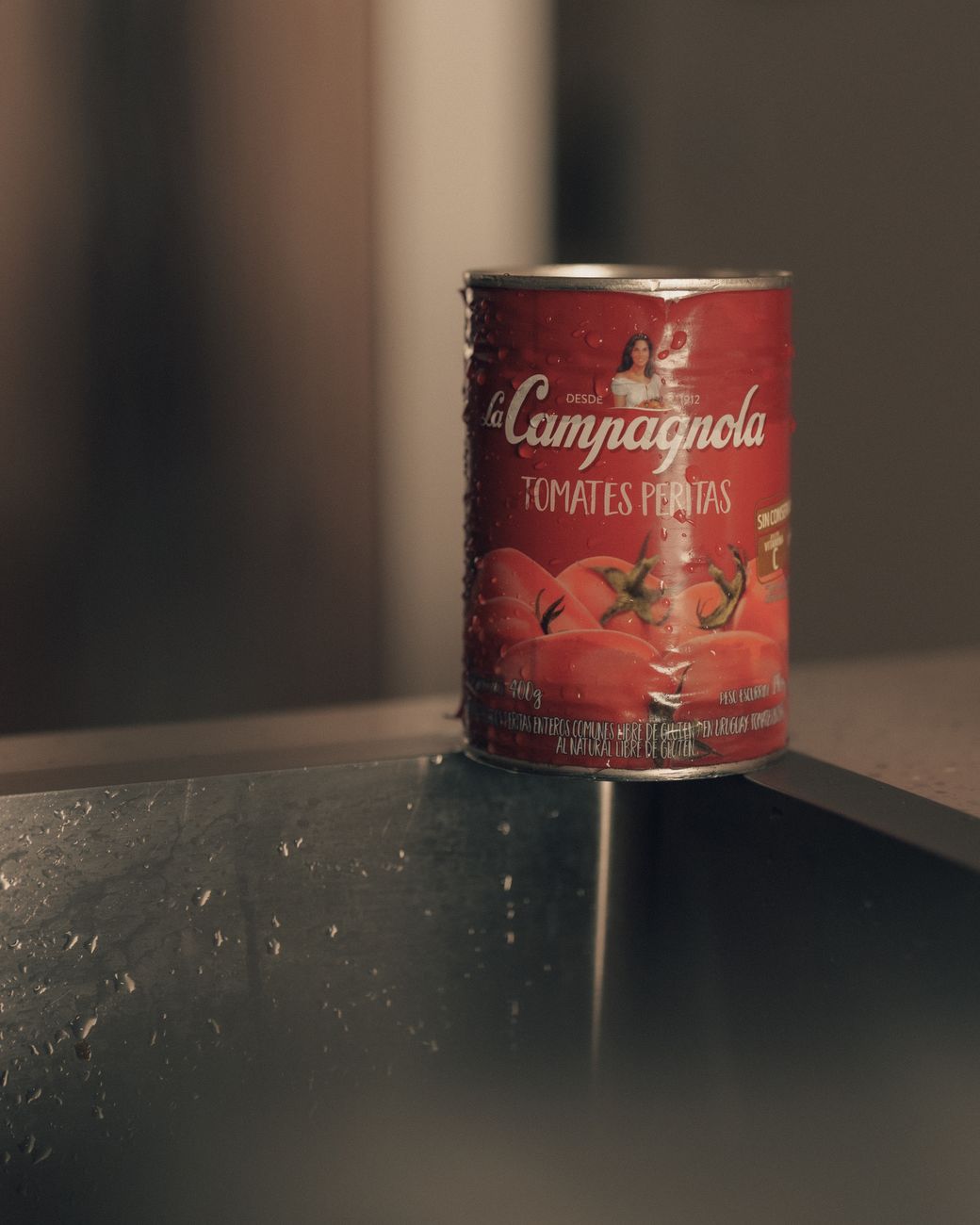
Canned tomatoes are a smart base for soups, chili, pasta sauce, and casseroles, but overbuying can quietly narrow your meals. If every cheap dinner starts tasting like tomato sauce, the family may burn out and ask for other foods. That leads to more grocery trips, extra toppings, or restaurant meals, which wipes out the savings from the sale case.
- Check next: whether you have enough different recipes to use the cans without repetition.
- Watch for: dented cans, forgotten expiration dates, and buying more before using what you own.
- Who it helps: cooks who regularly make sauce, stew, shakshuka, chili, or soup.
The deal works best when canned tomatoes support variety instead of forcing the same dinner again.
Family-Size Oats
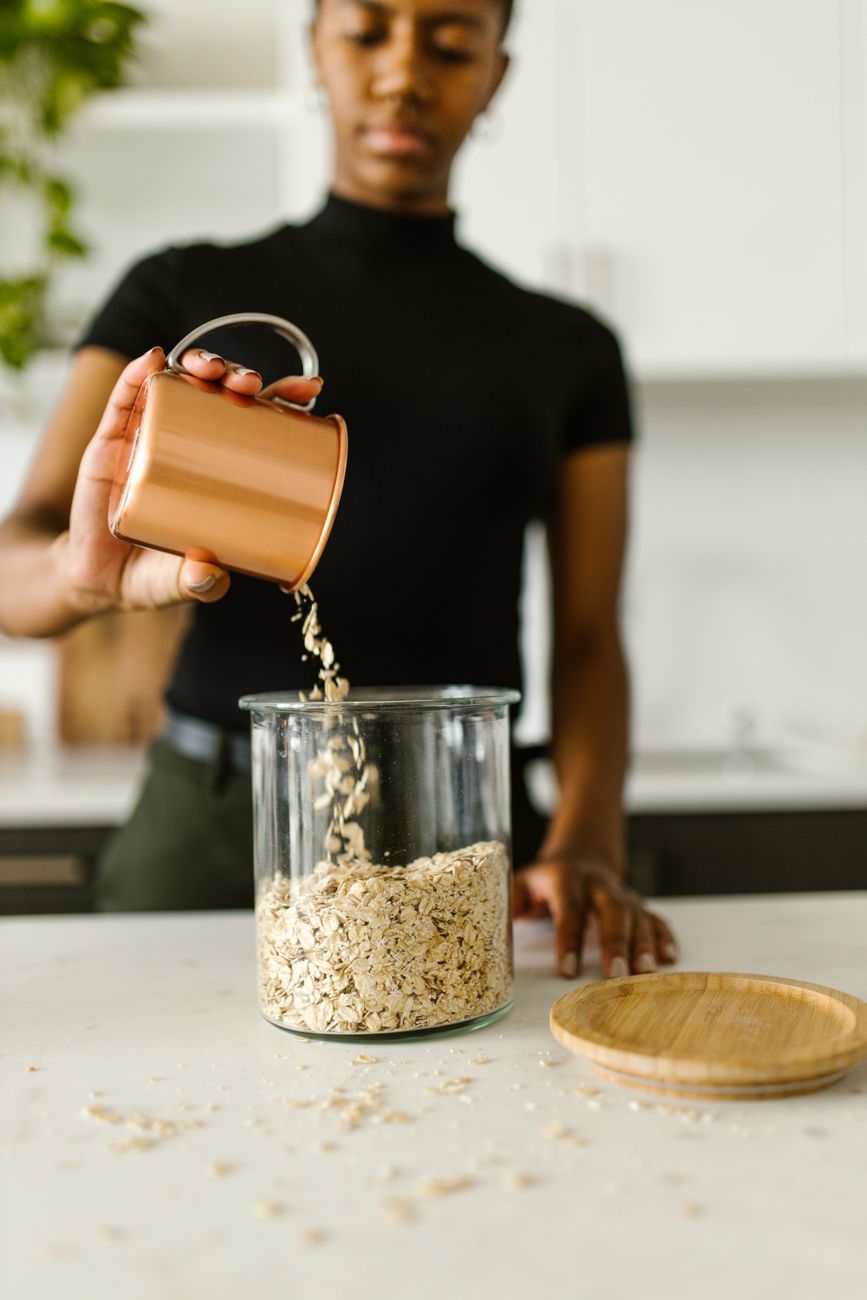
Family-size oats can make breakfasts cheaper, especially compared with boxed cereal or drive-thru food. The problem starts when nobody wants plain oatmeal after the first week. To keep it appealing, households often add nuts, berries, chocolate chips, protein powder, syrups, or specialty milks. Those extras can make the budget breakfast much less budget-friendly.
- Check next: the real cost of the toppings you use to make oats enjoyable.
- Watch for: stale oats, half-eaten bowls, and a breakfast routine people abandon quickly.
- Who it helps: families that use oats for oatmeal, overnight oats, baking, smoothies, and meatloaf binders.
Oats are a bargain when they replace pricier breakfasts, not when they require a cart full of add-ons.
Bargain Spices
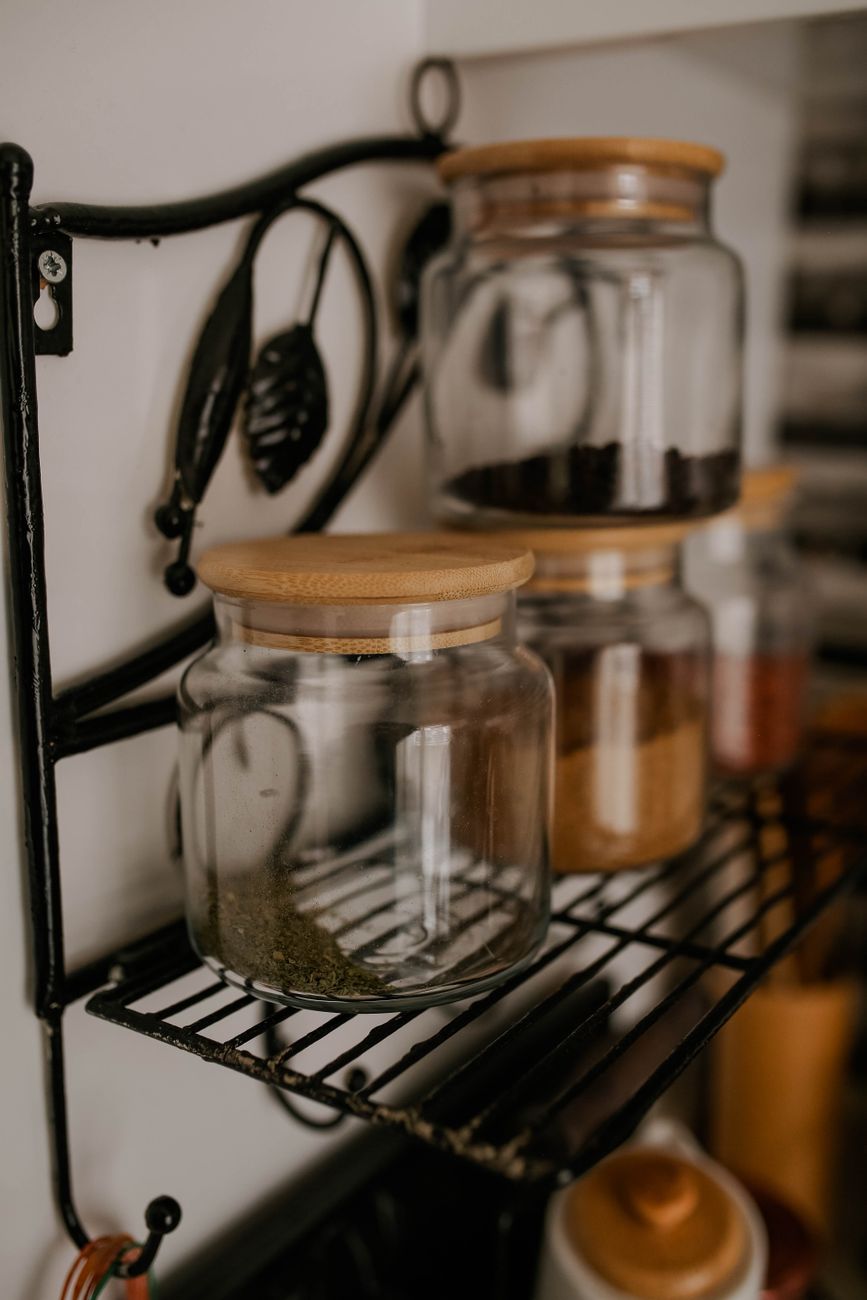
Bargain spices are tempting because a low price makes it easy to grab blends for recipes you might try someday. The catch is freshness and frequency. Ground spices lose aroma over time, and oversized containers can sit for ages if they are not part of your regular cooking. A cabinet full of dull spices can also push you to buy more sauces, marinades, or takeout because home meals taste flat.
- Check next: whether the spice appears in meals you already cook.
- Watch for: huge jars, faded color, weak smell, and duplicate blends.
- Who it helps: home cooks who use the same seasonings several times a week.
A smaller, fresher jar can be a better value than a bargain tub that loses its punch.
Large Jugs of Cooking Oil

Large jugs of cooking oil can seem like an easy way to lower the cost of everyday meals. But oil does not improve with age. Heat, light, and oxygen can affect flavor, especially once the container is opened. If your household uses only a small amount for eggs, roasted vegetables, or occasional baking, the giant jug may sit too long and make food taste off.
- Check next: how quickly you finished your last bottle before buying a larger one.
- Watch for: storage near the stove, loose caps, or a smell that seems stale or sharp.
- Who it helps: larger households and frequent cooks who use oil daily.
The right size matters more than the lowest unit price if freshness affects every meal it touches.
Cheap pantry staples still deserve a place in many kitchens, but the best deal is the one your household will actually use. Before buying the biggest bag, jug, or case, check your storage space, cooking habits, and appetite for repetition. If an item needs special containers, extra toppings, long prep time, or a rescue recipe to avoid waste, the smaller package may be the smarter buy.