

From school supplies to winter bills, these predictable expenses have a way of feeling like surprises.
Some family expenses are not emergencies at all. They just arrive wearing a new costume every season. A few dollars here, a last-minute fee there, and suddenly the month feels tighter than expected.
The tricky part is that many of these costs are predictable. They show up around the same holidays, school calendars, weather changes, and travel windows every year. Spotting them early can help families choose what matters, skip what does not, and avoid paying extra simply because time ran out.
Back-to-School Supply Lists

Back-to-school spending often starts with a simple list and grows into a full cart. Families may need notebooks, folders, lunch boxes, classroom donations, new shoes, sports fees, and a few items that were forgotten until the night before school starts. The trap is not one giant purchase, but the pileup of small required extras.
- What to check: compare the official supply list with what is already in drawers, closets, and last year’s backpack.
- What can go wrong: buying too early can mean missing teacher-specific requests, while buying too late can mean paying more for picked-over basics.
A quick home inventory before shopping can prevent duplicates and help kids reuse supplies that still work.
Halloween Costume Creep

Halloween looks inexpensive when it starts with one costume. Then come the shoes, makeup, props, classroom treats, neighborhood candy, pumpkin carving tools, and maybe a themed family outfit for photos. For households with multiple kids, the total can jump quickly, especially when a popular character sells out and the only option left is a pricier version.
- Who it affects: parents trying to make the night fun without turning one evening into a major shopping trip.
- What to check: dress-up bins, old sports uniforms, craft supplies, and hand-me-down costumes before buying new.
The best savings often come from setting the costume plan early, before panic shopping takes over.
Thanksgiving Grocery Overbuying

Thanksgiving spending can sneak up because the meal feels traditional, emotional, and hard to scale down. Many families buy the largest turkey, extra sides, backup desserts, special ingredients, disposable pans, and decorations just in case. The result is often a refrigerator packed with leftovers that not everyone wants to eat for a week.
- Why it matters: food waste turns a generous meal into a quiet money leak.
- What to check: guest count, realistic portion sizes, and which dishes people actually look forward to eating.
Choosing fewer crowd favorites can feel more special than filling the table with dishes that barely get touched.
December Gift Pileups

December gift spending rarely comes from the main presents alone. The pile grows with teacher gifts, office exchanges, stocking stuffers, shipping charges, gift wrap, hostess gifts, last-minute toys, and small items bought to make every person feel evenly covered. When families shop in several short bursts, it becomes harder to see the real total.
- What can go wrong: buying without a written list can lead to duplicate gifts and expensive filler items.
- What to check: names, spending limits, delivery deadlines, and whether an experience or shared outing would work better.
A firm gift list is not about being stingy; it keeps generosity from turning into clutter and regret.
Winter Utility Spikes
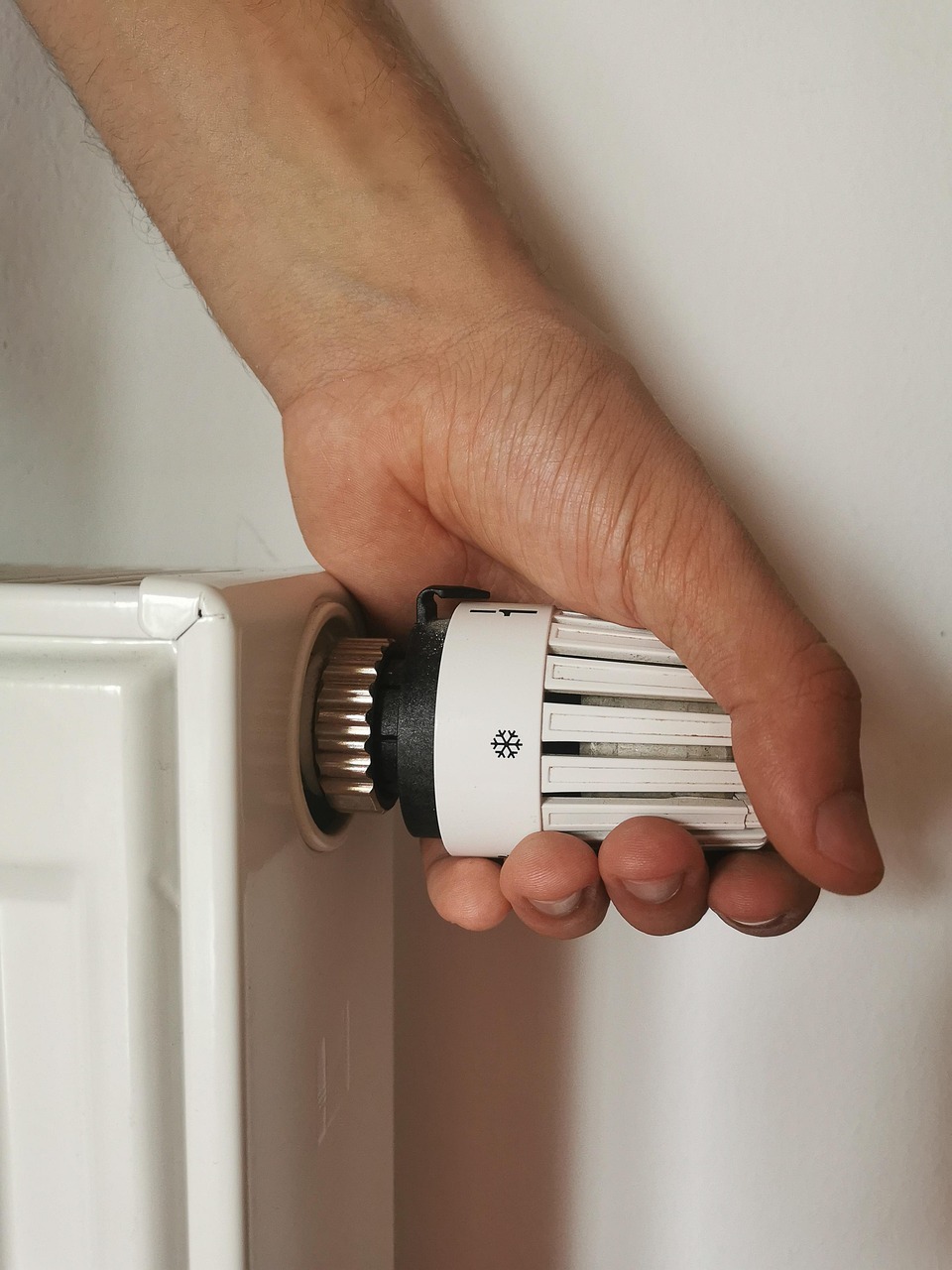
Cold weather can make a normal household bill feel suddenly oversized. Heating systems work harder, lights stay on longer, hot showers stretch out, and space heaters may run in rooms that never seem warm enough. The trap is assuming the bill is unavoidable without checking the small habits and home issues that add to it.
- Who it helps: families in older homes, drafty apartments, or houses where everyone has a different comfort level.
- What to check: thermostat settings, weather stripping, furnace filters, unused rooms, and forgotten space heaters.
Even modest changes can make the bill less surprising when the coldest part of the season arrives.
Summer Camp Sign-Ups

Summer care can become one of the biggest seasonal surprises for working families. Camp prices, registration fees, deposits, extended-day charges, field trip fees, activity gear, sunscreen, lunch supplies, and transportation can all land before summer has even started. Waiting too long may also leave only premium options or inconvenient schedules.
- Why it matters: these costs often arrive while families are still paying for spring sports, school events, and vacation plans.
- What to check: early-bird deadlines, sibling discounts, refund rules, daily hours, and what supplies are included.
The sticker price is only part of the story; the full weekly cost is what belongs in the family calendar.
Vacation Add-On Fees

A family vacation can look affordable during the first search and cost much more by checkout. Baggage fees, seat selection, resort fees, parking, rental car add-ons, tolls, attraction tickets, snacks, sunscreen, and convenience purchases all compete for attention once everyone is on the move. The trap is planning for the headline price instead of the trip people will actually take.
- What can go wrong: small fees feel easier to accept when kids are tired and plans are already locked in.
- What to check: baggage rules, parking costs, kitchen access, cancellation terms, and daily spending limits.
A simple add-on list can show whether the bargain trip is still a bargain after real-life costs.
Annual Subscription Renewals

Annual subscriptions are easy to forget because they disappear after sign-up and return months later as a charge that feels random. Streaming bundles, cloud storage, apps, warehouse clubs, kids’ learning platforms, fitness programs, antivirus tools, and delivery memberships may renew during expensive months when families are focused on holidays, travel, or school costs.
- Who it affects: households that share logins, rotate services, or sign up for free trials during busy seasons.
- What to check: renewal dates, actual usage, duplicate services, and whether a monthly plan is safer for uncertain needs.
Putting renewal dates on a calendar gives families a chance to cancel, downgrade, or pause before the charge lands.
Seasonal spending traps work because they feel familiar, urgent, and harmless in the moment. The fix is not to skip every tradition or say no to every convenience. It is to name the recurring costs before they arrive.
A family calendar with school dates, holidays, weather-related bills, renewals, and travel windows can turn surprises into choices. Once the pattern is visible, it gets much easier to spend on what the family actually values and cut the costs that only showed up because nobody had time to question them.