
Putting off basic car care can feel like saving money, until the smaller bill becomes the larger one.
Car ownership gets expensive fast when little problems are allowed to stack up. A warning light, a slow leak, a squeal, or a tiny chip can look harmless for weeks, then suddenly turn into a repair that costs far more than the original fix. These are the common car costs that often punish drivers for waiting too long.
Overdue Oil Changes
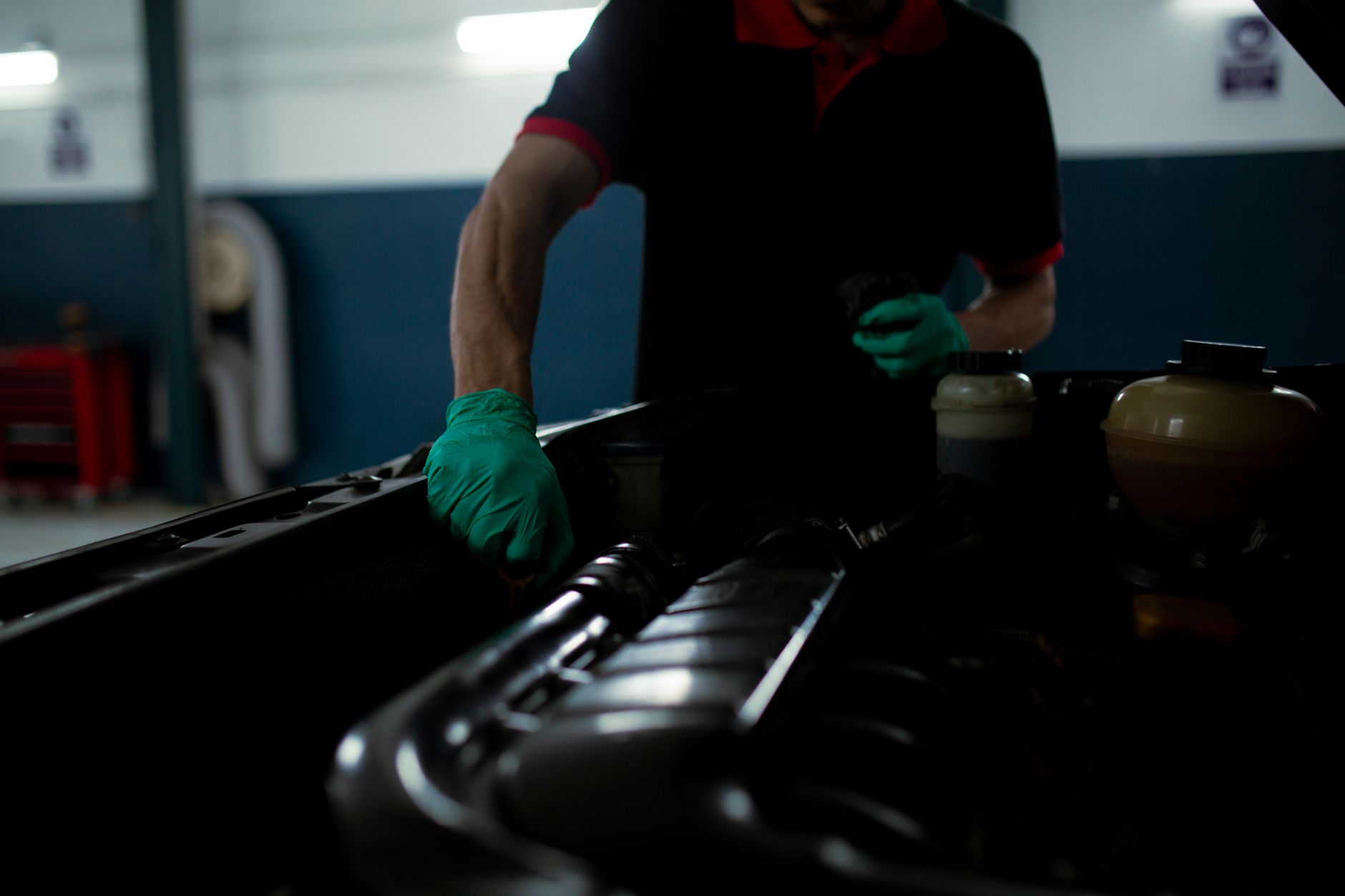
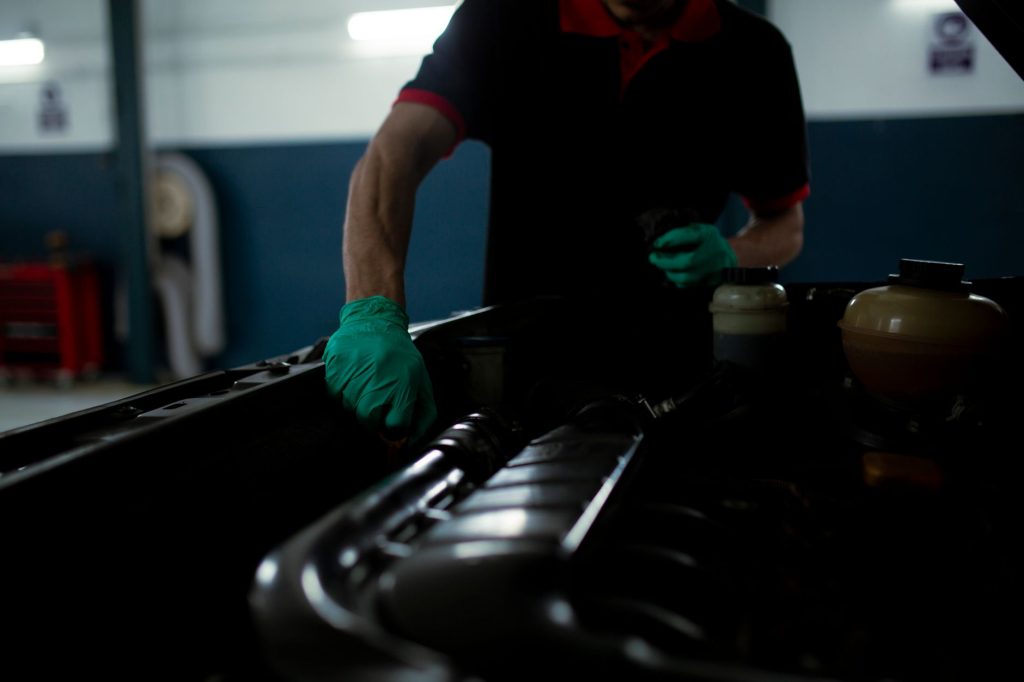
An oil change is easy to postpone because the car may still start, drive, and sound normal. The problem is that old oil loses its ability to protect moving engine parts. Dirt, heat, and low oil levels can make the engine work harder, and the bill can move from basic maintenance to serious repair.
Why it matters: drivers who wait too long may also lose fuel efficiency, shorten engine life, or trigger extra inspection costs when a shop has to diagnose noise or sludge-related problems.
- Check the maintenance schedule for your vehicle.
- Look for oil level drops between services.
- Do not ignore burning smells or knocking sounds.
Squealing Brake Pads
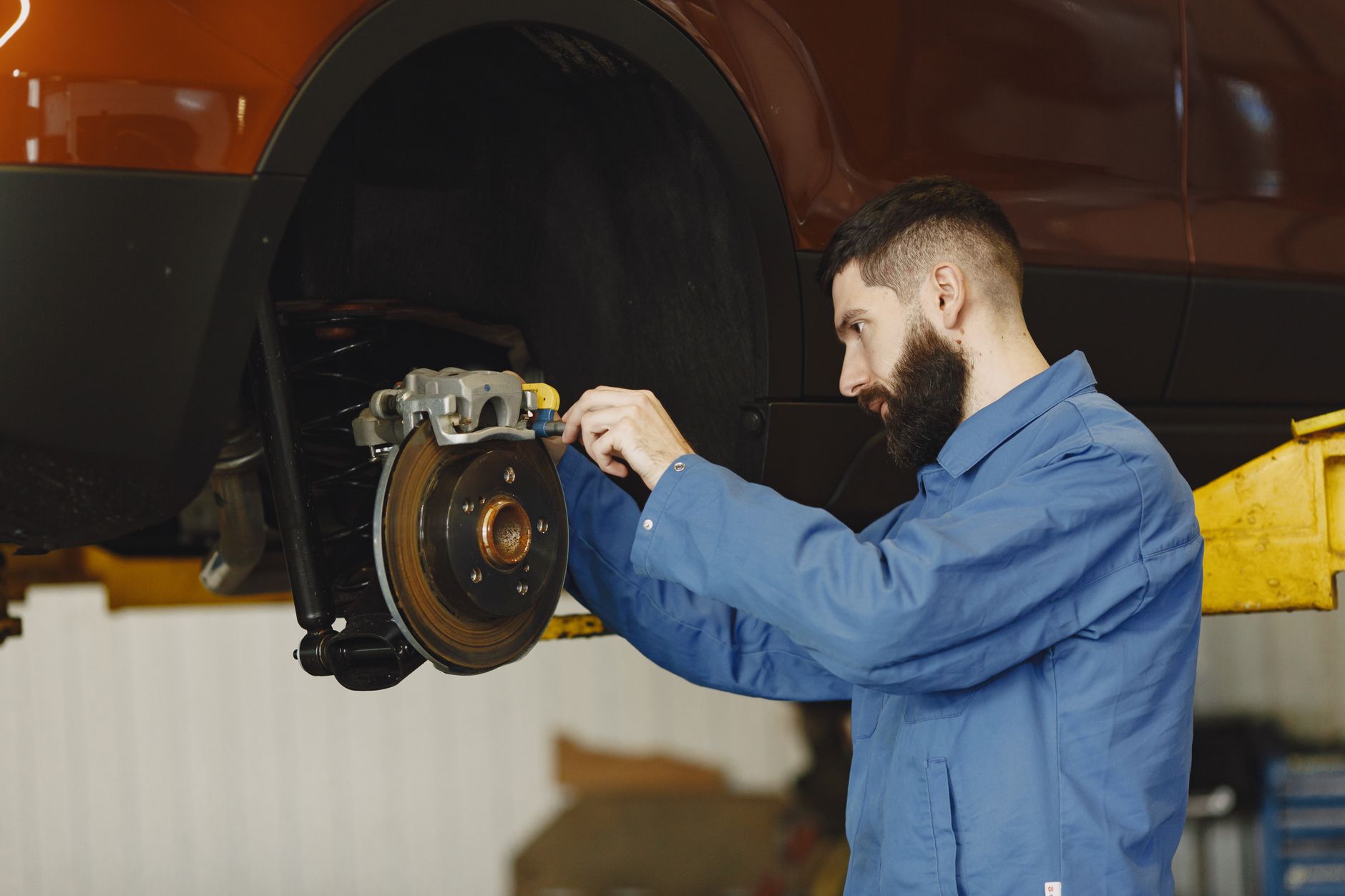
Brake pads are designed to wear down, but the cheap part of the repair is replacing them before they damage other components. A squeal or grinding noise can be a sign that pads are thin, and waiting may lead to damaged rotors or calipers. That turns a routine visit into a much larger invoice.
Who it affects: commuters, parents, rideshare drivers, and anyone who drives in stop-and-go traffic can wear pads faster than expected. Delaying this repair also affects safety, not just the budget.
- Listen for squealing, scraping, or pulsing.
- Ask for pad thickness during tire rotations.
- Price the repair before metal-on-metal grinding starts.
Bald Tires and Bad Alignment
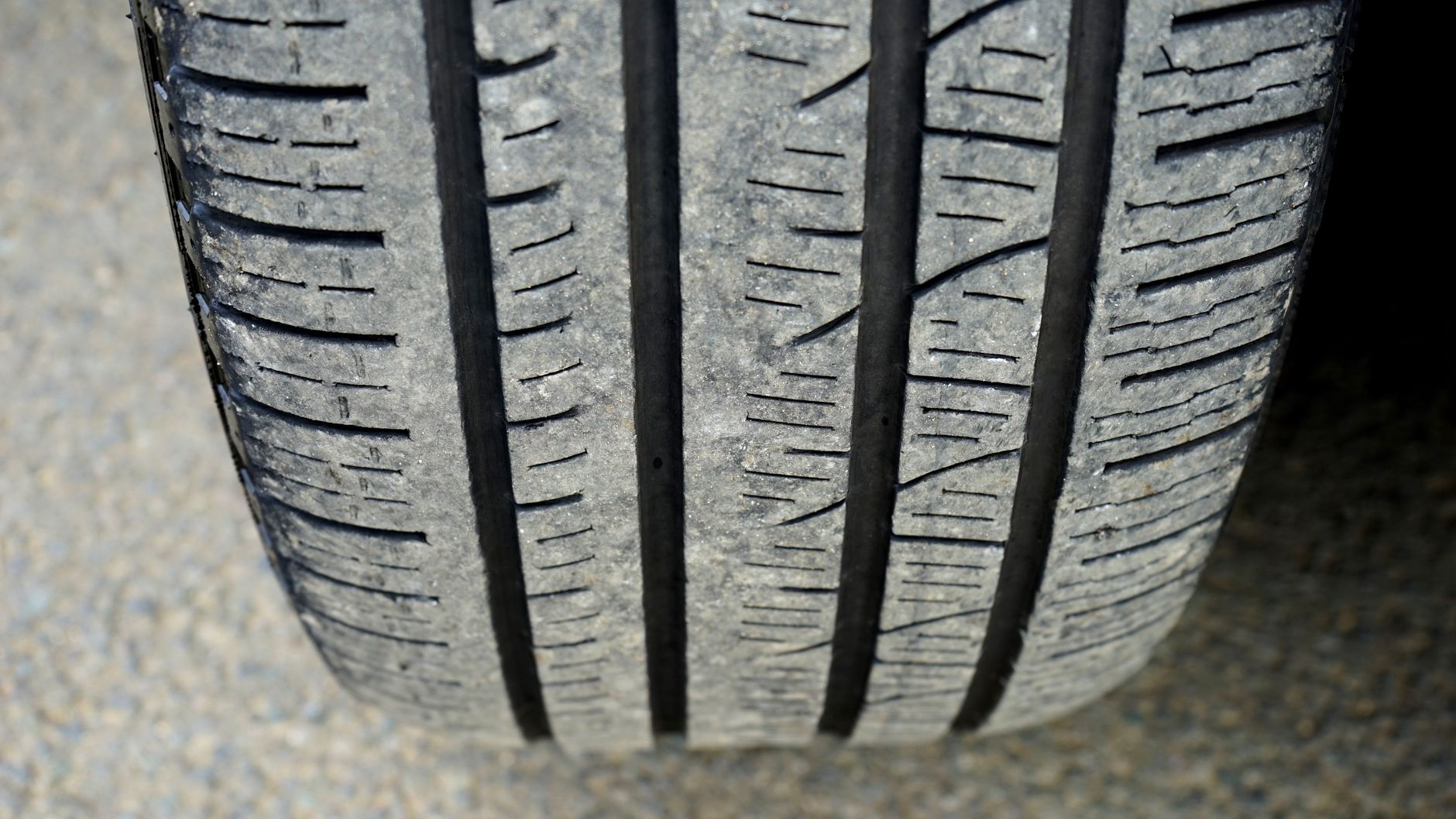
Tires are one of the biggest repeat costs of owning a car, and neglect can make them wear out early. Low pressure, skipped rotations, and poor alignment can chew through tread unevenly. By the time the car starts pulling to one side, the driver may already be shopping for tires sooner than planned.
What can go wrong: worn tires can reduce traction in rain, increase stopping distance, and hurt fuel economy. The smarter move is usually prevention, because small adjustments can stretch the life of an expensive set.
- Check tire pressure monthly.
- Rotate tires on schedule.
- Get alignment checked after pothole hits or uneven wear.
Weak Car Batteries
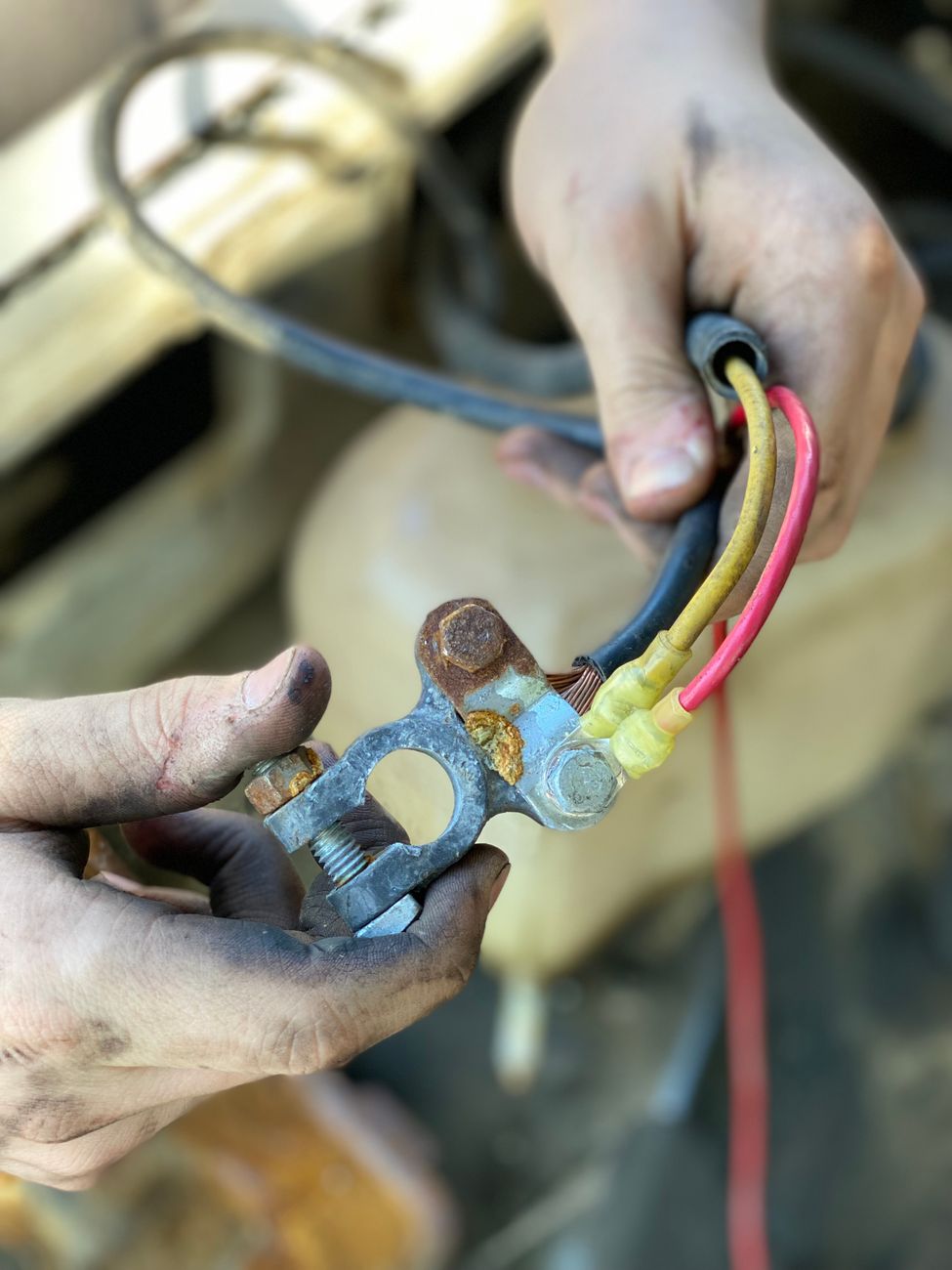
A weak battery often gives warnings before it strands someone: slow starts, flickering lights, or corrosion around the terminals. Many drivers wait because the car still turns over most mornings. Then one cold day, one long errand, or one forgotten cabin light creates an emergency purchase with fewer choices and higher stress.
Why it costs more: a dead battery can lead to towing, roadside assistance fees, missed work, or paying whatever price is available nearby. Testing the battery early gives you time to compare options and avoid panic buying.
- Have the battery tested before extreme weather.
- Clean corrosion from terminals safely.
- Watch for slow cranking at startup.
Coolant Leaks
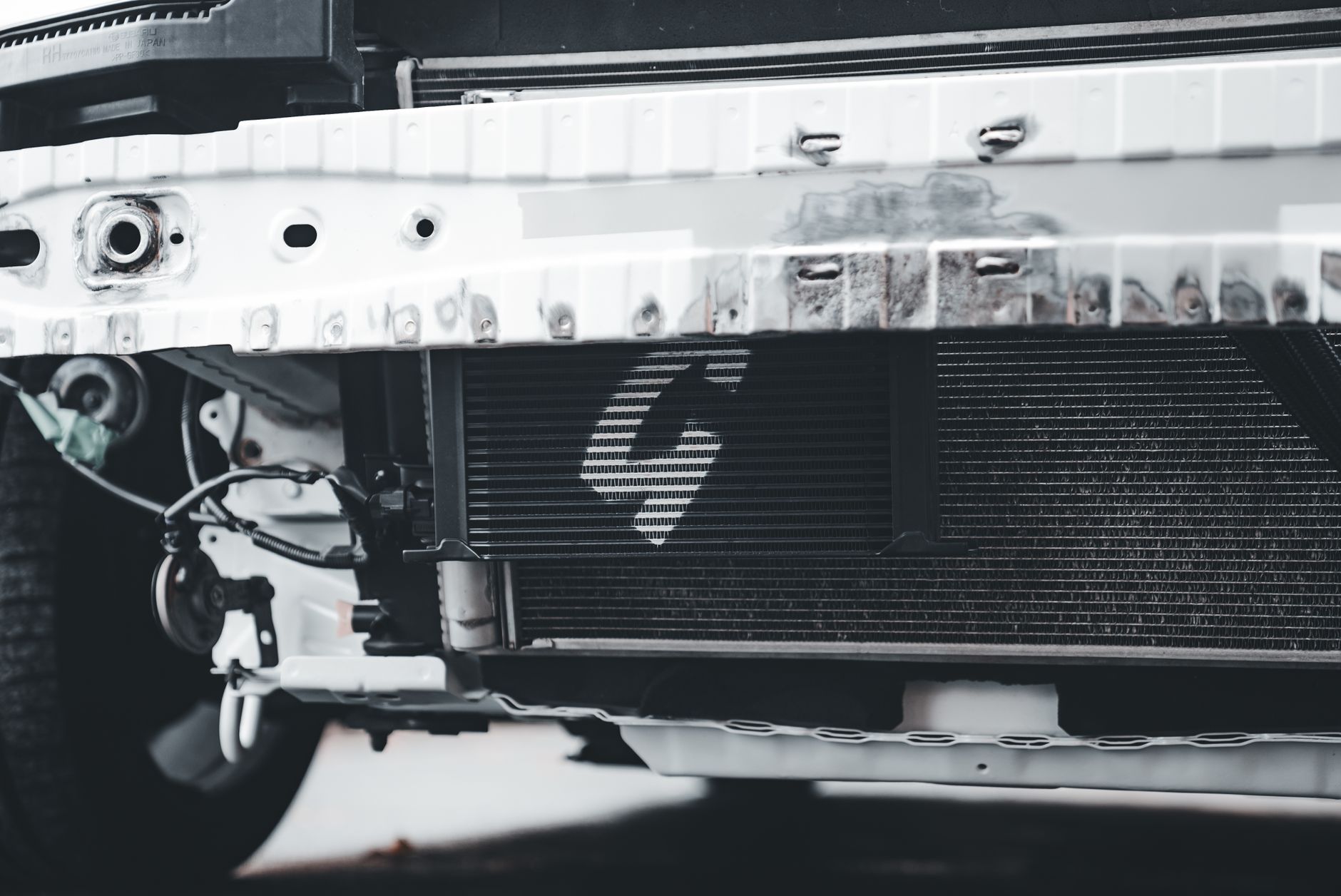
A small coolant leak can look like a minor nuisance, especially if the car only leaves a few drops on the driveway. But coolant protects the engine from overheating, and running low can cause much bigger damage. A cheap hose, cap, or clamp can become a radiator, water pump, or engine problem if ignored.
What to check next: watch the temperature gauge, inspect the reservoir level when the engine is cool, and pay attention to sweet smells or steam. Overheating is one of those car problems where waiting can erase any short-term savings fast.
- Never open a hot radiator cap.
- Look for puddles after parking.
- Book service quickly if the temperature gauge rises.
Check Engine Lights
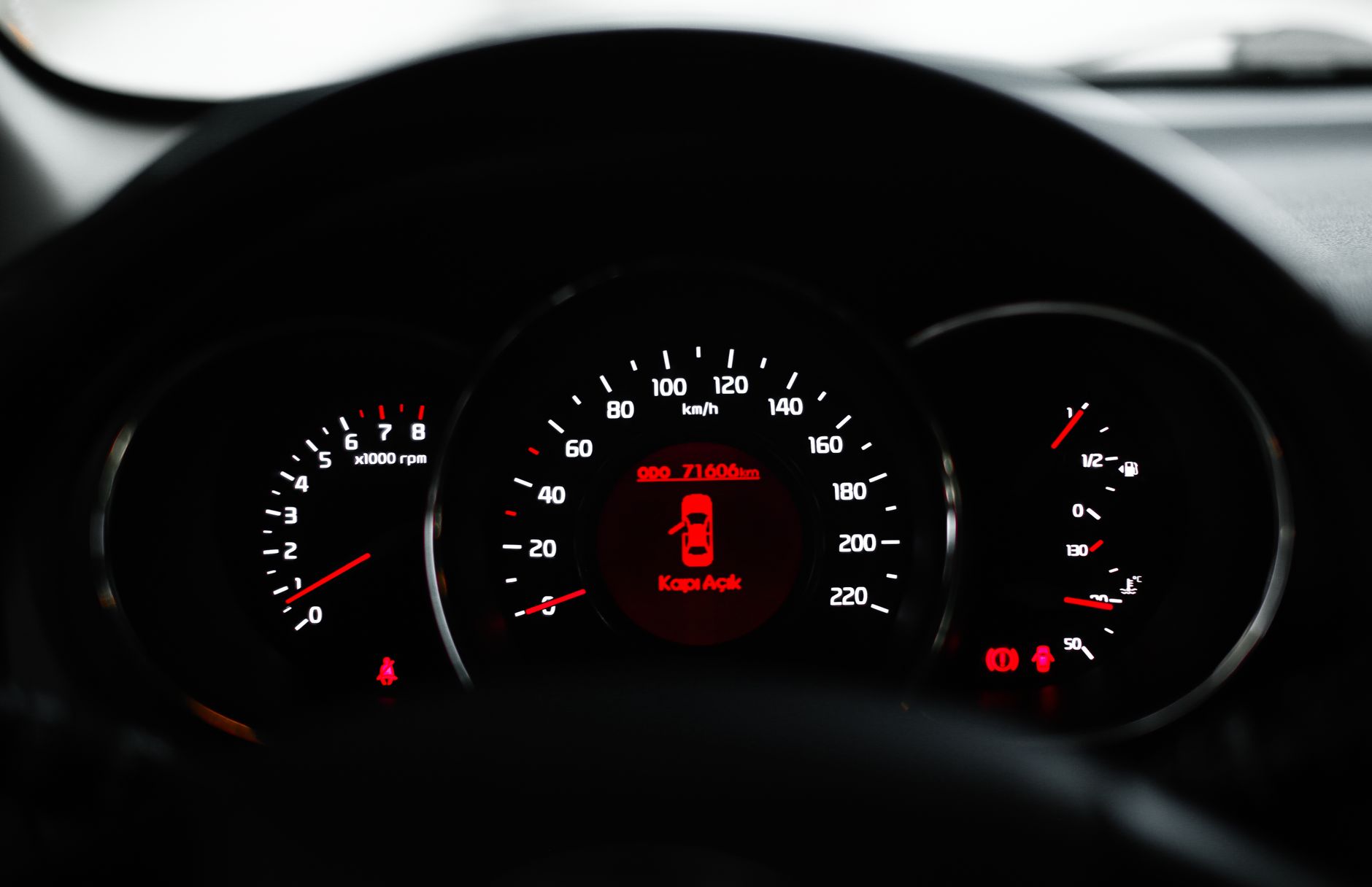
A check engine light is easy to rationalize when the car feels fine. The risk is that one unresolved issue can cause another. A loose gas cap may be simple, but sensor problems, misfires, emissions issues, or fuel-system trouble can become more expensive when the vehicle keeps being driven without a diagnosis.
Why it matters: waiting can reduce fuel economy, make inspection harder, and leave drivers guessing instead of budgeting. A diagnostic scan does not always mean an immediate major repair, but it gives you information before the problem spreads.
- Check the gas cap first if the light appears.
- Do not ignore flashing warning lights.
- Ask the shop to explain codes and urgency.
Small Windshield Chips
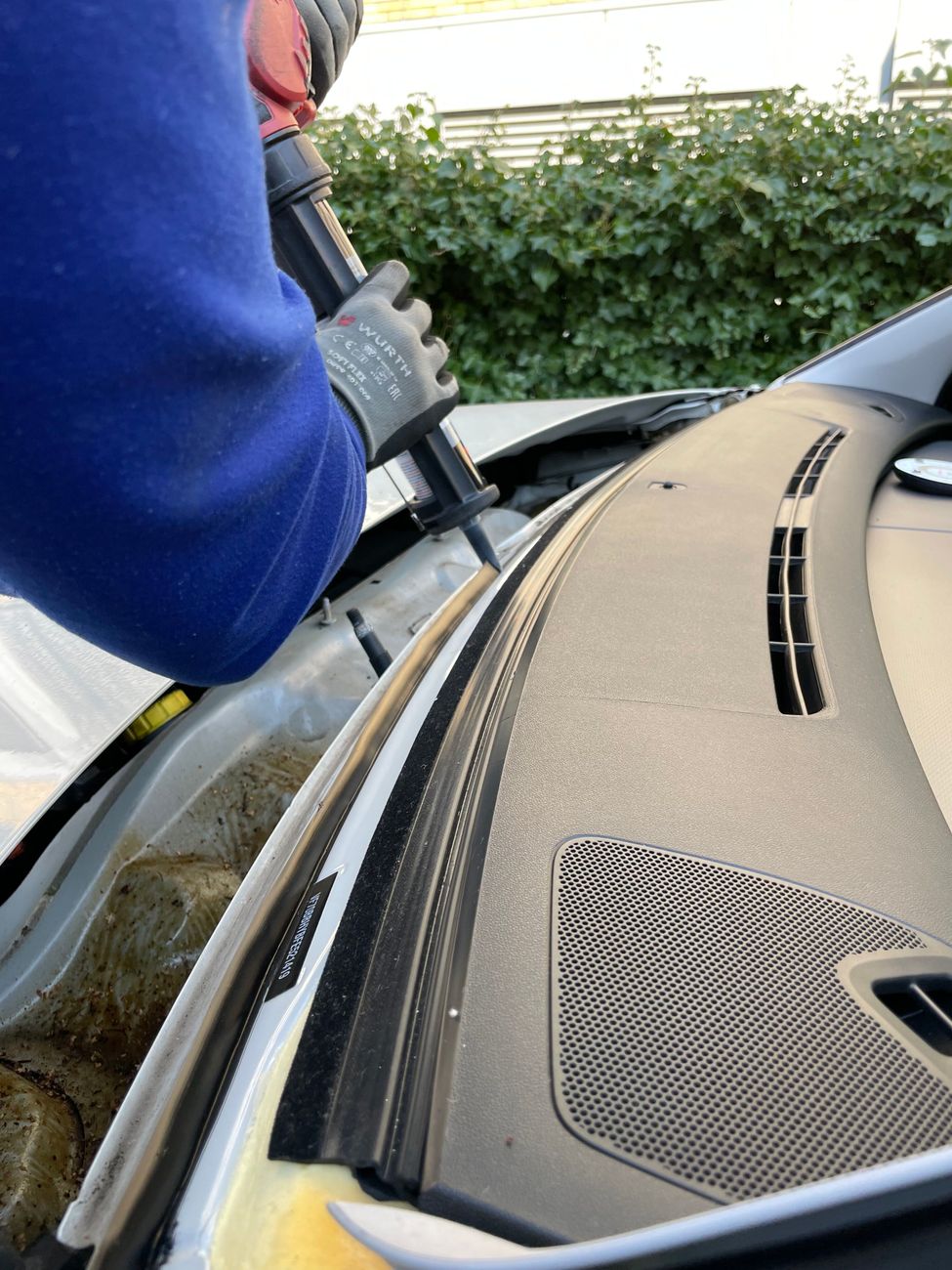
A tiny windshield chip may seem cosmetic until heat, cold, vibration, or another bump turns it into a long crack. Many chips can be repaired quickly when caught early, but a spreading crack may require full windshield replacement. That is the difference between a small inconvenience and a larger ownership cost.
Who it helps: drivers who park outside, commute on highways, or live where road debris and temperature swings are common should act quickly. Visibility and inspection rules can also become issues, depending on where the crack sits.
- Cover the chip temporarily to keep dirt out.
- Repair it before it spreads across the glass.
- Check whether insurance includes glass coverage.
The money-saving move is not fixing everything at once. It is knowing which small problems get more expensive with time. A simple maintenance calendar, tire-pressure check, battery test, and quick response to warning signs can help drivers avoid turning routine car care into surprise bills.