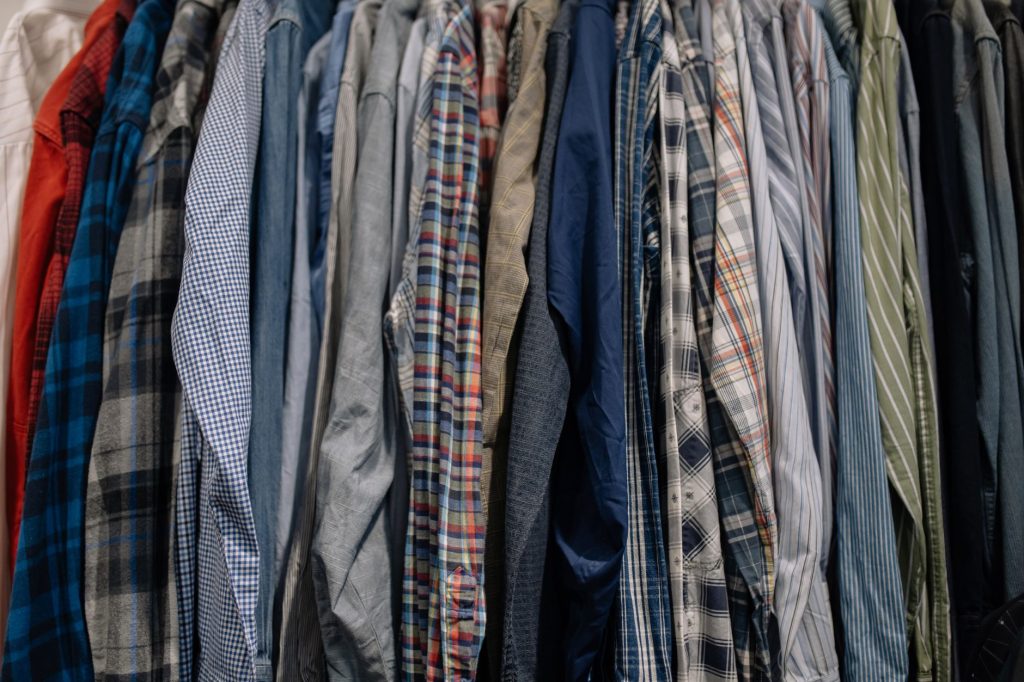

A quick closet check can stop the repeat purchases that feel small in the moment but turn into wasted space, wasted time, and wasted money.
The cheapest shopping trip may be the one you cancel after opening your closet. Most repeat buys do not feel reckless at the register. They feel practical, urgent, or harmless: one more shirt for dinner, one more hoodie for weekends, one more pair of shoes because the old ones are somewhere in the house. The problem is that closets often hide better versions in plain sight. These five repeat purchases are worth checking before you spend again.
The One-Dinner Dress Shirt
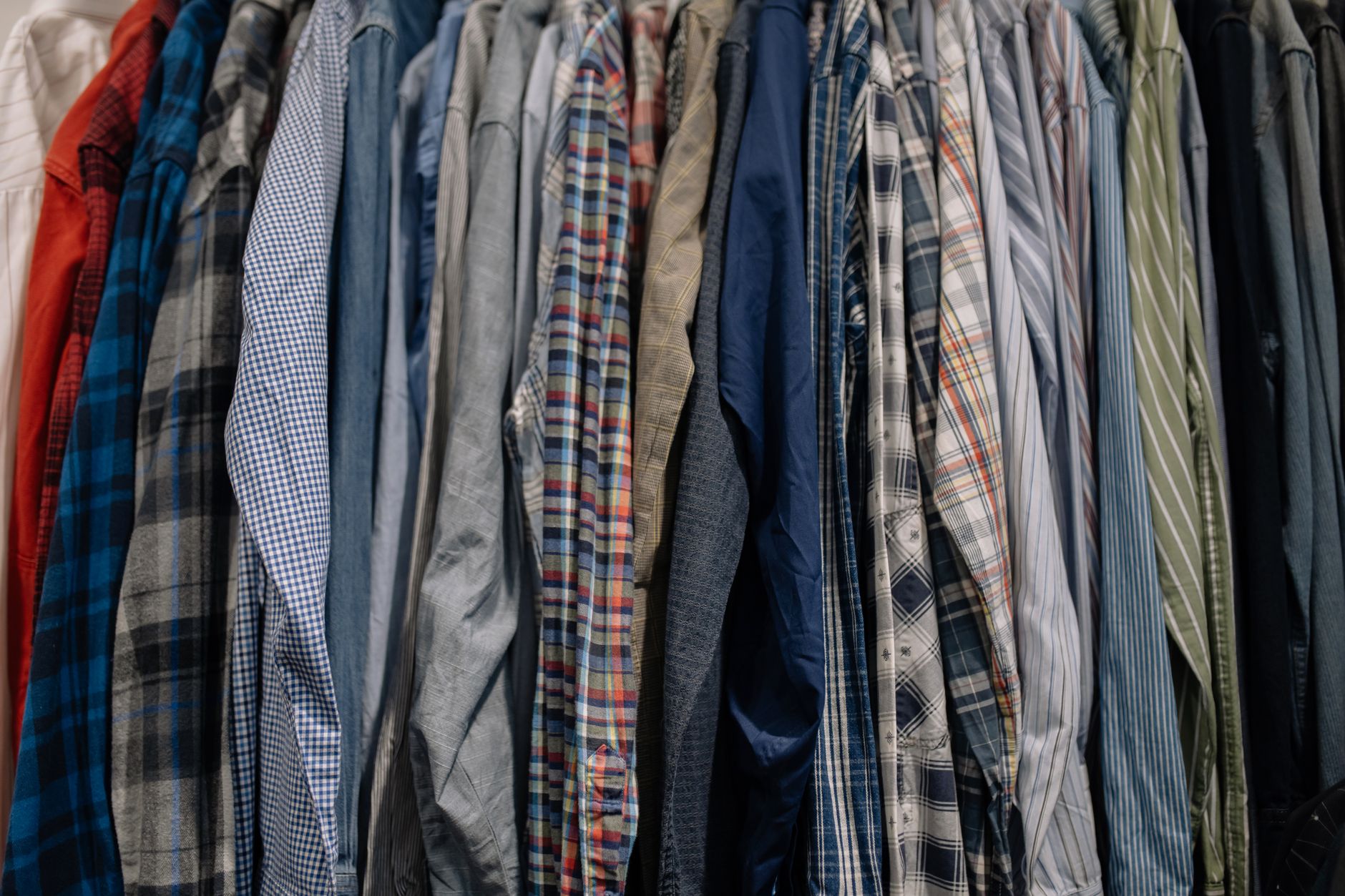
The dress shirt bought for a dinner, wedding weekend, work event, or holiday photo often becomes a repeat purchase because the closet feels more chaotic than it is. People remember needing a shirt, not owning three workable ones. That is how a simple event turns into another rushed purchase.
- Why it matters: event clothing is often bought under time pressure, which makes price, fit, and usefulness easier to ignore.
- Who it helps: anyone with work gatherings, school events, family photos, or semi-formal plans can save by choosing the best existing shirt first.
- What to check next: try on the shirts you already own, remove the ones that no longer fit, and keep one clean, ready option where you can actually see it.
A better version may already be hanging there. It just needs ironing, a missing button fixed, or a spot in the closet that is not buried behind rarely worn clothes.
The Weekend Hoodie
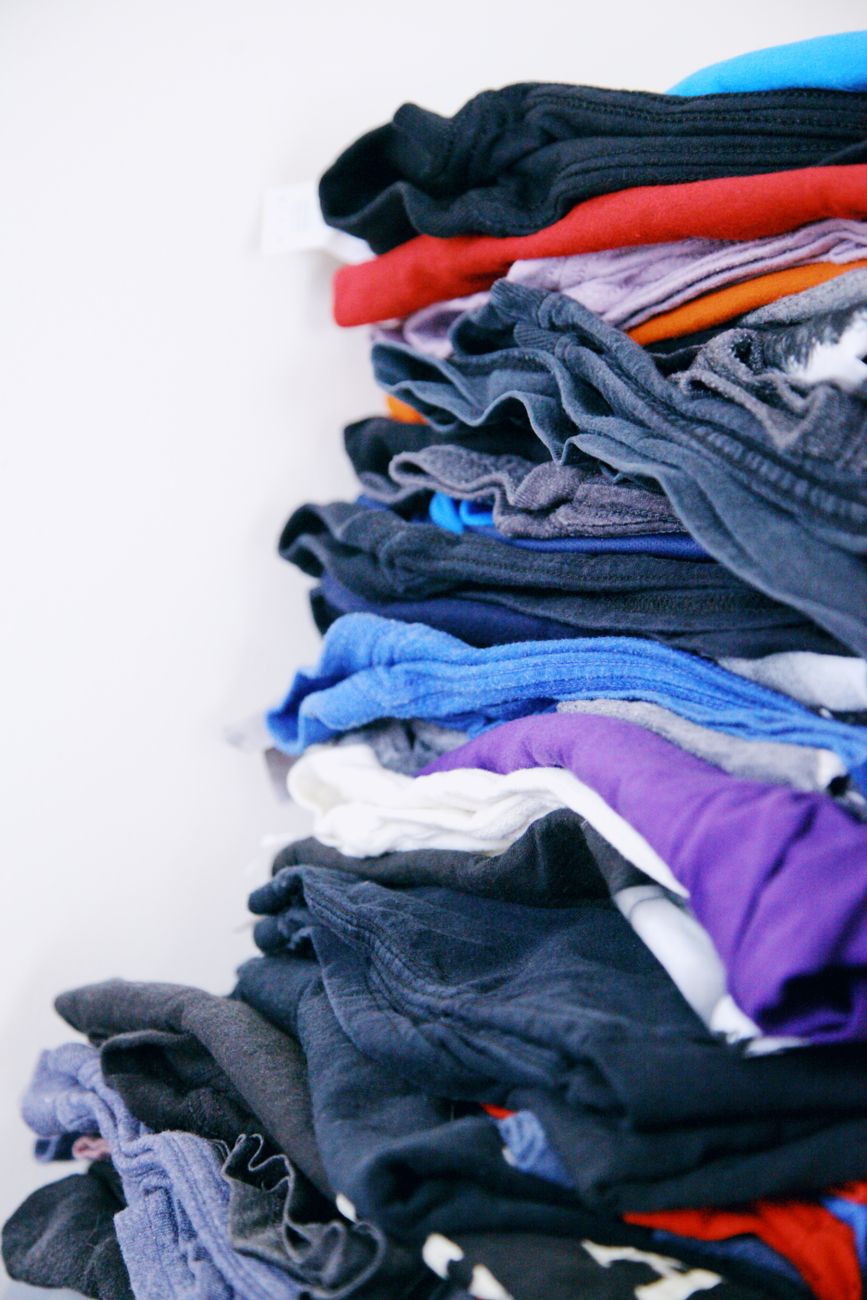
Hoodies are easy to justify because they feel useful, comfortable, and low-risk. The trouble is that most people end up wearing the same favorite one anyway. The newer hoodie may look good on the shelf, but the older one wins because it fits right, feels soft, and already survived the laundry.
- Why it matters: casual duplicates quietly eat closet space and make it harder to find the clothes you actually reach for.
- Who it helps: adults who work from home, run weekend errands, drive kids around, or want comfortable layers without buying another nearly identical item.
- What can go wrong: buying a new hoodie because the favorite one is temporarily dirty can turn laundry procrastination into a spending habit.
Before buying another, ask whether the new one solves a real problem. If it has the same weight, color, and purpose as the hoodie you already wear, the better buy may be detergent and a hanger.
The Free Tote Bag Pile
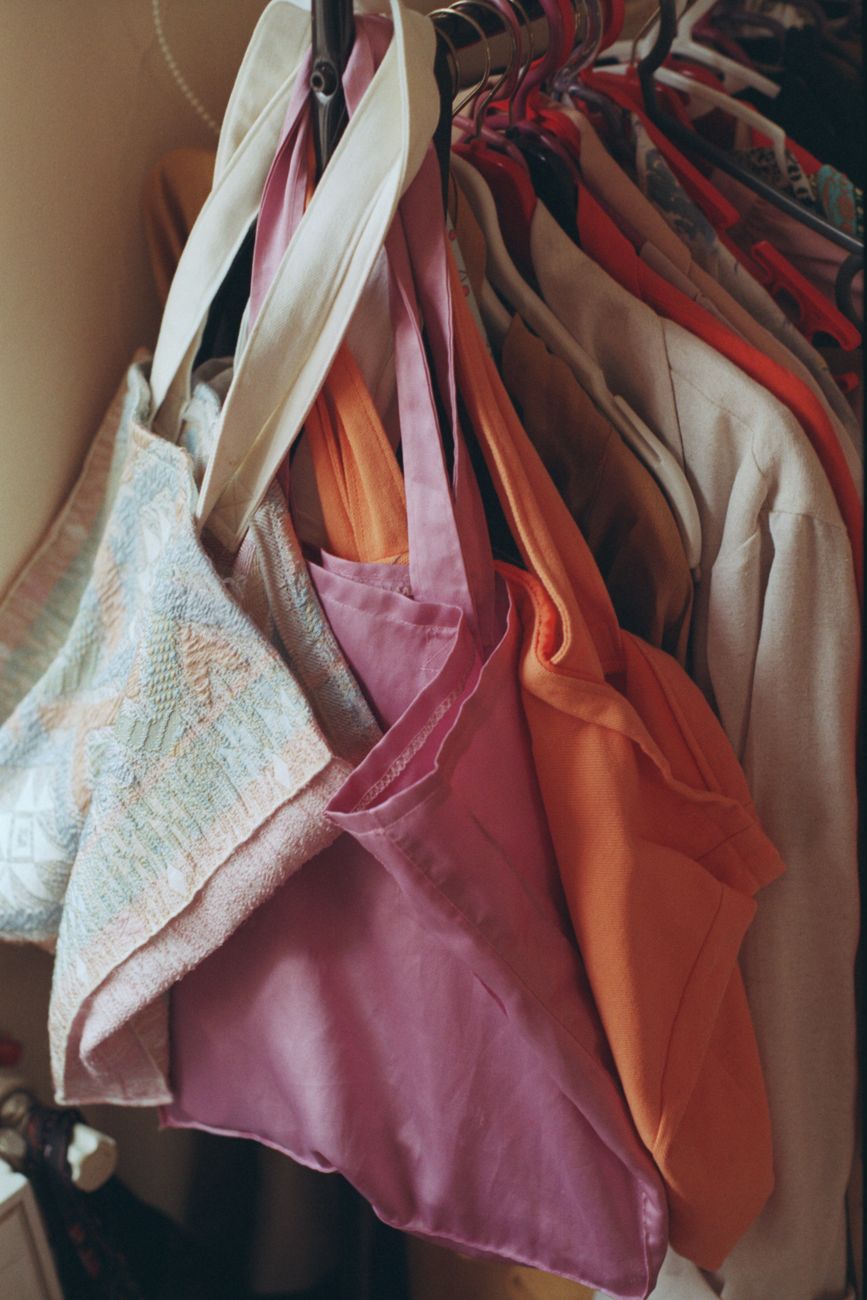
Tote bags are sneaky because many enter the house for free or as an add-on: conferences, bookstores, grocery runs, school events, fundraisers, and promotional giveaways. Then a nicer one appears at checkout, and it seems cheap enough to grab. Soon the closet has a whole stack, while you still forget to bring one to the store.
- Why it matters: the waste is not only the price of another bag, but the clutter that makes the useful ones harder to find.
- Who it helps: grocery shoppers, commuters, parents, library users, and anyone who carries small loads regularly.
- What to check next: keep two or three sturdy bags in predictable places: the car, the entryway, or inside your work bag.
The best tote is usually not the newest one. It is the one with strong handles, enough room, and a home that makes it easy to remember.
The Same-Job Sneakers
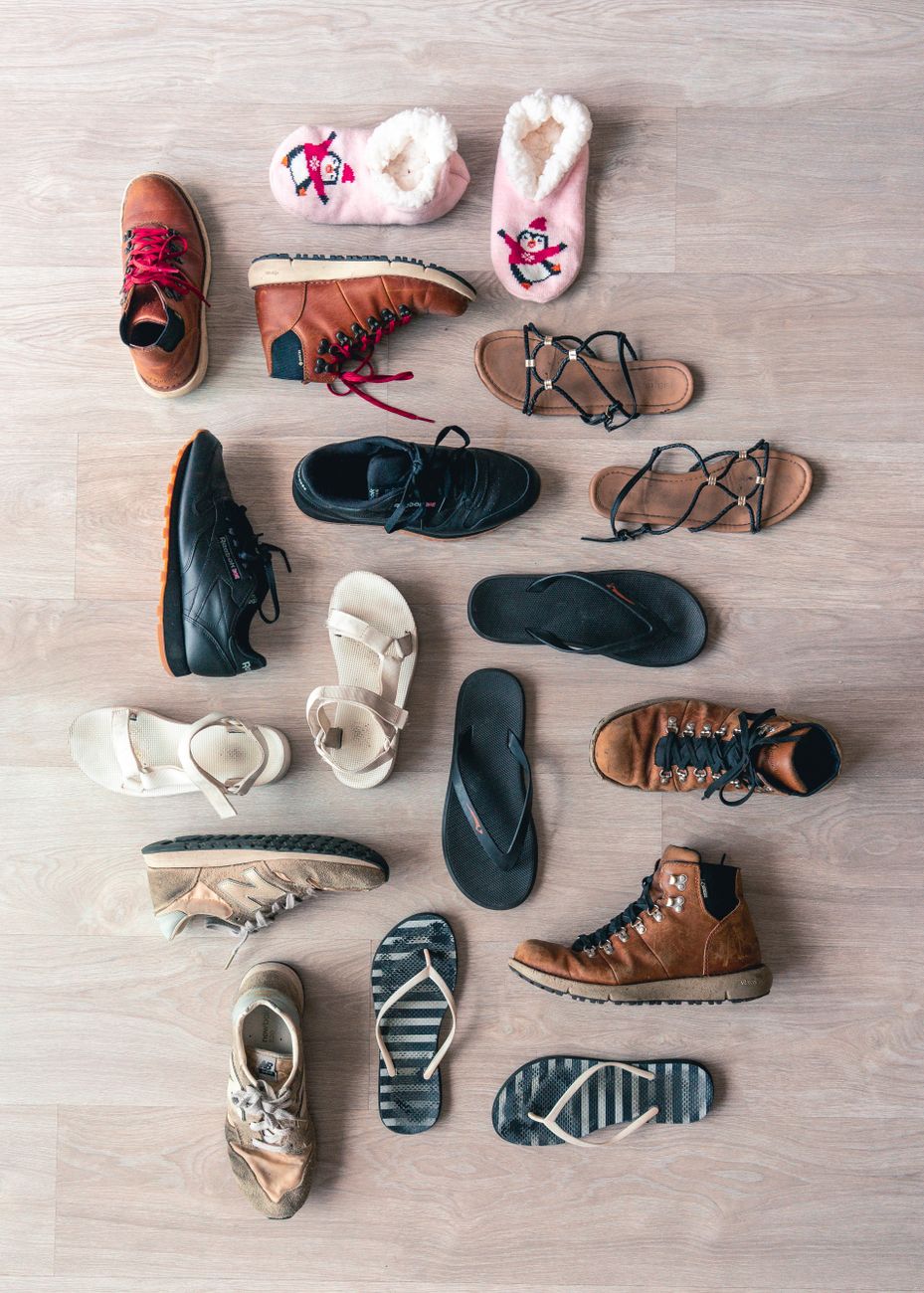
Sneakers are one of the easiest closet repeats because small differences feel bigger in the store than they do in real life. One pair is for errands, one is for walks, one is for casual Fridays, and one was bought because the old pair looked tired. But if they all do the same job, the closet may already have the better version.
- Why it matters: shoes cost more than many impulse buys, and a poor fit can become wasted money fast.
- Who it helps: walkers, commuters, parents, travelers, and anyone who buys shoes for comfort but keeps returning to the same broken-in pair.
- What can go wrong: a new pair that pinches, slips, or feels stiff may sit unused while the older, more comfortable pair keeps doing all the work.
Check soles, support, and actual comfort before replacing. If the older pair is still safe and wearable, clean it and give it a clear role instead of buying another near-copy.
The Extra Winter Coat
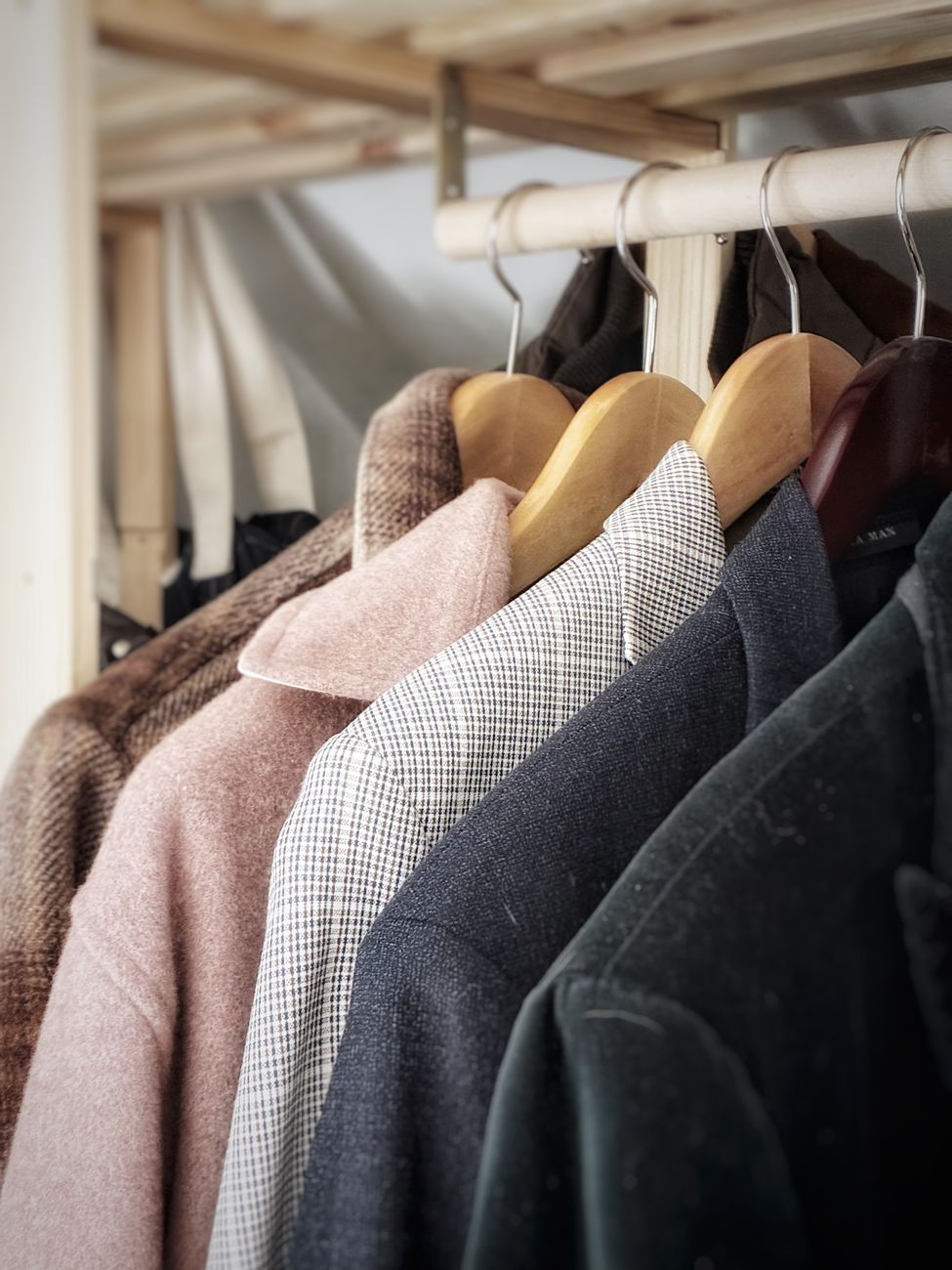
Winter coats feel like serious purchases, so people often treat each one as necessary: a dressier coat, a snow-day coat, a dog-walking coat, a travel coat. Some of those categories are real. Others are labels created after the purchase to make another bulky item seem reasonable.
- Why it matters: coats take up a lot of space and can cost enough to crowd out more useful household spending.
- Who it helps: people in colder climates, families storing multiple sizes, and anyone tempted by seasonal sales before checking what still fits.
- What to check next: inspect zippers, warmth, sleeve length, and whether the coat matches your actual weather, not an imagined trip or rare event.
The better coat may be the one that already handles most days well. If it needs a zipper pull, cleaning, or a new set of gloves in the pocket, that fix may beat buying another bulky duplicate.
A closet audit does not have to be dramatic. Pull out the category you are about to buy, compare what you own, and decide which item truly does the job best. If the answer is already at home, move it where you can see it, repair what is minor, and skip the checkout line. The easiest savings often come from using the good version you forgot you had.