
Your bill may not jump because of one big mistake. Often, it climbs because of little routines that repeat every day.
Utility bills have a sneaky way of rising without one obvious culprit. A thermostat nudge here, a hot wash cycle there, a device left plugged in all night: none feels dramatic in the moment. But repeated daily habits can make heating, cooling, electricity, and water costs harder to control. The good news is that these are not extreme lifestyle fixes. They are ordinary household checkpoints that can help you spot where money may be leaking before the next bill lands.
The Thermostat Tug-of-War
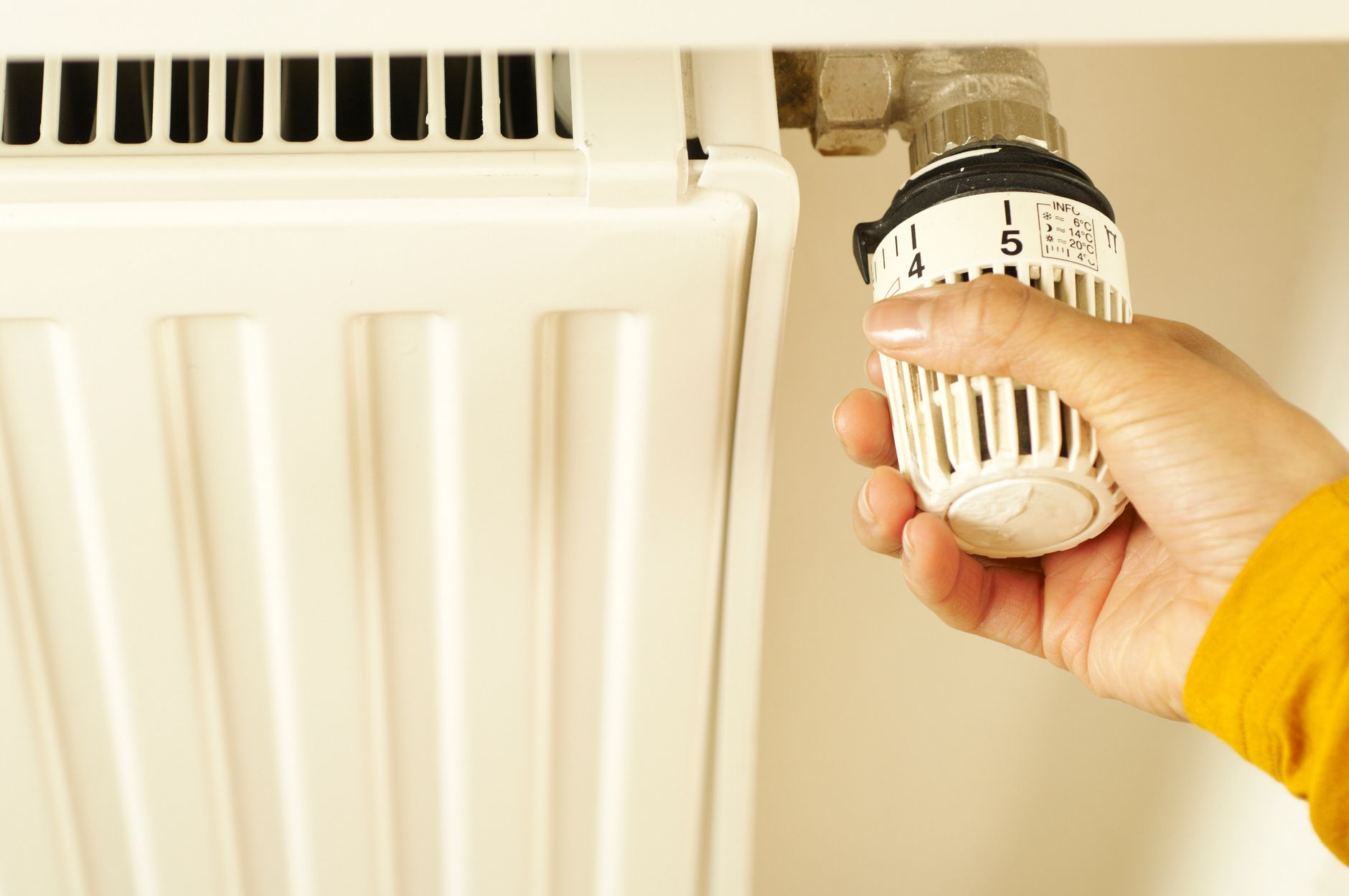
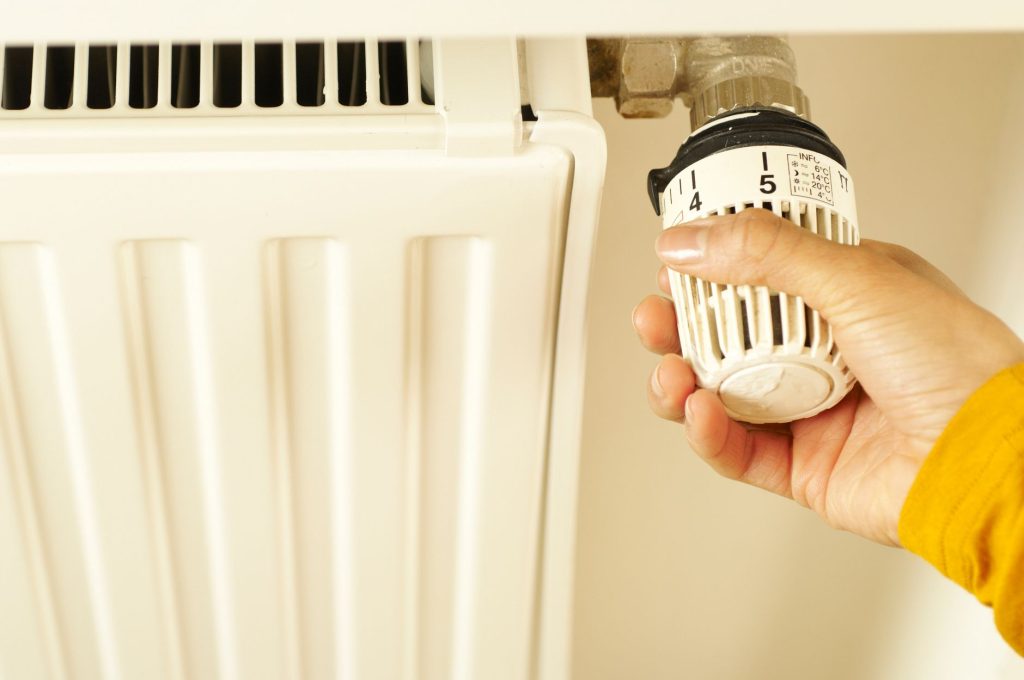
Constantly bumping the thermostat up and down can make heating and cooling systems work harder than expected, especially in homes where different family members keep changing the setting. The issue is not comfort itself; it is the habit of reacting every hour instead of using a consistent plan. Big swings can create longer run times, uneven rooms, and a bill that creeps higher during extreme weather.
- Who it affects: households with kids, pets, remote workers, or rooms that heat and cool unevenly.
- What can go wrong: the system may cycle more often, and people may still feel uncomfortable.
- Check next: use a steady schedule, ceiling fans, window coverings, and small clothing changes before making repeated adjustments.
A programmable or smart thermostat can help, but only if the schedule matches how the home is actually used.
The Dirty HVAC Filter
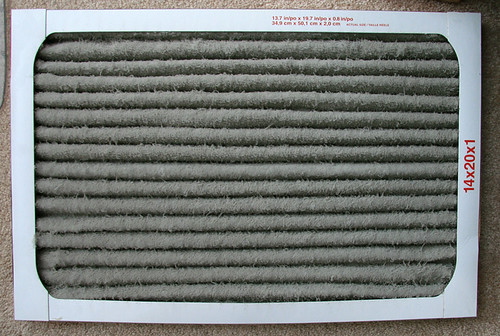
A clogged HVAC filter is easy to ignore because it is usually hidden behind a return grille or inside the system. When it gets packed with dust, pet hair, and debris, airflow can drop and the unit may need more time to heat or cool the house. That extra strain can show up as longer run cycles, weaker airflow from vents, and rooms that never quite reach the setting on the thermostat.
- Who it helps: anyone with central air, a furnace, pets, allergies, or a dusty home environment.
- What can go wrong: ignoring filters can reduce comfort and may contribute to avoidable service calls.
- Check next: look at the filter size, note the installation date, and set a reminder based on your home conditions.
If you cannot remember the last time it was changed, that is the first place to look.
The Hot-Water Laundry Routine
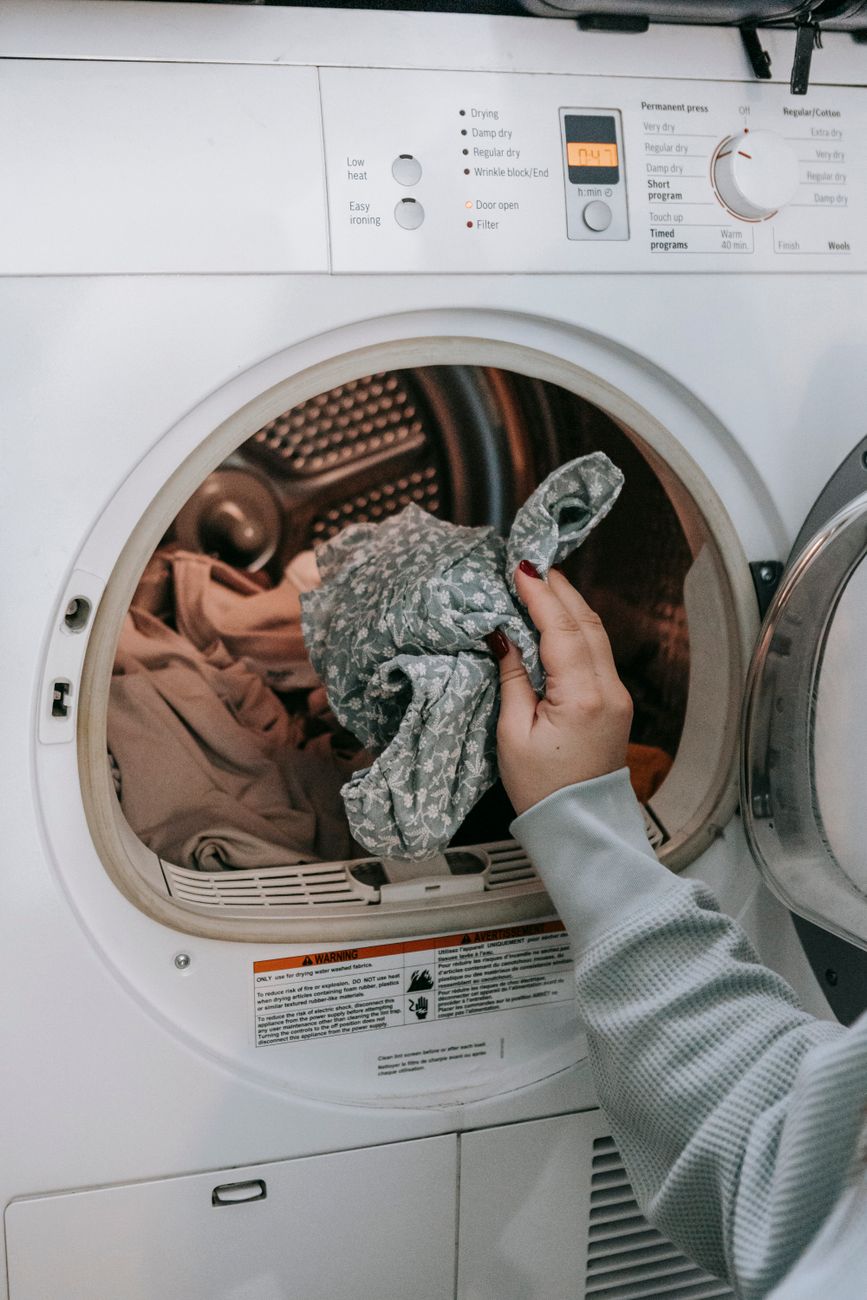
Hot water has its place, especially for certain towels, bedding, or heavily soiled items, but using it automatically for every load can raise energy use without much thought. Many everyday clothes can be washed in cold water with modern detergents, and full loads usually make better use of each cycle. The hidden cost is repetition: a few extra hot cycles each week can become a normal part of the bill.
- Who it affects: families with frequent laundry, work clothes, school clothes, sports uniforms, or shared linens.
- What can go wrong: small loads, hot settings, and extra rinse cycles can add water and energy use.
- Check next: sort by soil level, try cold for routine loads, and save hot water for items that truly need it.
The goal is not doing less laundry; it is making each load count.
The Leaky Faucet and Running Toilet
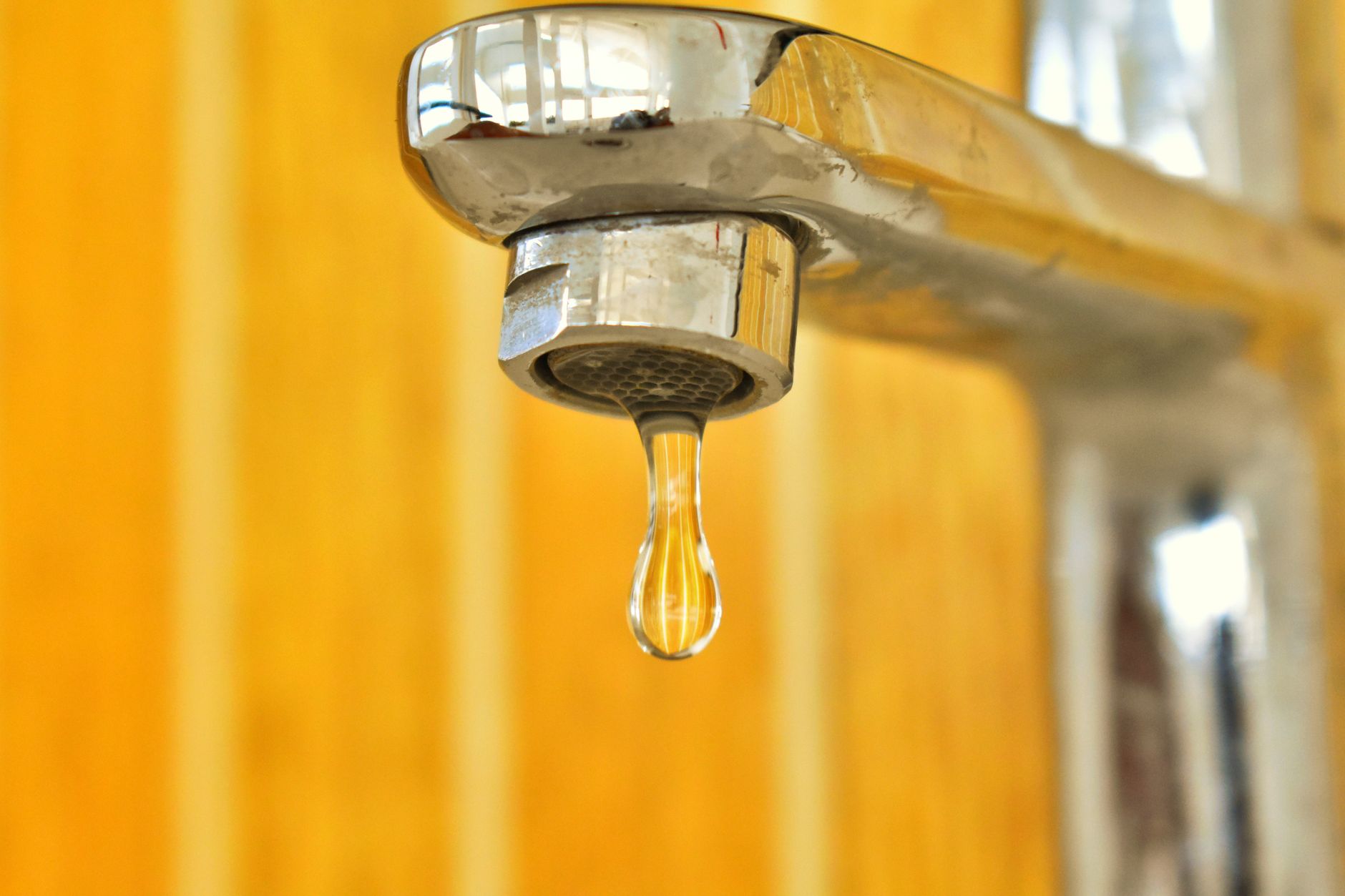
A slow drip or a toilet that quietly runs after flushing can feel too minor to fix right away. That is exactly why it becomes expensive: the waste happens while nobody is paying attention. Water and sewer charges can rise together in many areas, so a small fixture problem may affect more than one line on the bill. The sound may be faint, but the habit of postponing the repair is the real cost driver.
- Who it helps: homeowners, renters who can report maintenance, and anyone with older fixtures.
- What can go wrong: leaks can get worse, stain fixtures, or hide behind walls and cabinets.
- Check next: listen after flushing, inspect under sinks, and replace worn washers, flappers, or cartridges promptly.
If a fixture keeps moving water when no one is using it, treat it like a bill in progress.
The Always-On Electronics Corner

Many homes have an electronics corner where chargers, game consoles, speakers, printers, streaming boxes, and small appliances stay plugged in around the clock. Some devices draw power even when they look off, and the real issue is the cluster: one device may not matter much, but a dozen forgotten plugs can become a steady background drain. It is especially common in living rooms, bedrooms, and home offices.
- Who it affects: households with remote work setups, teens, gaming systems, extra chargers, or older electronics.
- What can go wrong: unused devices keep drawing power, cords become cluttered, and nobody knows what is still active.
- Check next: unplug rarely used items, group devices on a switchable power strip, and shut down equipment instead of leaving it idle.
A quick outlet audit can reveal which plugs are convenience and which are just habit.
The easiest utility savings usually start with observation, not sacrifice. Walk through the house once with your latest bill in mind: thermostat, filter, laundry, fixtures, and plugged-in devices. If one habit stands out, change that first and watch the next billing cycle. Small fixes are easier to keep when they are tied to a visible routine.