

Mortgage rates have been punishing for a few years now, and plenty of homeowners are sitting tight, convinced that relief is just around the corner. The Federal Reserve has signaled possible cuts, analysts keep adjusting their forecasts, and the general mood is: wait it out. But waiting costs money too.
Every month spent carrying a high-interest balance, an inefficient home, or an overpriced insurance policy is money that doesn’t come back. Frugal homeowners figured this out early. They stopped treating a rate drop as a rescue plan and started finding savings that work right now.
1. Refinance What You Can, Even Without a New Mortgage
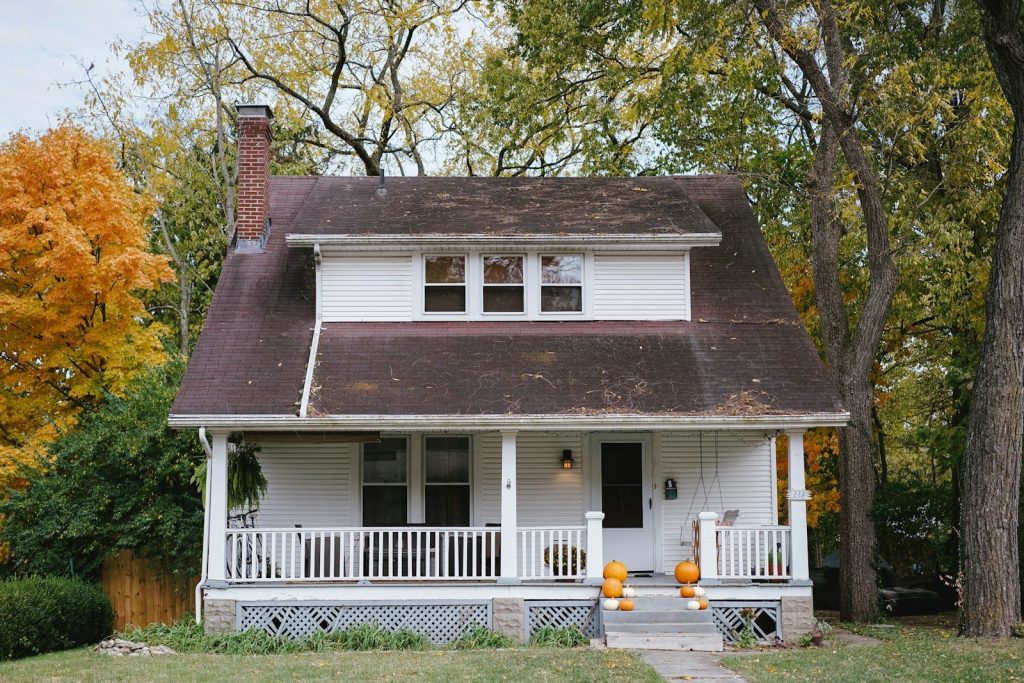
A full mortgage refinance might not pencil out yet, but other debt attached to the home often can. Home equity lines of credit, for instance, frequently carry variable rates that can be renegotiated or consolidated.
Some homeowners in 2026 have moved HELOC balances onto fixed-rate personal loans at lower rates, cutting monthly carrying costs without touching the primary mortgage. It’s a narrow play, but for those carrying five figures in HELOC debt, it adds up fast.
2. Fight the Property Tax Assessment
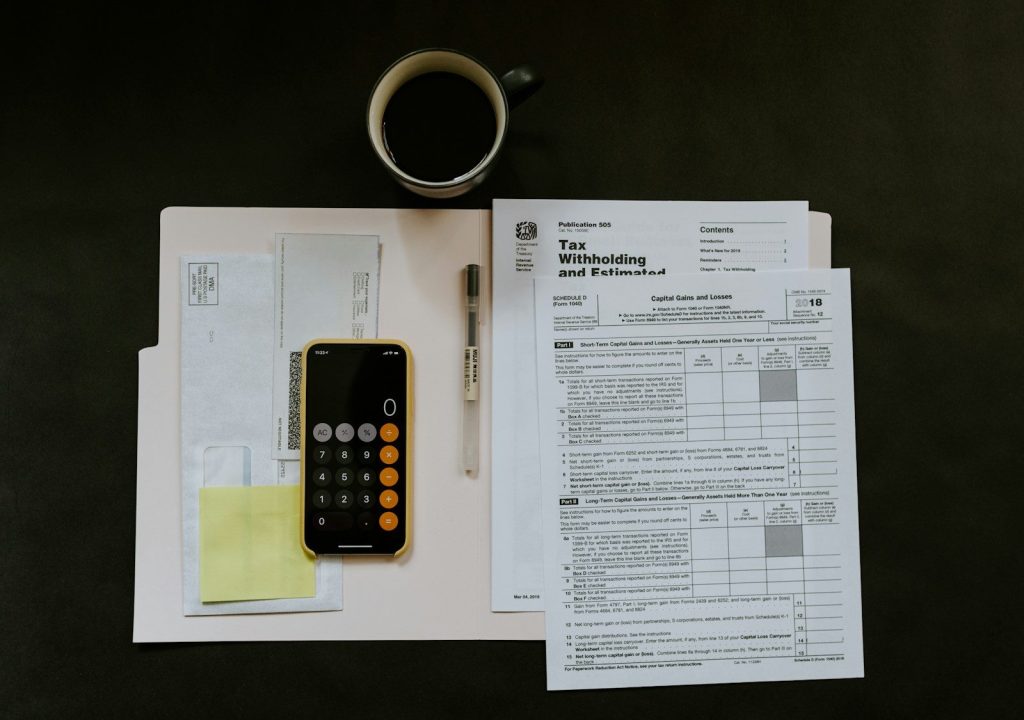
Property values surged in many markets over the past few years, and local assessors were happy to follow them upward. The problem is that assessments don’t always come back down at the same speed values do. Homeowners have the right to appeal, and in counties across the country, a meaningful percentage of appeals succeed.
The process usually requires pulling comparable sales data and filing a formal challenge. It takes a few hours. A successful appeal can cut hundreds of dollars off the annual tax bill, permanently, until the next reassessment cycle.
3. Audit the Utility Bills

Not a general suggestion to “use less energy”, something more specific. Utility companies in most states are required to offer budget billing, levelized payment plans, and in many cases, free energy audits.
A professional audit identifies the actual problem areas: attic insulation that’s below current code, an HVAC system running at 70% efficiency, a water heater that’s working harder than it needs to. Fixing one of those issues often saves more than any behavioral change will.
4. Rethink Homeowner’s Insurance

Most people set up their homeowner’s insurance when they bought the house and haven’t touched it since. Rates have shifted considerably, and loyalty doesn’t pay the way it used to. Shopping coverage in 2026, actually getting quotes from three or four carriers, routinely turns up savings of $300 to $600 a year for the same coverage level.
Bundling auto and home with one carrier still produces genuine discounts in most markets, and raising the deductible from $1,000 to $2,500 can drop premiums noticeably without meaningful added risk for most households.
5. Maintain Now to Avoid Replacing Later
Deferred maintenance is one of the most expensive habits a homeowner can develop. A $15 tube of roof sealant applied to a flashing gap now costs nothing compared to the water damage it prevents.
HVAC filters, caulk around windows, cleaning dryer vents, flushing the water heater annually, these are the small, tedious tasks that prevent the four-figure emergencies. Frugal homeowners treat maintenance as a recurring expense, not a crisis response.
6. Lock In Lower Rates on Services
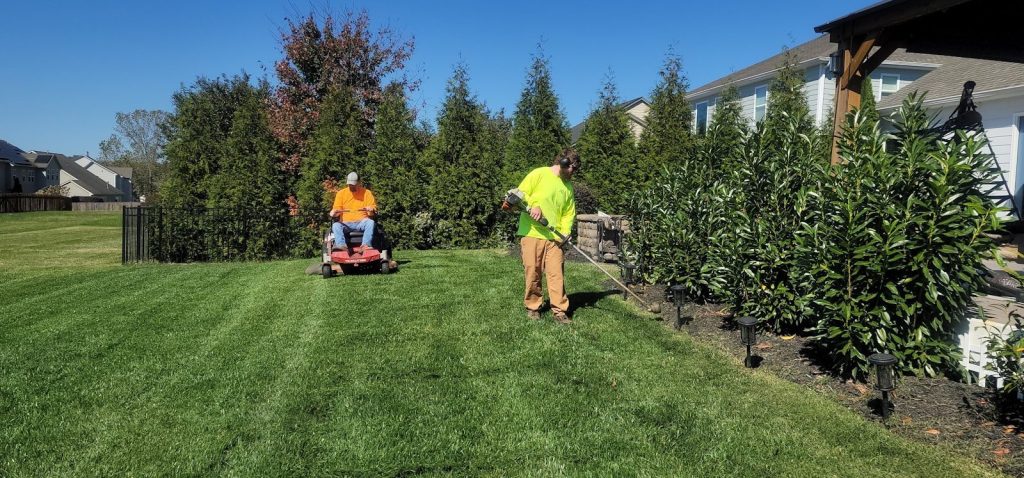
Lawn care, pest control, gutter cleaning, many of these service providers offer discounted annual contracts. Paying upfront for a year of quarterly pest control instead of calling reactively after an infestation costs less and prevents damage.
The same logic applies to HVAC maintenance agreements, which typically run $150 to $250 a year and cover the kind of tune-ups that extend equipment life by years.
7. Rent Out What’s Sitting Idle

A spare bedroom, a parking space in a walkable neighborhood, a storage area, a garage. These are assets that many homeowners are sitting on without realizing their income potential.
Short-term rental platforms, neighborhood storage apps like Neighbor.com, and local Facebook groups have made this easier than it’s ever been. Even $200 a month from a rented parking spot offsets a real piece of the housing cost.
8. Tackle the Right DIY Projects
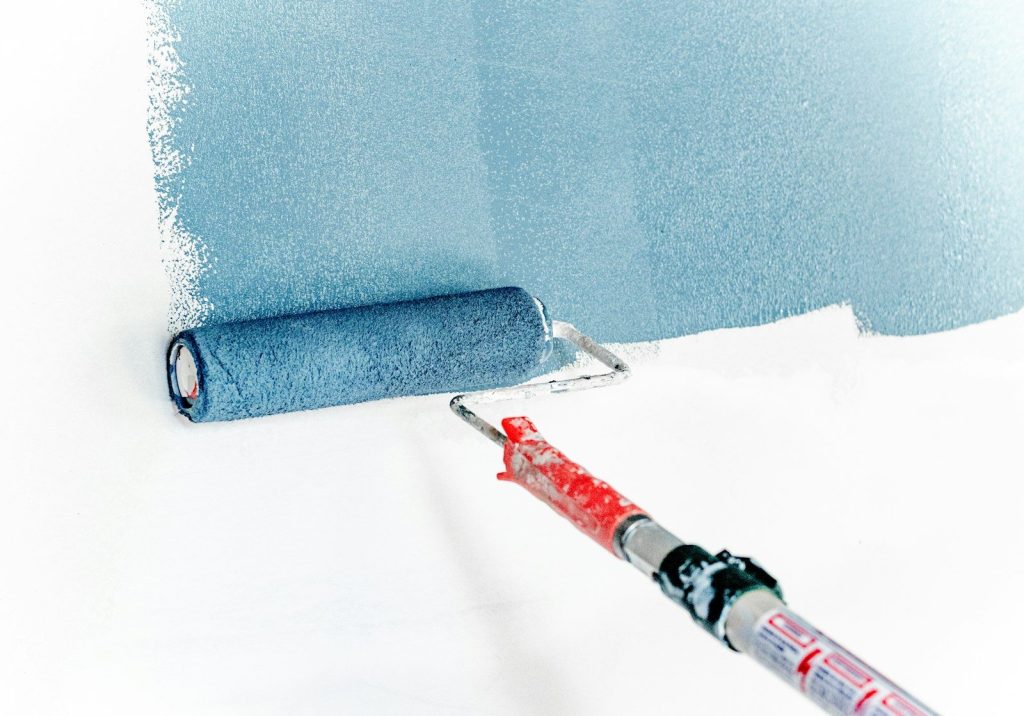
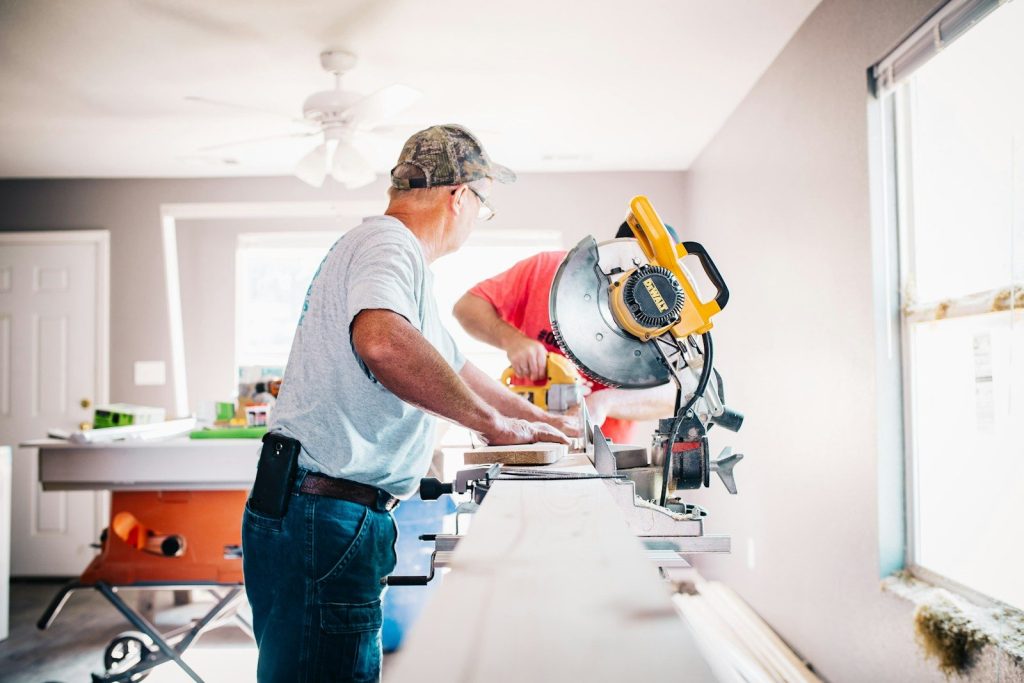
The distinction that matters here is between projects that require licensed work and those that don’t. Painting, basic landscaping, installing a smart thermostat, replacing faucet hardware, recaulking a tub, these are well within reach for most homeowners willing to spend a Saturday afternoon.
Hiring out a project that takes a professional two hours and a homeowner four is often still worth it. But paying a contractor to patch drywall or replace a light switch is not.
9. Stop Treating the Rate Drop as the Starting Line

When rates eventually fall, there will be a rush, buyers returning to the market, homeowners racing to refinance, prices adjusting in response. The homeowners who come out ahead will be the ones who spent the waiting period trimming every cost they could find.
Lower rates help, but they don’t fix an inefficient house, an unchallenged tax assessment, or an insurance policy nobody’s looked at in six years. The savings available right now are real, and they don’t require anyone’s permission to claim.