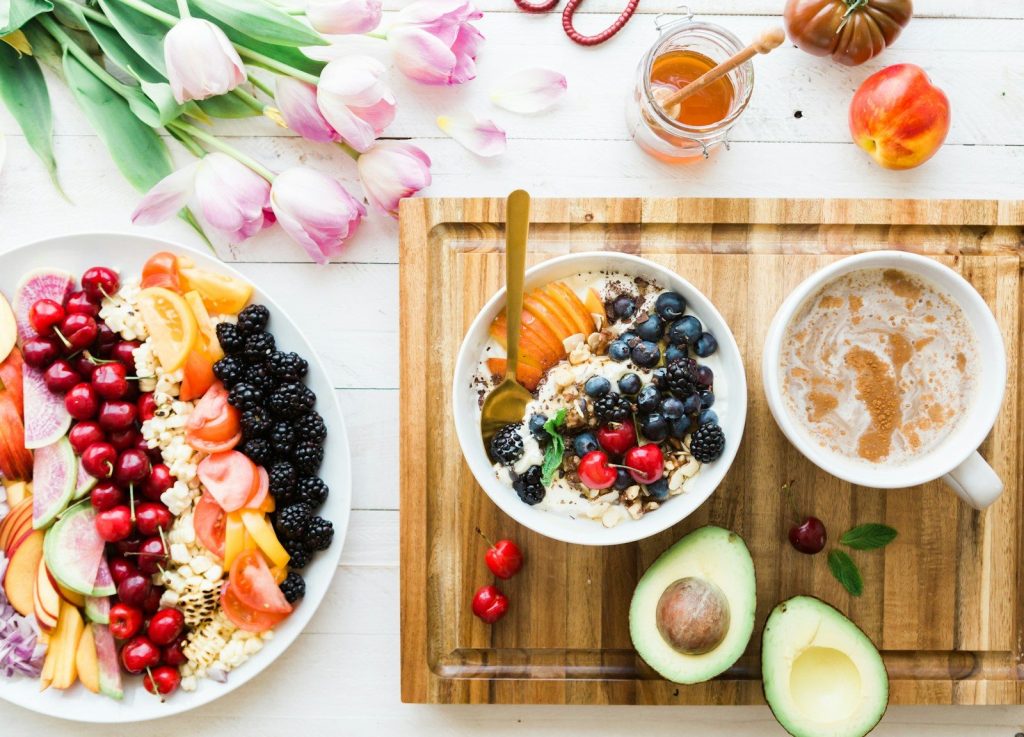

High cholesterol is a very common issue all over the world. It affects around 86 million American adults. But most people manage it by cutting and adding certain foods to their diets.
High cholesterol has been studied for decades, and scientists found that some foods can lower LDL cholesterol (which is the bad kind), while raising HDL cholesterol (the good kind), and they can reduce the arterial inflammation that makes high cholesterol so dangerous.
The nine foods in this list are backed by clinical research and endorsed by leading heart health organizations.
1. Oats and Oat Bran
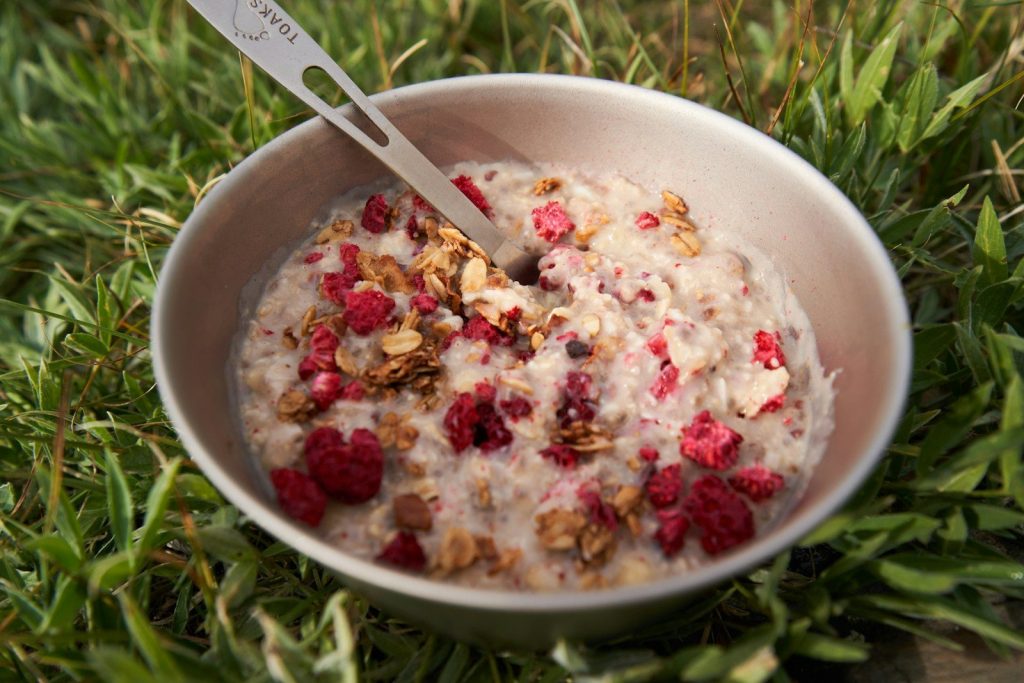
Oats contain a soluble fiber that is called beta-glucan, which forms a gel in the digestive tract that binds to cholesterol-rich bile acids and removes them before they can re-enter the bloodstream.
Three grams of beta-glucan per day, which adds up to about one large bowl of rolled oats, has been shown to reduce LDL cholesterol by five to ten percent. That might not sound like much, but every little bit counts. Having just one bowl of oats in the morning can make a huge difference to your health!
Steel-cut and rolled oats provide more beta-glucan than instant oats. Oat bran is even more concentrated and it’s great because it can be stirred into soups, yogurt, or baked goods. This is a good hack for people who don’t like oats. You won’t even notice it in your foods.
2. Fatty Fish
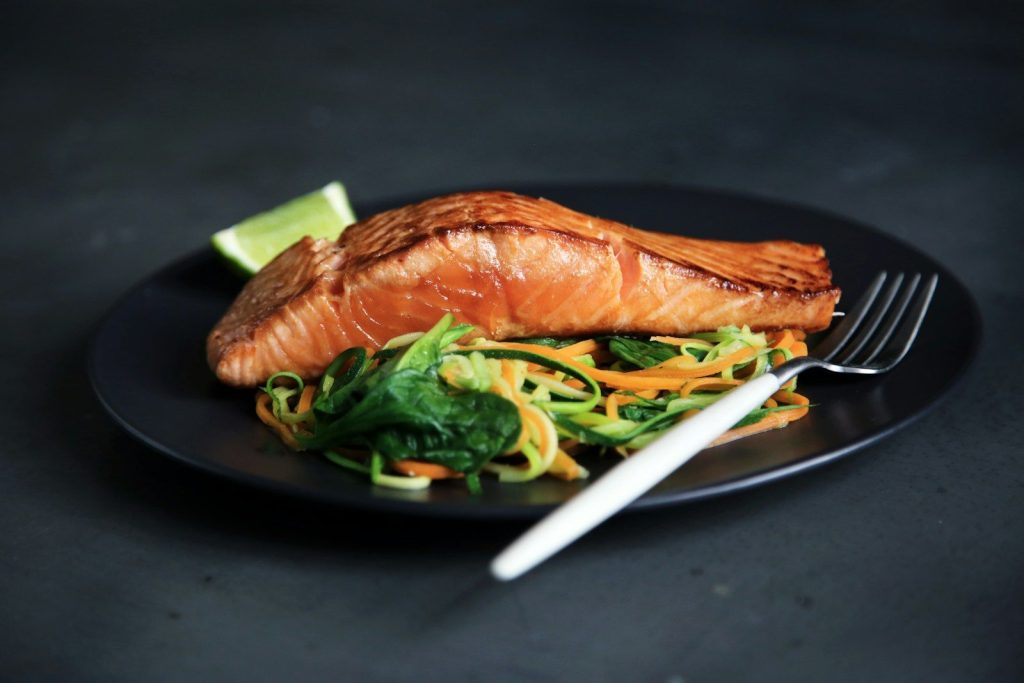
Salmon, mackerel, sardines, and trout are great for delivering EPA and DHA. They are the long-chain omega-3 fatty acids with the strongest cardiovascular evidence.
These compounds lower triglycerides by up to 30 percent and tend to raise HDL, improving the overall lipid profile. The American Heart Association recommends two servings of fatty fish per week. You don’t even have to eat it every single day to stay healthy!
Sardines and mackerel are lower in mercury, they’re affordable, and you can buy them in cans without sacrificing any nutritional value.
Extended cohort data from the PREDIMED-Plus trial found that people who eat fatty fish at least twice a week had significantly lower rates of major cardiovascular events compared to people who only ate them once in a while.
3. Extra-Virgin Olive Oil
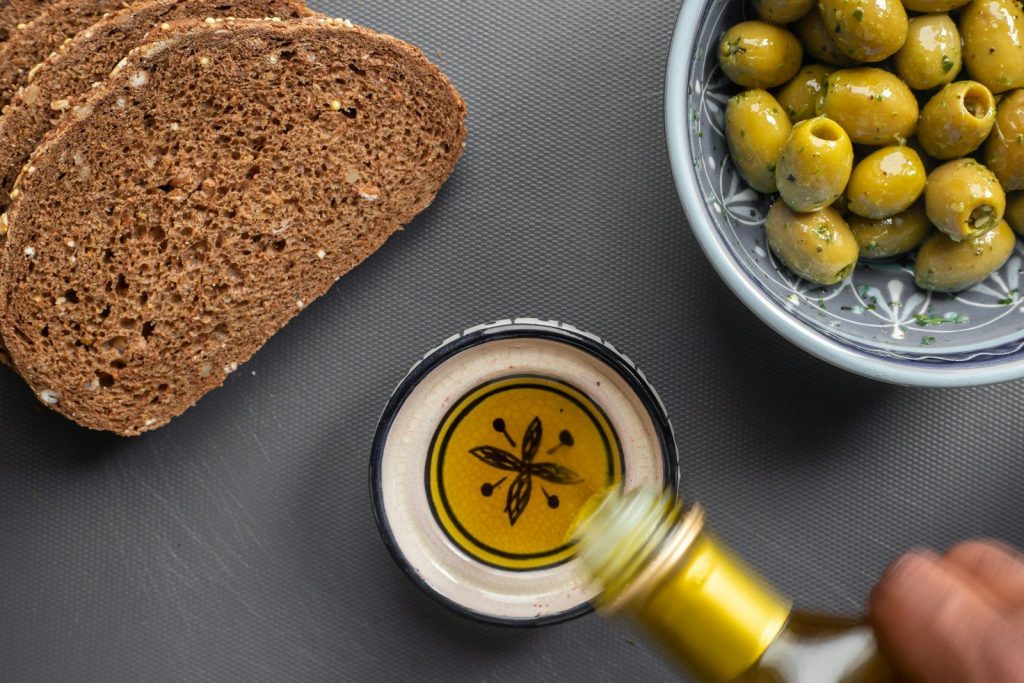
Oleic acid, the dominant fat in extra-virgin olive oil, selectively lowers LDL without reducing HDL. Beyond fat composition, the oil’s polyphenols, particularly oleocanthal, reduce inflammatory activity in the artery walls, which is a central driver of plaque buildup.
Consuming just two tablespoons per day is enough. This is one of the easiest foods on this list to eat, since you can swap your butter for olive oil when you’re cooking vegetables, or you can even use it as a salad dressing base. The freshness of the oil affects polyphenol content considerably, so checking for a harvest date rather than relying on the best-by date is worth the extra effort.
4. Legumes
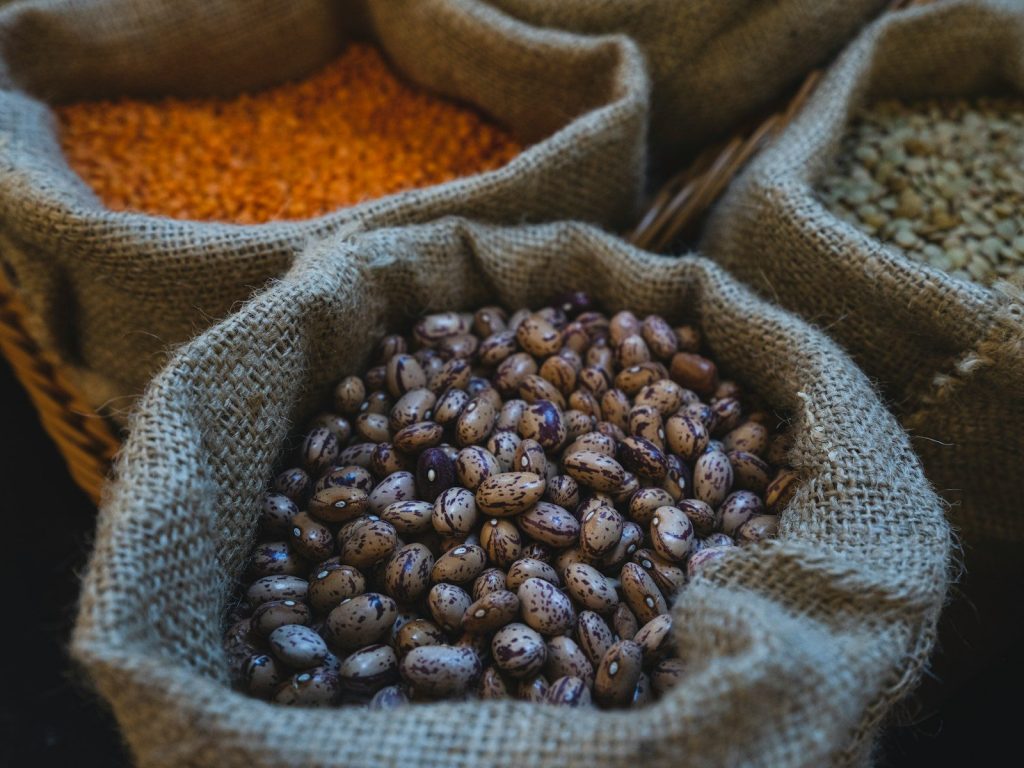
Beans, lentils, chickpeas, and split peas are among the most fiber-dense foods that you can consume. A cup of cooked lentils provides around 15 grams of fiber and plant-based protein that displaces saturated fat when it replaces animal protein in a meal.
A meta-analysis in the Canadian Medical Association Journal found that one daily serving of legumes was associated with a five percent reduction in LDL.
It’s even better when you use legumes to replace red meat rather than just adding them to your existing diet. Canned legumes are as good as dried ones if you compare their nutrients, and rinsing them removes most of the added sodium.
5. Berries and Dark-Colored Fruits
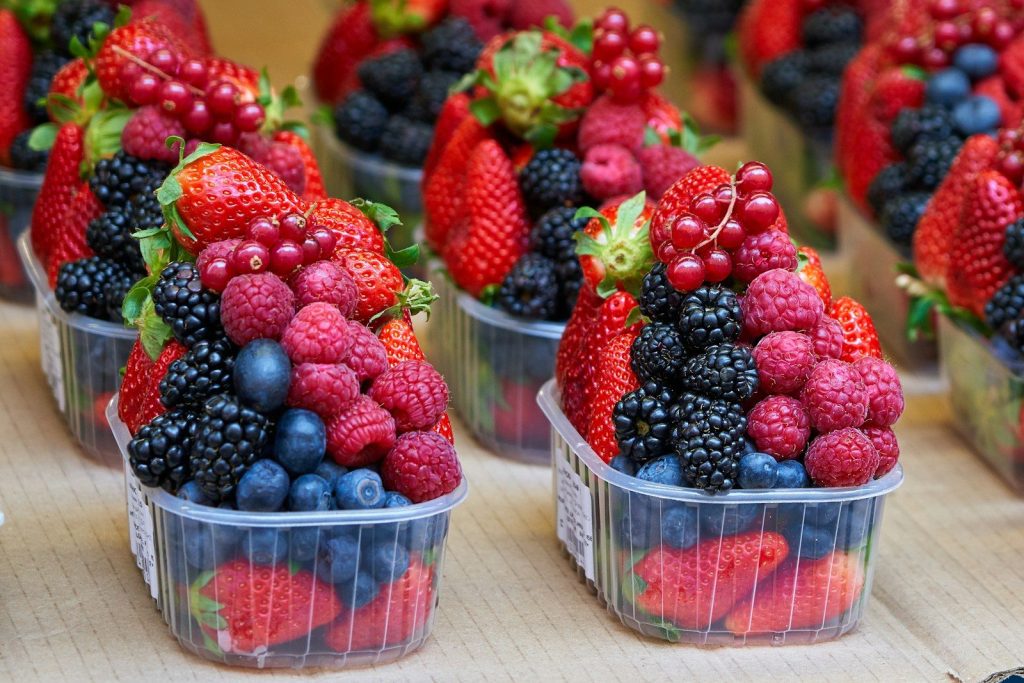
Berries are great if you want to add soluble fiber to your diet, but their more distinctive value comes from anthocyanins, the pigment compounds that is responsible for their deep reds, blues, and purples.
Anthocyanins prevent LDL oxidation, which is what makes LDL genuinely dangerous to arterial walls.
Oxidized LDL triggers the inflammatory cascade that leads to plaque formation. Regular blueberry consumption has also shown modest reductions in systolic blood pressure. Frozen berries are as effective as fresh ones, as flash-freezing at peak ripeness preserves anthocyanin content reliably.
6. Avocados
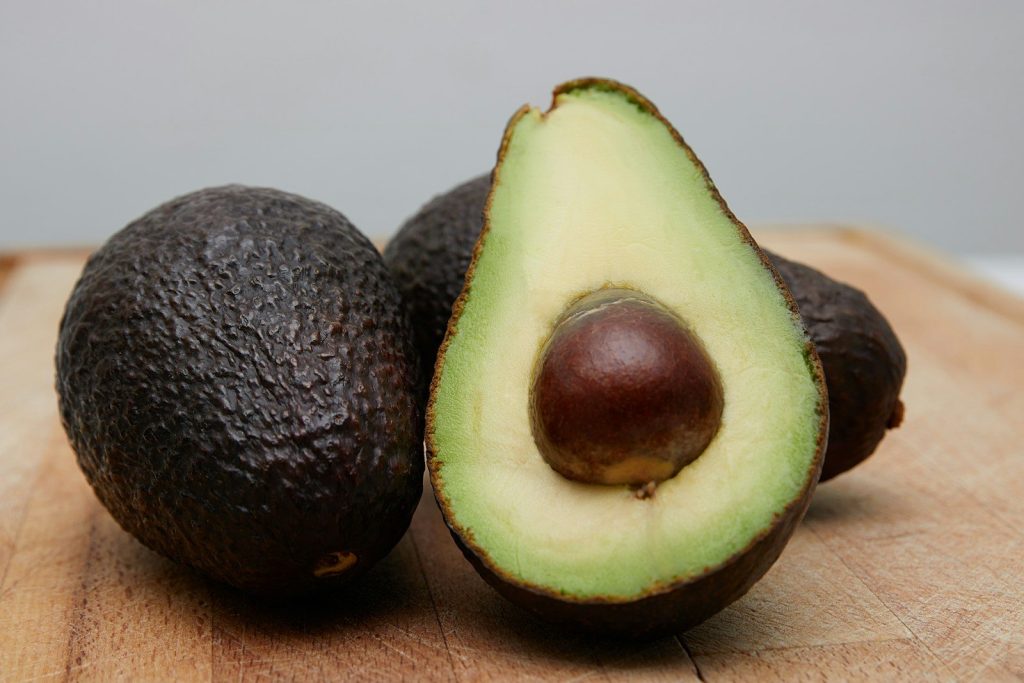
Avocados lower LDL and raise HDL through a combination of monounsaturated fat, roughly ten grams of fiber per fruit, phytosterols, and beta-sitosterol.
A Penn State clinical trial found that adults who are one avocado per day for five weeks showed greater reductions in LDL and in small, dense LDL particles compared to a control group consuming comparable fat from other sources.
Small, dense LDL particles are considered especially harmful because they penetrate arterial walls more easily. Half an avocado per day delivers the cardiovascular benefit without adding excessive calories. The fruit’s potassium content also supports healthy blood pressure alongside cholesterol management.
7. Nuts
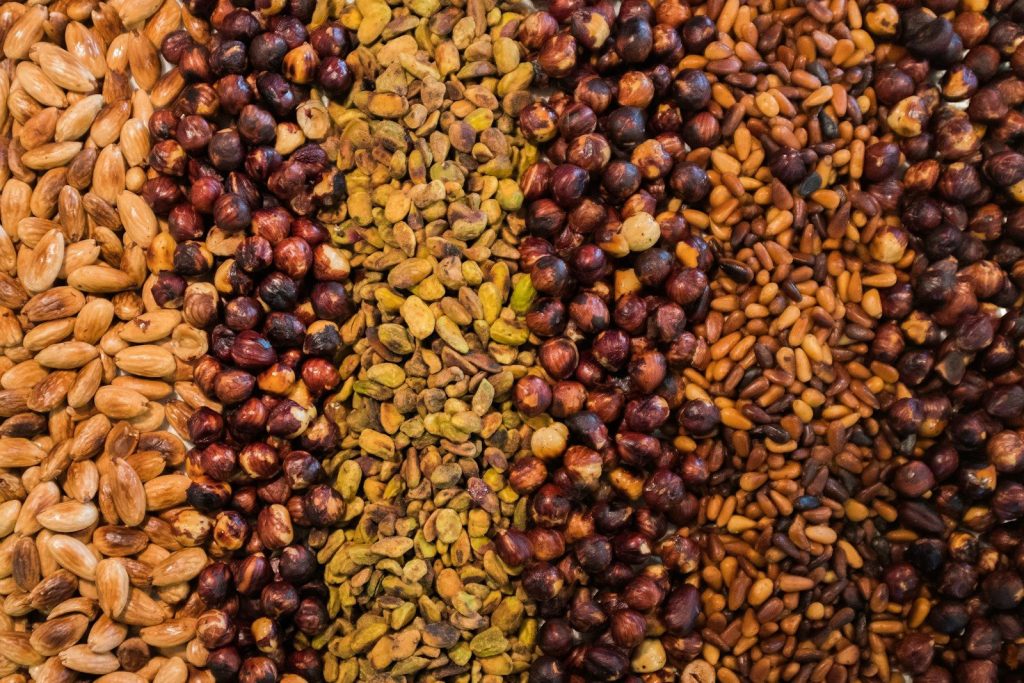
Walnuts, almonds, pistachios, and pecans share a combination of unsaturated fats, fiber, plant sterols, and L-arginine, an amino acid the body uses to produce nitric oxide, which keeps your blood vessels flexible.
Walnuts are the only nut with meaningful alpha-linolenic acid, a plant-based omega-3. Almonds are particularly effective at lowering LDL. Pistachios improve the LDL-to-HDL ratio, a metric many cardiologists view as more informative than LDL alone.
A Harvard cohort study found that replacing one daily serving of red or processed meat with nuts was associated with a 17 percent lower cardiovascular disease risk over 20 years. One ounce per day is the practical serving size.
8. Green Tea

Catechins, the antioxidant polyphenols concentrated in green tea leaves, reduce cholesterol absorption in the intestine and partially inhibit the liver’s cholesterol production.
A meta-analysis of 14 randomized controlled trials found regular consumption lowered total cholesterol by an average of seven mg/dL and LDL by approximately two mg/dL.
Two to three cups daily over at least 12 weeks is the threshold at which measurable benefit appears. Matcha delivers a higher catechin dose per serving than steeped tea and has become widely available across the United States as of 2026.
9. Dark Chocolate and Cocoa

Cocoa flavanols raise HDL, reduce LDL oxidation, improve blood vessel elasticity, and have shown modest blood pressure reductions across multiple trials.
A 2025 systematic review drawing on data from more than 30 randomized trials confirmed that regular cocoa flavanol intake produces measurable cardiovascular improvement.
Effective dark chocolate requires at least 70 percent cacao content. Dutch-processed cocoa loses most of its flavanols during alkalization; natural or raw cocoa powder retains far more. One to one-and-a-half ounces of qualifying dark chocolate per day is a practical ceiling that delivers benefit without excess sugar.