
The days of loyalty to one store are largely over. Frugal households across the country have figured out what took retailers years to admit: the name on the door matters far less than what’s on the shelf and what it costs.
In 2026, with grocery prices still running well above where they sat five years ago, the habit of shopping around has stopped being a quirk and started being a financial strategy.
Dollar Stores Lost the Plot
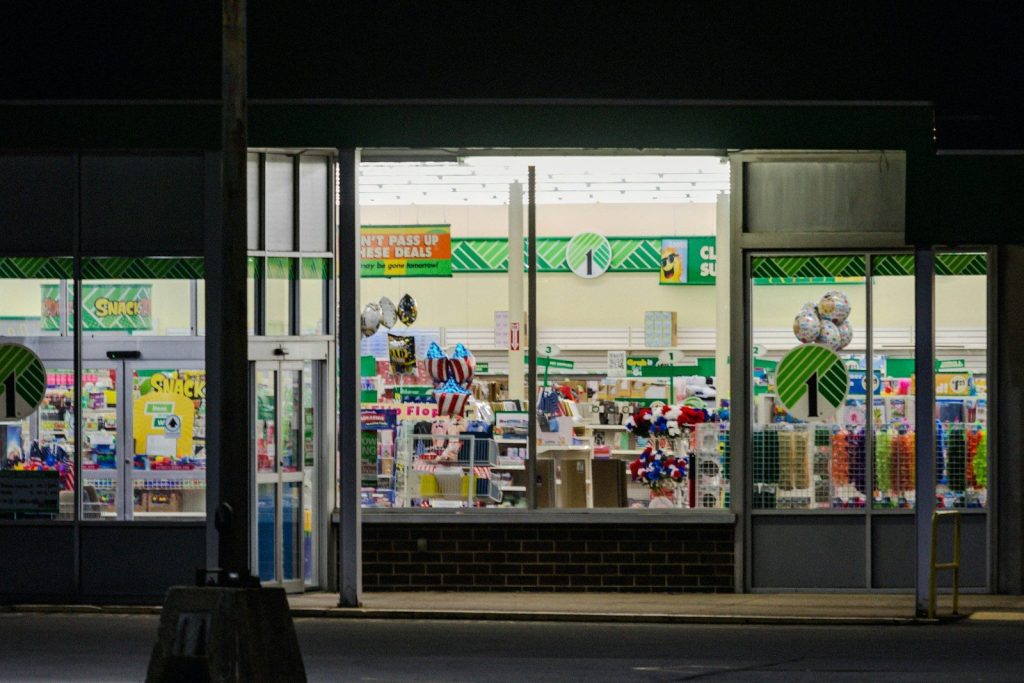
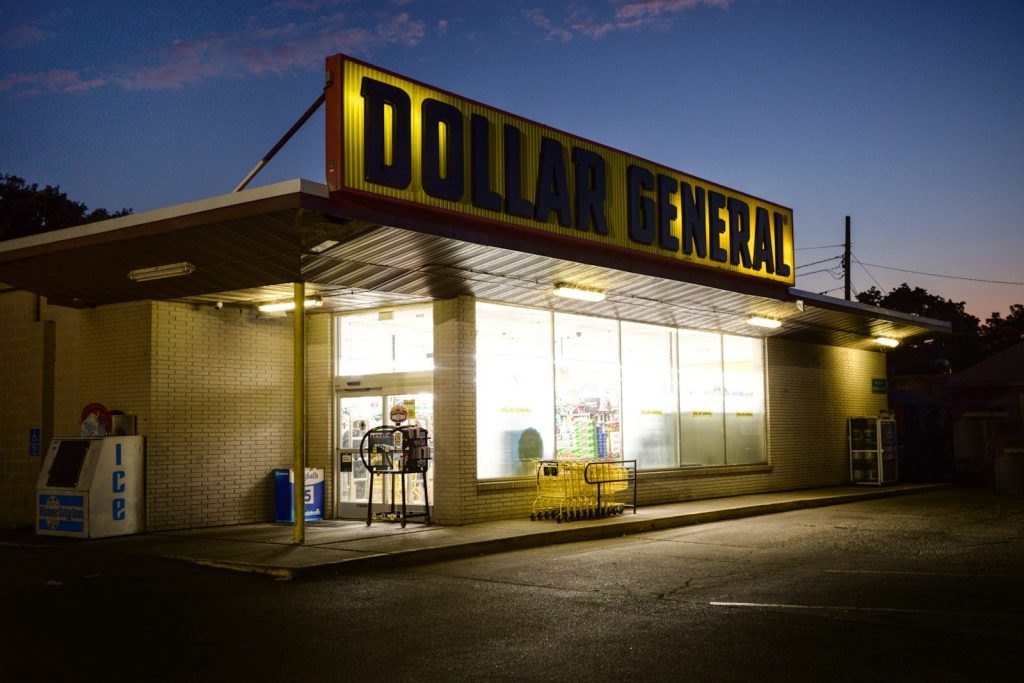
Dollar stores were once the go-to for rock-bottom pricing, but their reputation has taken hits in recent years. Dollar General and Dollar Tree have faced criticism over product quality, inconsistent inventory, and price creep.
Dollar Tree’s move to $1.25 and then higher price points left a lot of shoppers wondering what the point was. That opened real space for alternatives that offer more without asking much extra.
Aldi Keeps It Simple and Cheap
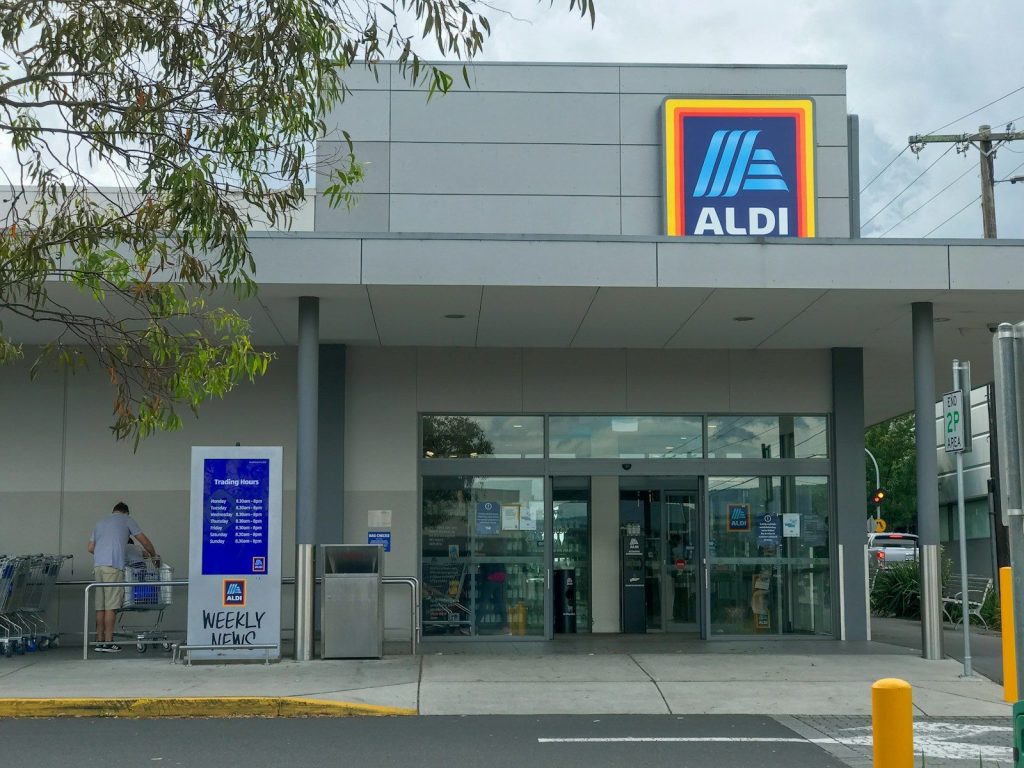
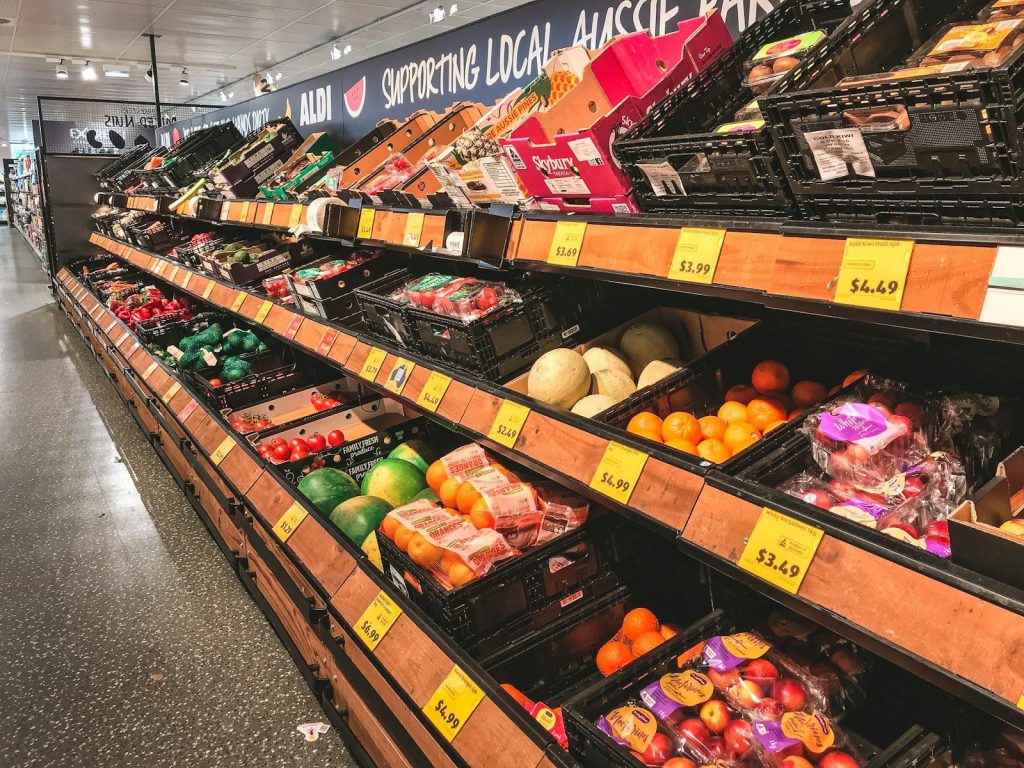
Aldi remains one of the most consistent performers for budget-minded households. The German-owned chain keeps overhead low by stocking a limited selection of mostly private-label products, requiring customers to bag their own groceries, and charging a quarter deposit for carts.
None of that is glamorous. It does, however, translate to prices that regularly undercut traditional supermarkets by 20 to 40 percent on staples like eggs, bread, dairy, and canned goods.
Grocery Outlet Rewards the Regulars
Grocery Outlet operates on a different model entirely. The chain buys excess inventory, closeouts, and overstock from manufacturers and passes the savings along. The selection changes constantly, which some shoppers find frustrating, but regulars treat it more like a treasure hunt.
Organic products, name-brand cereals, specialty foods, and wine all show up at prices that bear no relationship to what they’d cost at a conventional store. Shoppers who visit weekly and stock up when something good appears tend to do very well there.
Warehouse Clubs Still Make Sense for the Right Household
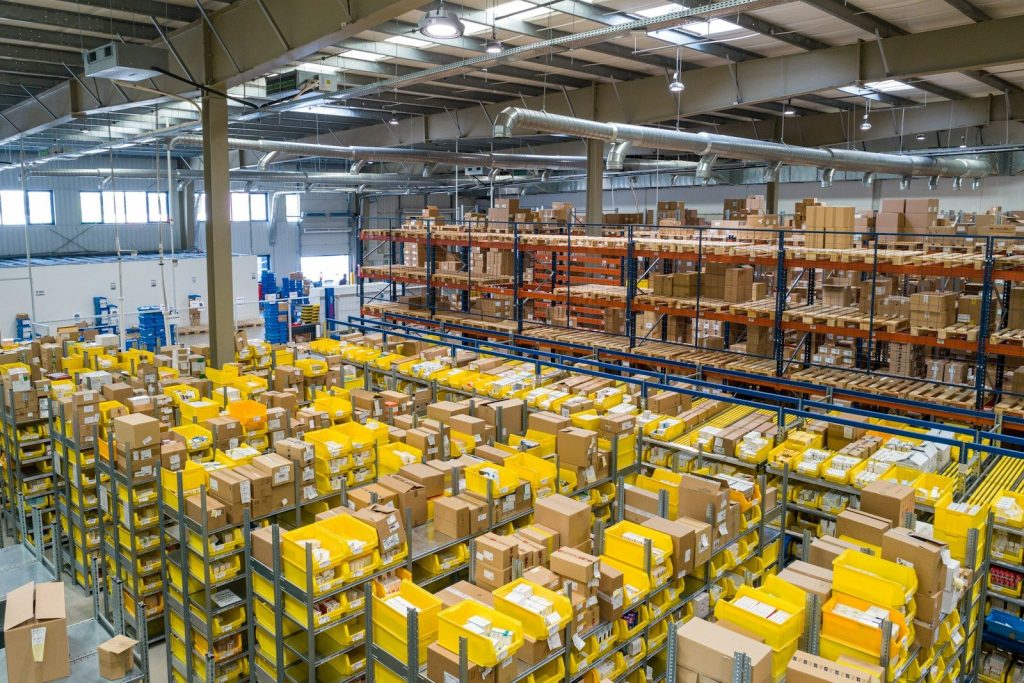
Warehouse clubs like Costco and Sam’s Club still make sense for many households, especially larger families or those with freezer space. The upfront membership fee can pay for itself quickly if the buying habits align. Costco charges $65 per year for a basic membership, while Sam’s Club raised its fee to $60 starting in May 2026.
A household that regularly purchases paper products, cooking oil, meat in bulk, and pantry staples will typically recoup either fee within a few months. The math gets shakier for single people or couples without storage room, but the right household profile makes warehouse shopping genuinely efficient.
Ethnic Grocery Stores Are the Best-Kept Secret
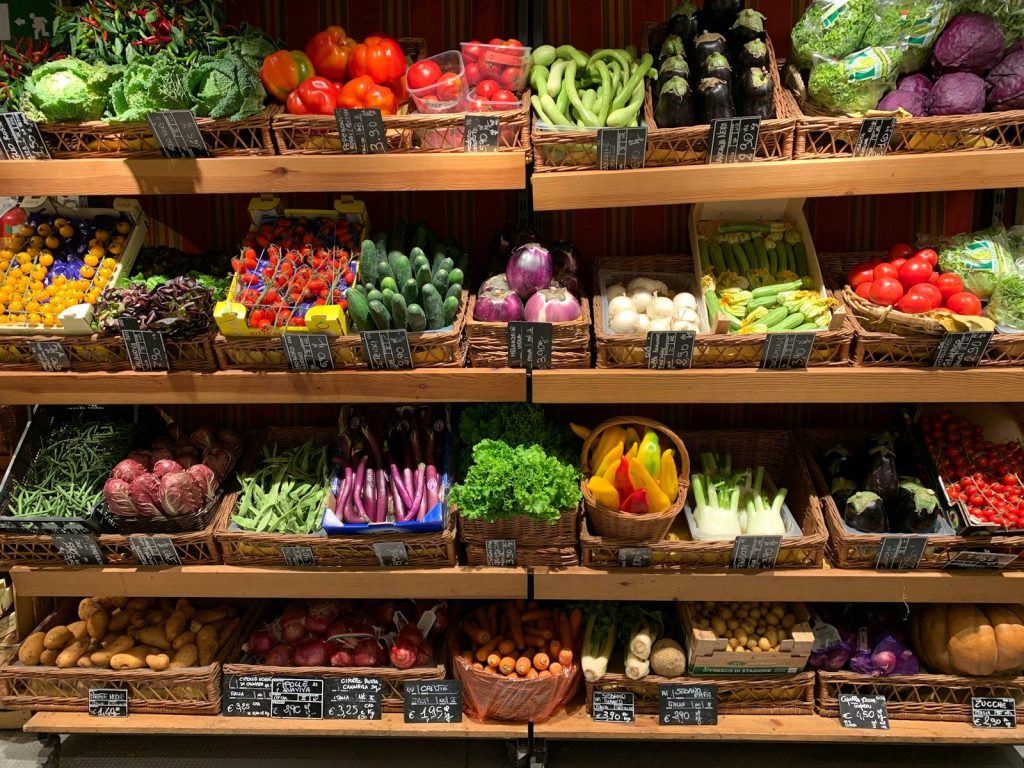
Ethnic grocery stores are one of the most underused resources for frugal shoppers. Asian, Latin, Middle Eastern, and Eastern European markets frequently price staples like rice, dried beans, fresh produce, spices, and cooking oils far below what mainstream chains charge.
A 50-pound bag of jasmine rice at a Vietnamese grocery store costs a fraction of what a small bag runs at a national supermarket chain. The quality is often better, too, since these stores source for communities that cook from scratch.
Online Options Have Quietly Gotten Good

Online options have expanded considerably. Thrive Market offers a membership-based model focused on natural and organic products, often at prices comparable to or below conventional grocery chains.
For households already spending heavily on specialty or health-conscious items, the membership pays off. Amazon’s Subscribe & Save program delivers predictable discounts on household staples, cleaning products, and personal care items, particularly for people disciplined enough to plan their consumption in advance.
Salvage Stores Aren’t as Scary as They Sound
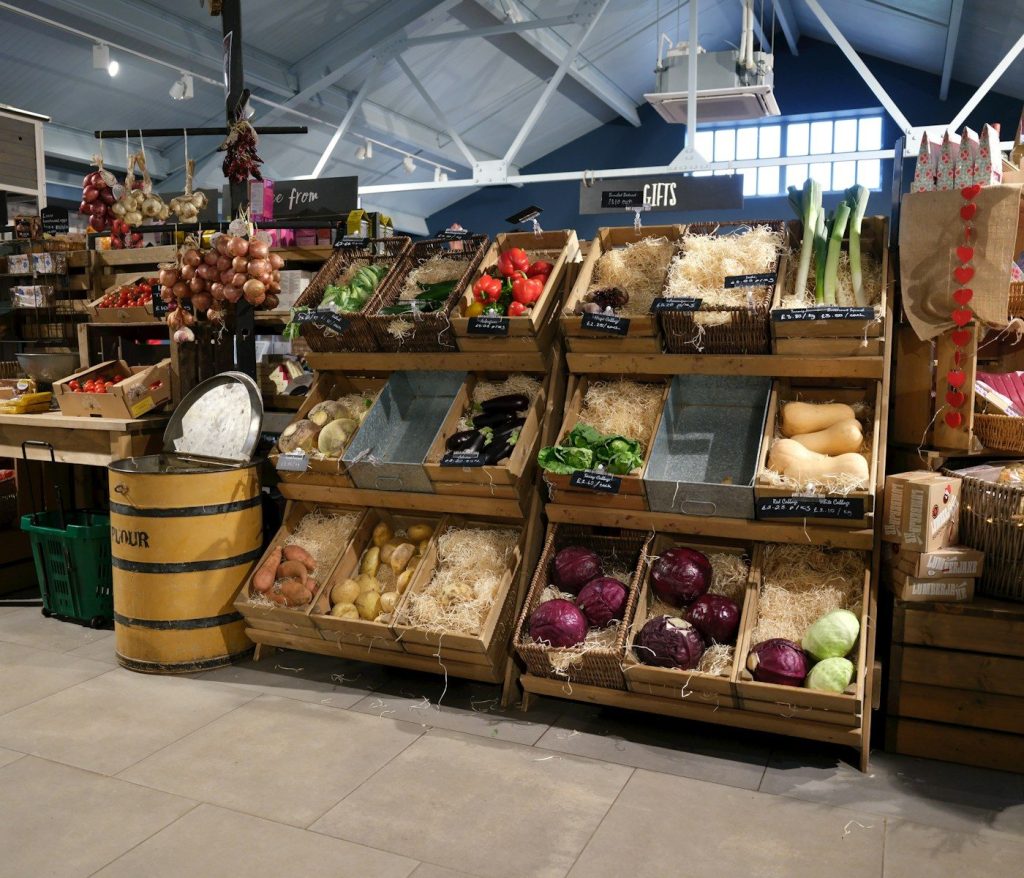
Salvage grocery stores exist in many markets and are worth seeking out. These stores sell products that are near, at, or occasionally past their best-by dates, along with dented cans, discontinued items, and overstock.
Best-by dates on most shelf-stable goods are quality indicators, not safety deadlines, a distinction the FDA has long supported. Families comfortable with that reality can cut their grocery bills sharply.
Farmers Markets Have a Hidden Discount Window
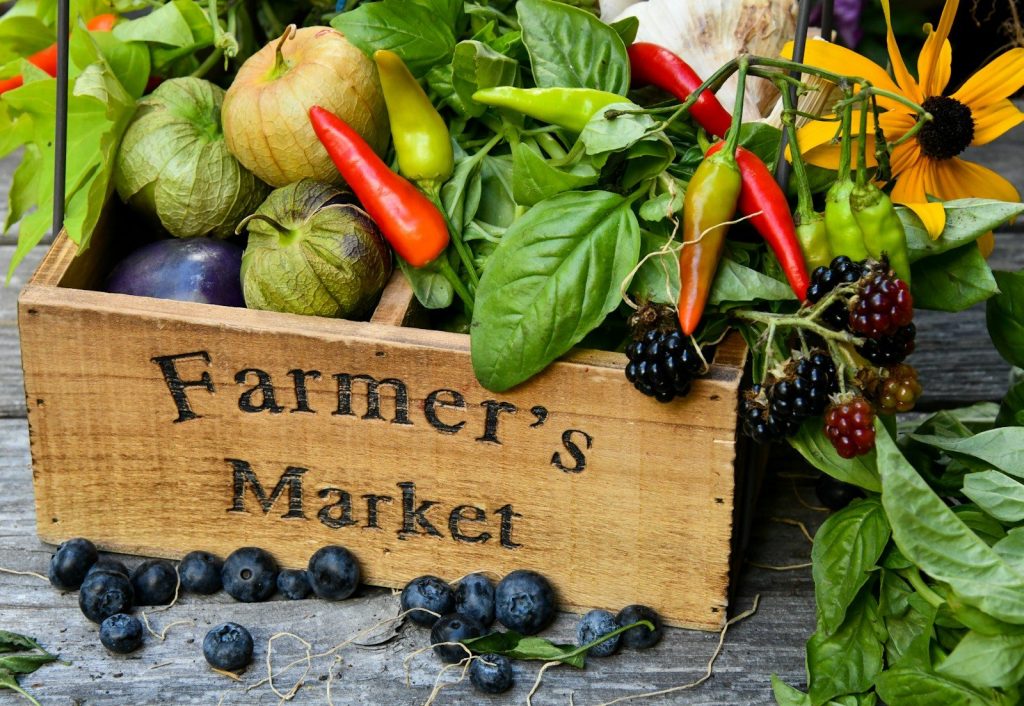
Farmers markets carry a reputation for being expensive, and some are. But end-of-market shopping, typically the last 30 to 60 minutes before vendors pack up, often yields steep discounts on produce that won’t last another week on a table. Vendors would rather sell than haul it back.
Showing up at 9 a.m. gets the best selection; showing up at noon sometimes gets the better price.
The Real Strategy Is Rotating

No single store wins across every category, and that’s the actual insight frugal households have internalized. Rotating between an Aldi for basics, an ethnic market for pantry staples, a Grocery Outlet run for opportunistic finds, and occasional warehouse trips produces savings that add up to hundreds of dollars a month for a family of four.
The strategy requires more planning than one-stop shopping, but in 2026, that planning is worth more than almost any coupon.