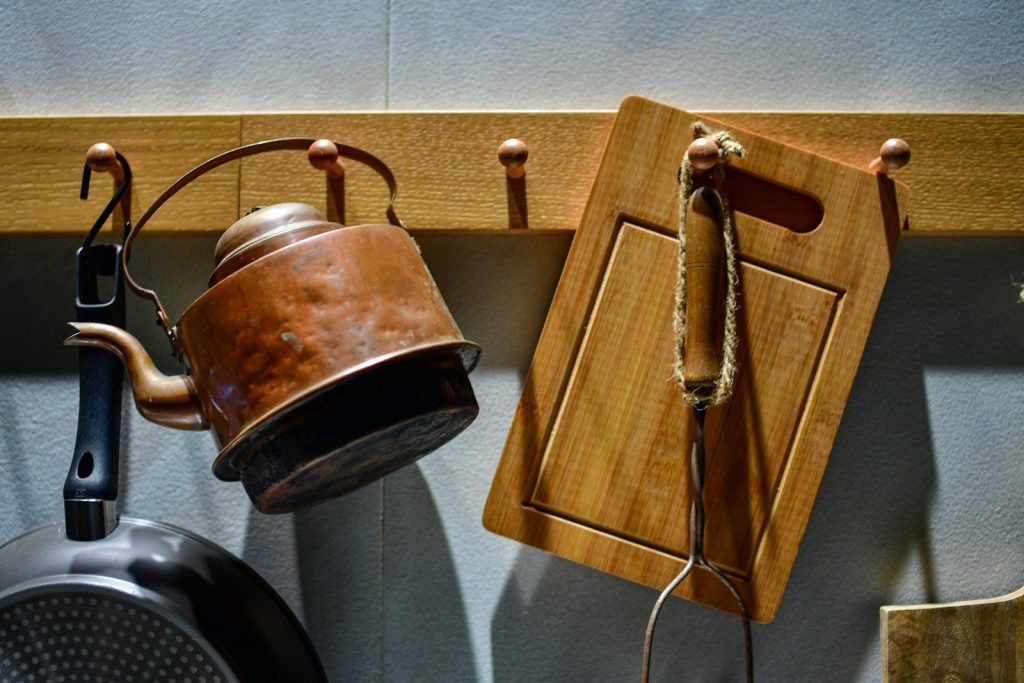

Most people have a mental list of what counts as valuable. Jewelry, art, real estate. The stuff that gets appraised and insured. Everything else is just stuff. But collectors, resellers, and auction houses have spent decades proving that assumption wrong, and in 2026, with online marketplaces making it easier than ever to find buyers for nearly anything, the gap between “junk” and “jackpot” has never been thinner.
A few categories keep showing up again and again, and chances are good that at least one of them is sitting in a closet, a drawer, or a box in the garage right now.
1. Vintage Cookware
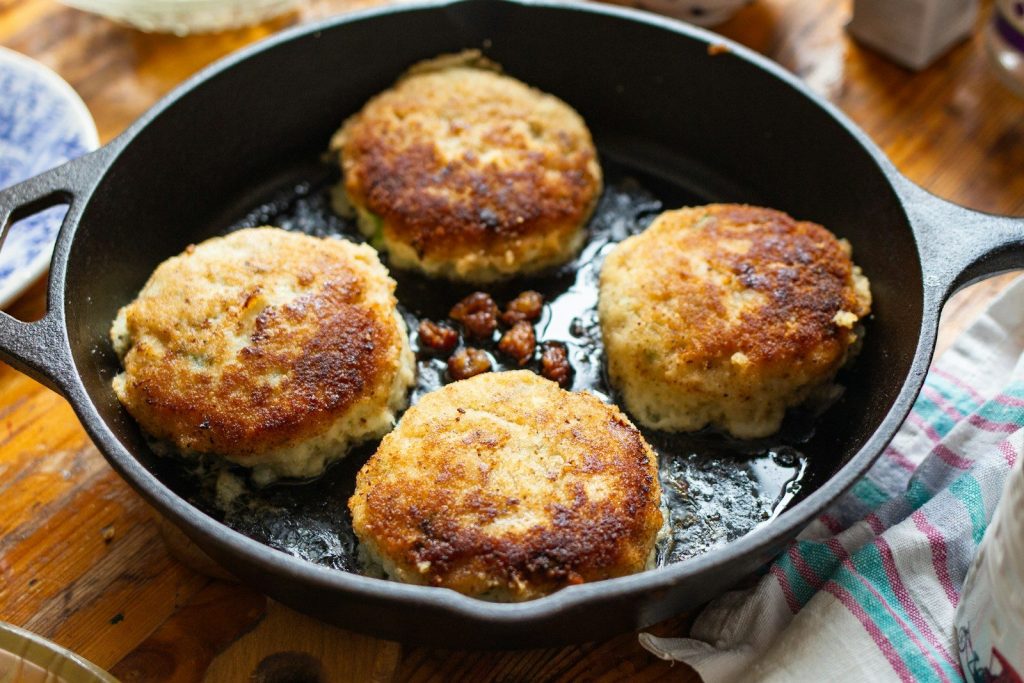
Cast iron cookware from the early-to-mid 20th century has developed a serious collector following. Skillets made by Griswold and Wagner, two American manufacturers that dominated the market before World War II, regularly sell for $100 to $500 depending on the piece.
Rare sizes, early catalog numbers, and certain markings can push prices well above that. A Griswold No. 2 skillet, one of the rarest sizes the company produced, commands a significant premium among serious collectors. Most people inherited these from grandparents and assumed they were just old pots. Many of them are, but some are not.
2. Old Levi’s Jeans
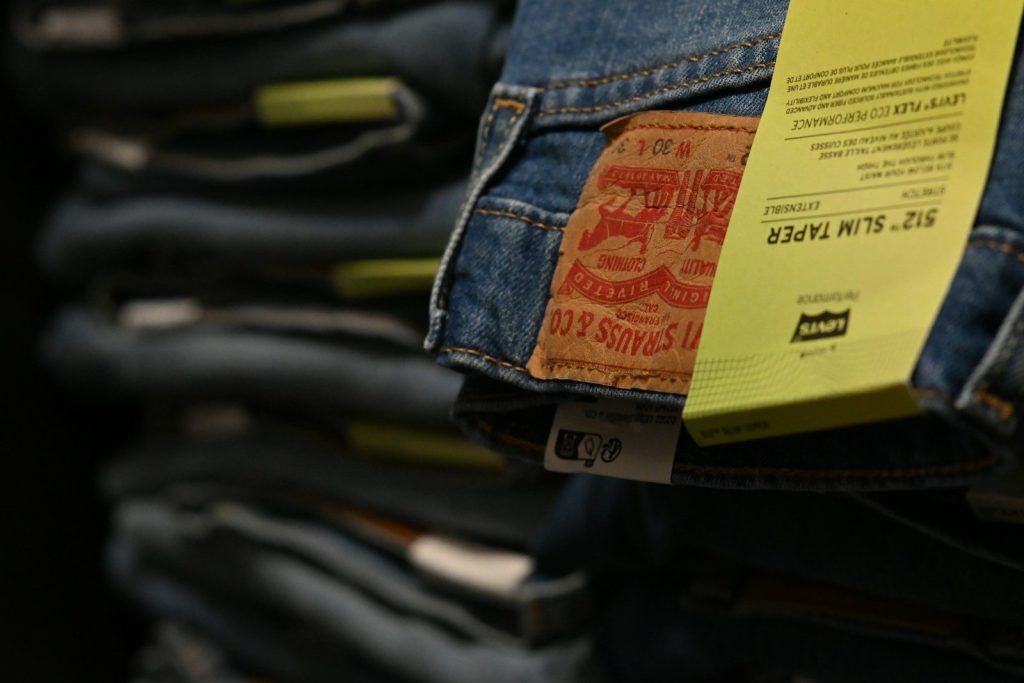
Pre-1971 Levi’s, particularly 501s with the Big E logo on the red tab, have become serious collectibles. The Big E refers to the all-caps spelling of “LEVI’S” used on the tab before the company switched to a lowercase e in 1971. Japanese buyers in particular have driven prices up substantially over the past two decades, and that demand hasn’t cooled.
A pair of 1950s or 1960s Levi’s 501s in wearable condition can fetch $500 to $2,000 on the resale market. Deadstock pairs, meaning unworn with original tags, have sold for far more. The details matter: the presence of a leather patch, the stitching pattern on the back pockets, even the specific shade of denim all affect value.
3. Vintage Pyrex
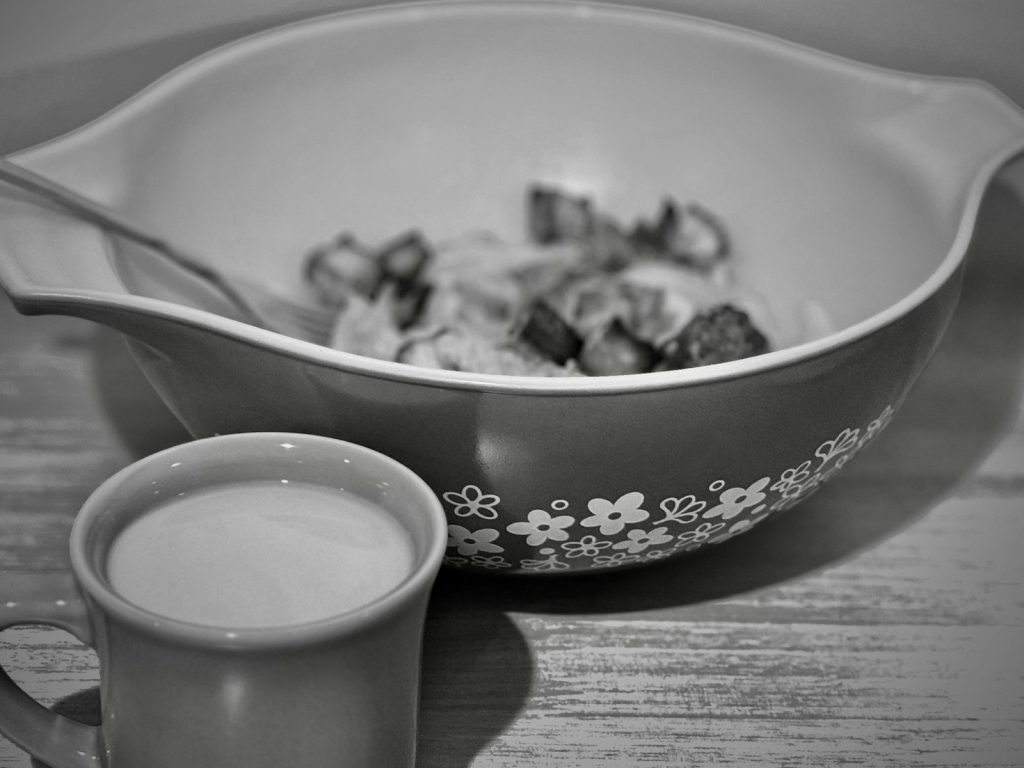
The pastel-colored Pyrex patterns from the 1950s through the 1970s have quietly become one of the most active collecting categories in the kitchenware world. The “Lucky in Love” pattern, a 1959 promotional piece featuring pink hearts and green clovers on white glass, is among the most sought-after pieces in the entire hobby. It was produced in such limited quantities that collectors debated for years whether it actually existed.
A single Lucky in Love casserole dish sold on eBay in 2022 for $22,100, setting a record for any piece of vintage Pyrex. More common patterns like “Butterprint” and “Gooseberry” sell in the $30 to $150 range depending on the piece. None of this was considered collectible twenty years ago. People used it, broke it, or tossed it when they redecorated. Whatever survived intact is now genuinely scarce.
4. Certain Postage Stamps
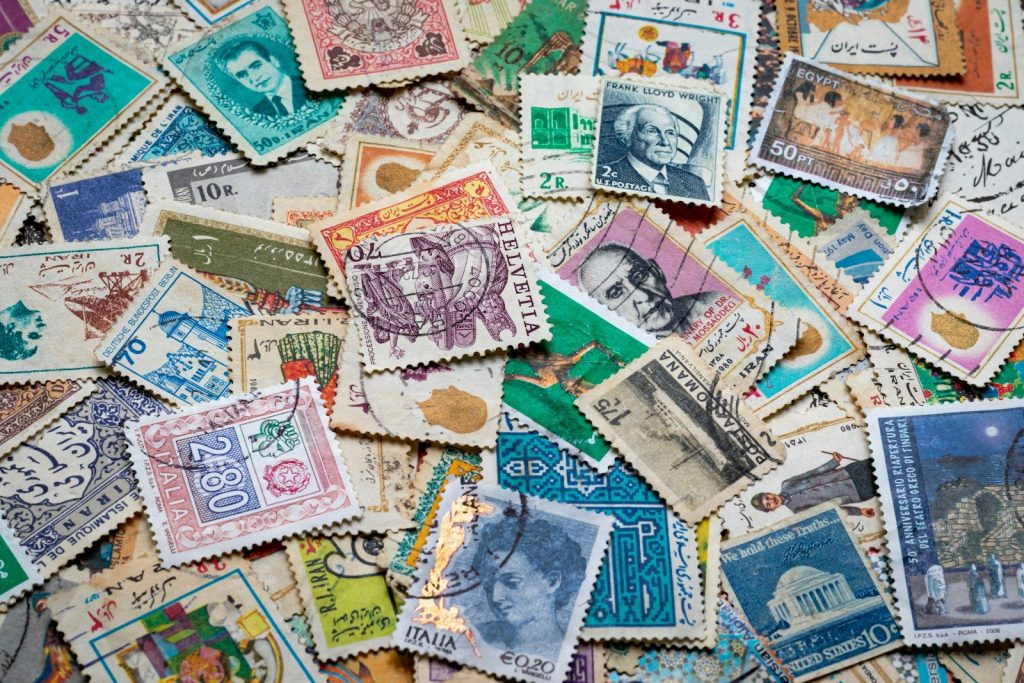
Stamp collecting gets dismissed as a hobby for an older generation, but the market for rare U.S. stamps remains active and occasionally startling. The 1918 “Inverted Jenny,” a 24-cent airmail stamp printed with the biplane upside down, sold at auction in November 2023 for $2,006,000, setting a record for any single U.S. stamp. Most people won’t have one of those.
But pre-1940 commemorative stamps in mint condition, first-day covers, and certain error stamps still command real money from serious philatelists. If there’s an old collection in the attic that belonged to a grandparent or great-grandparent, it’s worth having a dealer take a look before assuming it’s worthless.
5. First Edition Books

Not every old book is valuable, and most aren’t. But first editions from authors who became culturally significant can be surprisingly lucrative, especially when they’re signed. A first edition of F. Scott Fitzgerald’s “The Great Gatsby” in good condition sells for tens of thousands of dollars. More accessible examples: a first edition of Stephen King’s “Carrie” from 1974 in fine condition can sell for $1,000 to $7,500, with signed copies pushing toward the upper end of that range.
The key markers are the copyright page (which should say “First Edition” or list no additional printings) and the condition of the dust jacket. Jackets that survive intact are far rarer than the books themselves and account for most of the value.
6. Sports Cards (Specific Ones)
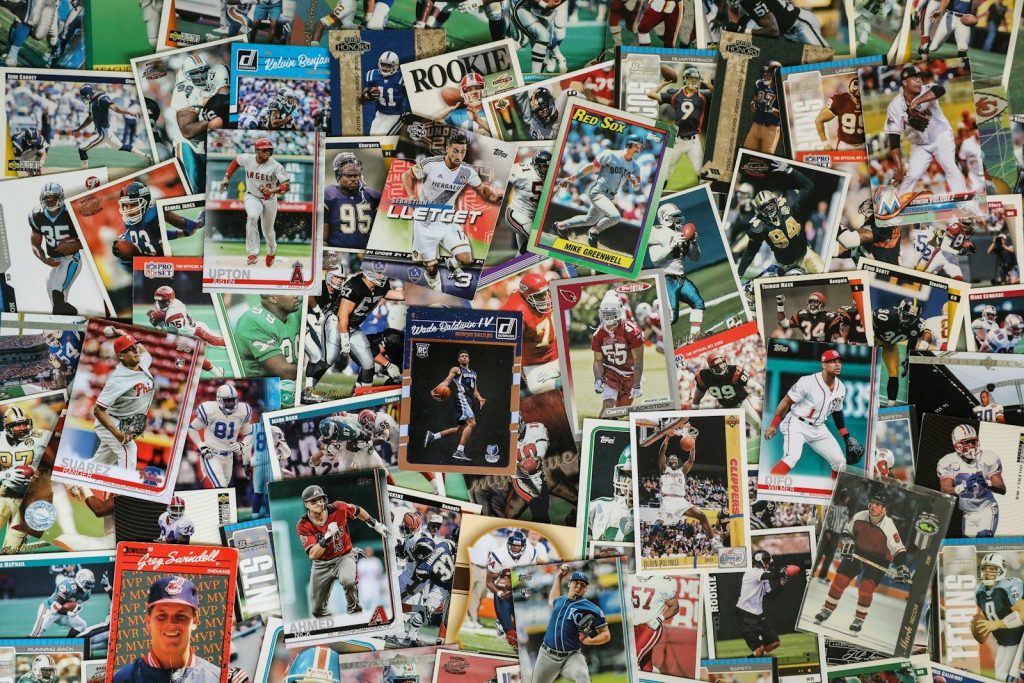
The sports card market went through a speculative bubble around 2020 and 2021, and prices for many modern cards have come back down to earth since then. But vintage cards, particularly pre-1980 examples in high-grade condition, have held their value. A 1952 Topps Mickey Mantle graded PSA 9 remains one of the most valuable cards in existence, with one selling for $12.6 million in 2022.
More realistically, rookie cards of Hall of Famers from the 1960s and 1970s, graded in decent condition, still sell for hundreds or thousands. If there’s a shoebox of cards from a grandparent’s era, a professional grading assessment might be worth the cost.
7. Vintage Electronics

Original Apple products from the late 1970s and early 1980s have become serious collectibles. A working Apple I computer, of which approximately 60 to 80 are believed to still exist, sold at auction in August 2023 for $223,000.
Apple II machines in original condition with their boxes and manuals sell for hundreds to a few thousand dollars. Outside of Apple, early Sony Walkmans, vintage transistor radios from the 1950s and 1960s, and original Nintendo Game Boys in mint condition all have active buyer communities. The presence of original packaging, which most people threw away, dramatically increases value.
How to Find Out What Something Is Worth

Before selling anything, it pays to do a little research. eBay’s “sold listings” filter is one of the most useful free tools available: it shows what items have actually sold for, not just what sellers are asking. For stamps, books, and coins, professional appraisers and dealers offer assessments, sometimes at no charge if they’re interested in buying.
For sports cards, services like PSA and Beckett grade and authenticate cards for a fee, and a good grade from either can significantly increase what a buyer is willing to pay. Local estate sale companies often have specialists who can flag items worth appraising before everything gets priced at a dollar.
Valuable Items
The items that end up being valuable rarely announce themselves. They sit in the back of cabinets, get carried from house to house during moves, and get donated without a second thought. The categories above aren’t guarantees: most old cast iron is just old cast iron, and most vintage books are worth what they look like they’re worth.
But enough exceptions exist that a few hours of research before cleaning out a storage space is almost always time well spent. Buyers for unusual things are easier to find than they used to be, and what seems like clutter sometimes has a more interesting story.