
A new yerba mate brand called SOLLOS has made headlines in June 2026, and not entirely for the reasons its founders hoped. The Palm Beach-based company, which counts Barron Trump among its five directors, launched its first product, a pineapple and coconut-flavored canned drink made with organic Brazilian yerba mate, and priced a 12-pack at $39.
That works out to $3.25 per can, and it didn’t take long for the math to spark a reaction online.
What SOLLOS Is Actually Selling
The brand describes itself as being built around the Florida lifestyle, with a product made from organic Brazilian yerba mate, raw honey, monk fruit extract, and 120mg of natural caffeine per can, totaling 50 calories and 5 grams of added sugar. SOLLOS launched with a single flavor rather than a lineup.
The company’s website explained the decision plainly: “We have been obsessing over one flavor until it was flawless.” The name itself is a blend of “Sol,” the Spanish word for sun, and its reverse, though critics pointed out that “los” already means “the” in Spanish.
The Backlash in Plain Numbers
Social media comments ranged from skeptical to blunt. Posts on X included lines like “A fool and his money are soon parted” and “More expensive than a 12-pack of craft beer.”
The pricing comparison that kept circulating was hard to argue with: a 12-pack of Red Bull runs $17 to $25 on Amazon, and a 12-pack of Guayakí Yerba Mate, an established organic brand in the same category, retails for around $34. SOLLOS comes in $5 to $22 above those benchmarks depending on which competitor you use.
Where Yerba Mate Sits in the Market
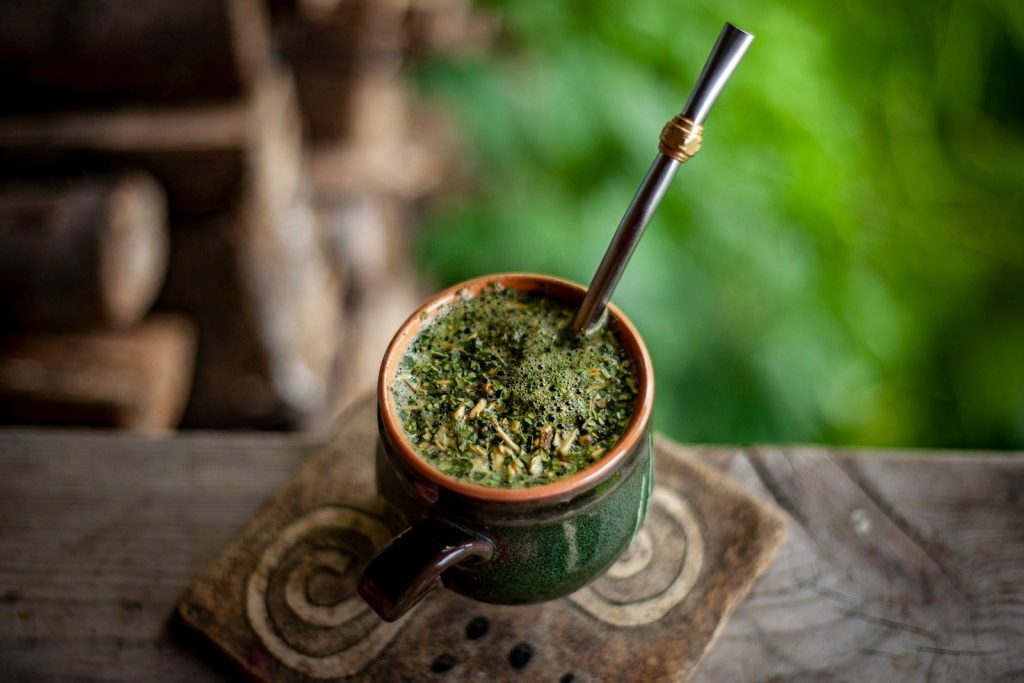
Yerba mate has grown considerably in the U.S. over the past several years, driven by consumers looking for plant-based caffeine without the synthetic ingredients found in traditional energy drinks. Guayakí has been the dominant player for years, and a wave of newer brands has followed.
At $3.25 per can, SOLLOS is asking for a premium over most of them. Guayakí’s 12-packs land closer to $2.84 per can at Walmart. Alani Nu’s energy drinks, another popular premium-adjacent brand, price 12-packs at roughly $30.
What Budget Shoppers Reach for Instead
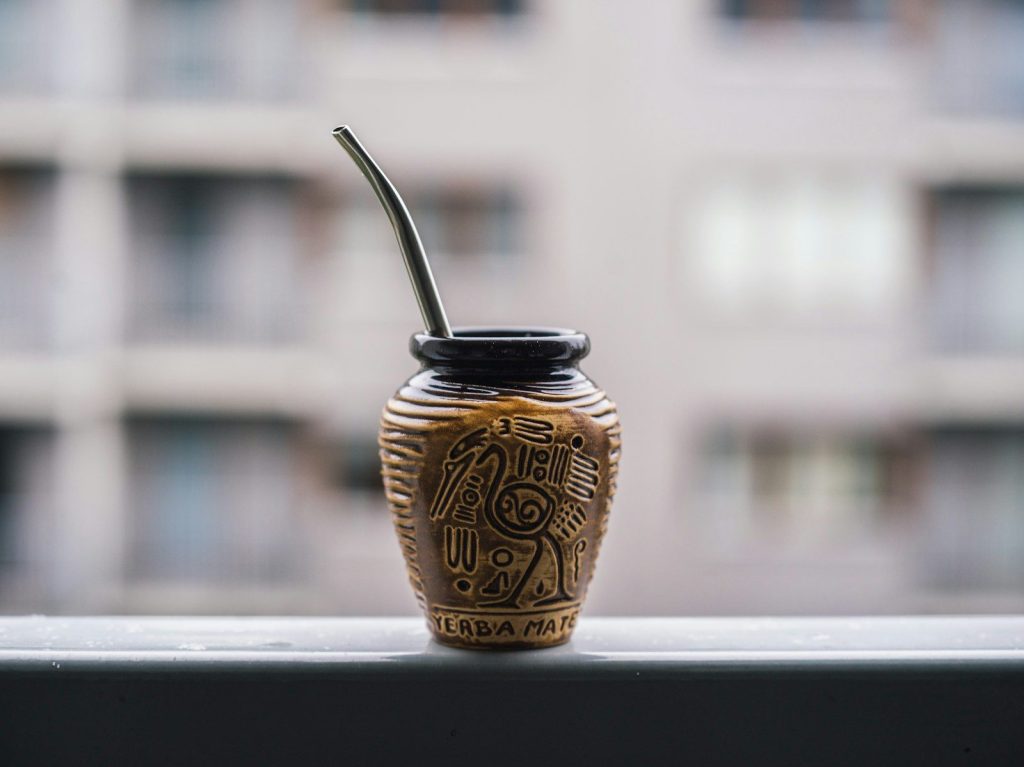
For people who like the idea of a natural energy drink but not the SOLLOS price tag, Guayakí is the obvious starting point. It’s organic, widely available, and undercuts SOLLOS by several dollars per pack.
Celsius, which uses plant-based caffeine from green tea, runs about $2 per can at most major retailers. C4 Performance Energy comes in around $1.67 per can in 12-packs at Walmart. None of those carry a celebrity-adjacent backstory, but they cover the same functional ground.
The Cold Brew Alternative
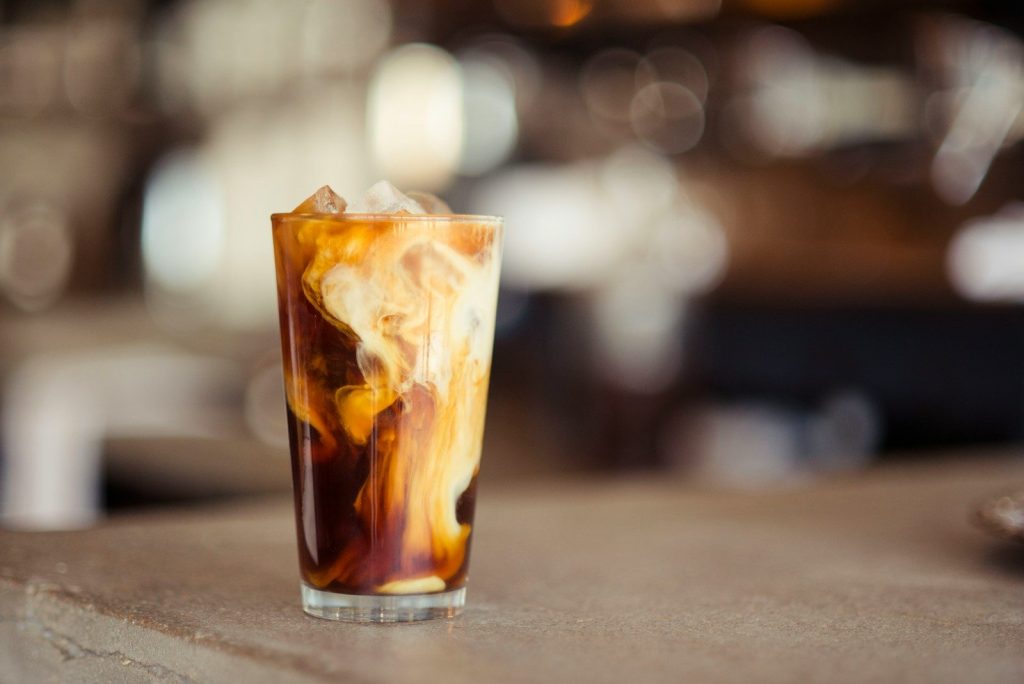
For people after a morning caffeine hit rather than an afternoon energy drink, home cold brew remains one of the better deals in the beverage space. A bag of coarsely ground coffee, a mason jar, and about 12 hours in the refrigerator produces 8 to 10 servings for under $5 total.
Canned cold brew from mainstream brands like Starbucks runs $2.94 to $3.49 per can at major retailers in 2026 — still cheaper per unit than SOLLOS, and more widely available.
Sparkling Water With a Boost
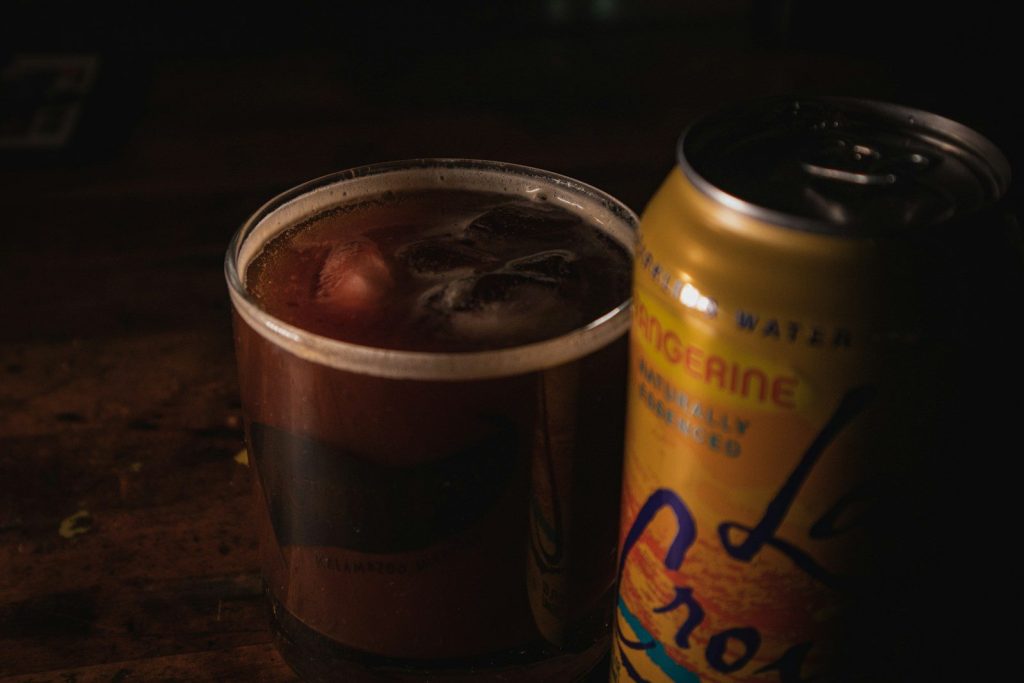
Plain sparkling water plus an electrolyte packet is another path frugal shoppers take. LaCroix and Polar both come in under a dollar per can at grocery stores, and pairing either with a Nuun tablet, roughly 70 cents per serving at most pharmacies, produces a flavored, electrolyte-rich drink for well under $2 total.
That’s a significant gap from $3.25, especially for daily drinkers who go through a can or two every day.
The Liquid I.V. Comparison

Liquid I.V. gets recommended often in budget beverage discussions because Costco sells it in 30-count packs for around $20, dropping the per-serving cost to about 67 cents.
It’s a hydration and electrolyte product rather than an energy drink, so it doesn’t map perfectly onto SOLLOS, but it illustrates how far the price gap can stretch when you buy in bulk through warehouse channels instead of premium direct-to-consumer packaging.
The Bundling and Branding Premium
Part of what consumers are paying for with SOLLOS is the story: the cabana origin, the South Florida aesthetic, the organic sourcing, the single-flavor-done-right positioning. Whether that justifies $39 depends entirely on how much value a buyer places on those things.
The product itself has received reasonably positive reviews on taste from people who tried it without political preconceptions, a Slate writer described it as genuinely good. The issue isn’t the drink. It’s the price relative to what else is on the shelf.
The Bottom Line

SOLLOS has entered one of the most crowded categories in consumer goods, priced above most of its direct competitors, with a co-founder whose name generates strong reactions in both directions. For shoppers watching their spending in 2026, the value case is a tough one to make.
Guayakí costs less and has been in the yerba mate market for decades. Alani Nu and Celsius cost less and move millions of units a month. And for anyone who just wants caffeine and hydration without the brand identity attached, a $5 bag of coffee grounds still beats all of them.