

Retiring alone changes the financial calculus in ways couples rarely consider. There’s no second income, no one to split utilities with, and no backup when an unexpected expense hits. For solo retirees, the state you choose to live in can mean the difference between financial comfort and a decade of quiet stress.
These nine states consistently deliver lower costs, tax advantages, and livable conditions for people who are doing retirement on their own terms.
1. Mississippi
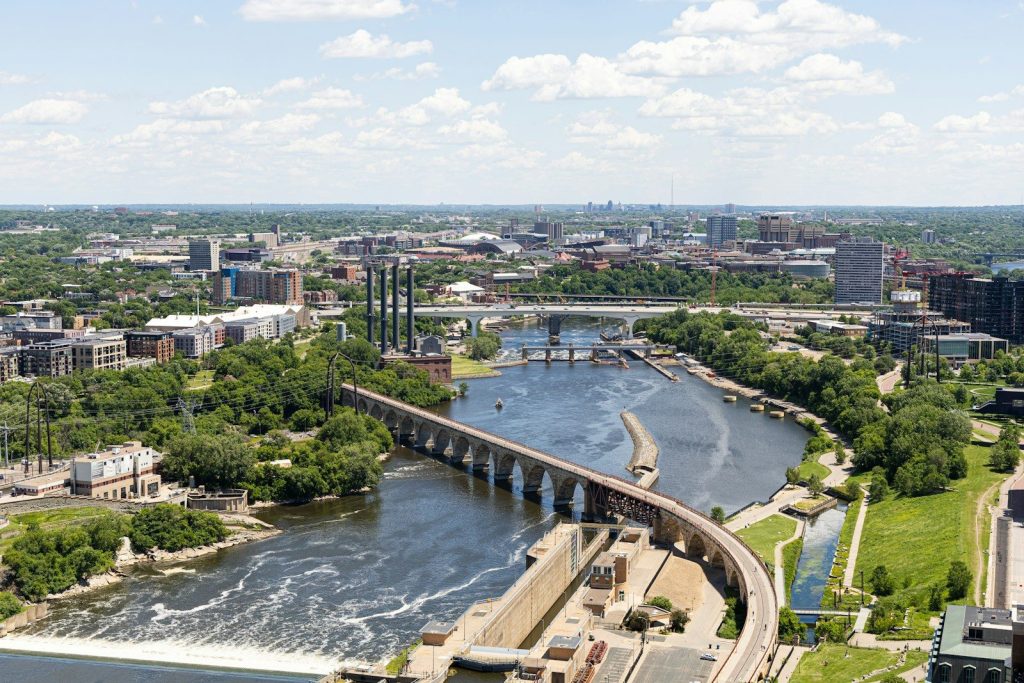
Mississippi routinely lands at the bottom of cost-of-living indexes, and for solo retirees on fixed incomes, that matters. The median monthly rent for a one-bedroom apartment sits well below the national average.
The state exempts Social Security benefits from income tax and also exempts most retirement income, including pensions and 401(k) distributions. Grocery costs are among the lowest in the country. The trade-off is a warmer, humid climate and rural stretches that don’t suit everyone, but for retirees who prioritize financial breathing room, Mississippi delivers.
2. West Virginia

West Virginia has made a real push to attract retirees, and the numbers back up the pitch. Housing costs are low across most of the state, particularly in smaller cities like Martinsburg and Beckley. Starting with the 2026 tax year, Social Security income is fully exempt from state tax for all West Virginia residents, completing a three-year phase-out that began in 2024.
The Appalachian scenery is legitimately beautiful for anyone who enjoys hiking or simply living somewhere that doesn’t feel overbuilt. Healthcare access in rural areas can be limited, so proximity to a regional medical center is worth factoring into any relocation decision.
3. Alabama
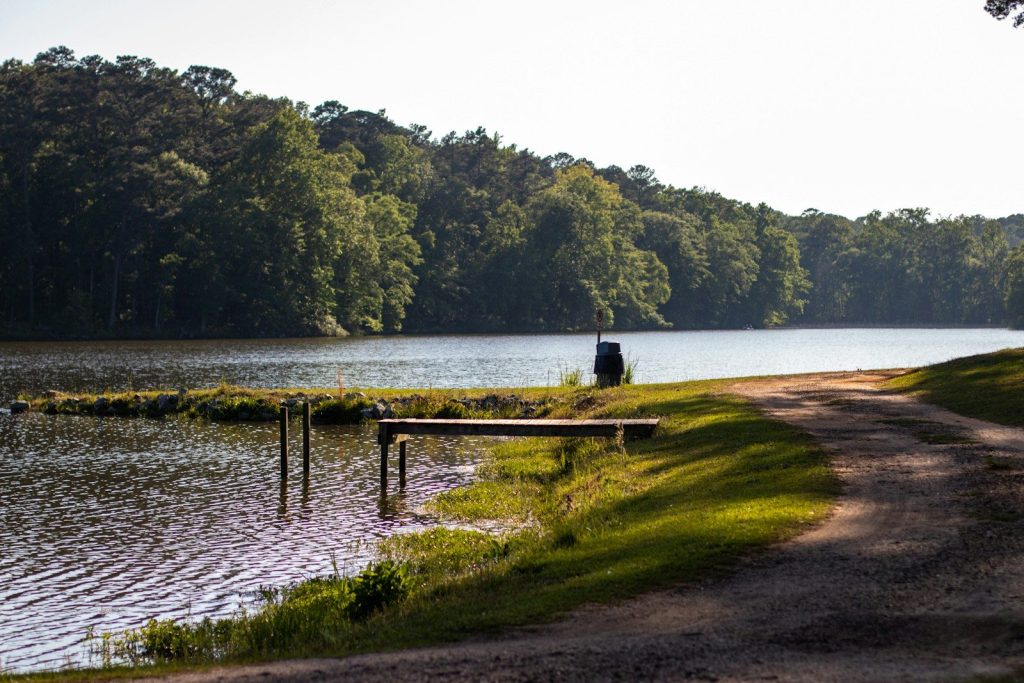
Alabama exempts Social Security benefits and most pension income from state income tax, making it notably friendly to retirees drawing from traditional defined-benefit plans. The picture is a little more complicated for 401(k) and IRA withdrawals, which are generally taxable, though residents 65 and older can exclude up to $6,000 of that income per person.
Property taxes are low, and the cost of buying or renting a modest home in cities like Huntsville or Tuscaloosa remains well below what coastal retirees are used to paying. The state also has a growing medical infrastructure, particularly in Birmingham, which matters more the older you get.
4. Kansas

Kansas doesn’t generate the same buzz as Sun Belt states, but retirees who land there tend to stay. As of 2024, Social Security benefits are fully exempt from Kansas state income tax for all residents, regardless of income level.
Wichita offers genuine urban amenities at a fraction of the cost of larger metros. Groceries, utilities, and healthcare costs all run below the national median. Winters are cold, and the plains aesthetic is not for everyone, but the financial stability Kansas offers a solo retiree living on a moderate fixed income is hard to argue with.
5. Tennessee

Tennessee has no state income tax at all, full stop. That means Social Security, pension income, investment withdrawals, and any part-time work are all untouched at the state level. Memphis and Knoxville offer affordable housing markets with solid healthcare networks.
Nashville has grown expensive by Tennessee standards, but the surrounding communities remain accessible. Warm summers, mild winters in most areas, and a strong sense of regional culture make Tennessee one of the more livable low-tax states rather than just a tax haven that happens to have houses.
6. South Dakota

South Dakota is one of a small group of states with no income tax and no tax on Social Security or retirement distributions. For a solo retiree pulling from savings, that adds up fast over time.
Sioux Falls has developed into a genuine small city with strong healthcare, reasonable walkability in certain neighborhoods, and a lower cost of living than most comparable metros in neighboring states. The winters are serious, but housing costs and tax savings often outweigh the weather factor for retirees who come prepared.
7. Arkansas

Arkansas exempts Social Security income from state taxes and offers additional deductions on other retirement income for qualifying residents. The Ozarks region has attracted a steady stream of retirees over the past decade, drawn by the natural setting, low housing costs, and a slower pace that suits solo retirement well.
Fayetteville in particular has grown into a small city with a decent arts scene, good medical facilities, and neighborhoods where a one-bedroom or small home is still genuinely affordable on a modest income.
8. Iowa

Iowa eliminated taxes on retirement income for residents 55 and older starting in 2023, and the policy holds in 2026. All retirement income, including Social Security, pensions, and IRA withdrawals, is exempt from Iowa state income tax for residents who meet that age threshold.
That was a significant shift for a state that used to tax retirement income fairly aggressively, with a top rate of 8.53% as recently as 2022. Iowa City and Ames both have strong healthcare infrastructure tied to major universities. The cost of living is moderate, the communities are stable, and the state has one of the better rural healthcare networks in the Midwest.
9. Florida

Florida is the obvious inclusion, but obvious for legitimate reasons. There is no state income tax, no tax on Social Security or retirement distributions, and the housing market, though it has cooled from its 2022 peak, still offers genuinely affordable options in cities like Ocala, Lakeland, and parts of the Panhandle.
For solo retirees, Florida’s density of senior communities, medical specialists, and warm-weather infrastructure is hard to match. Homeowners insurance has gotten expensive in recent years, particularly in coastal areas, so inland locations offer a better overall financial picture for most single retirees working with a fixed budget.