
Bathrooms take more punishment than almost any other room in the house. Steam, soap scum, hard water, mildew, it’s relentless. And yet, the cleaning products lining store shelves would have you believe the only solution is a cabinet full of specialty sprays, each one priced like a luxury item.
That’s mostly marketing. Some of the most effective bathroom cleaning and upgrade strategies cost next to nothing, and a few of them work better than the branded alternatives.
1. White Vinegar Is Still the Most Underrated Cleaner Around

A gallon of distilled white vinegar costs around $3 to $4 and handles an enormous range of bathroom problems. Spray it on shower glass to cut through soap scum, let it sit on a showerhead overnight in a plastic bag to dissolve mineral buildup, or use it diluted to wipe down tile grout.
The smell fades fast. One thing to avoid: don’t use vinegar on natural stone surfaces like marble or travertine. The acidity will etch them over time.
2. Baking Soda Does the Scrubbing Work
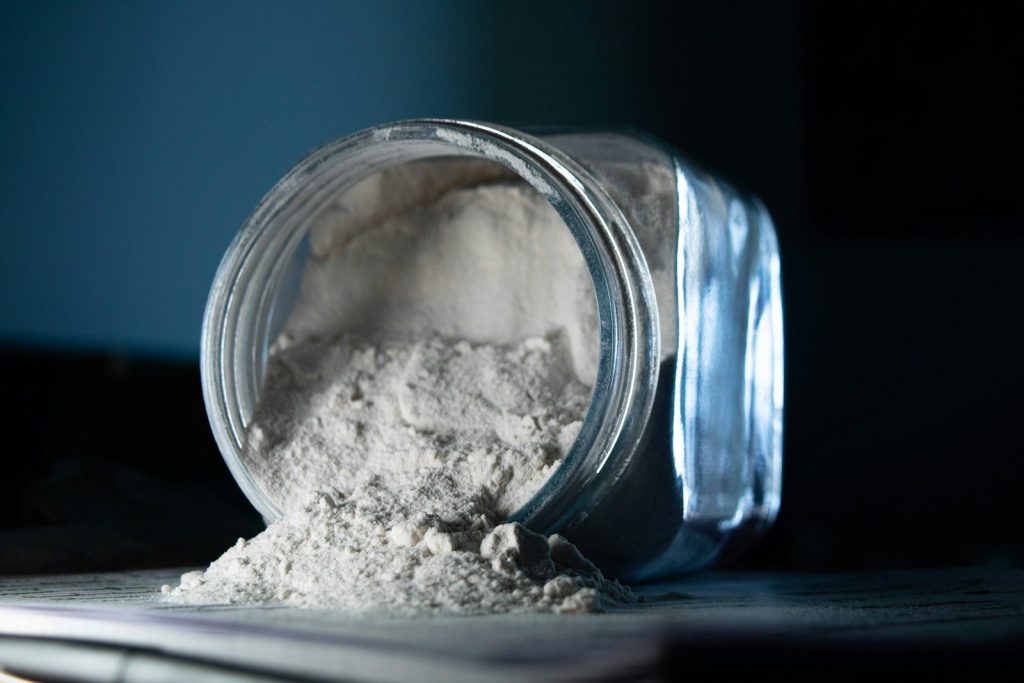
Paired with vinegar or used on its own, baking soda is a mild abrasive that won’t scratch most bathroom surfaces. It’s useful for cleaning toilet bowls, scrubbing grout lines, and refreshing drains.
Sprinkle some down the drain, follow with a splash of vinegar, let it fizz for a few minutes, then flush with hot water. It won’t clear a serious clog, but it handles odors and light buildup without any harsh chemicals.
3. Swap Out the Showerhead for Under $30
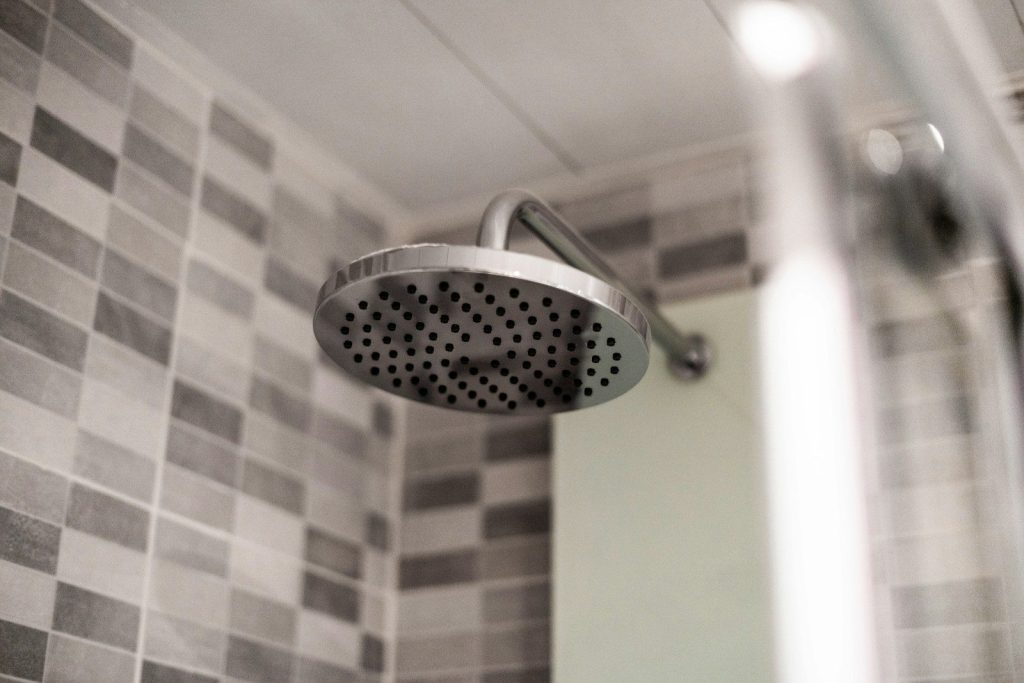
This is one of the most affordable upgrades with an immediate payoff. A low-flow showerhead in the $20 to $30 range can cut water usage noticeably, which matters for utility bills, and many of them have solid pressure despite using less water.
Installation takes about ten minutes and requires no special tools. Brands like Waterpik and AquaDance have well-reviewed options at that price point that don’t feel cheap in use.
4. Bar Soap Over Body Wash Almost Every Time
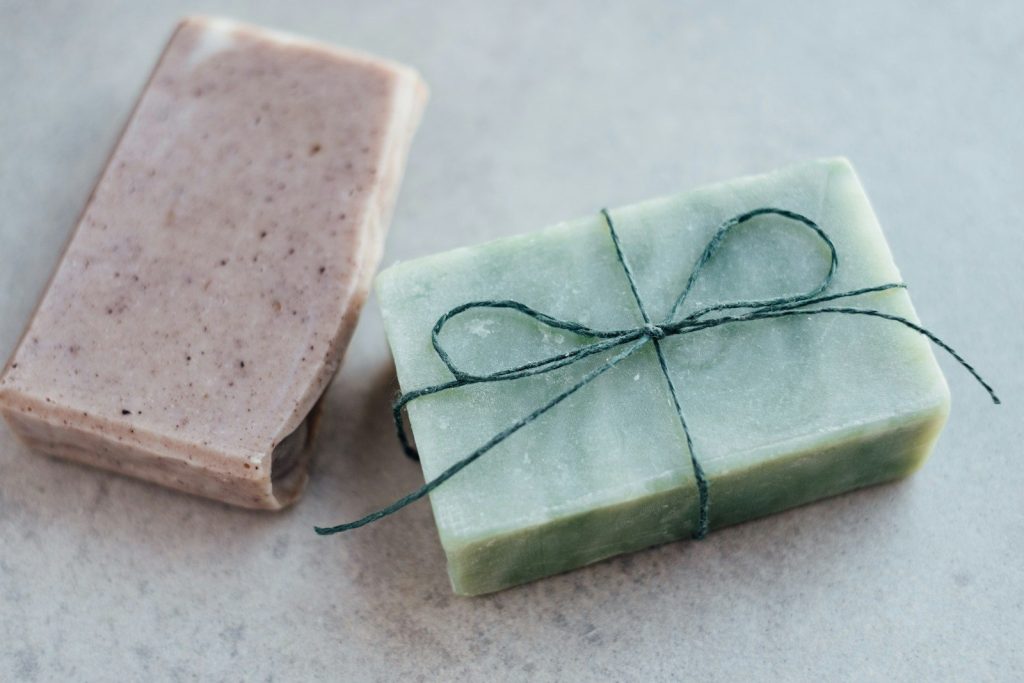
Bar soap costs a fraction of what body wash costs per use, and most dermatologists will tell you the cleansing effectiveness is comparable. The Dove Beauty Bar and similar options have been around for decades for a reason.
Keeping a soap dish that drains properly extends bar life significantly. A bar that sits in pooled water will turn into a soggy mess twice as fast.
5. Grout Pen for a Fresh Look Without Regrouting
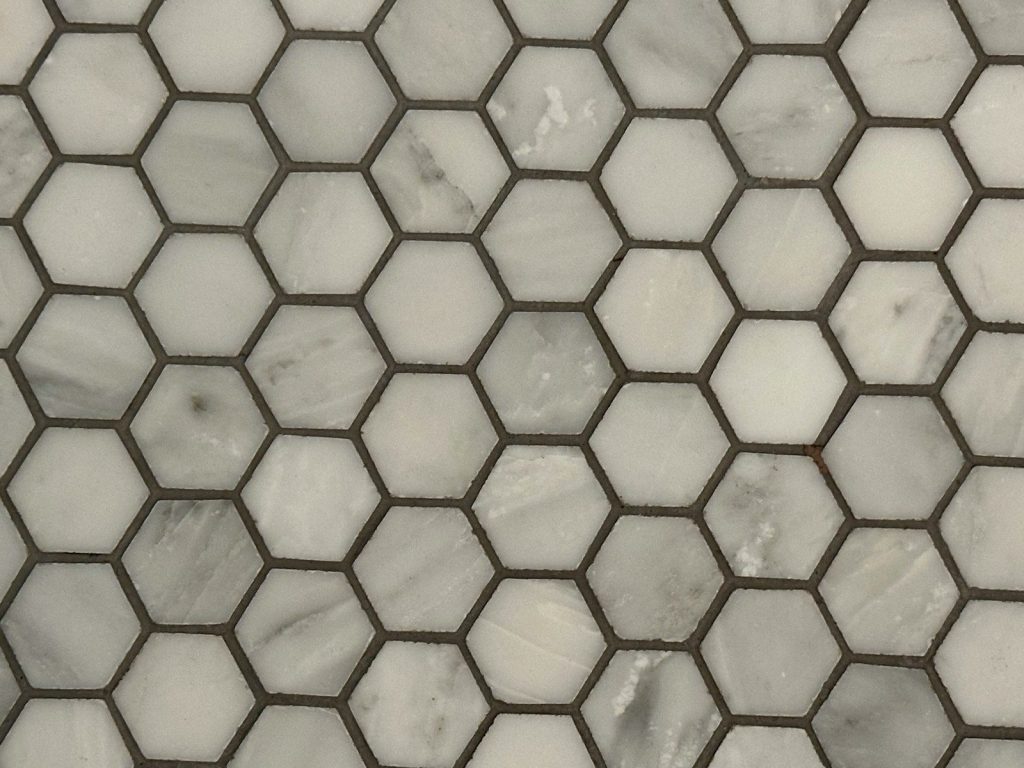
Discolored grout can make an entire bathroom look dingy, even after cleaning. A grout pen, typically $8 to $15, covers stained grout lines and makes tile look freshly installed.
It’s not a permanent fix, touch-ups will be needed every year or so, but for renters or anyone who doesn’t want to tackle full regrouting, it produces a surprisingly convincing result. White and off-white are the most versatile colors.
6. A Squeegee After Every Shower Prevents Most Cleaning
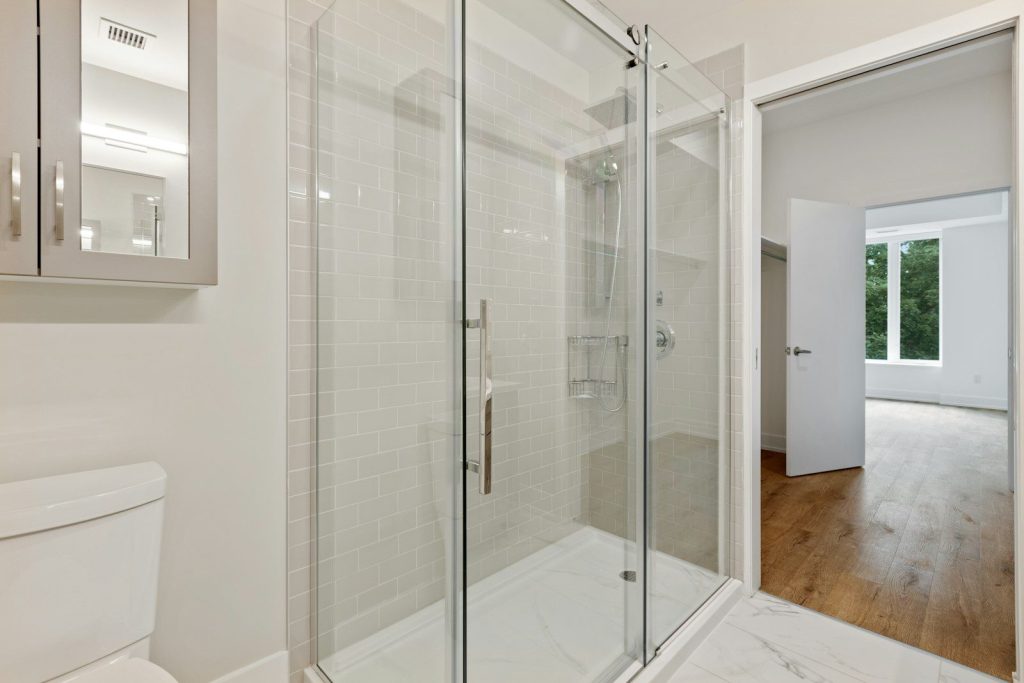
Spending 30 seconds running a squeegee down glass shower doors or tile walls after each shower dramatically reduces soap scum and water stain buildup.
A basic squeegee costs $5 to $10. It’s not glamorous advice, but people who use one consistently spend far less time scrubbing. Prevention is genuinely more effective than any cleaner when it comes to glass and tile.
7. Rubbing Alcohol for Mirrors and Chrome
Glass cleaner works fine, but rubbing alcohol on a microfiber cloth does a better job on chrome fixtures and leaves mirrors streak-free without the blue residue that some sprays leave behind. It also disinfects.
A large bottle of 70% isopropyl alcohol runs about $3 and handles mirrors, faucets, toilet handles, and light switch covers.
8. Refresh Caulk Yourself
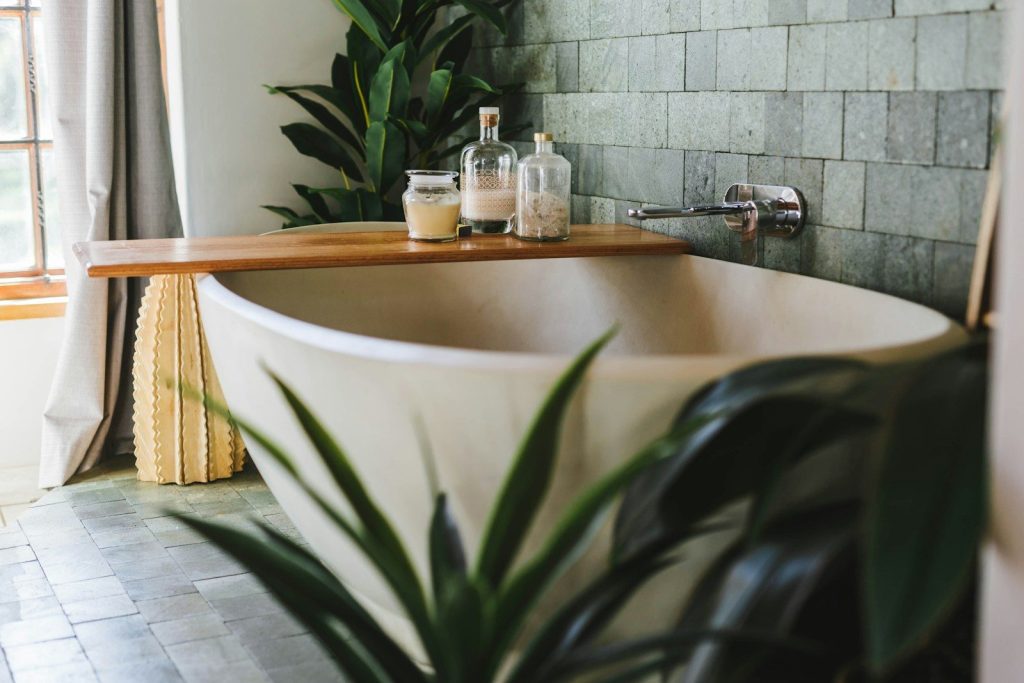
Old, darkened caulk around the tub or sink is one of the biggest visual culprits in a dated bathroom. Removing it and applying a fresh bead is a Saturday afternoon project that costs around $5 to $10 in materials.
A caulk removal tool runs another few dollars. The result looks like a professional job and adds years to the appearance of fixtures that are otherwise in fine shape.
9. LED Bulbs Change the Whole Feel
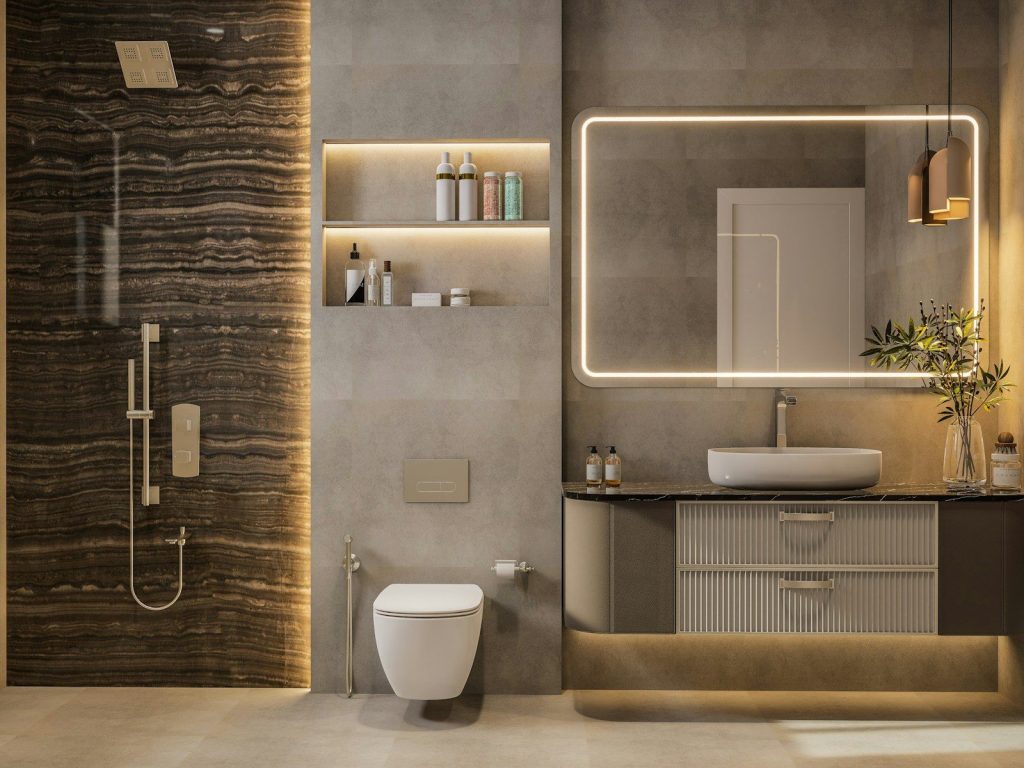
Lighting matters more in bathrooms than most people account for. Replacing harsh, yellowish bulbs with daylight-spectrum LEDs (around 5000K color temperature) makes the space feel cleaner and brighter without any renovation.
LEDs also last far longer than incandescent bulbs and cost less to run. A two-pack of quality bulbs from brands like Cree or Philips runs $8 to $12. For a room where people check their appearance daily, better light is worth every cent.