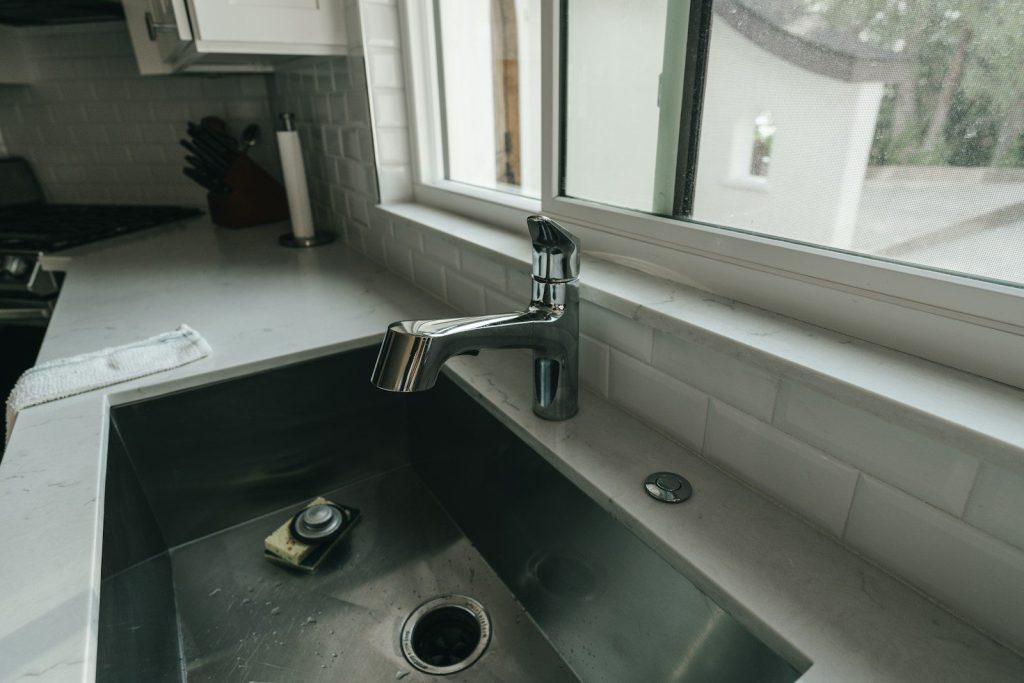

Most people treat their garbage disposal like it can handle anything. It cannot. The disposal under your sink is a relatively simple machine with spinning impellers, a grinding ring, and a motor that was never designed to process half of what Americans routinely push through it.
Repair costs for a damaged unit can run anywhere from $150 to $400, and full replacements often land between $300 and $600 installed. That adds up fast, especially when the damage was completely avoidable.
1. Grease, Oil, and Fat
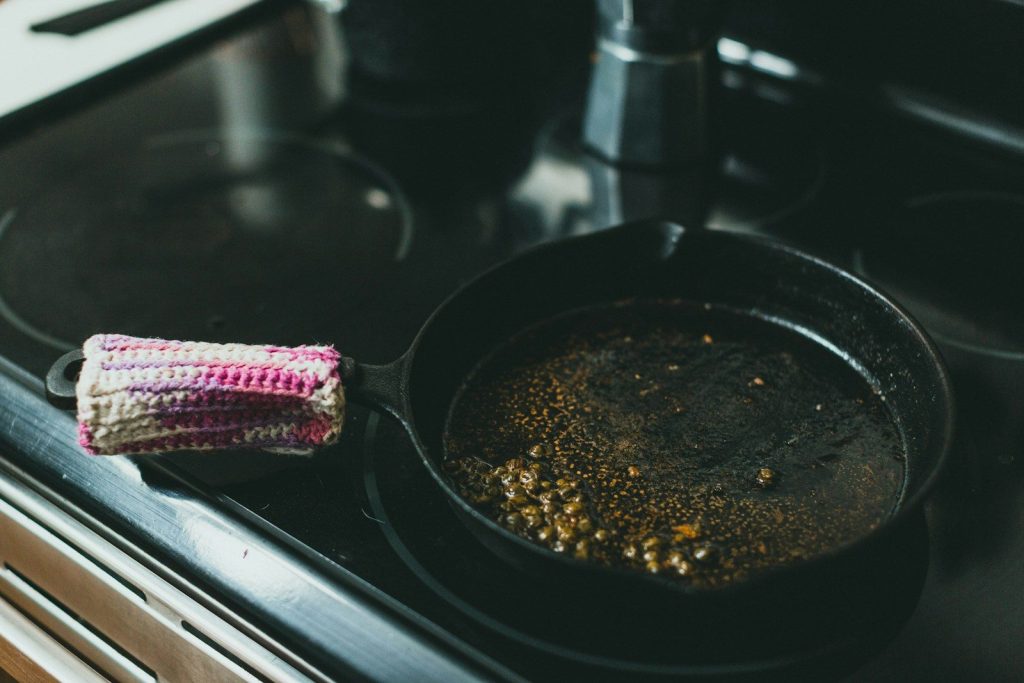
Pouring bacon grease or cooking oil down the drain feels harmless because it goes in as a liquid. The problem comes later, when it cools and hardens inside the drain pipes, coating the walls and eventually creating a blockage that can back up well past the disposal itself.
Even if the oil makes it further down the line, it builds up in municipal pipes and contributes to the fatberg problem cities have been fighting for years. Keep a container near the stove and dispose of fats in the trash.
2. Coffee Grounds
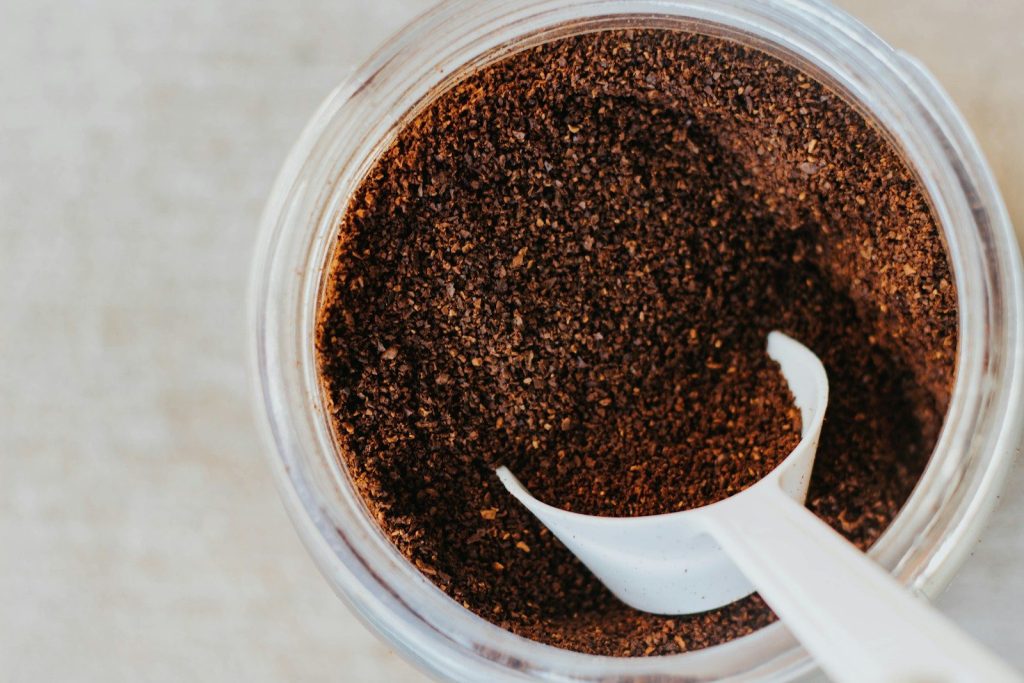
Coffee grounds are one of the most deceptive items people put in disposals. They seem fine going in, almost satisfying, but they accumulate into a dense, wet sludge that packs into pipe bends and drain traps.
Plumbers have been warning about this for years, and it remains one of the most common causes of slow or blocked kitchen drains. Compost them instead, or simply toss them in the garbage.
3. Pasta, Rice, and Bread
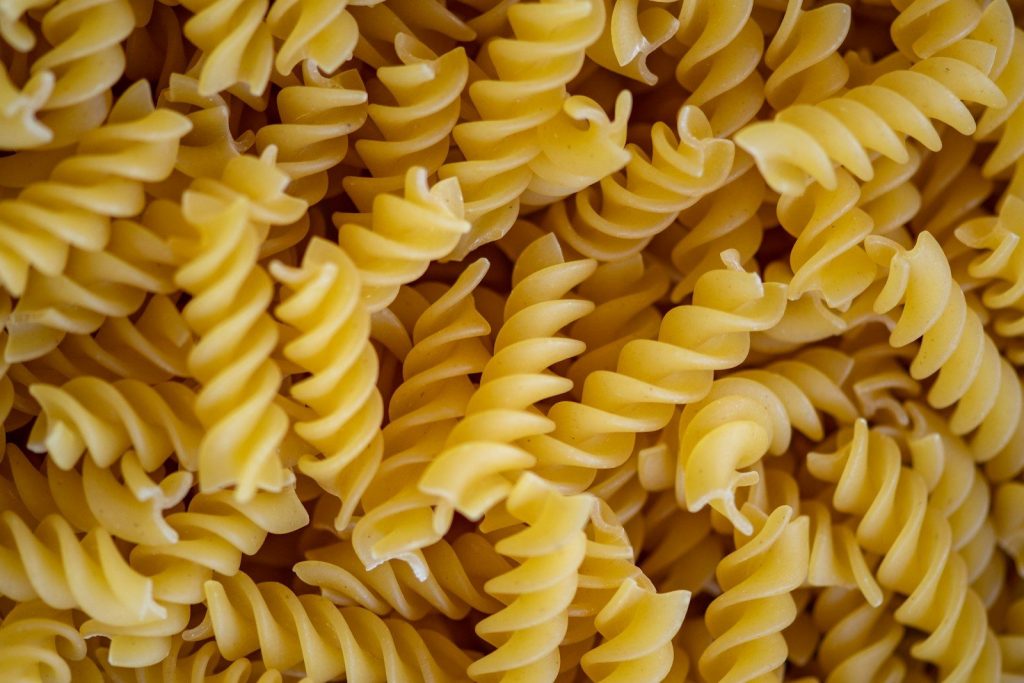
Starchy foods expand when they absorb water, which is exactly what happens inside your pipes. A small amount of leftover rice or a few pieces of penne might not cause immediate damage, but over time these foods swell, stick together, and create dense clogs that are genuinely difficult to clear.
Pasta in particular can wrap around disposal components. Scrape plates into the trash before rinsing them off.
4. Eggshells
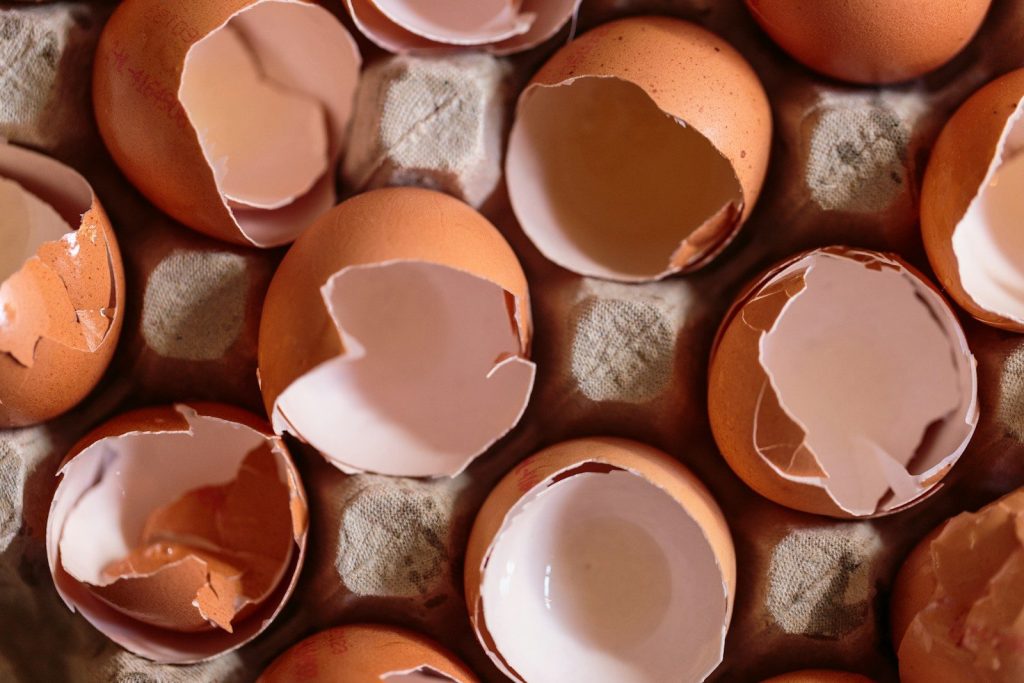
The eggshell debate has been going on for a long time, with some people insisting the shells sharpen the disposal blades. Disposals do not have blades in the traditional sense, so that claim does not hold up.
What eggshells do have is a thin membrane lining that can wrap around the grinding components and cause wear. The shells themselves grind into a fine, sand-like material that accumulates in pipe traps. Skip them.
5. Fibrous Vegetables
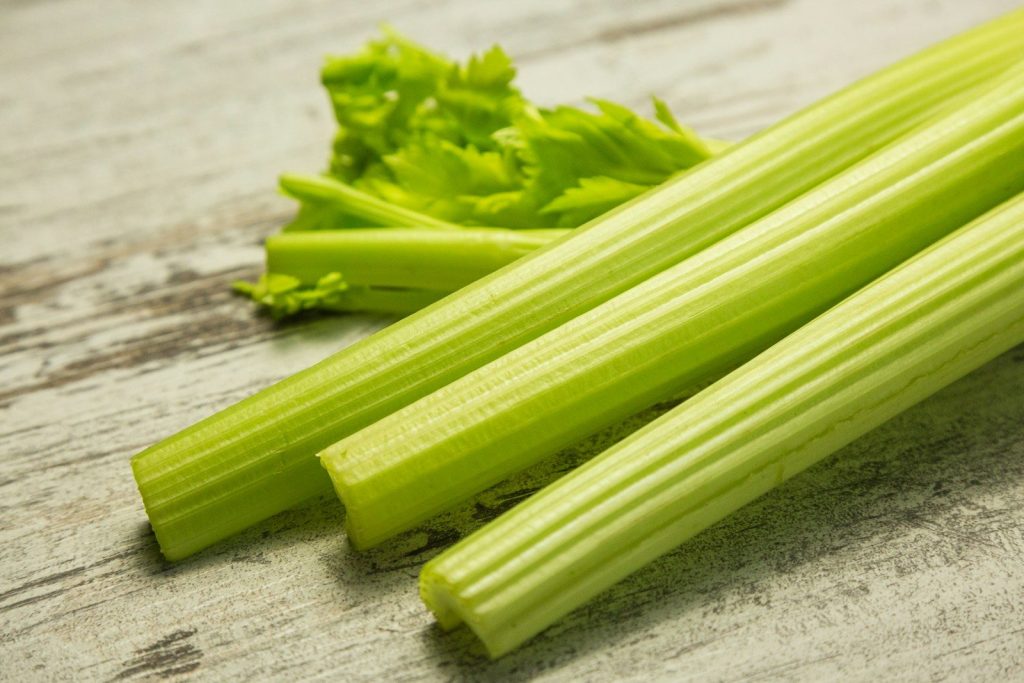
Celery, asparagus, artichokes, and corn husks all have stringy, fibrous structures that behave like thread inside a disposal. The strands tangle around the impellers and motor shaft, which can burn out the motor over time or require a service call to clear manually.
Potato peels are a related problem: they go in thin and manageable but turn into a starchy paste that coats the grinding components. Both belong in the compost bin or trash.
6. Bones and Fruit Pits
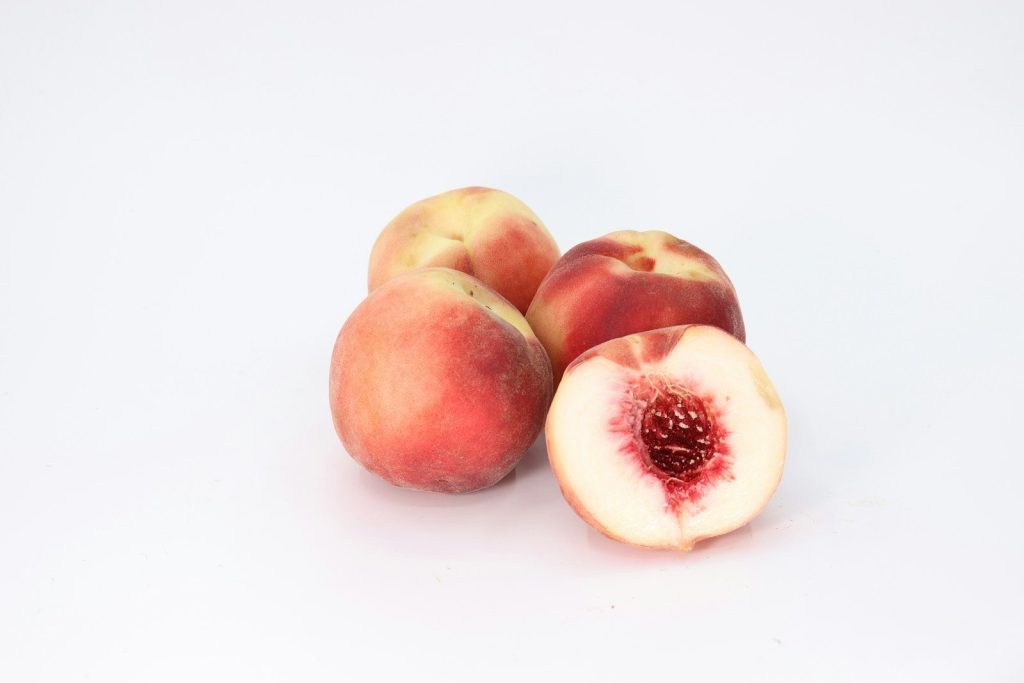
Chicken bones, pork ribs, peach pits, avocado seeds, none of these should go anywhere near a disposal. Hard materials like these can crack or chip the grinding components, knock the motor out of alignment, or simply spin around repeatedly without breaking down at all.
A disposal motor running against a peach pit is a motor working toward an early death. If it’s hard enough that you’d hesitate to bite down on it, it does not belong in the disposal.
7. Onion Skins
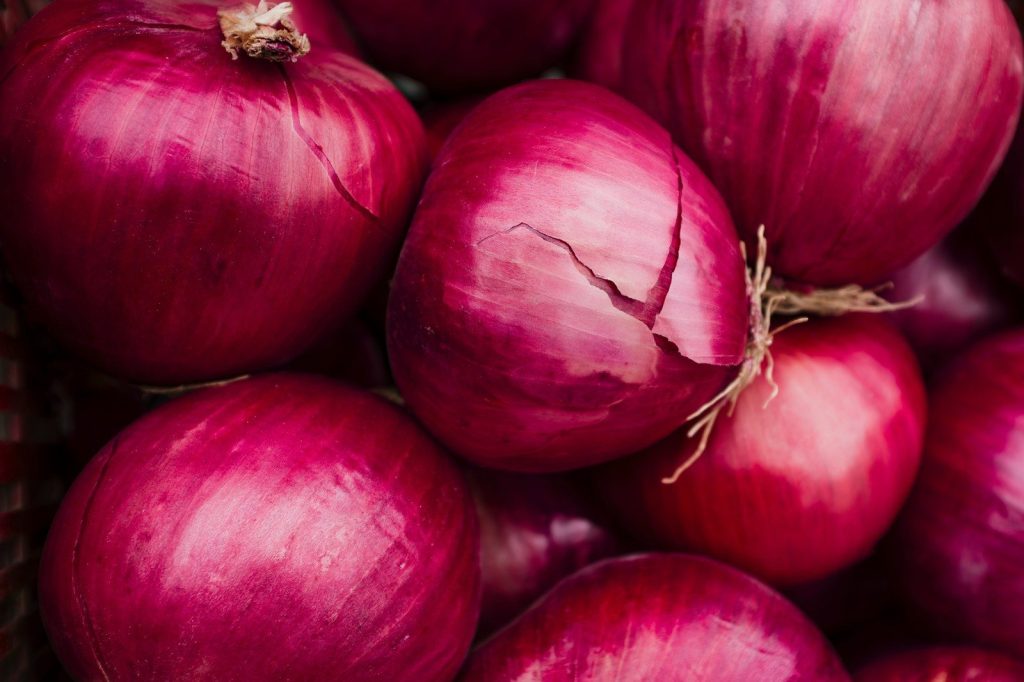
The outer papery layer of an onion is thin enough that it seems like a non-issue. The problem is that it slips past the grinding components largely intact and then acts as a net, catching other debris further down the drain line.
Even the wet inner layers can cause issues, as they tend to clump. Onion scraps are better off in a compost bin.
8. Non-Food Items
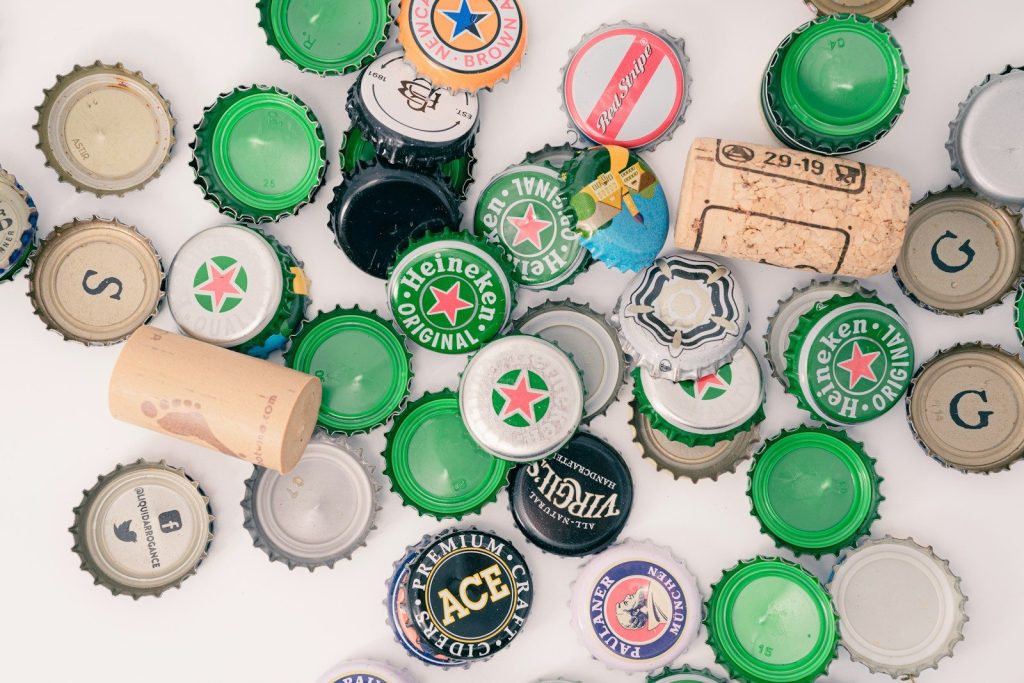
Twist ties, glass shards, bottle caps, rubber bands, and small pieces of packaging end up in disposals more often than most people realize, usually falling in unnoticed while clearing the sink. Any hard or non-organic material can damage the impellers instantly.
A rubber band or twist tie will wrap around moving parts and burn the motor. Get in the habit of checking the drain before running the disposal.
How to Actually Protect It
Run cold water before, during, and for at least 15 to 20 seconds after using the disposal. Cold water keeps fats solid so they pass through rather than coating the components. Cut large scraps into smaller pieces before feeding them in, and never overload the unit all at once.
Once a week, run a few ice cubes through to clean the grinding ring. Occasional use of a disposal-safe cleaner prevents odors and buildup. The disposal that gets a little basic maintenance regularly will outlast the one that gets ignored until something goes wrong.