
Most people treat their lawn mower like a blender. Pull it out, run it hard, shove it back in the garage, repeat. Then one July afternoon it simply refuses to start, and suddenly there’s a $400 repair bill sitting between the homeowner and a presentable yard.
The good news is that the majority of expensive mower breakdowns are entirely preventable. A few consistent habits, practiced across the season, can keep a machine running cleanly for a decade or more.
1. Change the Oil Every Season
Gas-powered mowers need fresh oil, and most owners skip this step entirely. Old oil breaks down, loses viscosity, and stops protecting the engine’s internal components. For walk-behind push mowers, an oil change at the start of each season or after every 50 hours of use is the standard recommendation.
Riding mowers generally run longer between changes, with most manufacturers suggesting 100 hours. It takes about 15 minutes, costs a few dollars, and is one of the single biggest factors in long-term engine health. Synthetic oils have become more accessible and affordable in recent years, and they hold up better across temperature swings than conventional options.
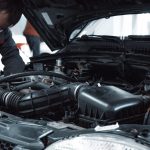
2. Clean or Replace the Air Filter
A clogged air filter forces the engine to work harder than it should. That extra strain raises operating temperatures, increases fuel consumption, and accelerates wear on internal parts. Paper filters should be replaced once a season.
Foam filters can often be cleaned with warm soapy water, dried thoroughly, and lightly coated with clean oil before reinstalling. Neglecting this for two or three seasons is a reliable path to carburetor problems.
3. Sharpen the Blade Regularly
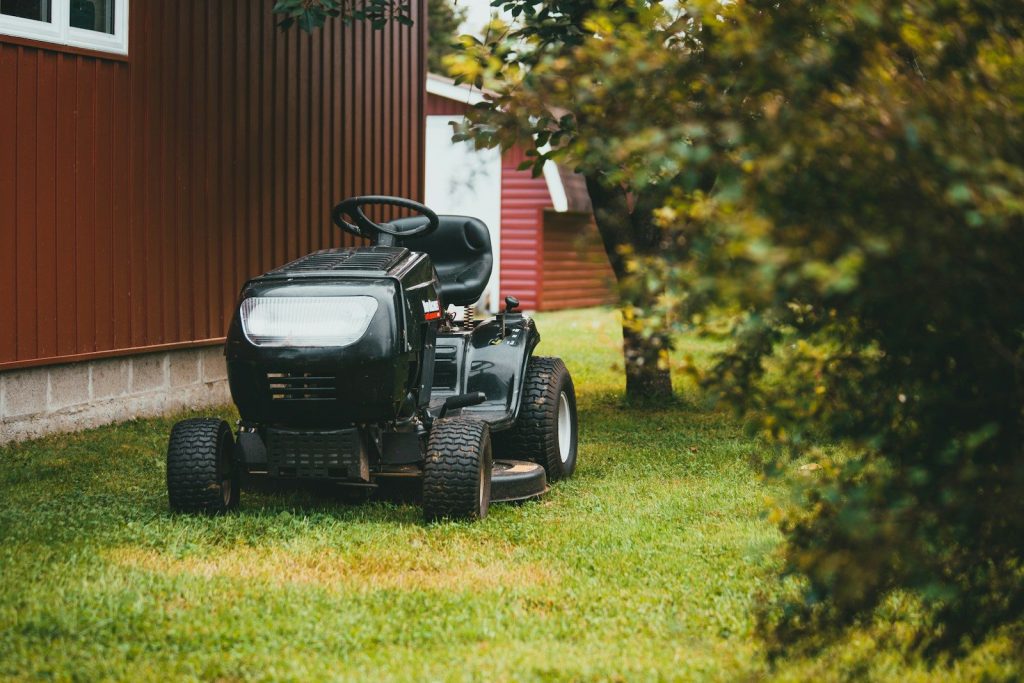
A dull blade doesn’t cut grass. It tears it. Torn grass blades turn yellow at the tips, become more vulnerable to disease, and stress the lawn visually in ways that persist for weeks. Beyond the lawn damage, a dull blade makes the engine work harder to push through resistance.
Blade sharpening is recommended every 20 to 25 hours of mowing time, which works out to once or twice a season for most homeowners. Many hardware stores and small-engine shops will sharpen a blade for $10 to $20. For those who prefer to do it themselves, a bench grinder or angle grinder with a metal grinding disc gets the job done in minutes.
4. Check the Spark Plug

Spark plugs are cheap. Ignoring them is not. A worn or fouled spark plug causes hard starting, rough idling, increased fuel use, and in some cases misfires that damage the engine over time.
Checking the plug annually is straightforward: remove it, look for heavy carbon buildup or a worn electrode, and replace if there’s any doubt. A new spark plug for a small engine typically runs between $5 and $10. Leaving a degraded plug in place for multiple seasons is false economy.
5. Don’t Skip the Fuel Management Step

Ethanol-blended gasoline, which dominates most U.S. pumps, degrades relatively quickly and can gum up the carburetor when left sitting for months. Fuel can deteriorate in as little as 60 days, causing varnish buildup that leads to hard starts and poor performance.
At the end of the mowing season, either run the mower dry or treat the fuel with a quality stabilizer like Sta-Bil before storage. Stale fuel sitting in a carburetor over a long winter is one of the most common reasons mowers fail to start the following spring. It’s also one of the more tedious repairs because it often requires disassembling and cleaning the carburetor by hand.
6. Clear the Deck After Every Use
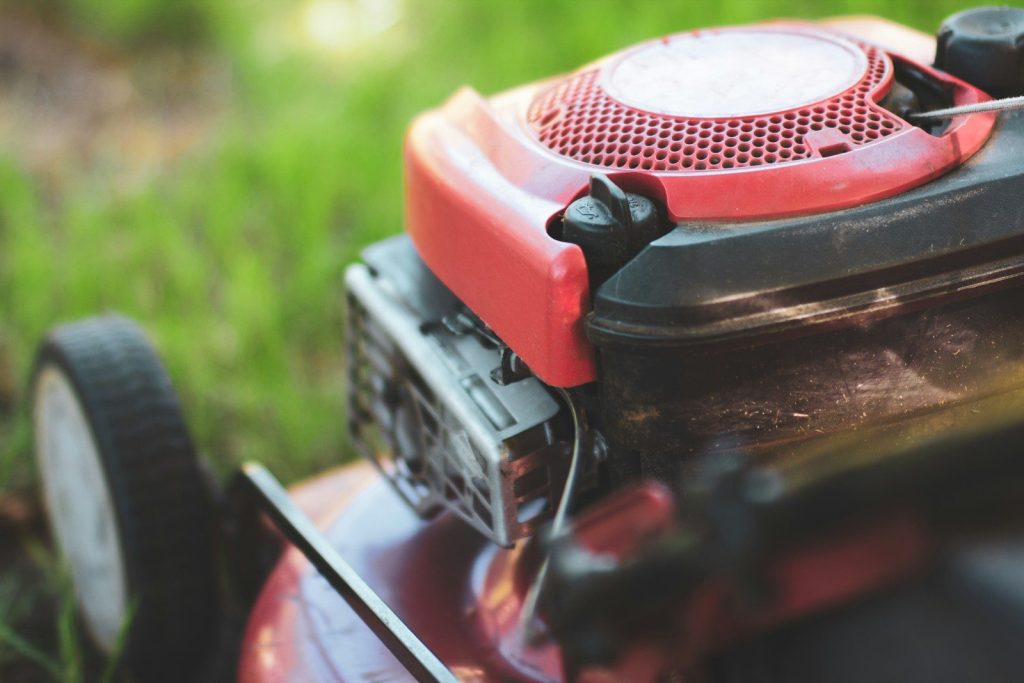
Grass clippings packed under the mowing deck trap moisture against the metal, and moisture against metal means rust. Over time, a neglected deck can corrode to the point of needing replacement, which on a quality walk-behind mower can cost $150 or more just for the part.
A quick scrape and rinse after each mow prevents this entirely. Let the deck dry before storing the machine, especially if it goes into a closed garage or shed.
7. Store It Properly Over Winter

Cold-weather storage done carelessly shortens a mower’s lifespan noticeably. Beyond fuel stabilization, the battery on self-propelled and riding mowers should be removed and stored somewhere that stays above freezing.
Tires on riding mowers benefit from being slightly over-inflated to prevent flat spots from developing during months of disuse. Covering the machine with a breathable cover, rather than a plastic tarp that traps condensation, keeps dust and moisture from working into components over the off-season.
8. Keep Up With the Drive Belt and Cables
On self-propelled mowers, the drive belt is a wear item that most people completely ignore until it snaps mid-mow. A visual inspection once a season catches fraying or cracking before it becomes a failure.
Control cables that operate the blade engagement or self-propel function should also be checked for kinks and rust. A seized cable is an annoying repair that’s far cheaper to prevent with a small amount of cable lubricant applied annually.
The Bigger Picture
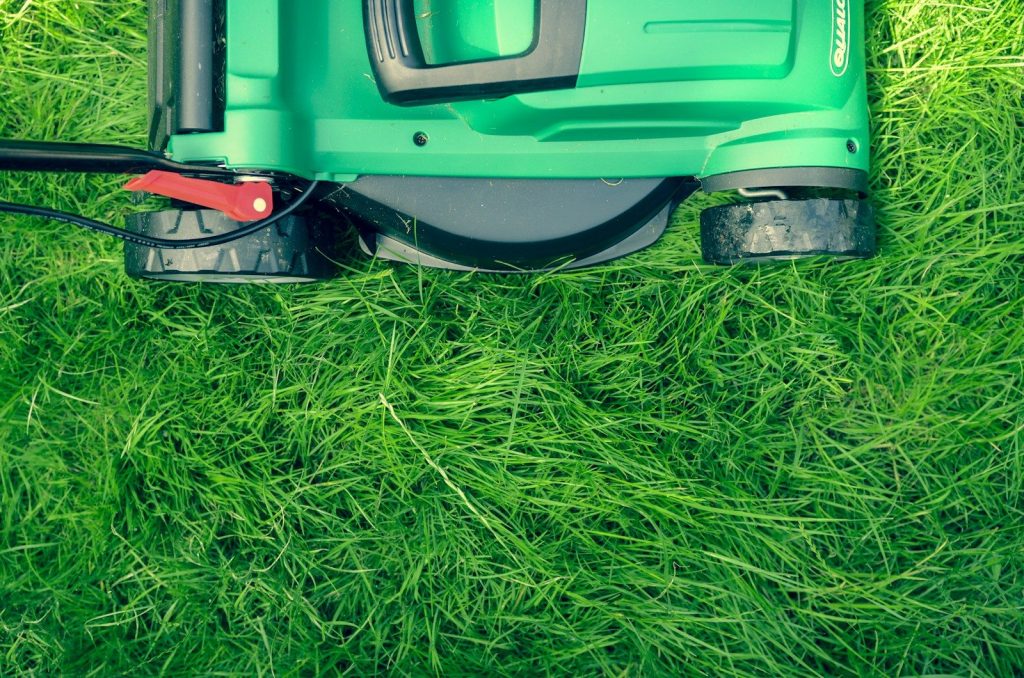
Mower repairs are rarely dramatic failures that come out of nowhere. They’re usually the accumulated result of a dozen small things ignored over several seasons. Keeping up with basic maintenance doesn’t require mechanical expertise or expensive tools.
It requires about an hour of attention per season and a willingness to treat the machine as something worth maintaining rather than something to be replaced when it finally gives out. In most cases, a well-maintained mower bought in 2020 will still be performing reliably well into the 2030s.