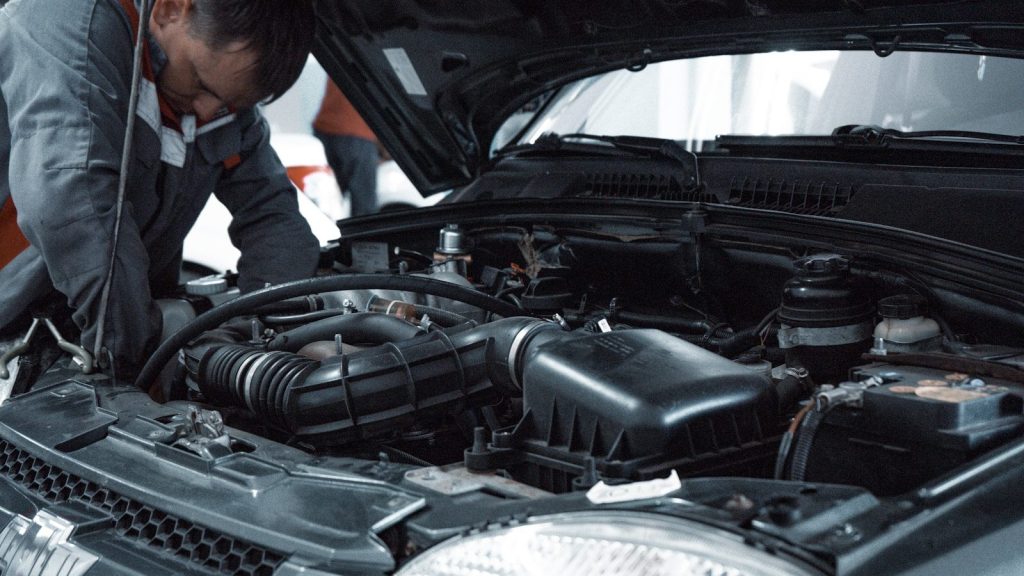

Dealerships and quick-lube shops have done a remarkable job convincing people that cars are too complicated for regular owners to touch. That’s mostly marketing. The average modern vehicle still has plenty of accessible maintenance tasks that require nothing more than basic tools, a YouTube tutorial, and about an hour on a weekend afternoon.
Doing these yourself saves real money, and over time, it builds a familiarity with your vehicle that pays off in ways that are hard to quantify.
1. Changing Your Engine Air Filter
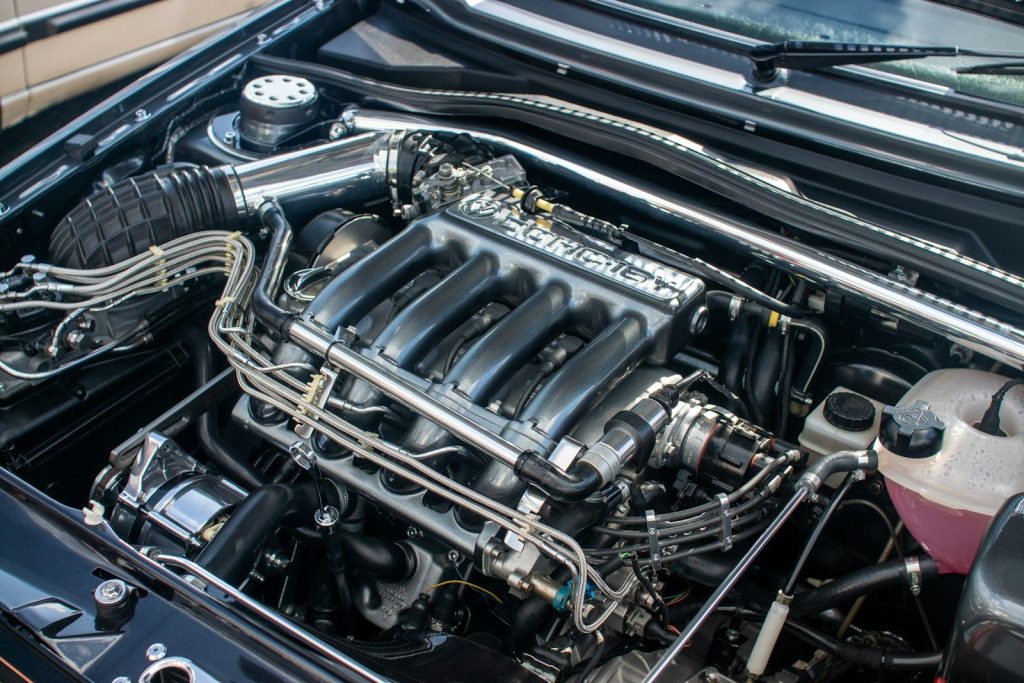
This is one of the easiest swaps on any vehicle and genuinely takes about five minutes. Pop the hood, find the black plastic airbox near the engine, unclip or unscrew the housing, pull out the old filter, and drop in the new one. A clogged air filter reduces engine efficiency and can affect fuel economy.
Filters typically need replacing every 15,000 to 30,000 miles, though driving on dirt roads shortens that window considerably. A replacement filter at an auto parts store runs $15 to $25. A shop charges two to three times that just for the labor.
2. Replacing Windshield Wiper Blades
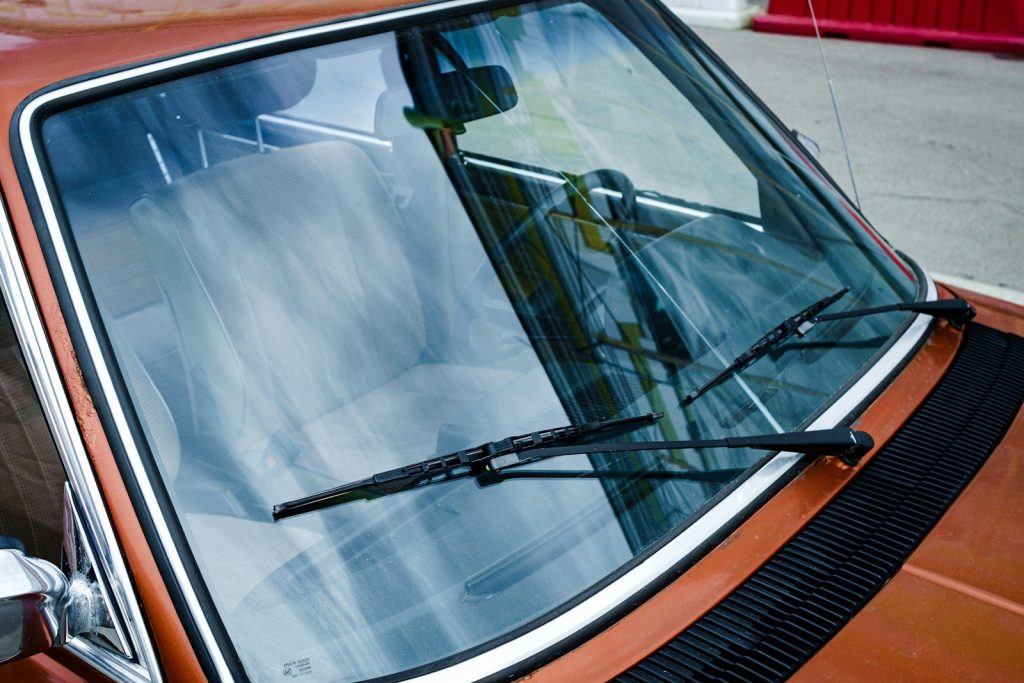
Worn wiper blades are a safety issue, and people tend to ignore them until it’s raining hard and the view is a streaky mess. Replacement blades come with instructions on the packaging, and most modern hook-style arms take less than two minutes per blade.
The only real challenge is identifying the correct size for your specific vehicle, which any auto parts store can look up instantly. In 2026, there are also beam-style blades that outperform traditional ones in both rain and light snow. They cost a little more but last longer.
3. Checking and Topping Off Fluids
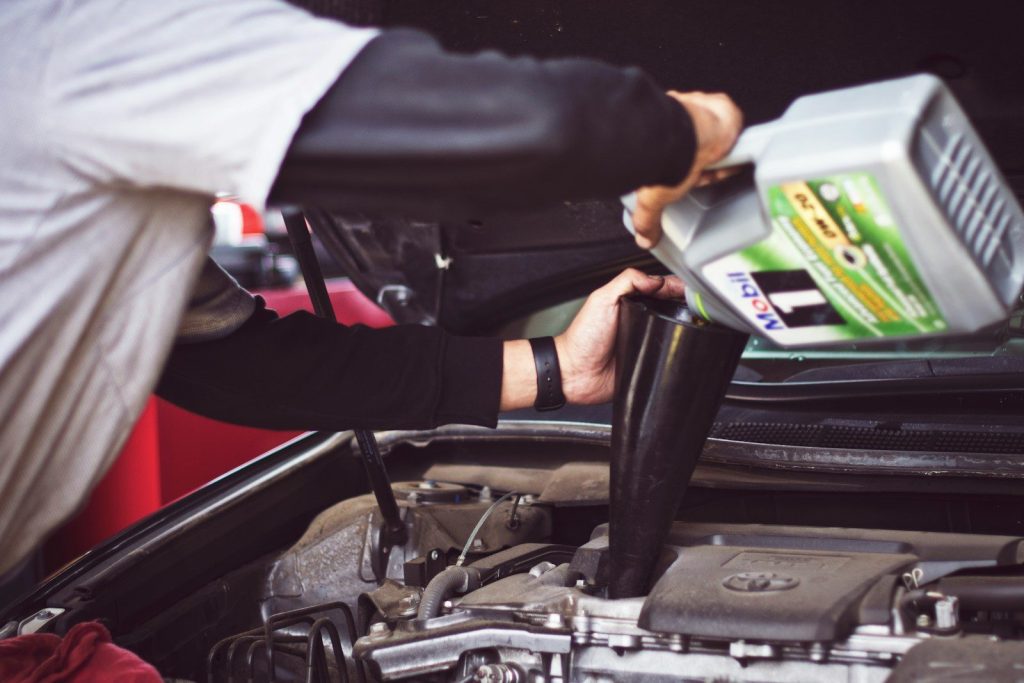
This isn’t a full fluid change, just a five-minute check that most drivers skip entirely. With the engine cool, pull the dipstick to check oil level, then locate the reservoirs for coolant, brake fluid, power steering fluid (on older vehicles), and windshield washer fluid. Each has a min/max marker.
Low washer fluid is harmless. Low brake fluid warrants more attention and might signal worn brake pads. Catching these things early beats discovering them when something goes wrong on the road.
4. Replacing Cabin Air Filters
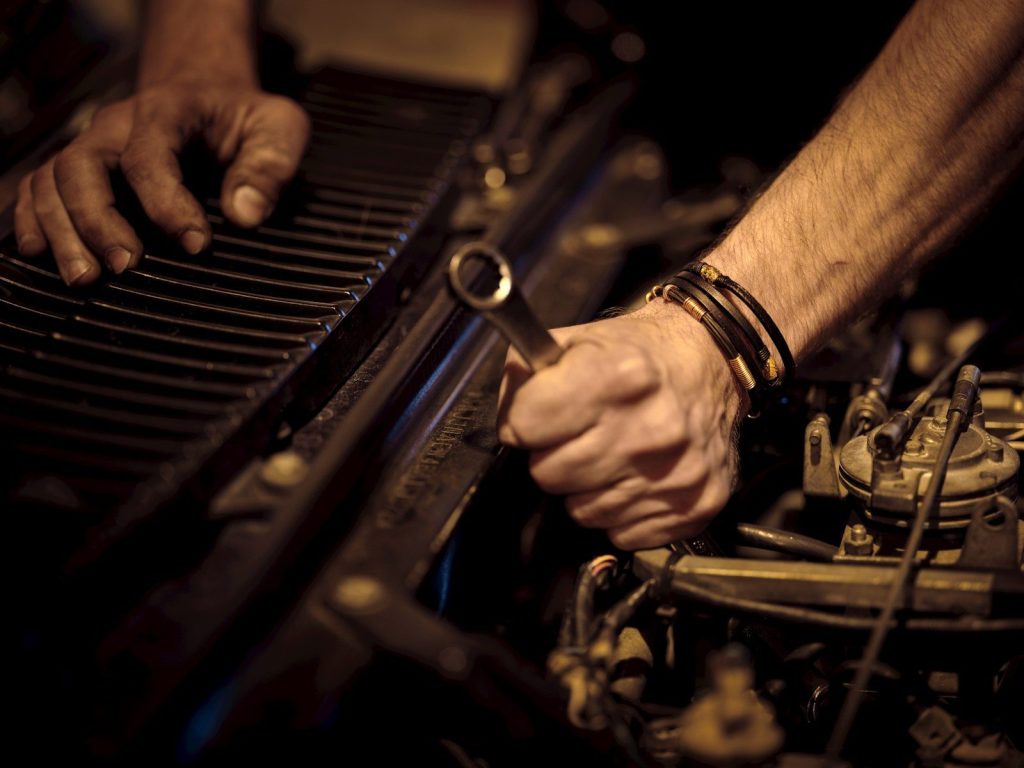
The cabin air filter cleans the air coming through your vents, and most people have never changed theirs. On the majority of vehicles, it lives behind the glove box, which can be lowered or removed without tools by pressing in the side tabs.
The whole job takes under ten minutes. A dirty cabin filter restricts airflow, makes the A/C work harder, and circulates dust, pollen, and debris into the cabin. Replacement filters are cheap, typically $10 to $20, and the job requires no mechanical skill whatsoever.
5. Changing Engine Oil
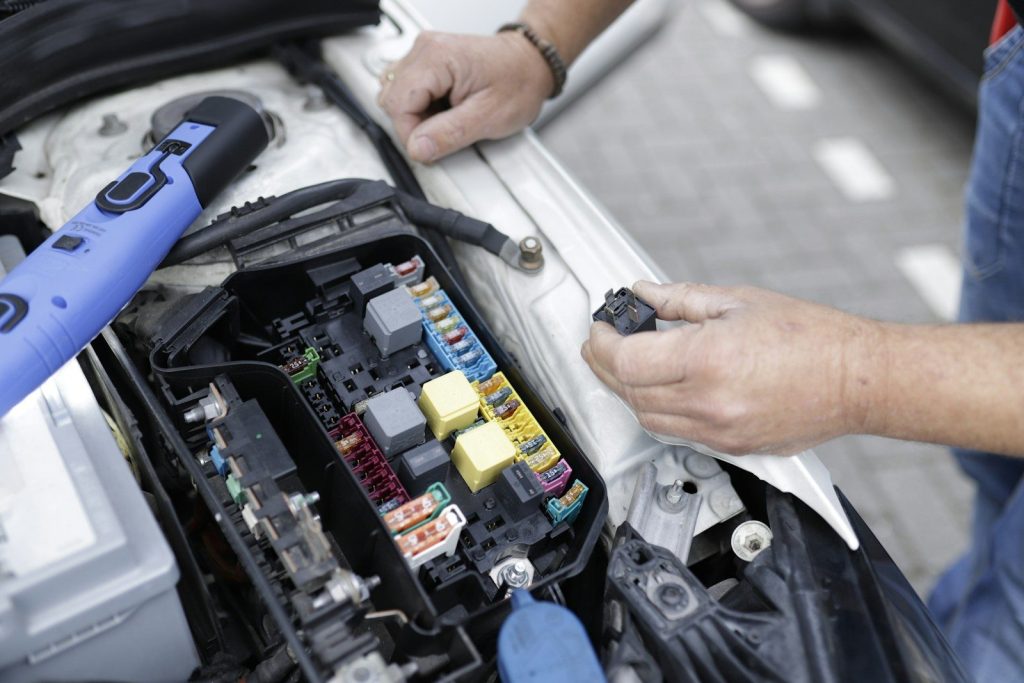
Oil changes are the most fundamental car maintenance task, and doing them yourself saves anywhere from $30 to $80 per visit depending on the oil type your vehicle requires. The process involves draining the old oil, swapping out the oil filter, and refilling with fresh oil to the correct level.
An oil drain pan, a filter wrench, and the right oil for your engine are all you need. The main thing to check beforehand is your owner’s manual for the correct oil weight and filter specification. Synthetic oil typically extends the interval to 7,500 to 10,000 miles.
6. Replacing a Dead Battery
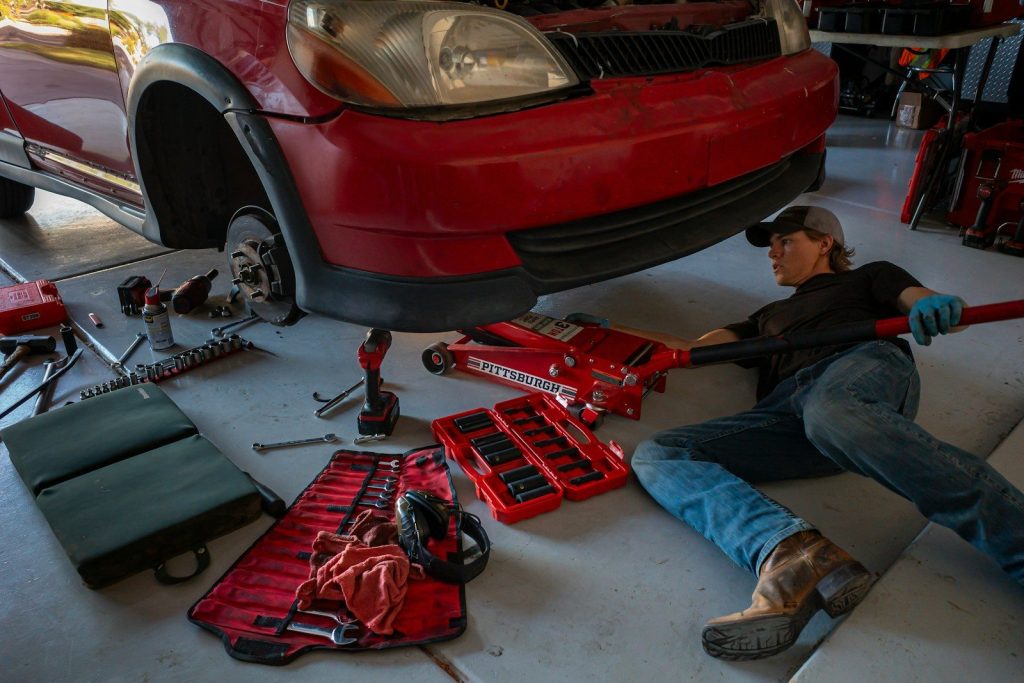
Car batteries last roughly three to five years, and the replacement process is more accessible than most drivers assume. Disconnect the negative terminal first, then the positive, remove the hold-down bracket, and lift out the old battery. Drop in the new one, reconnect in reverse order.
The batteries themselves are available at any auto parts store, and many locations will test the old one for free to confirm it has actually failed. The whole swap takes about 20 minutes. Some vehicles with advanced electronics may need a brief reset period, which the store can walk through.
7. Rotating Your Tires
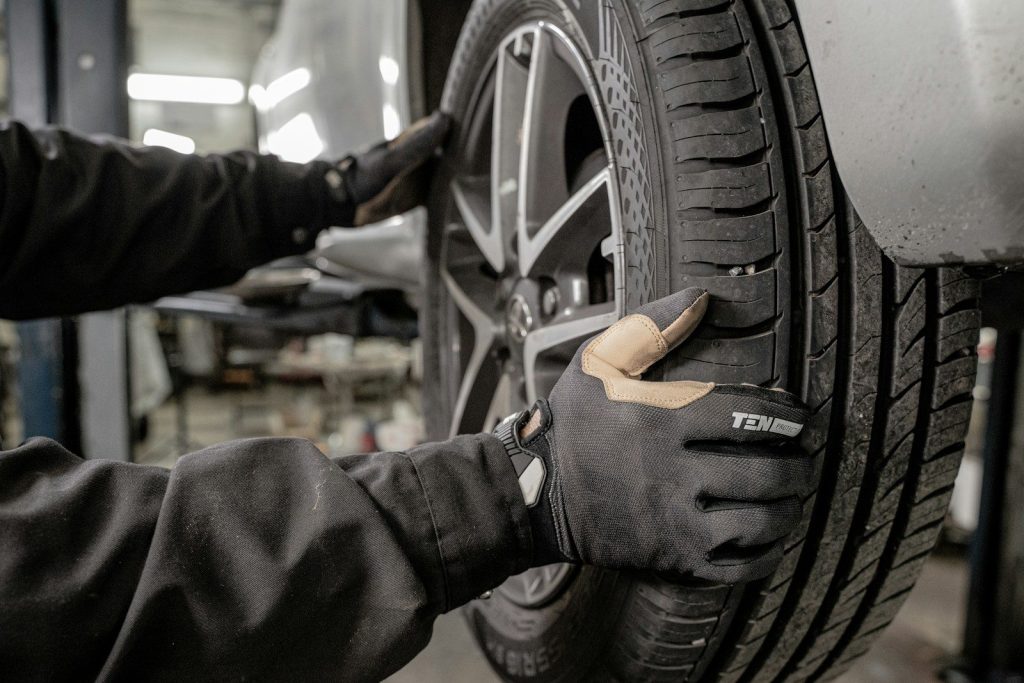
Even tire wear extends tire life significantly, and skipping rotations is one of the more common ways people end up replacing tires prematurely. The standard recommendation is every 5,000 to 7,500 miles. Doing this at home requires a floor jack, jack stands, and a torque wrench to tighten the lug nuts properly.
The torque spec for your vehicle’s lug nuts matters. Undertightening is unsafe, and overtightening damages wheel studs. Look up the spec in the owner’s manual or online, and use the wrench rather than guessing.
8. Replacing Exterior Bulbs
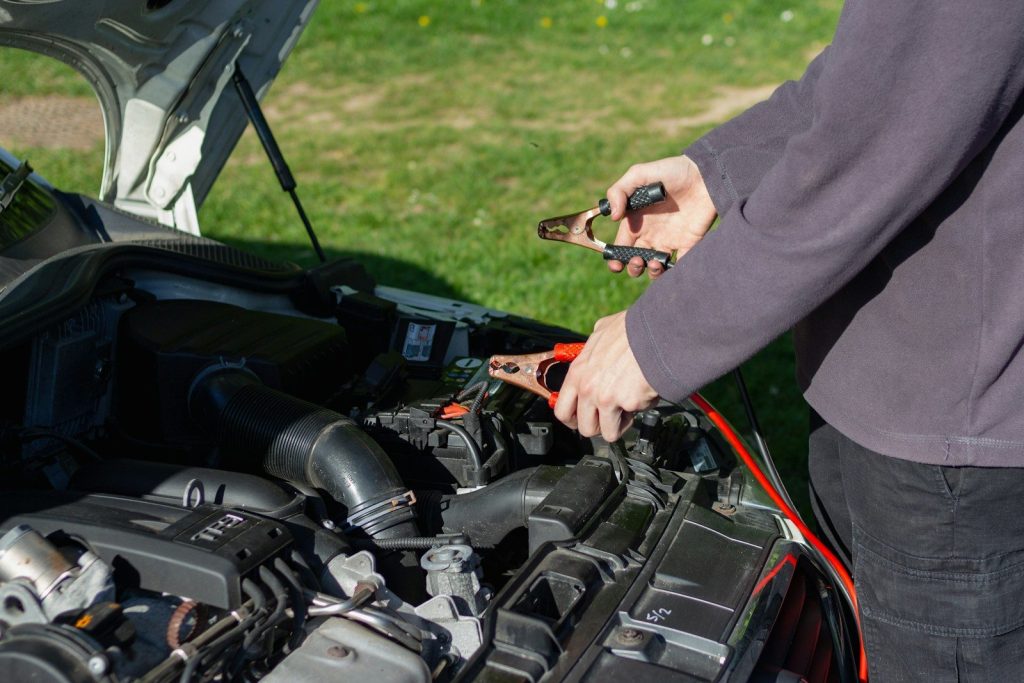
Headlights, taillights, and turn signals burn out eventually, and a police stop for a dead taillight is one of the more avoidable inconveniences on the road. Most exterior bulbs are reachable from inside the engine bay or the trunk interior.
The owner’s manual will diagram the exact bulb locations and types. Halogen bulbs are inexpensive and easy to swap. The one thing to avoid with halogen headlight bulbs is touching the glass with bare fingers, since the oils from skin cause premature failure. Use gloves or a clean cloth.
Keeping Track of What You’ve Done
None of these tasks matter much if there’s no record of when they were completed. A simple notes app or even a physical logbook kept in the glove box works fine. Write down the date, mileage, and what was done.
This pays off when selling the vehicle, since documented maintenance history is worth something to buyers. It also makes it easier to notice when something is overdue. Cars that get consistent attention tend to stay reliable longer, and that reliability starts with the basic tasks anyone can do on a Saturday morning.