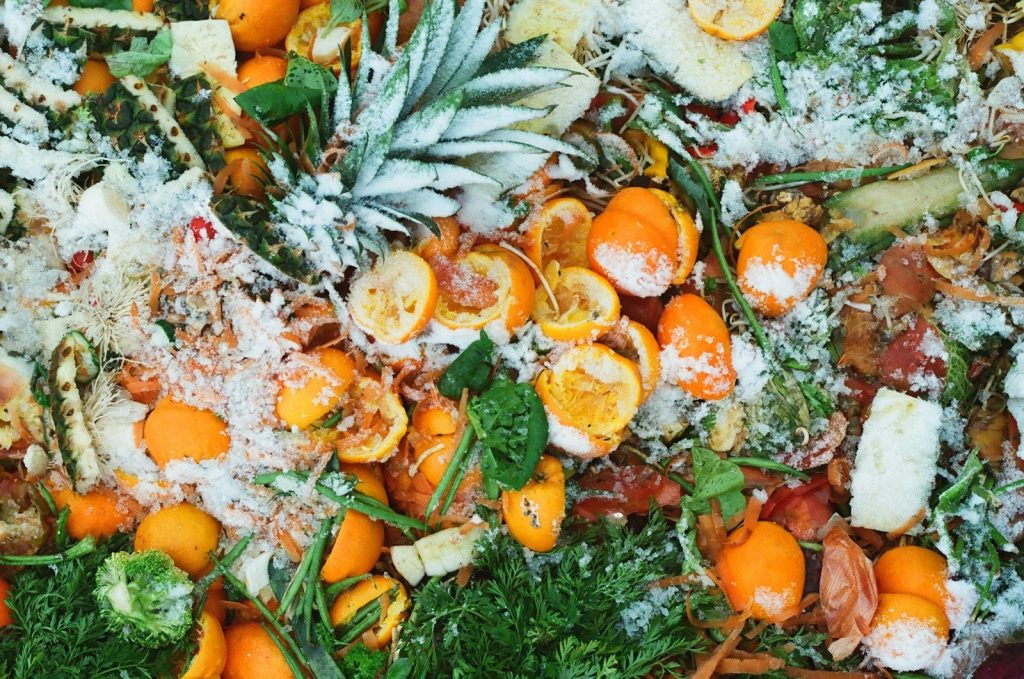

Most people toss kitchen scraps without a second thought. Onion skins, parmesan rinds, citrus peels, coffee grounds often go straight into the trash. But a growing number of home cooks have figured out that some of the most useful ingredients in the kitchen are the parts that usually get thrown away.
With grocery prices still stubbornly high in 2026, holding onto the right scraps can quietly trim a meaningful amount off the weekly food budget.
1. Vegetable Scraps for Broth
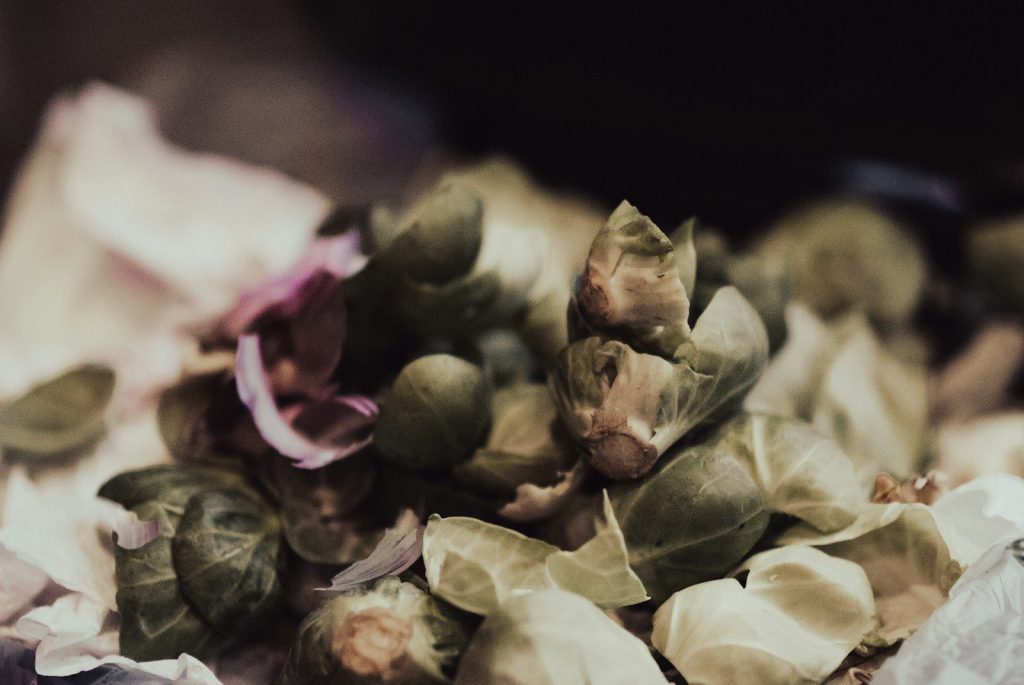
Carrot peels, celery ends, onion skins, leek tops, mushroom stems, all of these belong in a freezer bag, not the bin. Once the bag is full, simmer the contents in water for about an hour with a few peppercorns and a bay leaf, and the result is a solid homemade vegetable broth.
Store-bought broth runs anywhere from $3 to $5 per carton. Making it from scraps costs essentially nothing. The flavor tends to be more complex too, since the scraps have already been caramelized or sweated during cooking.
2. Parmesan Rinds
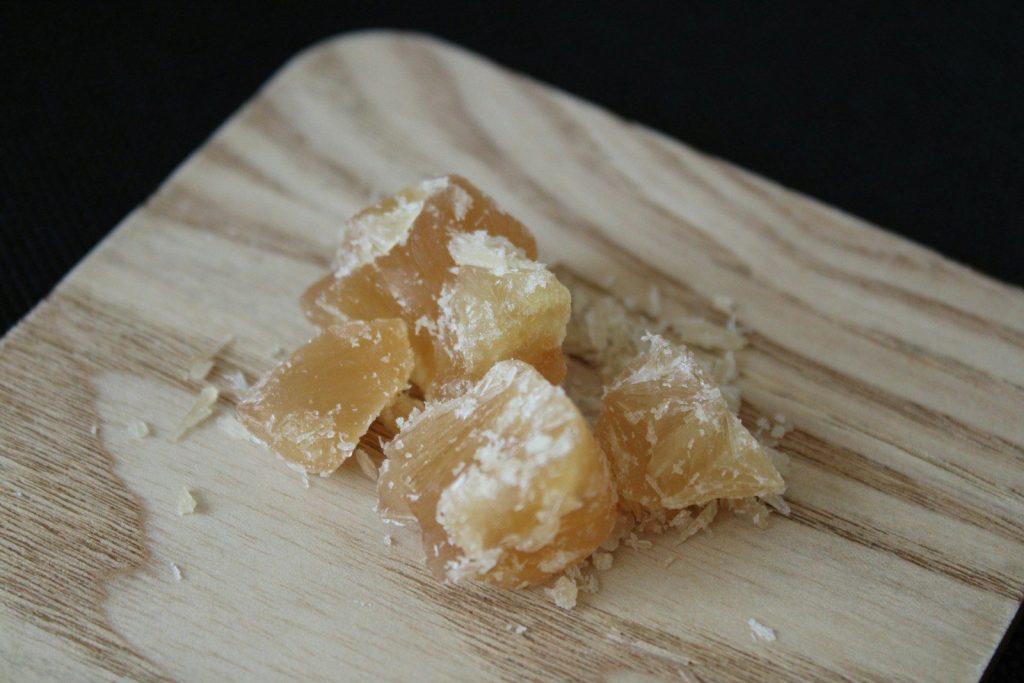
Parmesan rinds are one of the most underrated things a home cook can keep. Drop one into a pot of soup, a tomato sauce, or a bean braise and it slowly releases a deep, savory richness that takes the dish somewhere store-bought stock rarely does.
Wrap rinds tightly and freeze them after grating the cheese. They keep for months and a single rind can transform a simple weeknight minestrone into something that tastes like it took all day.
3. Citrus Peels
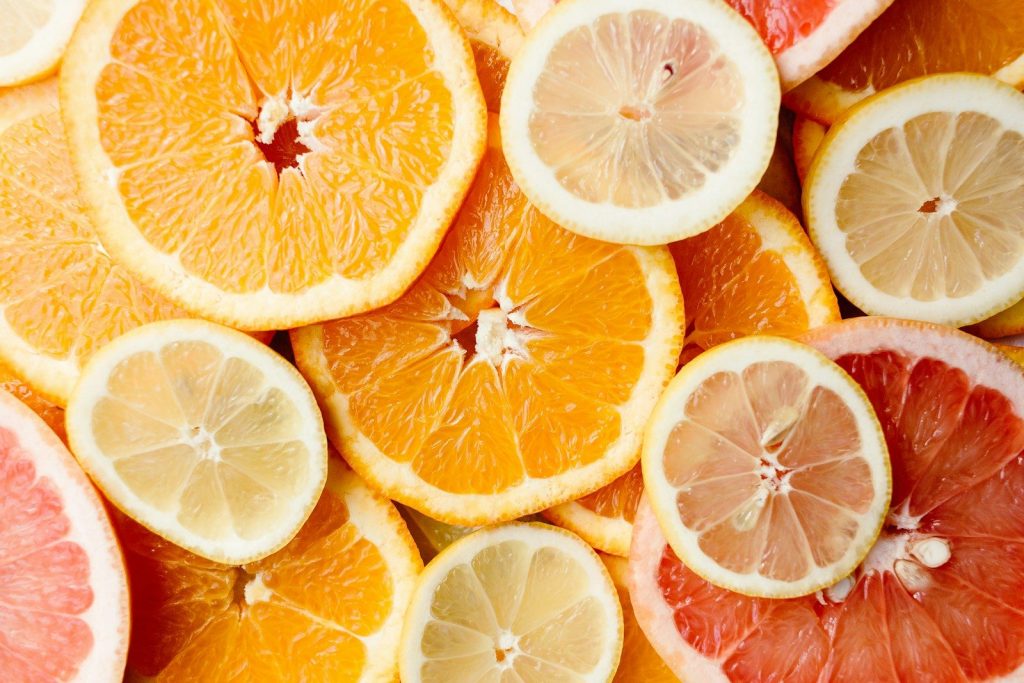
Before squeezing lemons or oranges, take a moment with a peeler or zester. Citrus zest freezes well and adds brightness to baked goods, marinades, salad dressings, and pasta. Beyond cooking, dried orange or lemon peel can be simmered on the stove with cinnamon and cloves as a natural air freshener.
Some people dry the peels and use them to deter insects in pantries and closets. A single orange worth of peel has several potential uses before it becomes actual waste.
4. Coffee Grounds
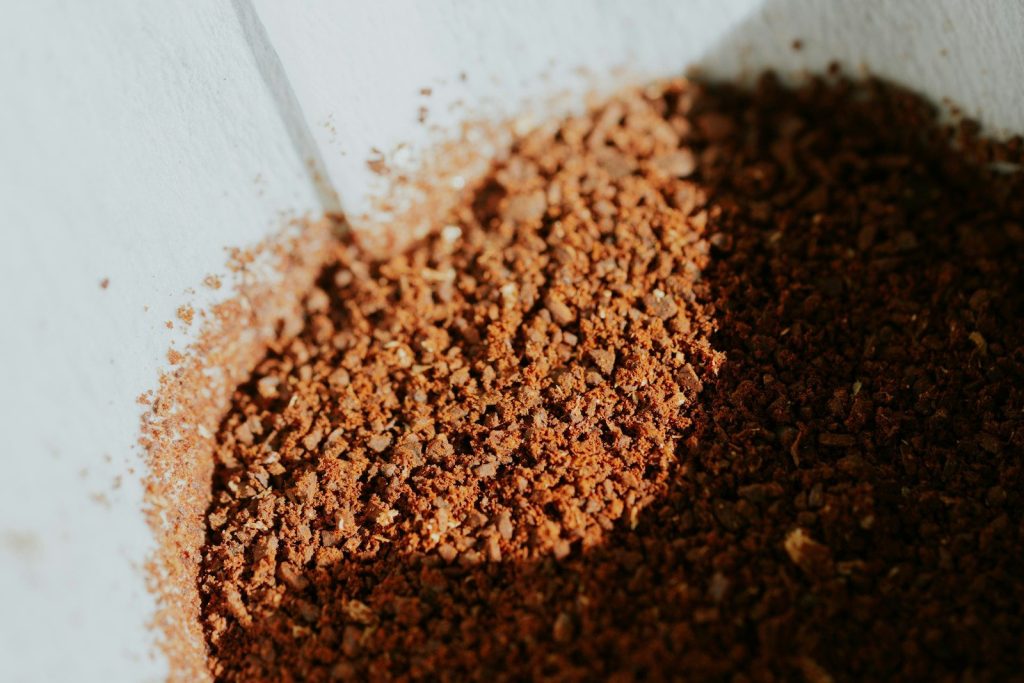
Used coffee grounds are genuinely versatile in ways most people never explore. They work as a mild abrasive scrub for stubborn grease on pots and pans. Mixed into soil or a compost pile, they add nitrogen and improve drainage.
Sprinkling them around garden beds discourages slugs and some other pests. For people who grow acid-loving plants like blueberries, azaleas, or hydrangeas, coffee grounds are a free soil amendment. A morning cup of coffee that also feeds the garden is a reasonable deal.
5. Herb Stems
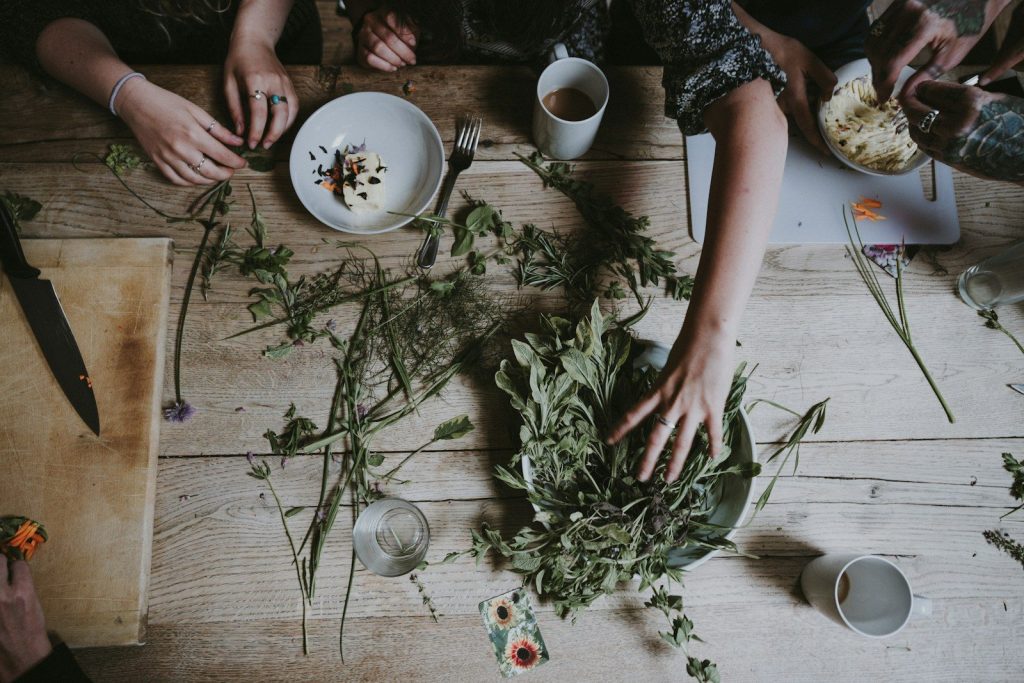
Cilantro stems, parsley stems, and basil stems are edible and flavorful, yet most recipes call for leaves only. The stems, particularly from cilantro and parsley, carry significant flavor and hold up well in cooked applications.
Chop them finely into salsas, soups, or stir-fries. Woody stems from thyme or rosemary can be tossed into roasting pans or onto a grill to add aroma during cooking. The stems of a single bunch of herbs extend its usable life considerably.
6. Bread Heels and Stale Bread
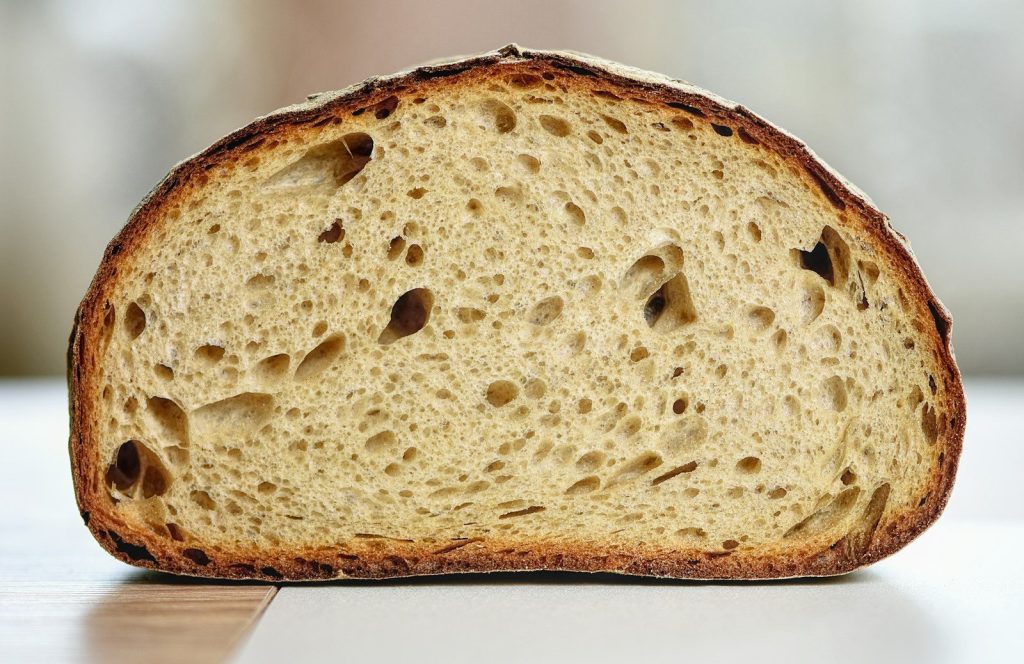
The end slice nobody wants and the loaf that went slightly stale are both more useful than they look. Stale bread makes superior French toast and better bread pudding than fresh bread, since it absorbs custard without falling apart.
Torn into chunks and baked with olive oil, it becomes croutons. Processed in a food processor and toasted, it becomes breadcrumbs. A loaf that cost $4 and would otherwise get thrown away can quietly stock the pantry with two different staples.
7. Aquafaba
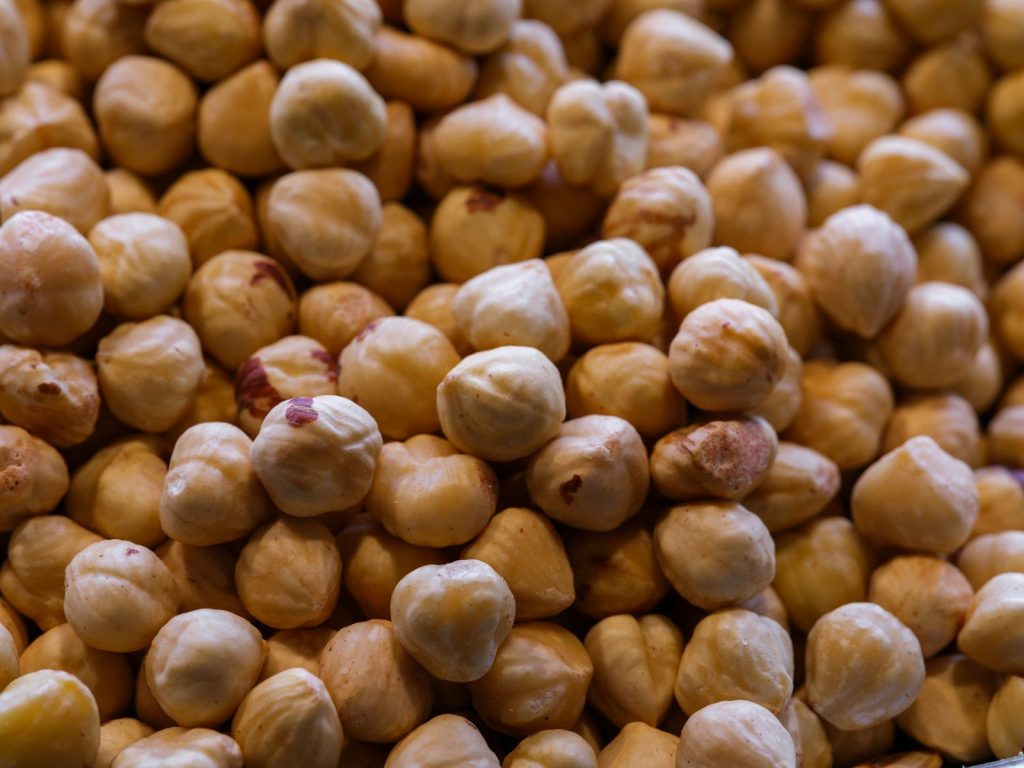
The liquid from a can of chickpeas has a dedicated following for good reason. Aquafaba whips into stiff peaks like egg whites and works as a binder in baking. It replaces eggs in meringues, mousses, and some cookies.
For anyone reducing egg consumption or managing food allergies, it is a functional substitute that costs nothing extra since it comes with the chickpeas. Most people drain it straight down the sink.
8. Corn Cobs
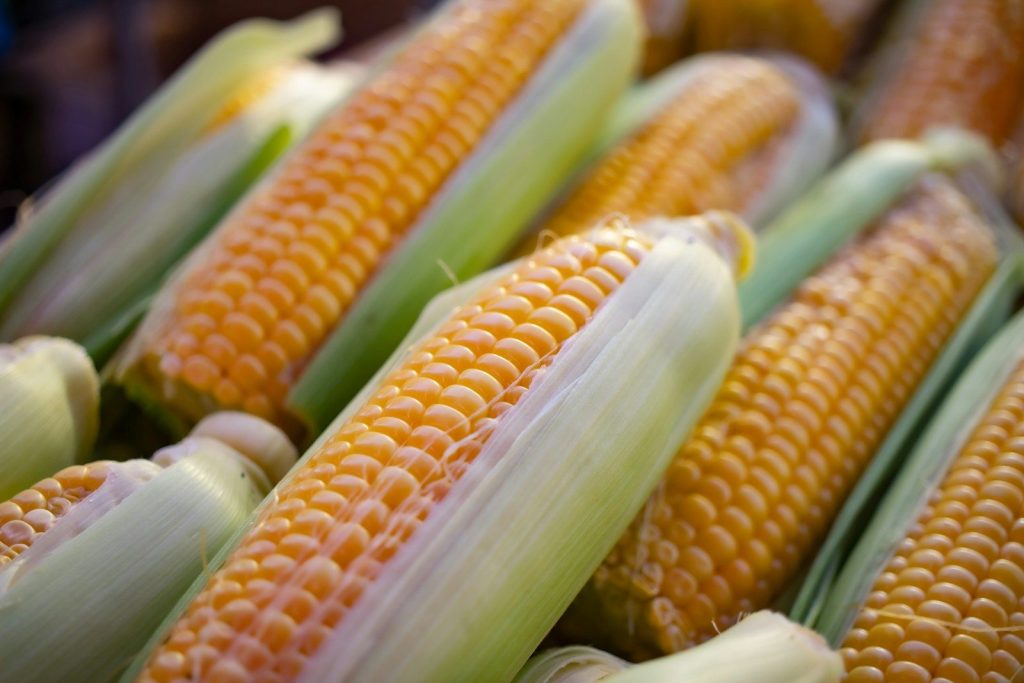
After cutting corn kernels off the cob, the bare cob still has plenty of use. Simmered in water, corn cobs produce a light, slightly sweet stock that works well in corn chowder, polenta, or any recipe where a gentle corn flavor makes sense.
Some cooks use dried corn cobs as smoking chips for grilling, particularly for chicken and pork. It’s a small thing, but using the whole ear rather than just the kernels stretches the value of a vegetable that isn’t cheap.
The Habit Worth Building
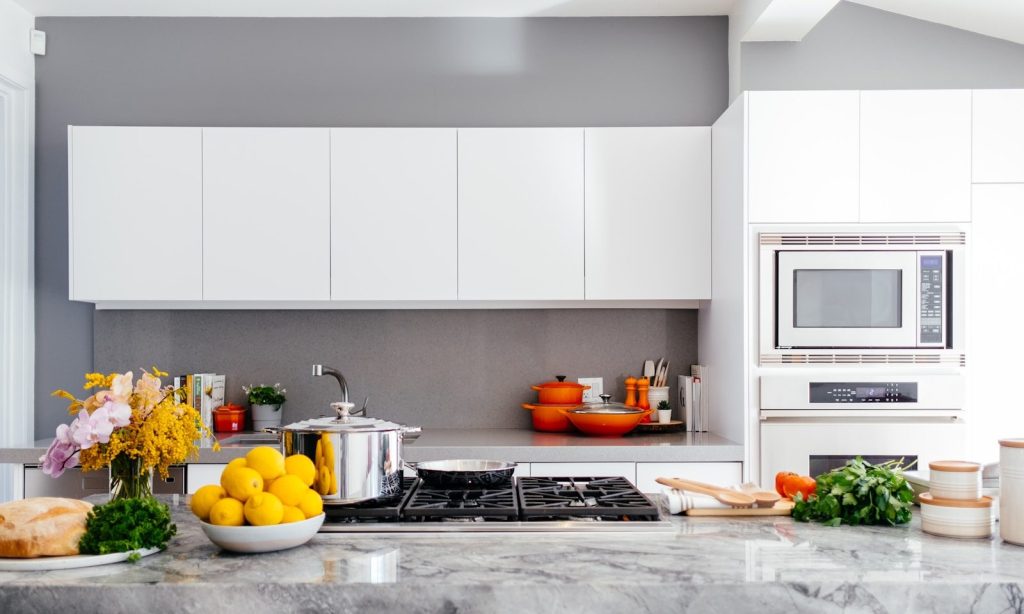
None of this requires a dramatic overhaul of how the kitchen runs. A dedicated freezer bag for broth scraps, a small container for citrus zest, rinsed coffee grounds set aside before the bin, these take seconds.
The savings are real but gradual, and the bigger shift is mental: seeing ingredients where there used to be trash. Grocery budgets in 2026 leave little room for waste, and the kitchen, as it turns out, produces a lot less of it than most people assume.