
Repair costs have climbed steadily over the past few years, and the average service call, whether for a leaking pipe or a cracked screen, now regularly runs over $100 before labor is even factored in.
The smarter approach is building a small collection of inexpensive tools that handle the jobs most people reflexively outsource. None of these gadgets require professional training. Most cost under $30. And the savings add up fast, sometimes covering the tool’s cost after a single use.
1. Thermal Leak Detector
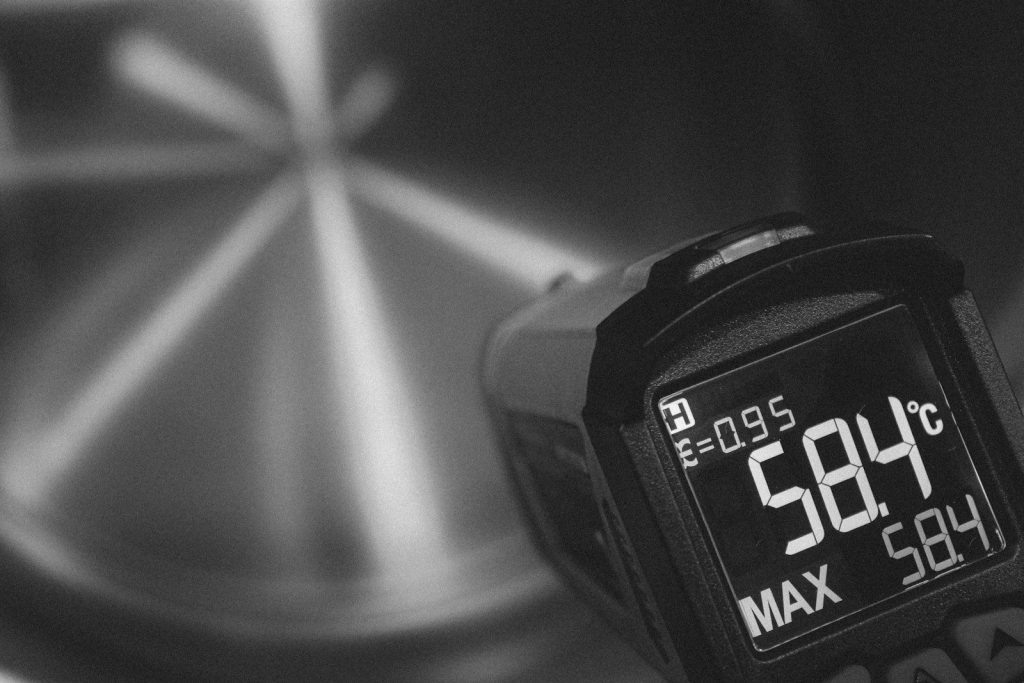
A handheld infrared thermometer or thermal leak detector sells for around $20 to $40 and can locate air leaks, insulation gaps, and even hidden moisture behind walls.
Point it at windows, door frames, and outlets during winter and the temperature variations tell the story immediately. A single identified drafty window that gets properly sealed can reduce heating costs noticeably over a season. HVAC technicians charge significant diagnostic fees for the same scan.
2. Oscillating Multi-Tool
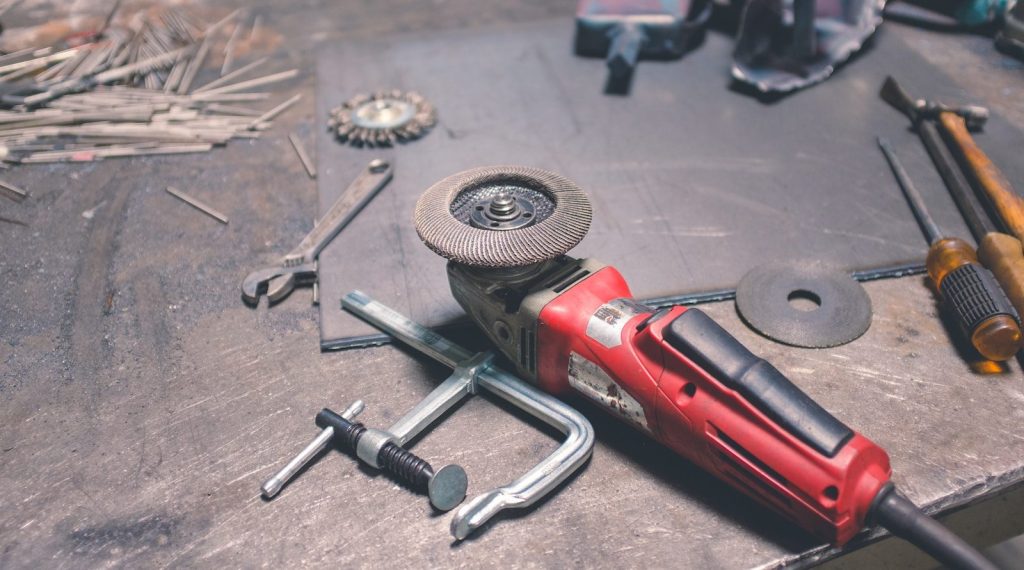
Few tools earn their counter space faster than an oscillating multi-tool. Brands like Ryobi and Black+Decker offer solid entry-level models in the $40 to $60 range. The tool cuts, sands, scrapes, and grinds with interchangeable attachments, making it practical for grout removal, cutting drywall patches, trimming door frames, and removing old caulk.
Contractors use these constantly, and owning one means skipping the call for small jobs that would otherwise cost several times the tool’s price.
3. Drain Snake (Hand Auger)
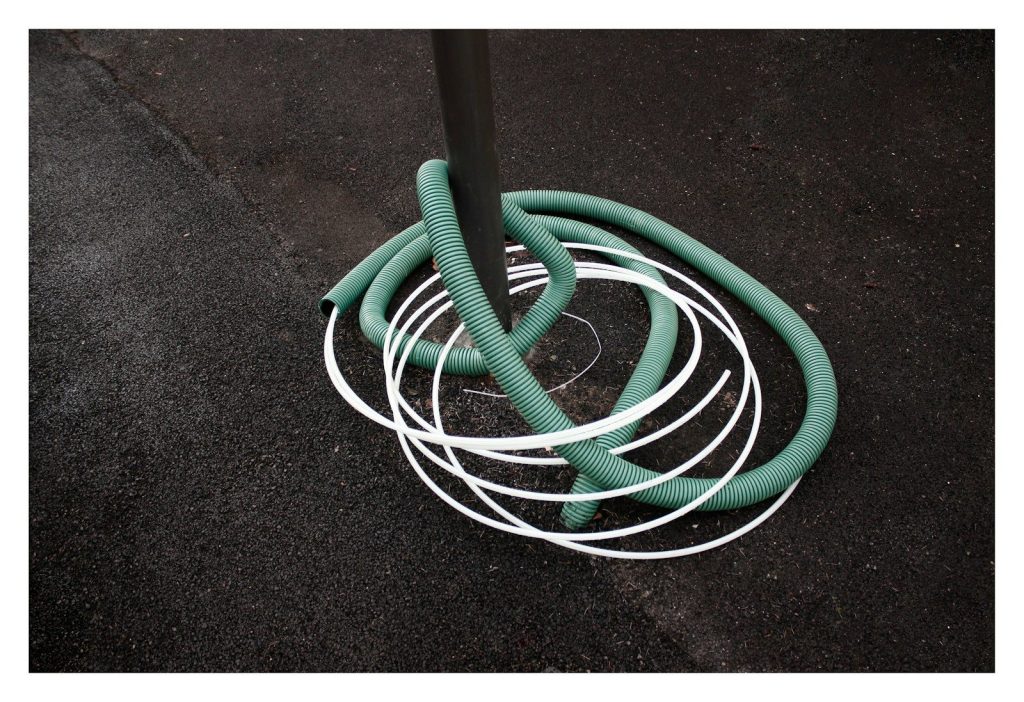
Chemical drain cleaners are slow, often ineffective on real blockages, and harsh on older pipes. A manual hand auger, available for $20 to $35 at any hardware store, physically breaks up clogs and pulls them out.
Most bathroom and kitchen drain clogs clear in under ten minutes with one. Plumbers charge a minimum service fee just to show up, which makes this one of the highest return-on-investment tools on this list.
4. Stud Finder with AC Detection
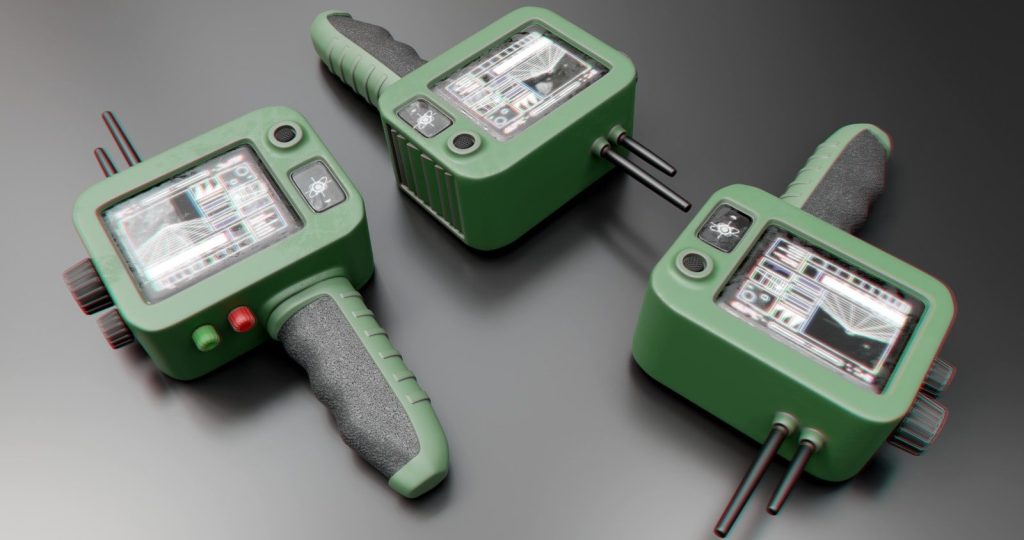
A decent stud finder with live wire detection runs around $25. The AC detection feature is the part worth paying for. Before drilling into any wall, knowing where the wiring runs prevents costly mistakes and genuine safety hazards.
Repairs from accidentally hitting a wire can run into hundreds of dollars and require an electrician. This tool pays for itself the first time it prevents a problem.
5. Thread Repair Kit
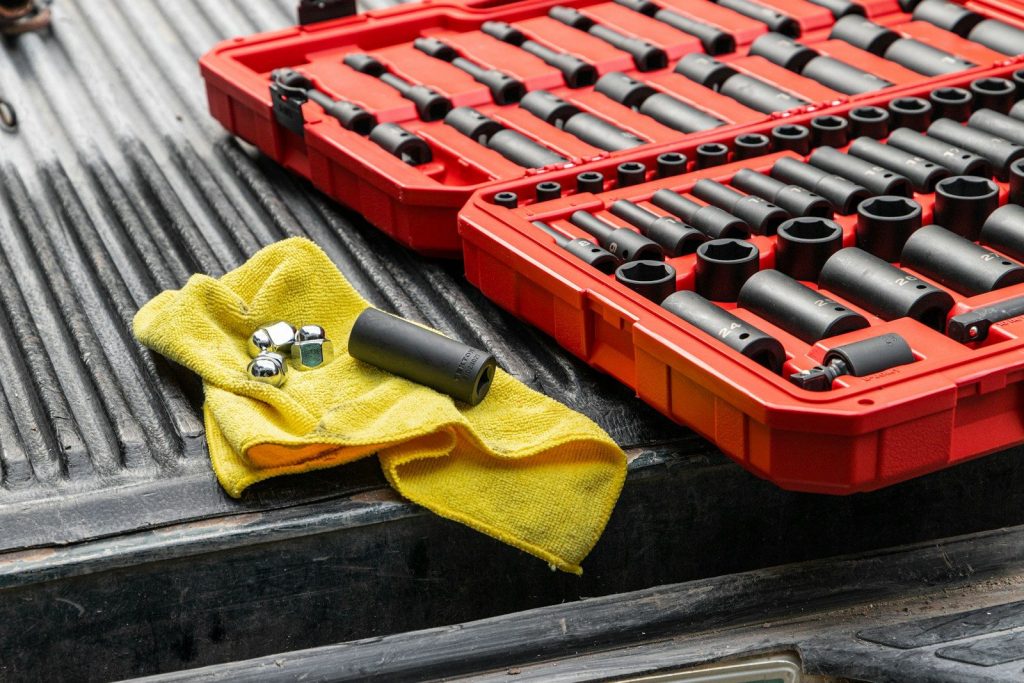
Stripped screws and damaged bolt threads are one of the most common minor repair headaches in any home. A thread repair kit, sometimes sold under the Helicoil brand, costs around $15 to $25 and restores stripped threads in metal, wood, and plastic.
Without it, a stripped bolt hole in an appliance or piece of furniture often means replacing the entire component. With it, the fix takes about fifteen minutes.
6. Pipe Repair Clamp Set
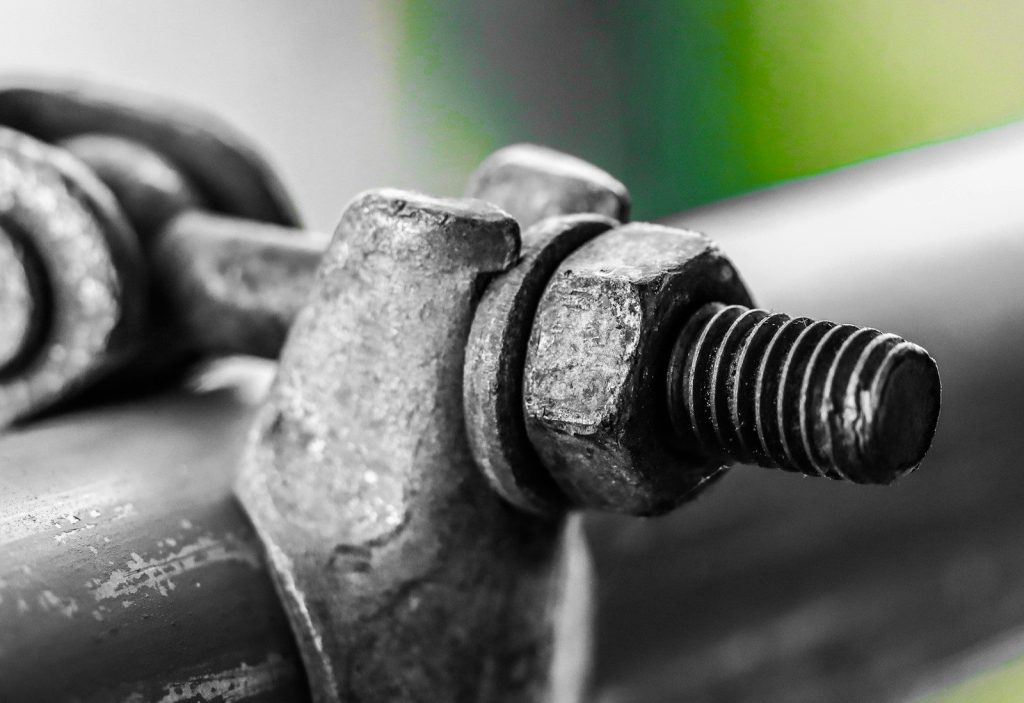
Small pipe leaks under sinks or in utility areas do not always need a plumber. A repair clamp set, which typically runs $10 to $20, applies directly over the leak and holds firm while a permanent fix is arranged or while the repair is assessed.
For slow leaks on supply lines or small cracks in PVC, these clamps have prevented plenty of expensive emergency calls. They are not a permanent solution, but they buy time without requiring professional intervention.
7. Cordless Caulk Gun
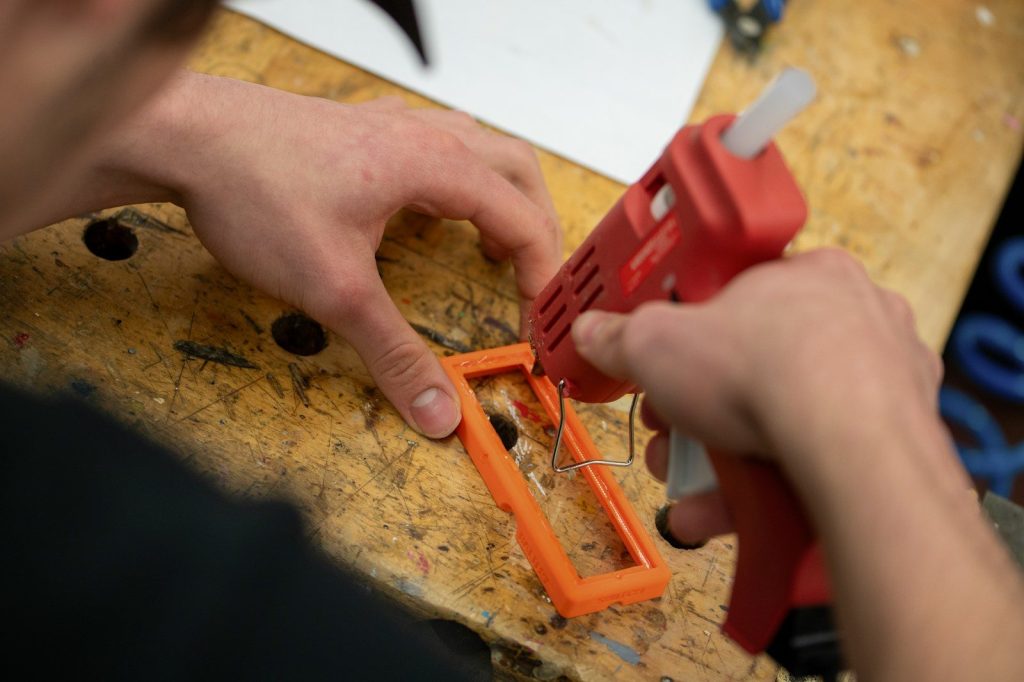
Recaulking around tubs, windows, and sinks is one of the most effective ways to prevent water damage and air loss, and it is a job most people put off because manual caulk guns are awkward to control.
A battery-powered caulk gun runs $30 to $50 and applies an even bead without the hand fatigue and mess that comes with manual versions. Clean caulk work seals better and lasts longer, which extends the time between bathroom and kitchen waterproofing jobs.
8. Voltage Tester Pen
At under $15, a non-contact voltage tester pen is one of the cheapest tools on this list and one of the most used. Before replacing an outlet, light switch, or ceiling fixture, confirming the circuit is dead takes two seconds.
Electricians routinely charge $75 to $150 per hour, and a significant portion of basic electrical repairs, swapping outlets, replacing light fixtures, installing dimmers, are well within reach for careful homeowners who can safely verify power is off first.
9. Repair Putty and Epoxy Kit
Two-part epoxy putty has been around for decades and remains one of the most versatile repair materials available. It bonds to wood, metal, ceramic, and concrete, can be shaped before it sets, and dries hard enough to sand, drill, and paint.
A basic kit runs $8 to $15. It handles cracked tool handles, chipped ceramic sinks, damaged furniture legs, and small holes in metal surfaces. The fix often outlasts the surrounding material, which is a better outcome than most professional repairs offer for minor damage.