

There’s a purchasing philosophy that has been quietly gaining traction among people who are genuinely good with money, and it goes against most of what retail culture encourages. Buy the best version of something once, take care of it, and never think about it again. No replacement cycles. No accumulating mediocre stuff that half-works. Just fewer, better things that last.
It sounds obvious. Most people don’t actually do it.
The Math That Changes Everything
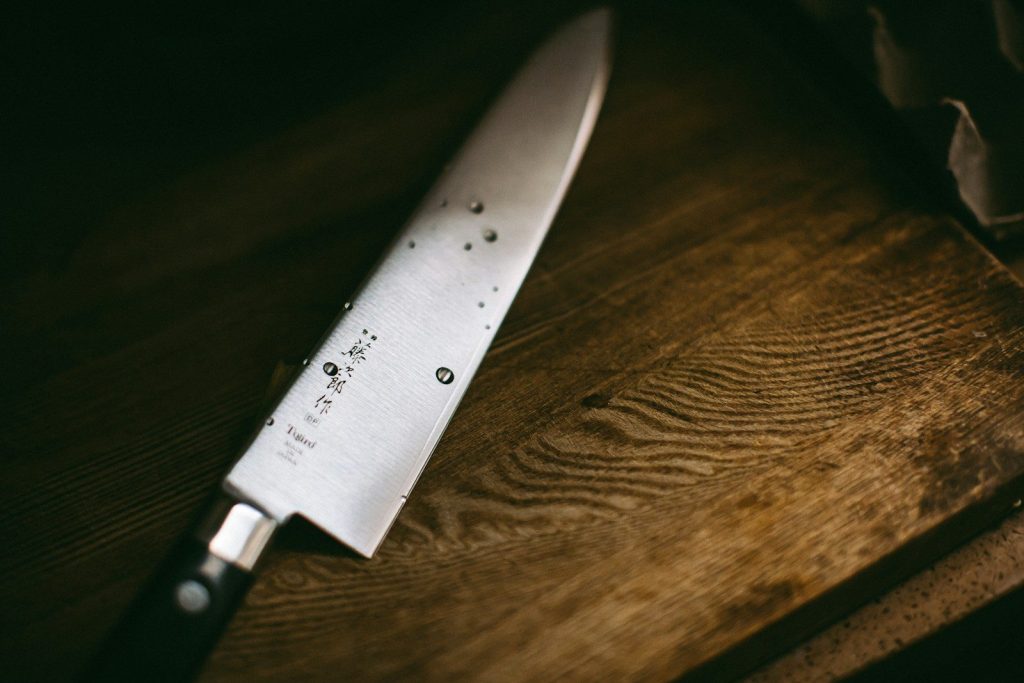
The math is surprisingly convincing once you run it. A $30 chef’s knife from a big-box store might last three years before the handle cracks or the blade stops holding an edge. A quality knife from a brand like Wusthof or Victorinox, purchased for $100 to $150, can last 20 or 30 years with basic maintenance. Over a decade, the cheap knife costs more. Over two decades, it’s not even close.
The same logic applies across categories: boots, cookware, tools, luggage, mattresses. The upfront cost feels painful. The lifetime cost tells a different story.
The Boots Theory in Real Life
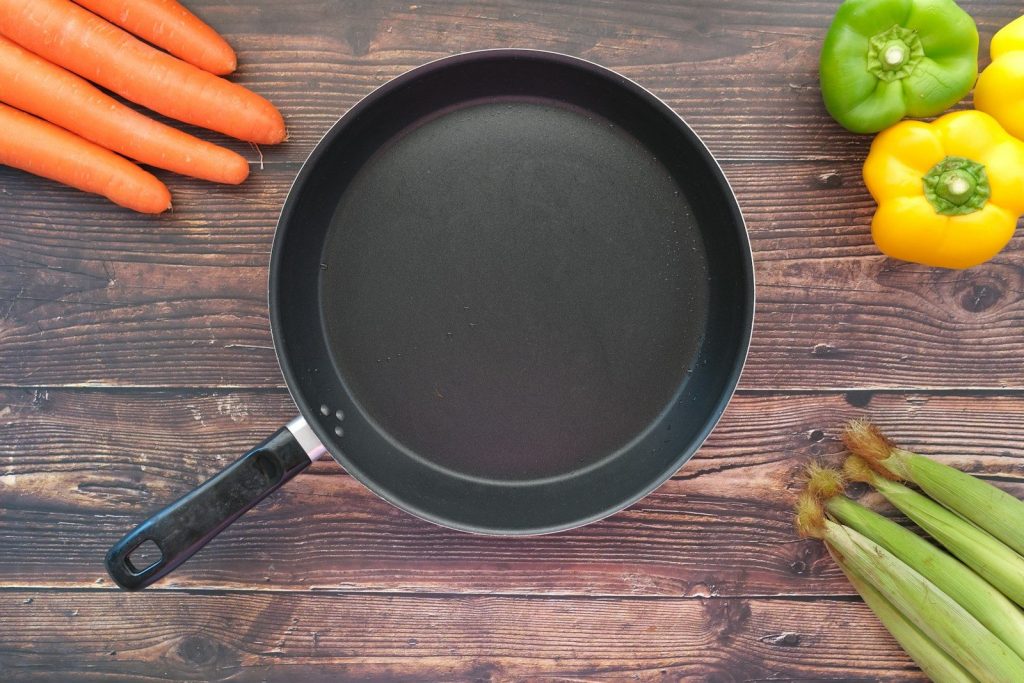
One reason people resist this is that it requires spending more money at the moment of purchase, which conflicts with the instinct to save. Paying $150 to $160 for a carbon steel pan from Made In feels extravagant when a $25 pan exists. But the $25 pan will warp, scratch, and end up in a landfill within a few years. The better pan may outlive its owner.
This is sometimes called the “boots theory” of economic inequality, a concept Terry Pratchett articulated through a fictional character decades ago. Poor people spend more money on shoes over time because they can only afford cheap ones that fall apart. Wealthy people spend less in total because they buy once.
When Manufacturers Don’t Want Things to Last
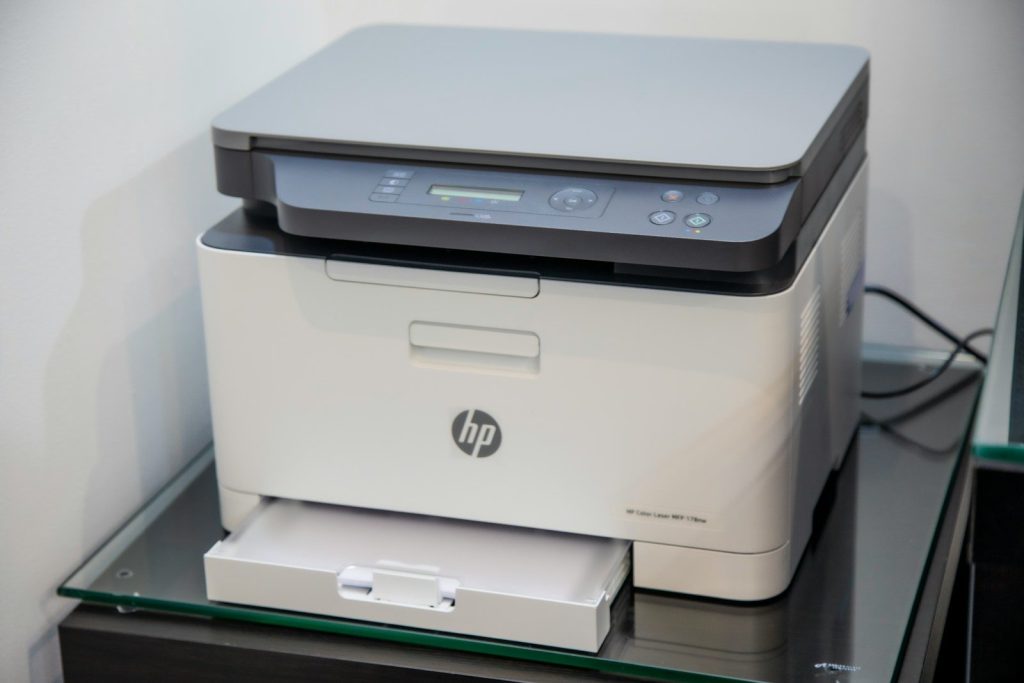
The buy-once mindset also pushes back against planned obsolescence, a model that some manufacturers have quietly built into their products. Printers, appliances, and fast fashion items are often engineered with a limited lifespan in mind.
ecognizing this pattern changes how purchases feel. Spending $180 on a well-constructed flannel shirt from a brand like Filson stops feeling like indulgence when the alternative is buying four $45 shirts that pill and fade in a year.
Tools Built to Outlast the Job
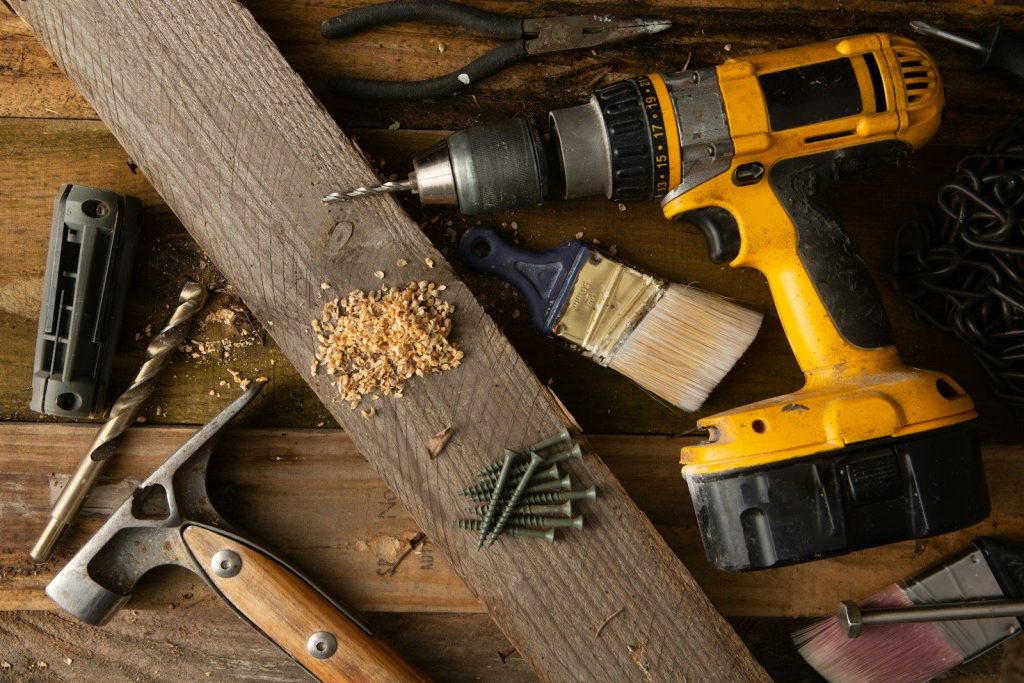
Tools are one of the clearest examples. A homeowner who buys a cheap drill may replace it twice in ten years. A DeWalt or Milwaukee cordless drill, bought for $150 to $200, will likely still be running in 2040 with nothing more than a new battery.
The warranty structures on professional-grade tools often reflect how confident manufacturers are in their own products. That confidence is worth paying for.
What Your Footwear Is Actually Costing You

Clothing and footwear follow a similar pattern. A pair of Red Wing or Thorogood work boots runs $250 to $350. Resoled and maintained, they can last 10 to 15 years.
The average American consumer unit spends roughly $300 to $400 per year on footwear, according to Bureau of Labor Statistics data. Over a decade, that adds up to more money spent on shoes that got thrown away than on a single pair that stayed.
The Hidden Cost of Cheap Stuff
The mental overhead reduction is underrated. Every cheap item that breaks creates a small decision: repair it, replace it, or go without. Multiply that across a household full of mediocre stuff and the cognitive load becomes real.
Buying fewer, more durable things quietly simplifies life in ways that don’t show up on a balance sheet.
Where the Rule Breaks Down

There are categories where this mindset applies less cleanly. Technology is the obvious one. A phone or laptop has a shorter functional lifespan not because it breaks, but because software demands outpace hardware.
Buying the most expensive laptop available in 2026 doesn’t guarantee it will still meet needs in 2036. In tech, the buy-once principle matters more for accessories, cables, and peripherals than for the devices themselves.
The Sleep Investment Most People Underspend On
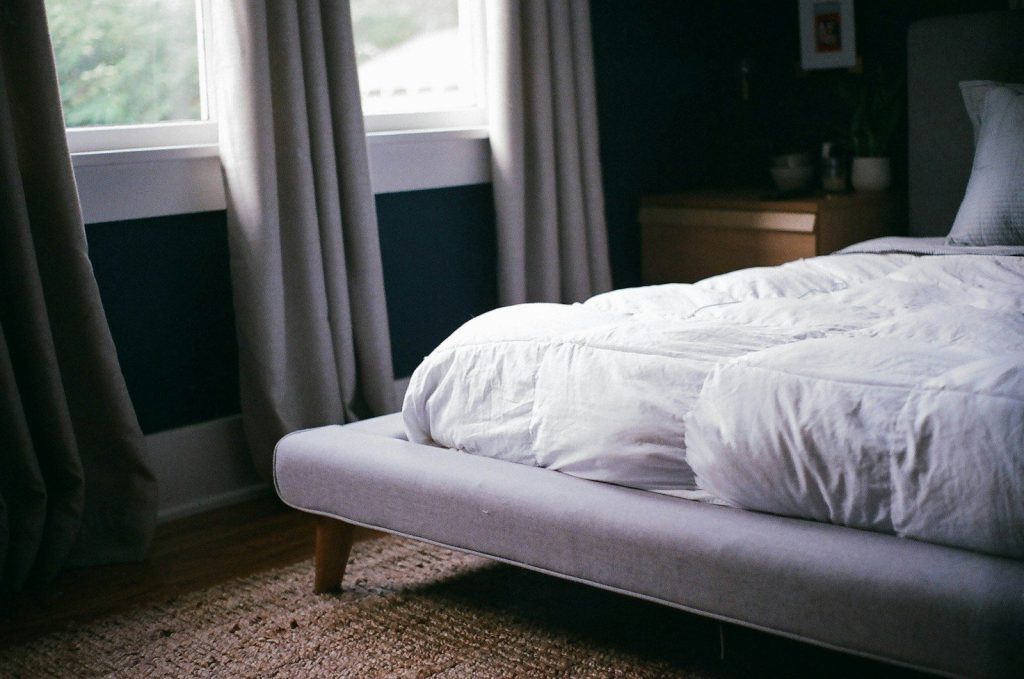
Bedding is a category that often gets ignored in this conversation. A quality mattress from a brand with a solid reputation, like Saatva or a traditional innerspring from a reputable manufacturer, may cost two to three times what a budget option costs.
But the average person spends roughly a third of their life in bed. The cost-per-hour calculation on a mattress that lasts 15 years versus one that sags in five years is one of the strongest financial cases for buying well.
Intentional Spending Over Time

The buy-once philosophy doesn’t require being wealthy. It requires being intentional. Waiting a few extra months to afford the right version of something rather than buying the available version now. Researching what actually lasts versus what just looks good in a product photo. Treating purchases as long-term commitments rather than short-term solutions.
The people who do this consistently tend to own less and spend less over time. That combination is harder to manufacture than any single good deal.