

Not every great invention looks as good as it really is. Some of the most effective DIY solutions look like a fever dream, sometimes featuring duct tape, PVC pipe, salvaged motors, and zip ties held together more by stubbornness than engineering. And yet, they work.
In 2026, the maker movement is bigger than it has ever been. Cheap microcontrollers, widely available 3D printers, and a global community of tinkerers sharing builds on open-source platforms have made backyard inventing more accessible than at any point in history.
What follows are nine DIY inventions that look like they belong in a mad scientist’s garage but have been proven to genuinely work.
1. The Tin Can Solar Dehumidifier

Aluminum cans stacked into vertical columns, painted matte black, and mounted on a south-facing wall create a passive solar air heater. In modified versions, the setup doubles as a dehumidifier.
Air enters through a hole at the bottom, rises through the sun-heated cans, and exits warm and dry at the top. Combined with a small container of desiccant, the heated airflow pulls moisture out of a room for as long as the sun shines. Materials cost under $20. It looks unhinged. It works.
2. The Washing Machine Wind Turbine
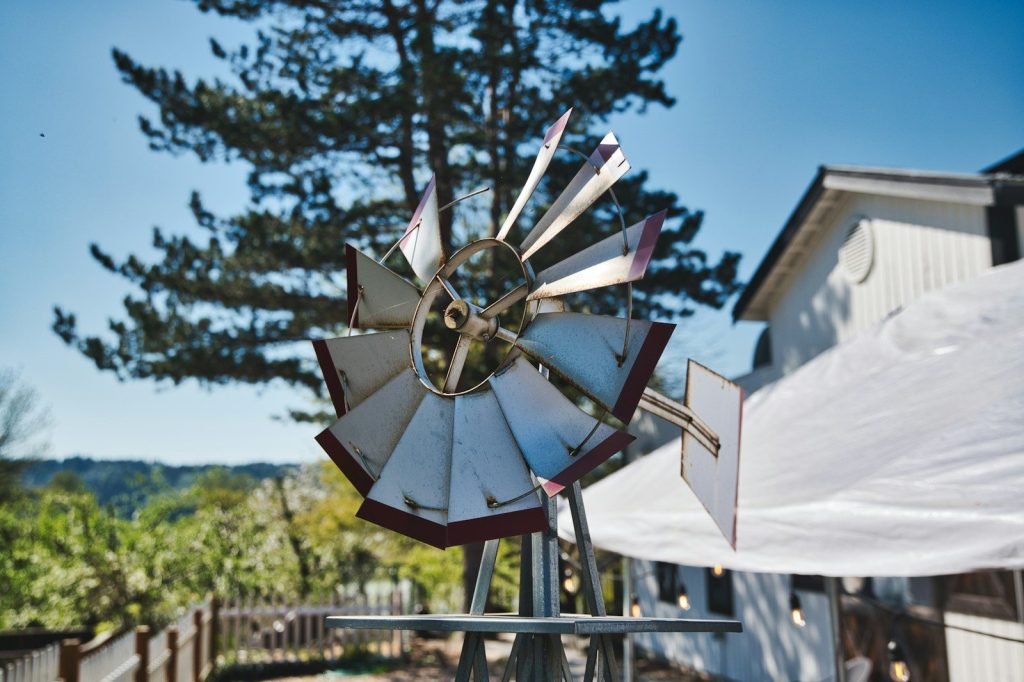
The permanent magnet motors inside older top-loader washers can be rewired to function as wind turbine generators. Paired with hand-carved wooden blades and a scrap steel frame, that salvaged motor becomes a capable small-scale power source.
These motors produce usable AC power at relatively low RPMs, so the turbine does not need strong winds to generate electricity.
Documented builds show consistent output of 100 to 300 watts in moderate wind conditions — enough to trickle-charge a battery bank powering outdoor lighting or a small workshop.
3. The Clay Pot Fridge and the Cardboard Solar Cooker

The pot-in-pot fridge uses two clay pots nested together with wet sand packed between them. As the water evaporates, it pulls heat away from the inner chamber, dropping temperatures 20 to 30 degrees Fahrenheit below ambient, enough to keep produce fresh for days with no electricity.
The cardboard solar cooker is a foil-lined cardboard box angled to focus sunlight onto a dark cooking pot. In direct sun it reaches above 250 degrees Fahrenheit, enough to bake bread, cook rice, or pasteurize water. Both have seen renewed interest in 2026 as energy costs remain elevated.
4. The Bicycle-Powered Grain Mill

A bicycle frame mounted on a stationary stand, connected by belt or chain drive to a grain mill. Pedaling grinds corn, wheat, or oats into flour. The mechanical advantage is substantial, a cyclist sustains grinding output that would exhaust someone turning a hand crank within minutes.
Several builders have adapted the same drive mechanism to pump water, charge batteries, or run small lathes. The machine will never be displayed in a design museum. It produces fresh-ground flour on a Sunday afternoon with no power bill attached.
5. The PVC Pipe Deep-Well Hand Pump

Using schedule-40 PVC pipe, a check valve, a leather cup seal, and a simple handle, builders have created pumps capable of pulling water from depths exceeding 25 feet with no power source. Dual-stage designs have been documented reaching 50 feet. Total material costs typically stay under $60.
The design looks assembled from a plumbing store’s clearance bin. It operates on the same principles as commercial hand pumps that cost several hundred dollars, and DIY versions have been deployed in rural areas and emergency preparedness setups around the world.
6. The Barrel Biogas Digester
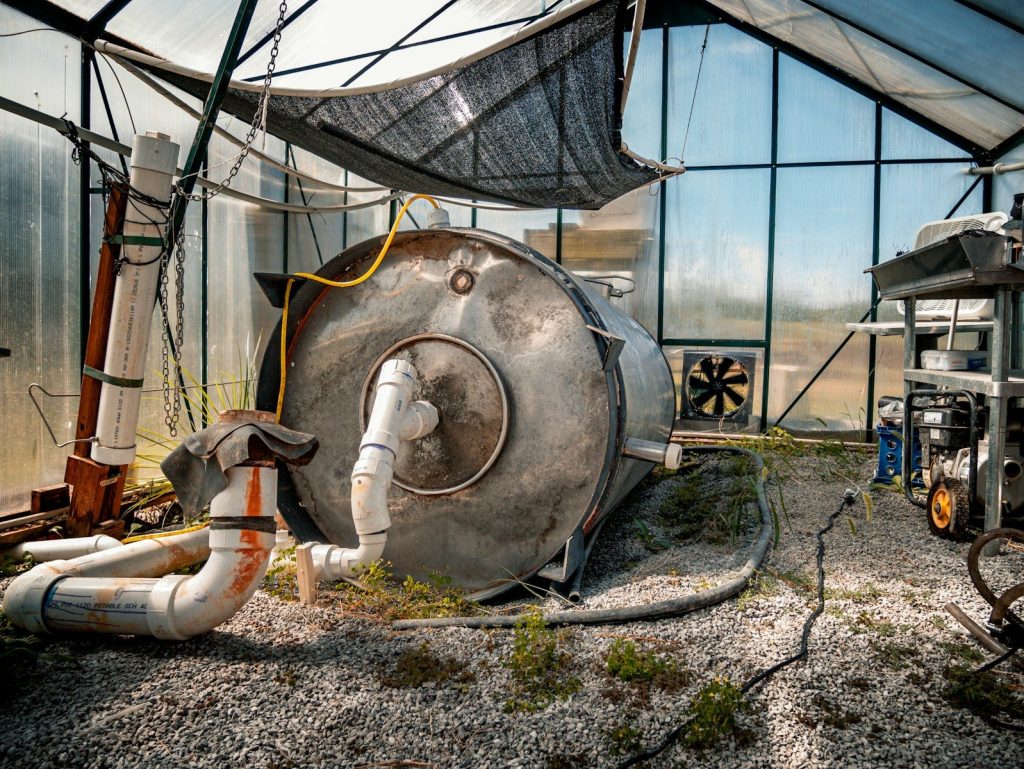
A sealed barrel where organic matter ferments without oxygen, a collection vessel for the captured gas, and simple tubing to route methane to a burner. Kitchen scraps alone can fuel a camp stove for 20 to 30 minutes per day in a well-maintained unit.
One builder put it plainly: “I cook dinner with my food scraps. The whole thing is held together with plumber’s tape and zip ties. My neighbor thinks I’ve lost my mind. My gas bill thinks otherwise.”
7. The Fog Net

A mesh fog net stretched between two poles in a foggy coastal or mountainous area can collect hundreds of liters of water daily from passing condensation. Community-scale versions have produced over 200 liters per day from a 10-square-meter net.
DIY versions using shade cloth and PVC poles have replicated this capacity at a fraction of the cost of engineered systems. The mesh looks like a volleyball net left out in bad weather. The water collection is real.
8. The Hydraulic Ram Pump
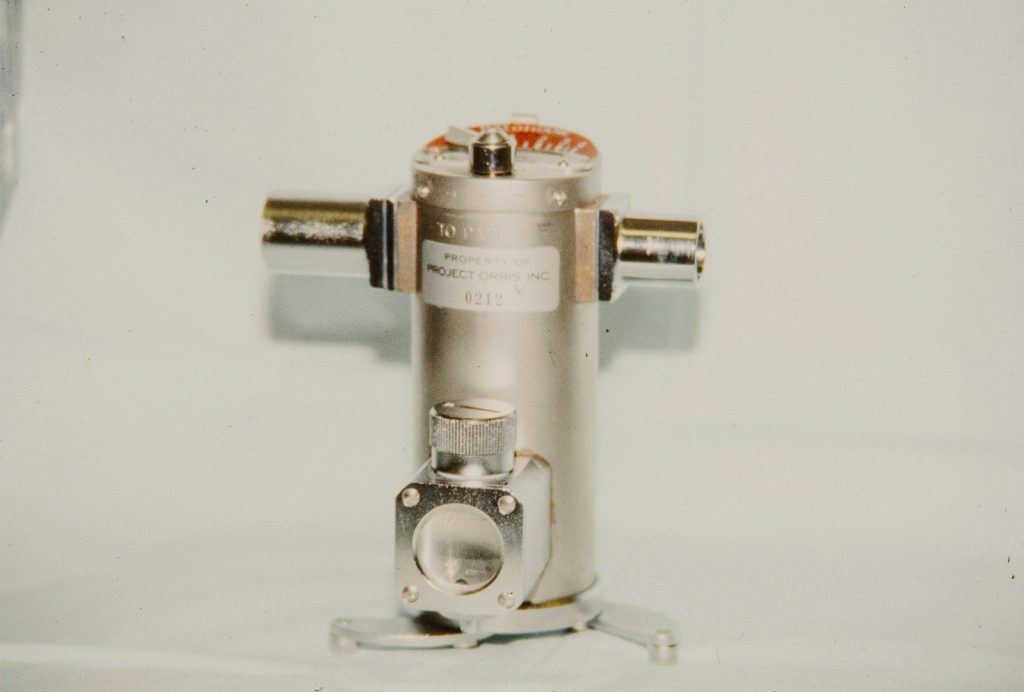
The hydraulic ram pump uses the kinetic energy of flowing water to push a portion of that water uphill, with no electricity and no moving parts except two check valves. It looks like a mess of galvanized pipe fittings jammed together in a creek bed. It pumps water continuously and silently for years. The physics behind it are elegant. Several open-source plans have been shared widely in maker communities, and builders report reliable output with minimal maintenance.
Why These Inventions Deserve More Respect

Every invention on this list does what the commercial version does, at a fraction of the cost, with materials available almost anywhere. Each was documented publicly, shared freely, and improved by strangers across the internet, people across dozens of countries iterating on a PVC pump or a clay pot fridge.
These builds are cheap, repairable, improvable, and fully owned by the person who built them. No subscription. No warranty voided by a storm. No replacement part backordered for six weeks.