
Owning a home in 2026 comes with more complexity than most people expect. Material costs have climbed, DIY content floods every platform, and renovation decisions get made based on what looks good on a short video rather than what holds up over time.
Some mistakes cause immediate damage. Others build quietly over years until a home inspector delivers the bad news. These are the nine things to stop doing to your home.
1. Skip Permits on Major Electrical Work
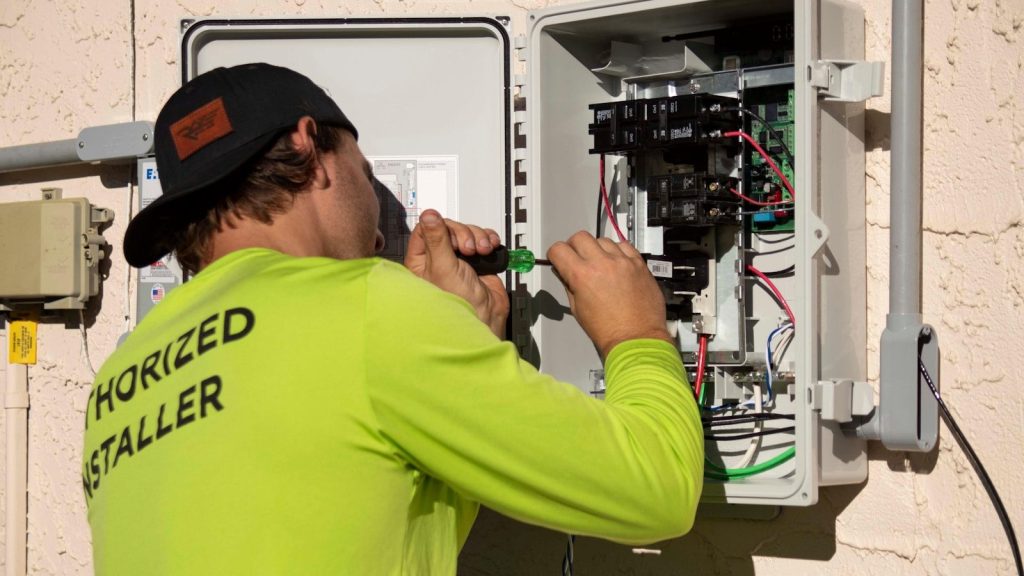
Unpermitted electrical work is among the leading causes of house fires, and in many states it voids homeowner’s insurance coverage when a claim traces back to that work. Most building departments now use digital permit tracking, meaning buyers and inspectors can review a home’s history in minutes.
Unpermitted work either kills a sale or forces the seller to open finished walls to prove the job was done correctly. The permit fee adds less than 5% to most projects and protects everything that follows.
2. Remove a Wall Without Knowing What’s Inside It

Open floor plans remain popular, but what isn’t visible from the outside is whether a wall is load-bearing, or whether it carries plumbing, ductwork, or wiring that serves the rest of the house.
Removing a load-bearing wall without proper support can cause ceiling sag, door frames that no longer close, or roof instability. The repair typically runs well into five figures once a structural engineer, contractor, and inspector are all involved. One engineer consultation, costing a few hundred dollars, is the correct first move before any wall comes down.
3. Ignore Minor Leaks
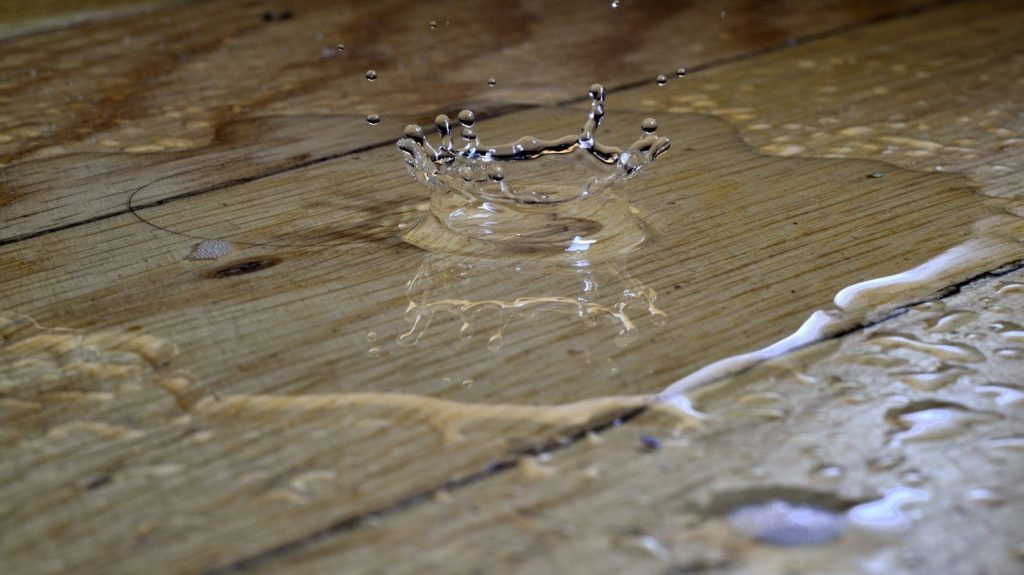
Mold can begin forming inside walls, subflooring, and insulation within 24 to 48 hours of a leak starting. In older homes, a persistent leak also accelerates wood rot in structural elements, weakening floors and load points over time.
Most early-stage repairs cost under $500. Waiting six months can push that number past $15,000 depending on what the water reaches in the meantime.
4. Block or Cover Ventilation Openings
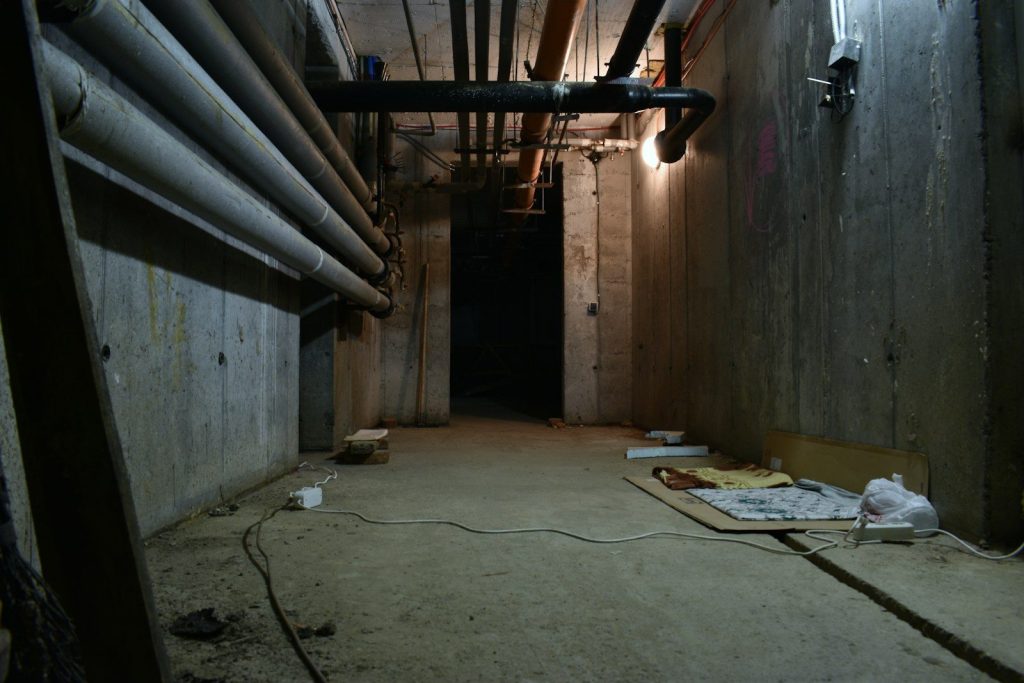
Covering attic vents, crawl space vents, or bathroom exhaust fans during cold months to retain heat traps moisture and creates exactly the conditions mold and rot need to spread.
Bathroom exhaust fans vented into the attic rather than through the roof dump warm, humid air directly onto roof sheathing and shorten roof life by years. When drafts are the concern, address the source: gaps around windows, doors, and penetrations. Never seal ventilation openings designed to protect the structure.
5. Plant Large Trees Too Close to the Foundation

A young tree planted near a house looks manageable. Twenty years later, its root system can crack a foundation, invade sewer lines, and lift concrete slabs.
Root damage to underground plumbing alone can cost $10,000 to repair, not including the cost of removing the tree. In drought-prone climates, which now cover a larger portion of the country than a decade ago, roots are more aggressive in seeking moisture. Large trees belong at least 20 feet from the foundation, with medium trees needing 10 to 15 feet of clearance.
6. Over-Caulk Instead of Fixing the Real Problem
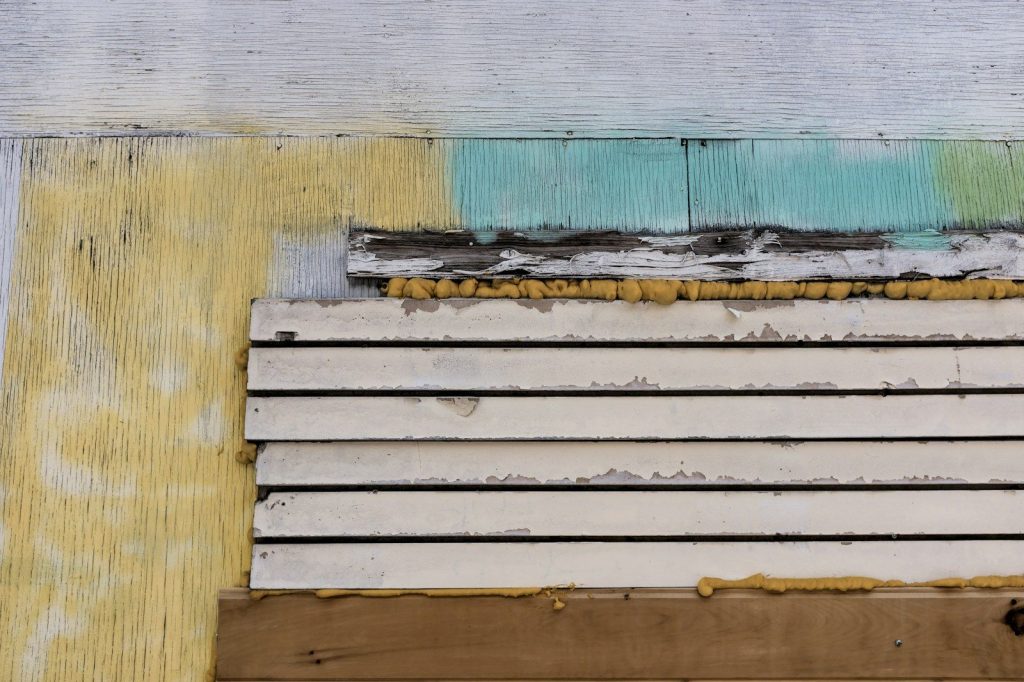
Thick beads of caulk packed into tile gaps, around tub edges, and along baseboards are a reliable sign that someone masked moisture damage rather than corrected it. Buyers and inspectors recognize this immediately.
Excessive caulk also traps moisture behind surfaces, feeding decay in the substrate underneath. Caulk belongs in its proper role as a sealant and finish. When a gap keeps returning, the right step is to find the cause of the movement before reaching for the caulk gun.
7. Neglect HVAC Maintenance
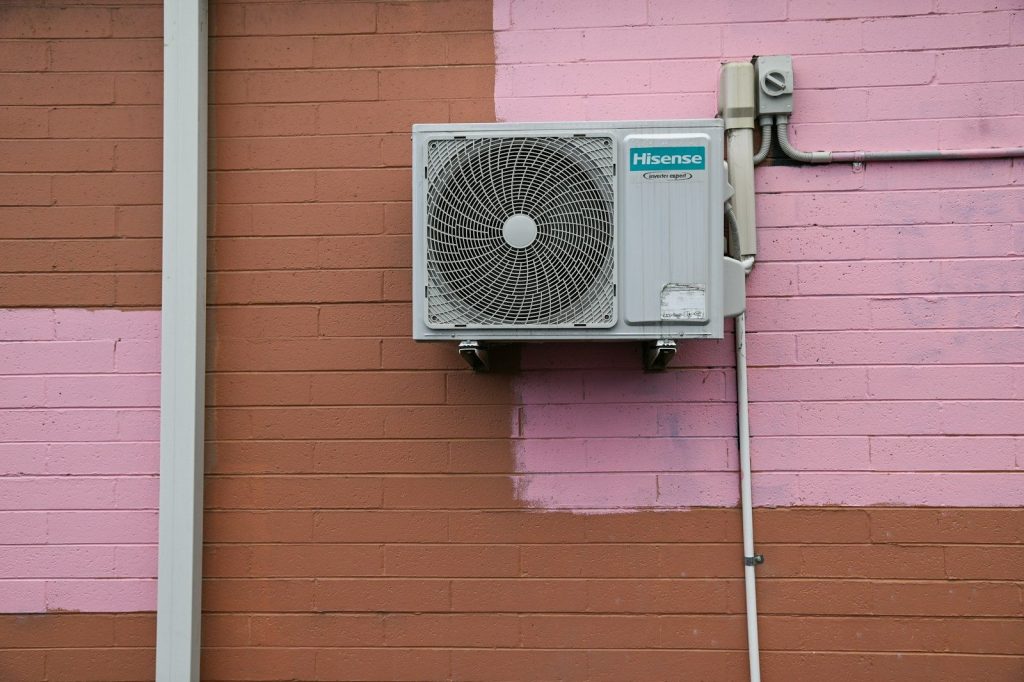
A neglected system runs less efficiently, raising energy bills month over month. Dirty coils, clogged filters, and low refrigerant force components to work harder than designed, and they fail ahead of schedule as a result.
With energy costs continuing to rise and equipment delivery timelines stretched in many regions, an unexpected system failure can leave a household without climate control for weeks. Annual professional servicing and filter replacements every one to three months are the habits that prevent that outcome.
8. Over-Renovate for the Neighborhood
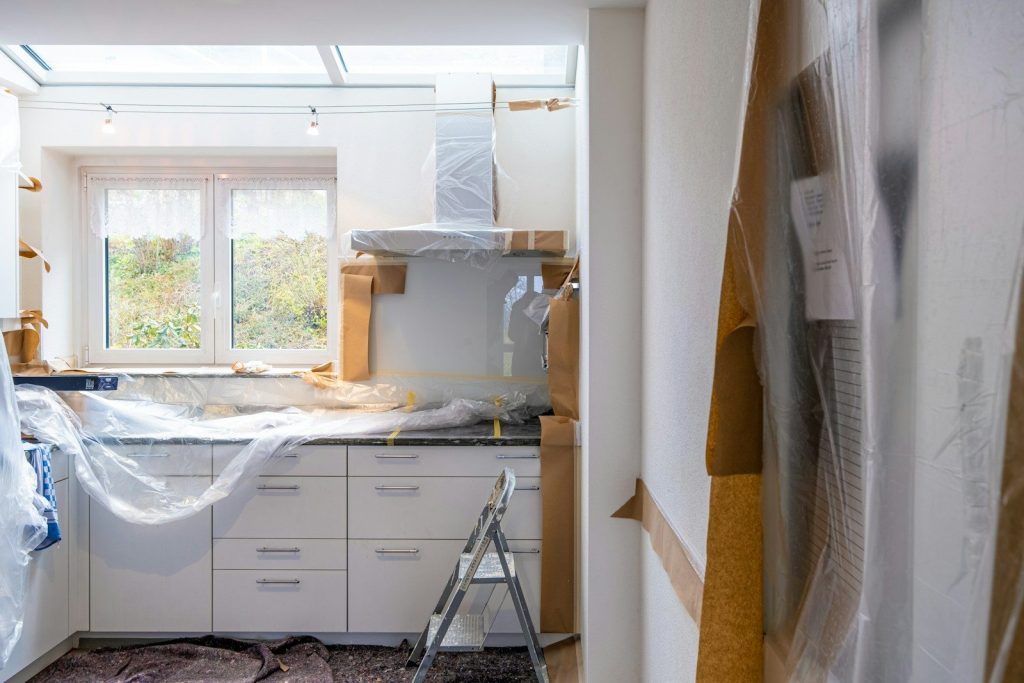
Homes are valued relative to their surrounding market. A $120,000 kitchen renovation in a neighborhood where comparable homes sell for $280,000 rarely returns its full cost and can push the asking price beyond what buyers in that area will pay.
Researching comparable sold prices before committing to major renovations is the necessary first step. Kitchen and bathroom updates generally offer the strongest return, but only when proportionate to the home’s overall value.
9. Put Off Roof Inspections
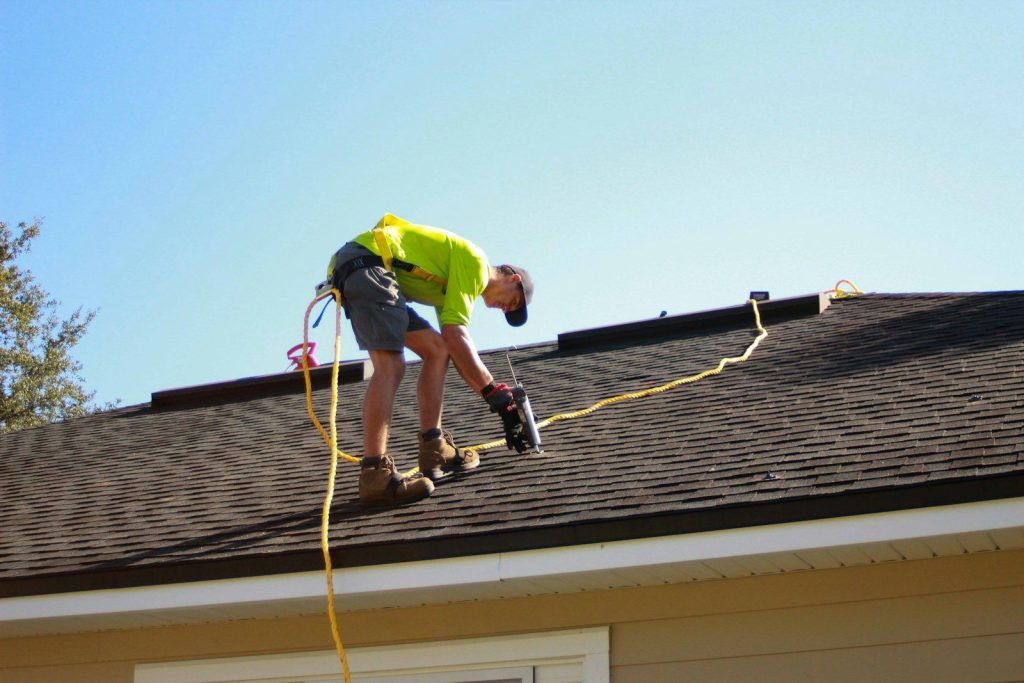
Curling or missing shingles, separated flashing around chimneys and skylights, and granule buildup in gutters are all signs of a roof that needs attention before it starts leaking. Problems caught early can be patched for a few hundred dollars.
Left unchecked, they turn into full replacements costing $15,000 to $30,000 or more. A professional inspection every three to five years, and after any major storm, is the highest-return maintenance habit a homeowner can build.
Decisions

None of these nine mistakes require specialized knowledge to avoid. They require attention and a willingness to act before small problems grow into large ones.
The decisions made during a weekend renovation or a deferred maintenance cycle tend to compound quietly until they can no longer be ignored.