

Not every budget swap is created equal. Some cheap alternatives genuinely hold their own against the pricier originals, and a few are so good that people stop buying the expensive version for good.
Others? A waste of time, money, and sometimes a meal. The difference usually comes down to one thing: understanding what you’re actually paying for when you buy the original.
1. WORKS — Store-Brand Over-the-Counter Medications
Generic ibuprofen, acetaminophen, antihistamines, and antacids are chemically identical to their name-brand counterparts. The FDA requires generics to contain the same active ingredient at the same dosage.
Paying extra for Advil instead of a $4 store-brand equivalent is essentially paying for the box design. This is one of the clearest, most well-documented swaps out there, and it applies whether shopping at Walgreens, Walmart, or Costco.
DOESN’T WORK — Cheap Paint

Budget interior paint almost always costs more in the long run. A $15 gallon from a discount brand typically requires three or four coats to get anywhere close to what a mid-range product achieves in two.
The time, the second can, the uneven finish on textured walls — it adds up fast. Brands like Behr or Sherwin-Williams in the mid-price range consistently outperform bargain alternatives in coverage and durability. This is a swap that seems smart at the register and frustrating within a weekend.
2. WORKS — Frozen Vegetables Over Fresh (For Cooked Dishes)
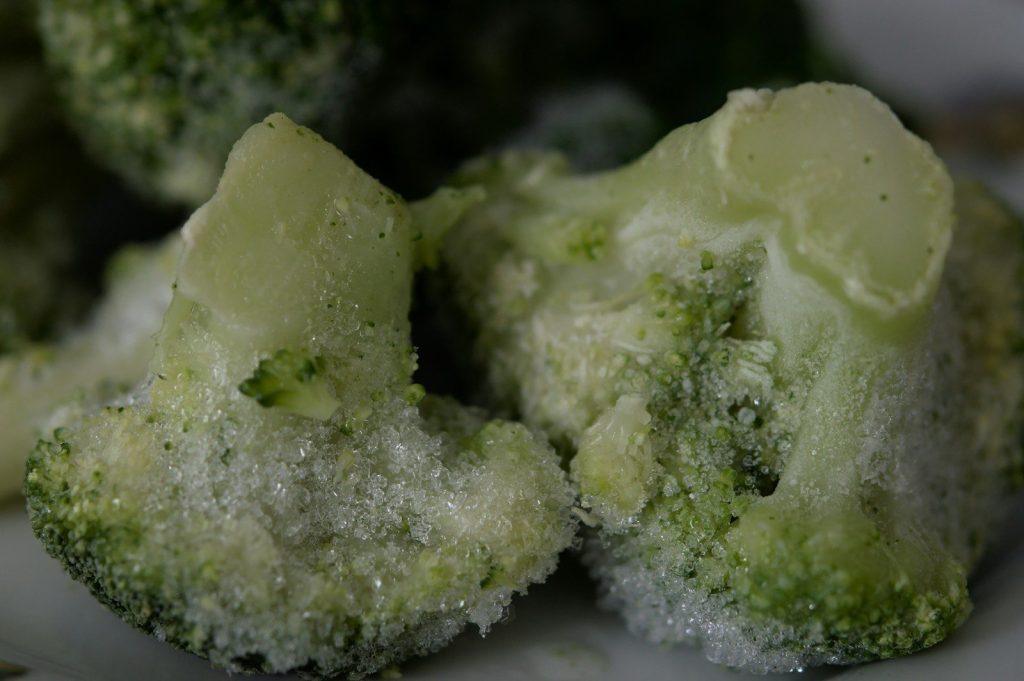
Frozen vegetables are picked at peak ripeness and flash-frozen, which locks in nutrients better than fresh produce that’s been sitting in transit for days. For stir-fries, soups, casseroles, and pasta dishes, the difference in texture is negligible once everything hits heat.
A bag of frozen broccoli or mixed peppers costs a fraction of the fresh equivalent and lasts months in the freezer. The only real exception is dishes where texture matters raw, like a salad or crudité platter.
DOESN’T WORK — Bargain Trash Bags

Few things in a household are as consistently disappointing as a cheap trash bag. The thin plastic tears mid-lift, handles snap, and the seams give out at exactly the wrong moment.
People who switch to off-brand bags to save a dollar or two often end up doubling-bagging, which eliminates the savings entirely. Hefty and Glad exist for a reason. The structural difference is real and it becomes obvious fast.
3. WORKS — White Vinegar and Baking Soda for Cleaning
A spray bottle of diluted white vinegar handles glass, counters, and many bathroom surfaces surprisingly well. Baking soda works as a mild abrasive for scrubbing. Together or separately, they cover a significant portion of everyday cleaning tasks without the cost of specialty products.
A gallon of white vinegar runs under $3. The main limitation is that they don’t disinfect the way EPA-registered products do, so they shouldn’t replace disinfectants where that matters, like around raw meat prep areas.
DOESN’T WORK — Ultra-Cheap Kitchen Knives
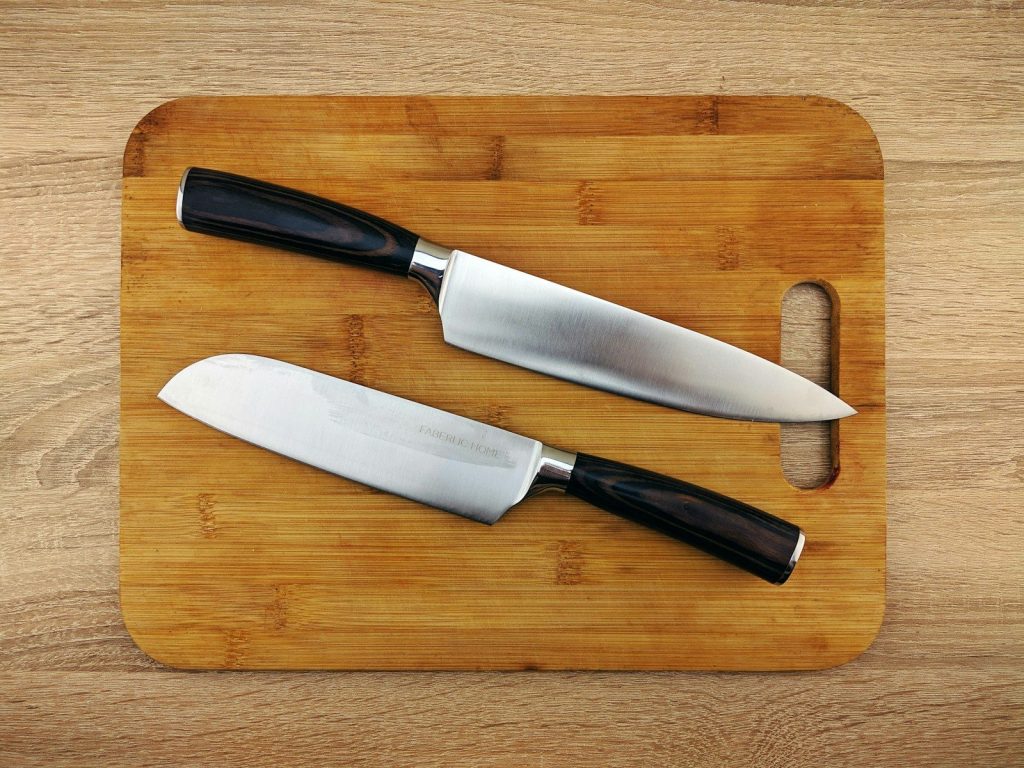
A $10 set of knives sounds like a steal until the blades dull within weeks, struggle to cut through a butternut squash, and make prep work take twice as long.
One decent chef’s knife in the $40 to $70 range, brands like Victorinox’s Fibrox line are a reliable benchmark, outperforms an entire block of discount knives. Cheap knives also tend to be harder to sharpen, so the problem compounds over time.
4. WORKS — Library Apps Over Paid Subscriptions

Apps like Libby and Hoopla, both free through a library card, give access to ebooks, audiobooks, and digital magazines that would otherwise require an Audible credit or a Kindle purchase. For regular readers, the savings over a year can run well over $100.
The catalog has expanded significantly in recent years, and most bestsellers are available, though popular titles sometimes have a waitlist. For audiobook listeners especially, this swap is hard to argue against.
DOESN’T WORK — Budget Mattress Toppers as a Long-Term Fix
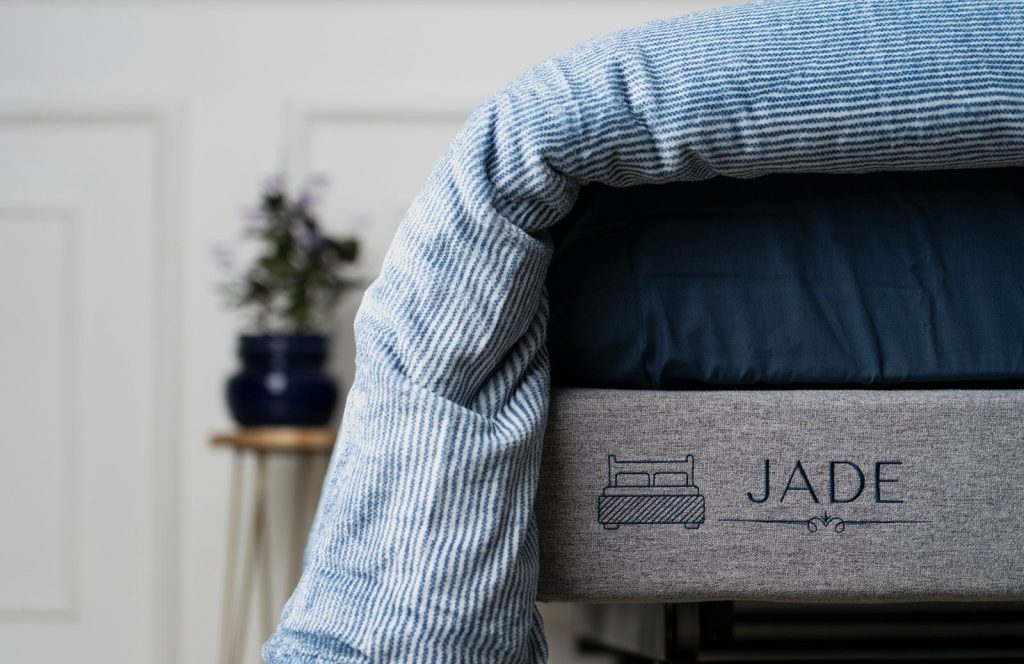
A $30 foam topper might make a bad mattress marginally more comfortable for a month or two before it compresses into something that barely registers as padding. It treats the symptom without addressing the problem, and the cost can stack up across multiple replacements.
If a mattress needs replacing, a topper from the discount bin is unlikely to delay that reality for long. A higher-quality topper in the $100 to $150 range from brands like Lucid or Linenspa performs considerably better, but at that point the “cheap swap” framing starts to collapse.
The Pattern Worth Noticing

The swaps that tend to work involve products where the active ingredient or core function is standardized, whether that’s a medication formula or a vegetable’s nutritional content after freezing.
The ones that fail are usually in categories where material quality, construction, or longevity actually drive the value. A trash bag, a knife, a can of paint: the cheap version doesn’t just cost less, it performs less in ways that matter daily. Knowing which category a purchase falls into is the most useful filter for deciding when to spend and when to save.