

Home improvement spending in the U.S. hit record levels in recent years, and 2026 shows no signs of slowing down. Renovation content floods every platform, contractors are booked out for months, and hardware stores are busier than ever.
But a surprising amount of that money gets spent on habits that don’t just fail to add value. they actively drain it. Some of these patterns are deeply ingrained, passed down from parents or picked up from renovation shows that make demolition look like therapy. A few of them feel responsible, even virtuous. They’re not.
1. Hiring the Cheapest Contractor Available

The logic seems sound: get three quotes, pick the lowest one, save money. In practice, the lowest bid often reflects corners that haven’t been cut yet. Cheap contractors routinely underestimate project scope, use substandard materials, or disappear mid-job when the numbers stop working for them.
Fixing botched tile work or rewiring an electrical panel done wrong costs far more than the premium quote would have. The middle bid, from someone with references and a full license, is almost always the better financial decision.
2. Over-Improving for the Neighborhood
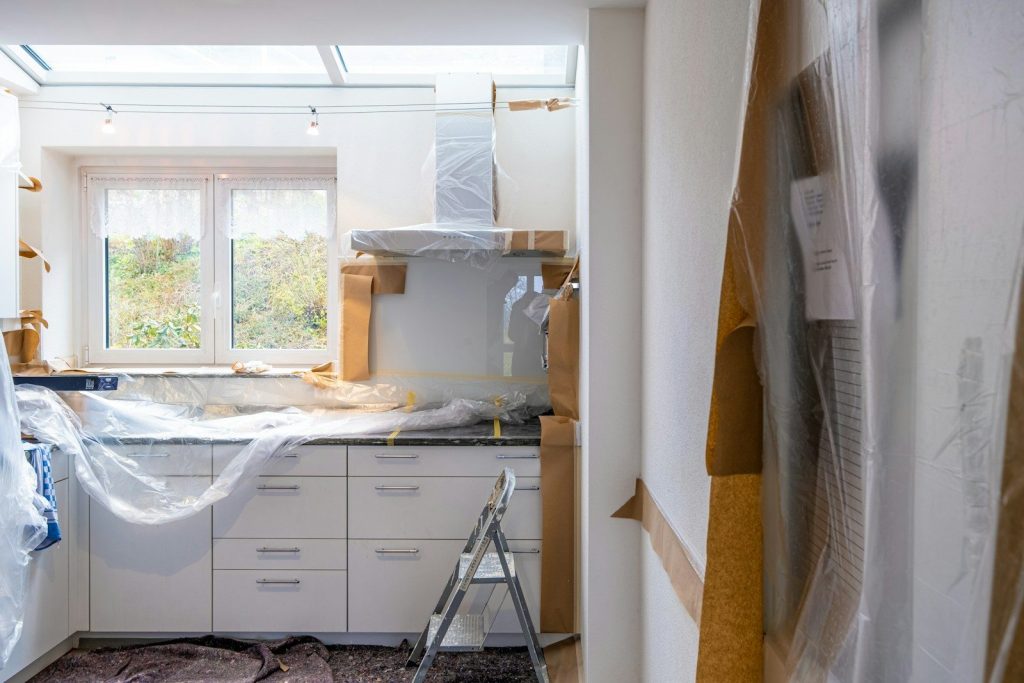
A $90,000 kitchen renovation in a neighborhood where homes sell for $280,000 is a financial trap. Buyers shop by street, by school district, by comparable sales, not by appliance brand. Appraisers use neighborhood comps, which means that high-end upgrade will never fully translate into home value.
The rule of thumb from most real estate professionals: no single renovation should push the home’s value more than 10 to 15 percent above the neighborhood median. Ignoring that ceiling is how people spend their equity into a loss.
3. Skipping Permits to Save Time
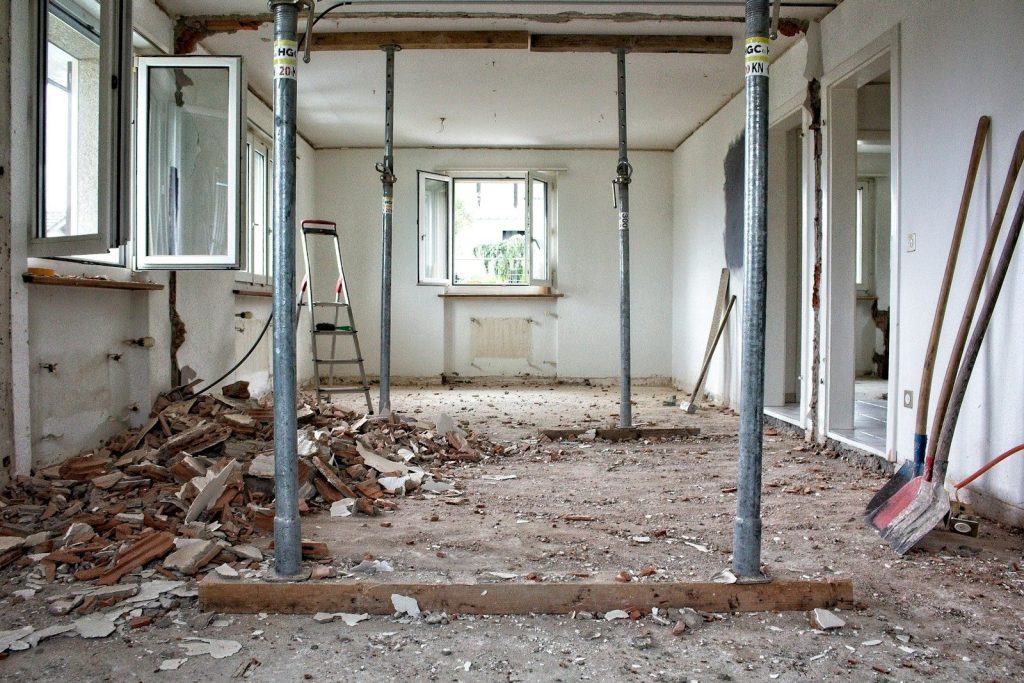
Pulling permits feels bureaucratic and slow, and plenty of contractors will offer to “work around” them. But unpermitted work creates real problems. When the home sells, inspectors find it. Lenders flag it.
Buyers walk away or demand price reductions that dwarf what the permit would have cost. In some cases, the unpermitted structure has to be torn out entirely. A deck built without permits in 2024 can become a $15,000 problem in 2026 when the house goes on the market.
4. Repainting Instead of Fixing the Actual Problem
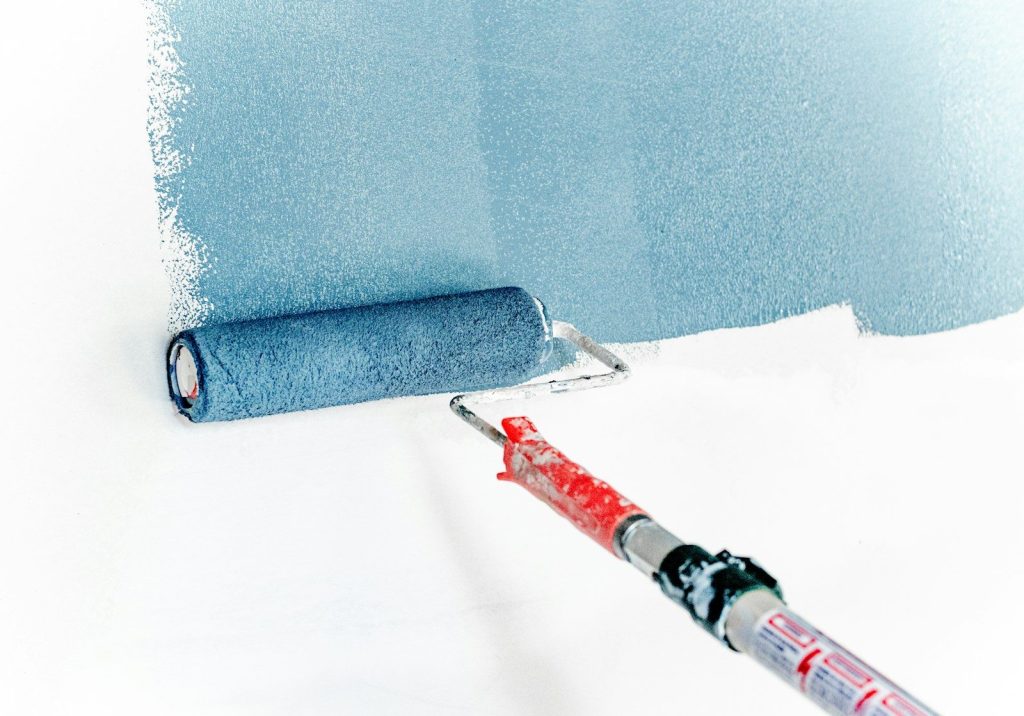
Fresh paint is one of the most cost-effective cosmetic updates a homeowner can make, but only when applied to surfaces that are actually sound.
Painting over water stains without finding the leak, rolling over peeling exterior wood without addressing moisture intrusion, or covering cracks without checking for structural movement all amount to the same thing: paying to hide a problem that will cost more to fix later. The paint fails within a year, and now there’s a bigger repair underneath.
5. Buying Trendy Materials
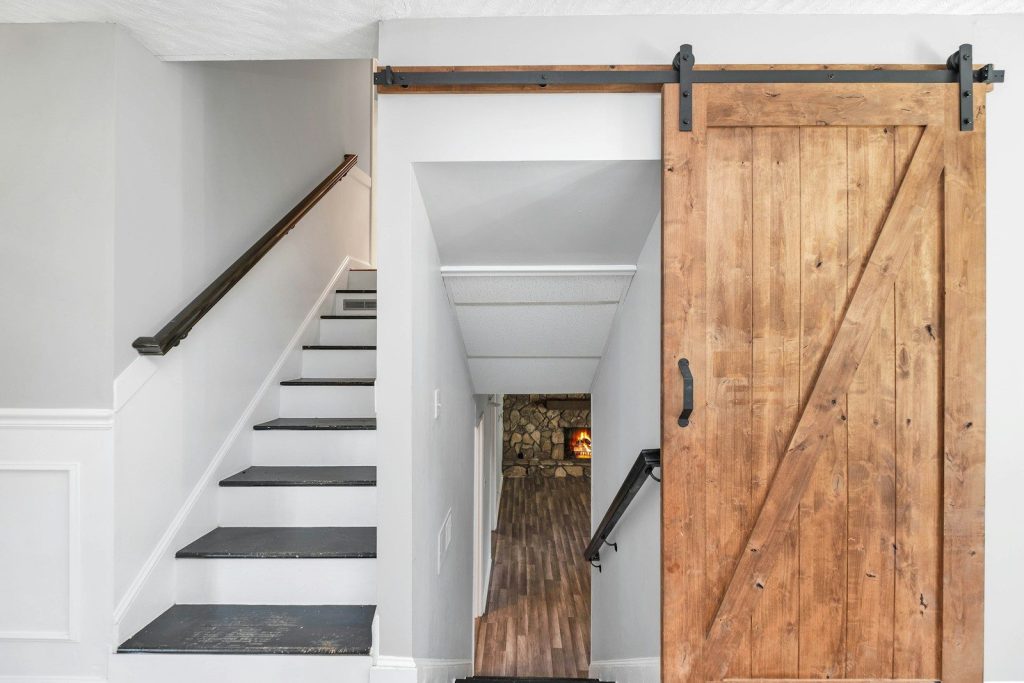
Chevron tile. Barn doors. Shiplap. Every decade has its renovation trends, and every decade those trends date a home within ten years.
Materials chosen purely for aesthetics rather than durability or timelessness often end up looking tired faster than expected, prompting another round of renovations sooner than planned. Neutral, durable, and classic may sound boring, but they hold up in resale without requiring a full redo five years later.
6. DIYing Electrical and Plumbing Work
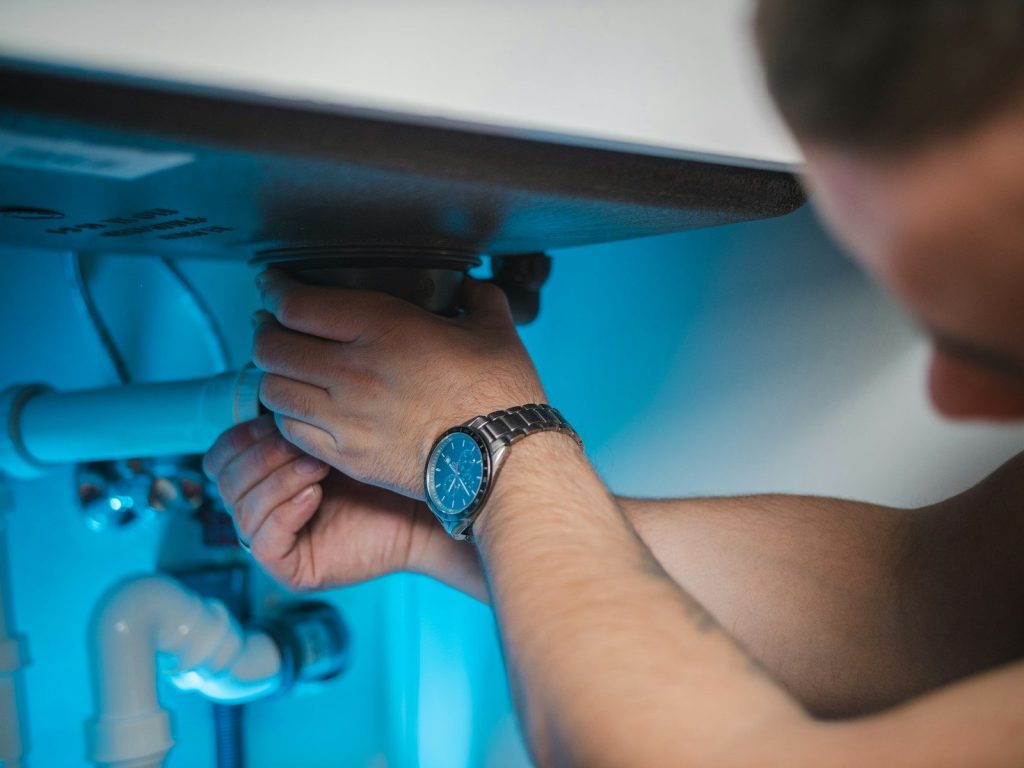
Plenty of home improvement projects are genuinely DIY-friendly: painting, basic landscaping, cabinet hardware, flooring in some cases. Electrical and plumbing are not on that list, at least not beyond the most basic tasks. Faulty wiring causes house fires. Poorly connected supply lines flood kitchens.
Insurance companies increasingly deny claims when they find unlicensed work behind the damage. The $200 saved on a plumber can turn into a $12,000 water damage claim that the policy won’t cover.
7. Renovating Before Selling Without Research
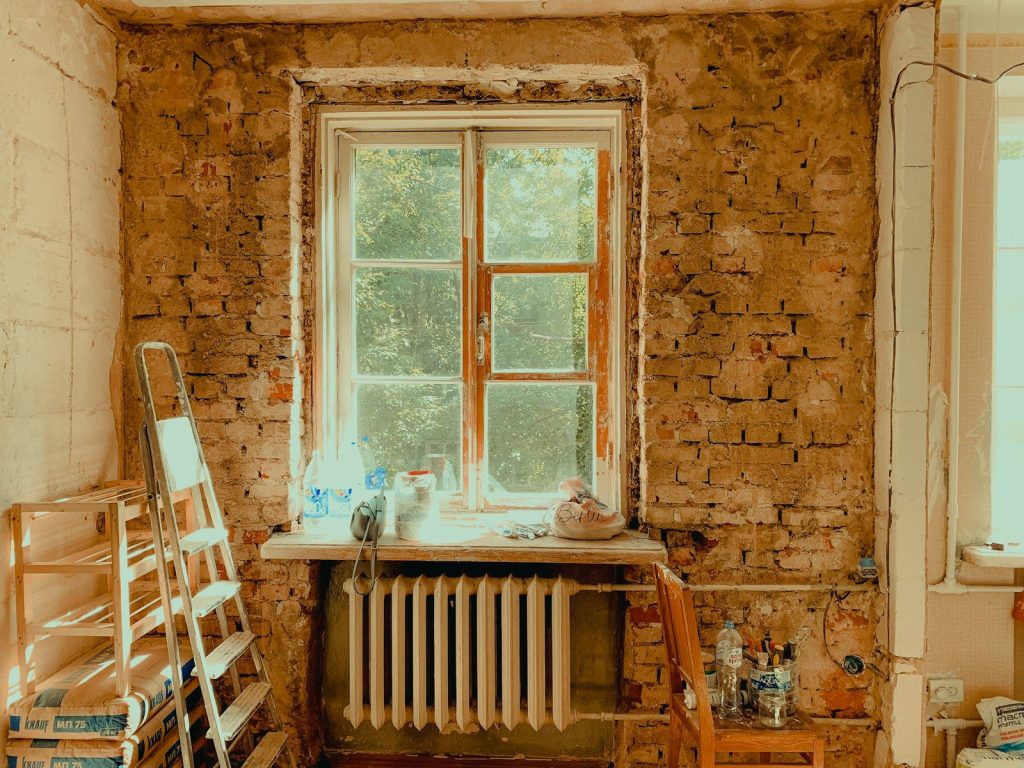
The pre-sale renovation instinct is understandable: fix it up, get more money. But many of the updates sellers spend on don’t move the needle at all with buyers. New HVAC systems, roof replacements, and foundation repairs are expected, not celebrated.
Buyers rarely pay a premium for things that were supposed to be maintained. A fresh coat of neutral paint, clean landscaping, and decluttered rooms consistently outperform expensive renovations in pre-sale ROI studies.
8. Ignoring Maintenance Until It Becomes a Crisis

Deferred maintenance is one of the most expensive habits in home ownership. A $300 gutter cleaning that gets skipped becomes a $4,000 fascia and soffit repair. A slow roof leak ignored for two seasons becomes a mold remediation job.
The pattern repeats across every system in the house. Seasonal maintenance checks, roof, HVAC filters, caulking around windows, water heater inspection, cost very little and prevent the kind of cascading failures that drain savings accounts fast.
9. Chasing the Wrong Return on Investment
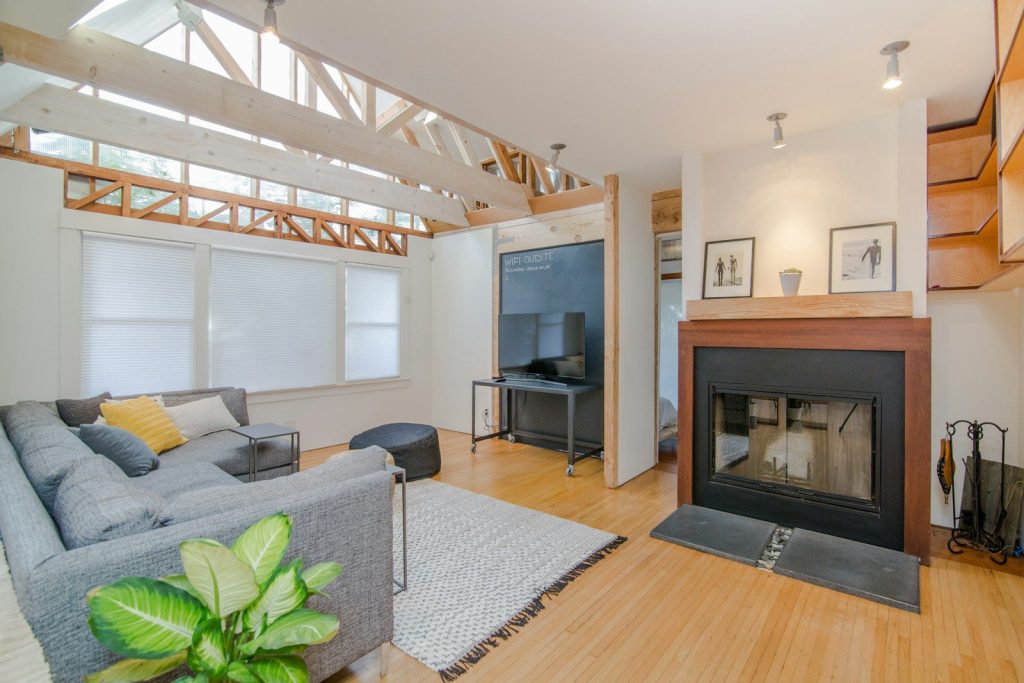
Not every home improvement pays back what it costs, and the ones with the best ROI are often the least exciting. According to Remodeling Magazine’s annual Cost vs. Value report, mid-range garage door replacements and manufactured stone veneer consistently return over 90 percent of their cost at resale.
A high-end bathroom addition averages around 35 percent. The gap between what homeowners expect to recoup and what buyers actually value is wide, and closing it starts with checking the data before swinging a hammer.