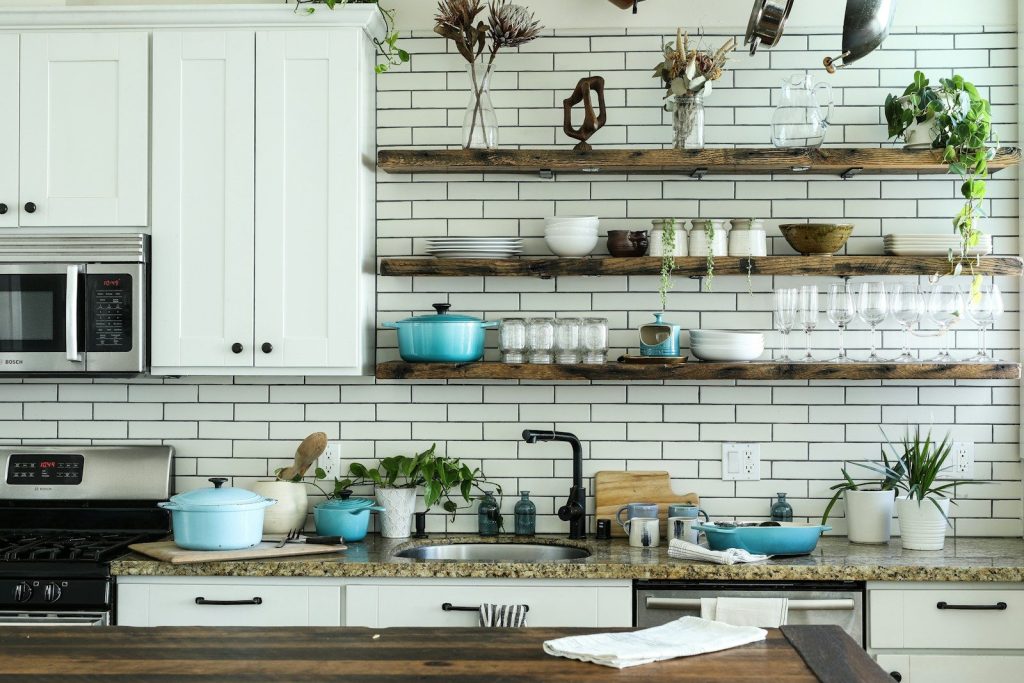

Clutter has a weight to it. Not a physical weight, exactly, but the kind that makes a room feel smaller than it actually is, that makes you tense up a little every time you walk in. The good news is that fixing it rarely requires a trip to the Container Store or a weekend project.
Some of the most effective organizing moves cost absolutely nothing and take under an hour. These eight hacks work with what’s already in the space, and the difference tends to be immediate.
1. Relocate Furniture Away From the Walls
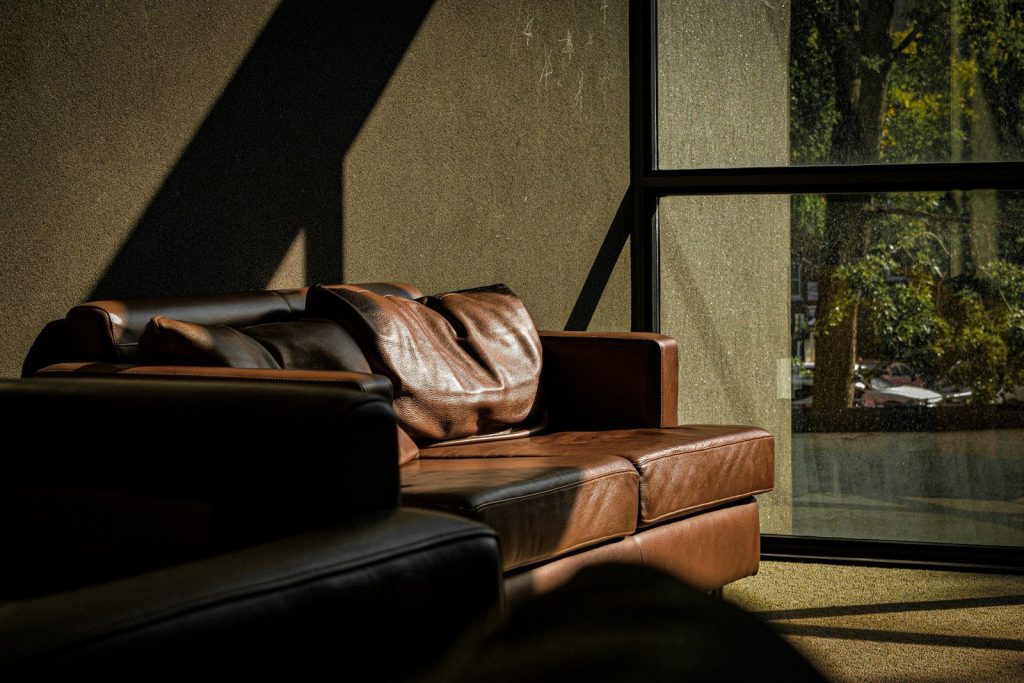
It sounds backward, but pulling furniture slightly away from the walls can make a room feel larger. When every piece is shoved flush against the perimeter, the eye reads the center as a void and the edges as crowded.
Even a few inches of breathing room behind a sofa or console table creates a sense of depth. Interior designers have been pushing this for years, and once you try it, the old arrangement tends to look cramped by comparison.
2. Use the “Box Method” to Declutter Fast
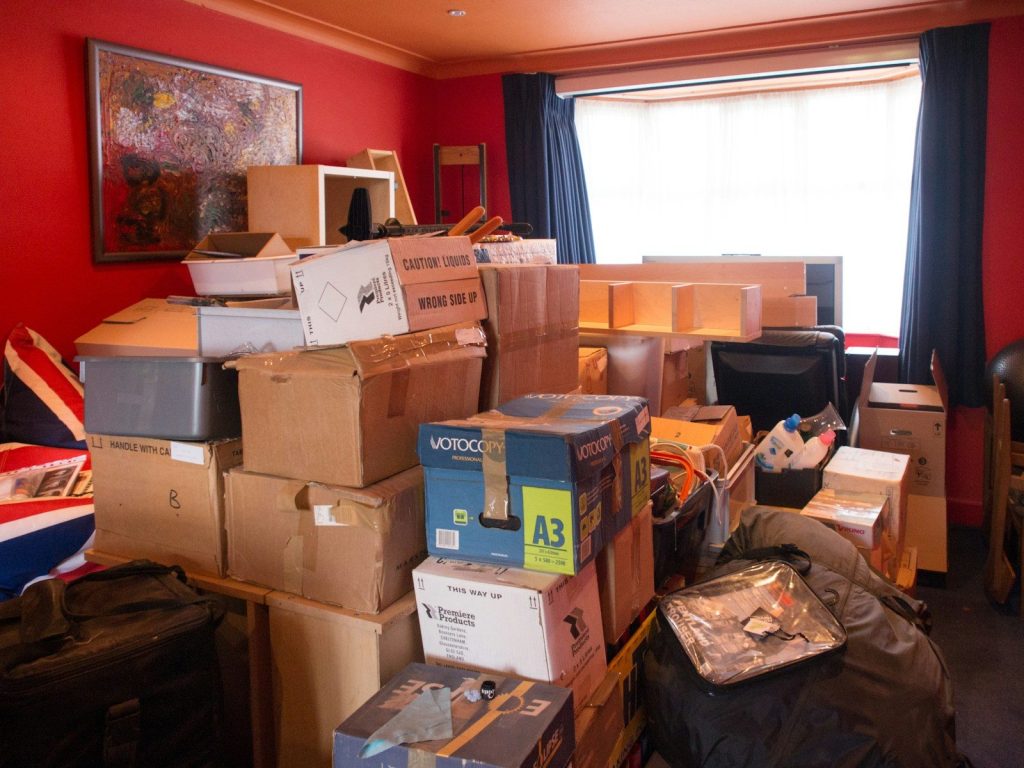
Grab three boxes or bags and label them: keep, relocate, donate. Go shelf by shelf, surface by surface, and don’t slow down to deliberate. The speed is the point. Objects that don’t belong in a room are often the main culprit behind visual noise, and a lot of them have simply drifted there over time.
A stack of chargers on the kitchen counter, a pile of magazines in the bedroom, tools sitting on the dining table. Moving them to where they actually belong costs nothing and reclaims the space immediately.
3. Clear Every Horizontal Surface
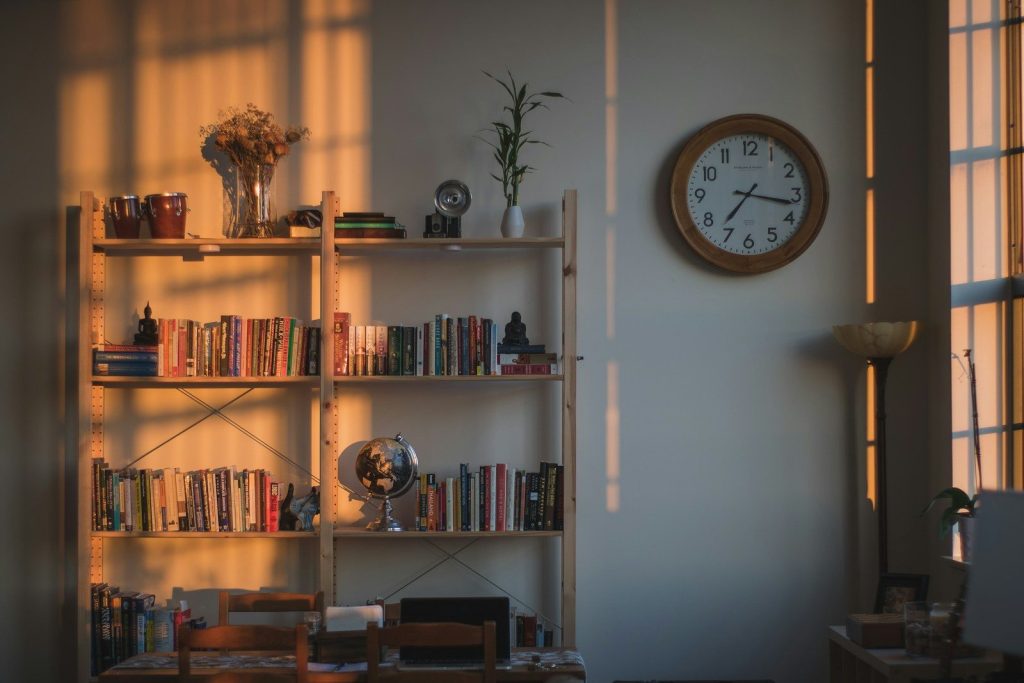
Flat surfaces attract stuff. Counters, shelves, windowsills, the tops of dressers. Pick one room and strip every horizontal surface down to the essentials. Not everything, just the excess.
A single candle on a shelf reads as intentional. Six random objects on the same shelf read as mess. The goal is editing, not minimalism. Most people find that rooms feel dramatically more open after this one step alone.
4. Rearrange Your Shelves by Color or Height
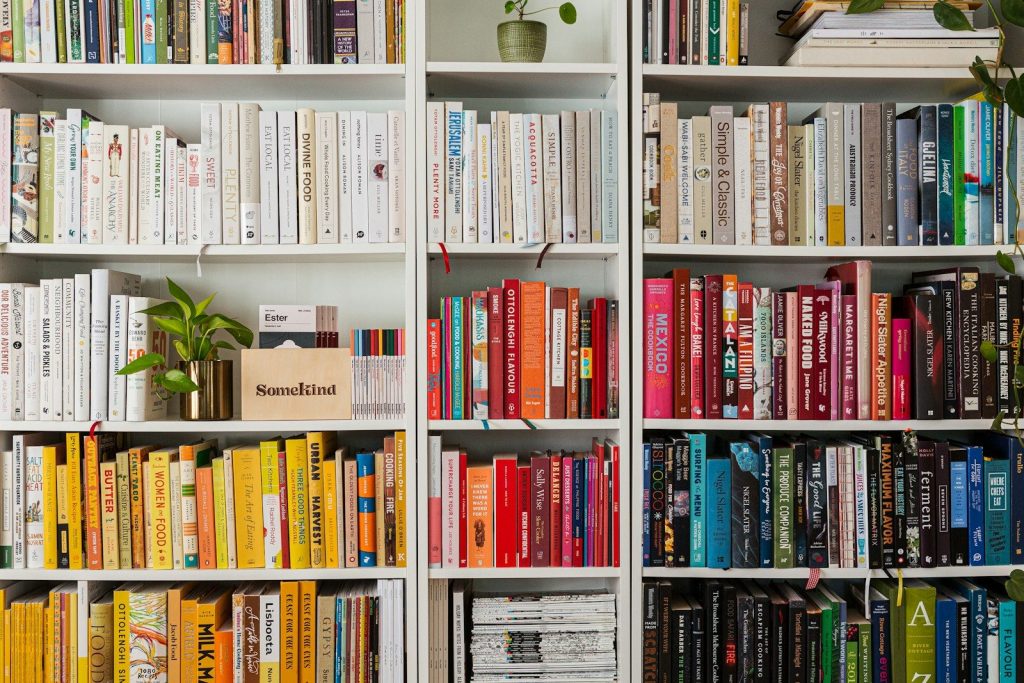
This costs nothing and takes maybe twenty minutes. Organizing books or objects by color creates a visual rhythm that calms the eye, even when a shelf is completely full. Organizing by height, tallest to shortest, does something similar.
Either approach replaces the chaotic “wherever it fits” arrangement with something that looks considered. The objects don’t change. The perception of order does.
5. Repurpose Containers You Already Own
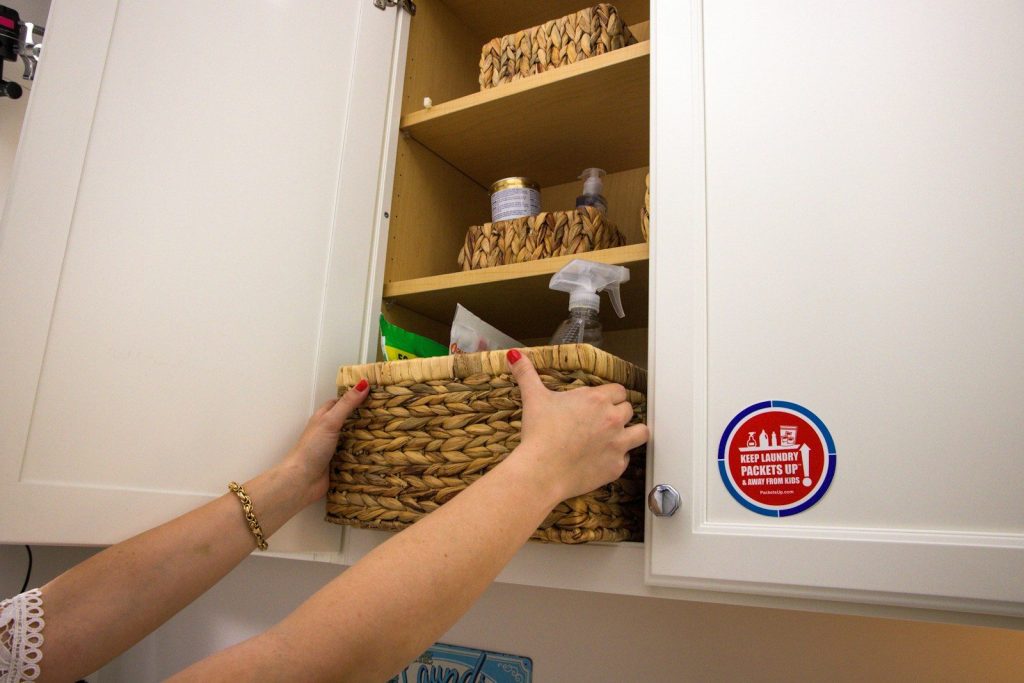
Shoeboxes make solid drawer dividers. Wide-mouth mason jars work well for corralling pens, brushes, or utensils. Baskets that have been sitting in a closet can become catch-alls for remote controls or throw blankets.
Before buying anything, do a sweep of what’s already in the house. Most homes have more usable containers than people realize, scattered across closets, cabinets, and storage bins.
6. Adjust Lighting to Change Perception
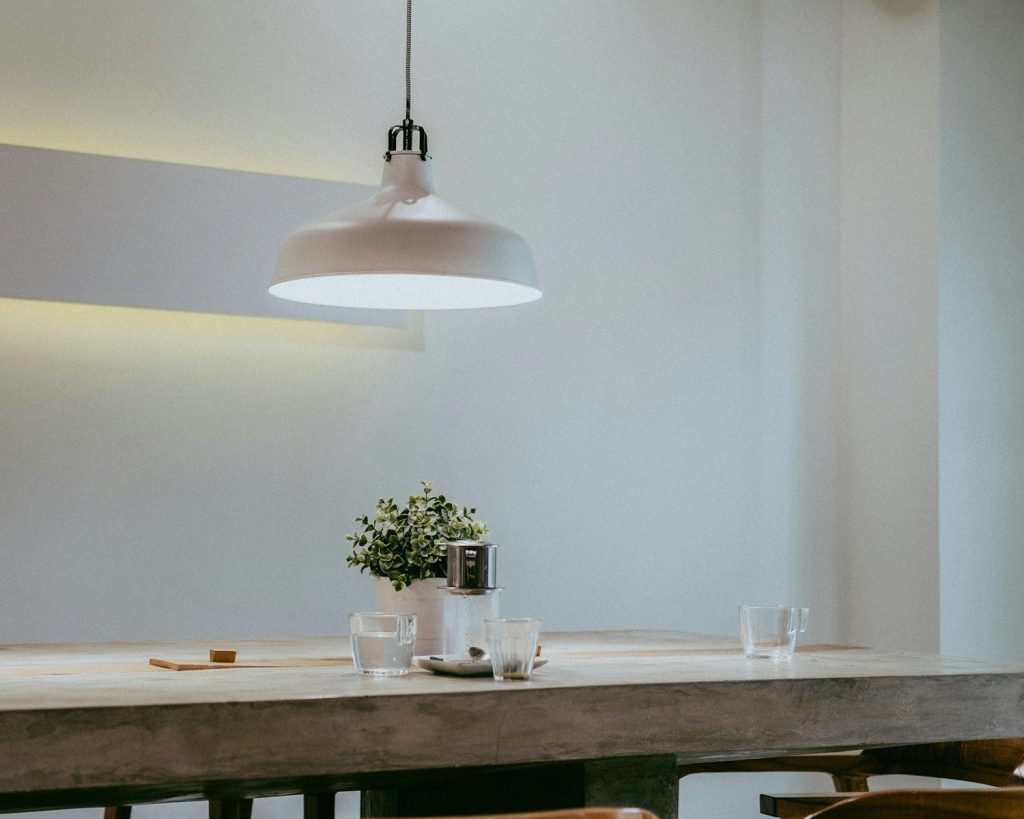
Overhead lights cast shadows downward and make spaces feel heavier. Lamps positioned at different heights, or existing fixtures that can be pointed toward walls and corners, distribute light in a way that makes rooms feel taller and more open.
This isn’t about buying new hardware. Most people already have a lamp or two that’s been sitting in the same spot for years. Moving one to a dark corner can change the whole character of a room.
7. Create Zones Without Adding Anything New
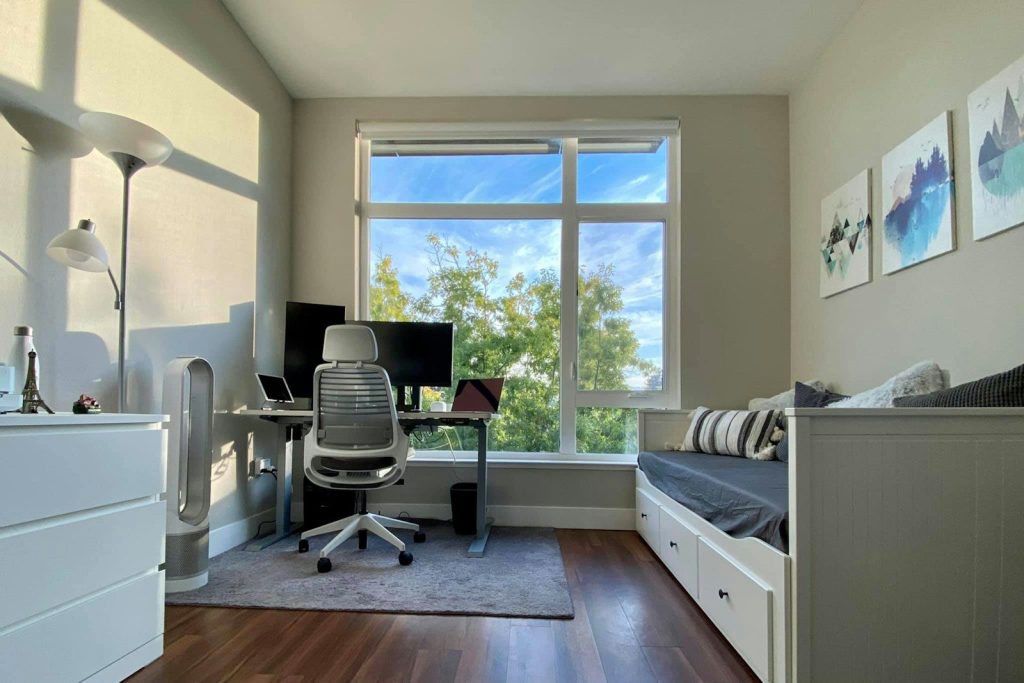
A living room that doubles as a home office feels chaotic when both uses bleed together. Positioning an existing rug to define the seating area, or turning a bookshelf perpendicular to create a divider, establishes zones without a single purchase.
The room holds the same amount of stuff, but the organization of it signals purpose, which reduces visual complexity considerably.
8. Edit the Walls
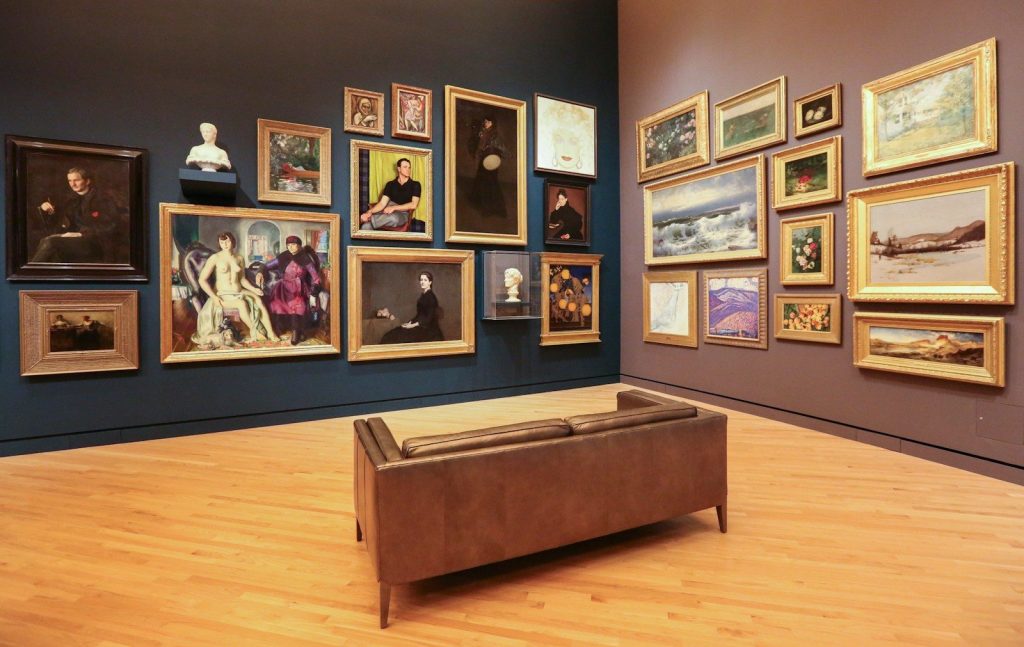
Gallery walls have been popular for a while, and plenty of them work beautifully. But an overcrowded wall makes a room contract.
Taking down a few frames, spacing the remaining pieces further apart, or consolidating a scattered arrangement into one cohesive grouping can open up the vertical space just as effectively as clearing the floor. The wall isn’t empty. It just has room to breathe.
The Real Point
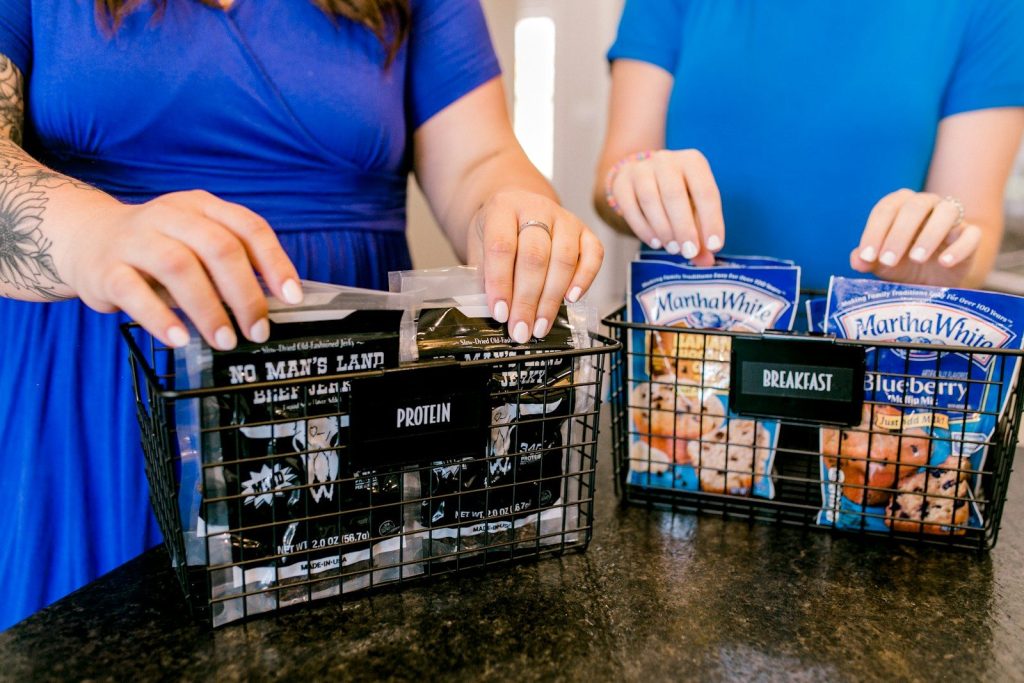
None of these hacks require spending money or waiting on a delivery. They require looking at a room with fresh eyes and making decisions about what’s earning its place.
That part is harder than it sounds, but the results tend to surprise people. A room that felt cramped on Monday can feel genuinely different by Tuesday afternoon, no purchases necessary.