

Frugal people are not cheap. That distinction matters more than most people realize. Cheap is about spending as little as possible no matter the cost to quality or relationships. Frugal is about spending intentionally, knowing exactly where money goes and making sure it earns its place.
The habits that genuinely frugal people practice in 2026 are not dramatic sacrifices. Most of them take under five minutes and barely register as effort after the first few weeks. Nine of the most effective ones are worth paying attention to.
1. They Check Their Bank Balance Every Morning

Before coffee, before email, frugal people check their balance. Not obsessively, not anxiously, just as a quick orientation to the day. Knowing where the numbers stand makes every spending decision sharper. It also catches problems early.
Subscriptions that renewed without warning, a billing error, a forgotten charge from three days ago. People who check daily are far less likely to be ambushed at the end of the month.
2. They Meal Plan Before Grocery Shopping

Grocery stores in 2026 are engineered to pull money out of wallets, between the end-cap deals, the loyalty app nudges, and the strategically placed convenience items near checkout. Frugal shoppers arrive with a list built around a meal plan, and they stick to it.
Even a rough plan, five dinners sketched out on Sunday night, cuts food waste and impulse purchases at the same time. The average American household throws away roughly $1,500 worth of food per year. A weekly meal plan addresses that directly.
3. They Automate Their Savings First

The single most effective savings habit is also the most passive one. Money that transfers automatically to a savings or investment account on payday never has a chance to get spent.
Frugal people figured out decades ago what behavioral economists later confirmed: willpower is unreliable, but automation is not. Even a modest automatic transfer of $50 or $100 per paycheck compounds into something meaningful over time.
4. They Use a 24-Hour Rule on Purchases

Any non-essential purchase over a personal threshold, often somewhere between $30 and $50, gets a 24-hour waiting period. This single rule eliminates a substantial portion of impulse spending.
The psychology is straightforward. Wanting something feels urgent in the moment and usually much less urgent the next day. Frugal people have trained themselves to treat that cooling-off period as a built-in filter rather than a delay.
5. They Brew Their Own Coffee

This one gets mocked as cliché, but the numbers are blunt. A daily specialty coffee drink at a café runs anywhere from $6 to $9 in most American cities in 2026. Brewing quality coffee at home costs roughly $0.50 to $1.00 per cup.
That gap, multiplied over 250 workdays, lands somewhere between $1,250 and $2,000 per year. Frugal people did the math once and never really looked back.
6. They Track Every Expense

Not every frugal person uses a formal budgeting app, though many do. What they share is the practice of recording what they spend, even informally. A notes app, a small notebook, a spreadsheet updated weekly.
Awareness changes behavior without requiring willpower. Spending that gets tracked tends to get questioned, and spending that gets questioned tends to shrink.
7. They Maintain Their Belongings

A well-maintained car lasts years longer than a neglected one. The same applies to appliances, shoes, tools, and clothing. Frugal people treat routine maintenance as an investment, not a chore.
Changing the HVAC filter every three months, cleaning the dryer lint trap religiously, resoling a good pair of leather shoes rather than replacing them. Small upkeep costs prevent large replacement costs.
8. They Distinguish Wants from Needs Before Clicking Buy

Online shopping has compressed the gap between wanting something and buying it to almost nothing. Frugal people reintroduce that gap deliberately.
Before any purchase, they ask themselves whether it solves a real problem or just appeals in the moment. This is not about deprivation. It is about making sure that spending reflects actual priorities rather than a momentary impulse triggered by a well-placed ad.
9. They Review Recurring Subscriptions Monthly
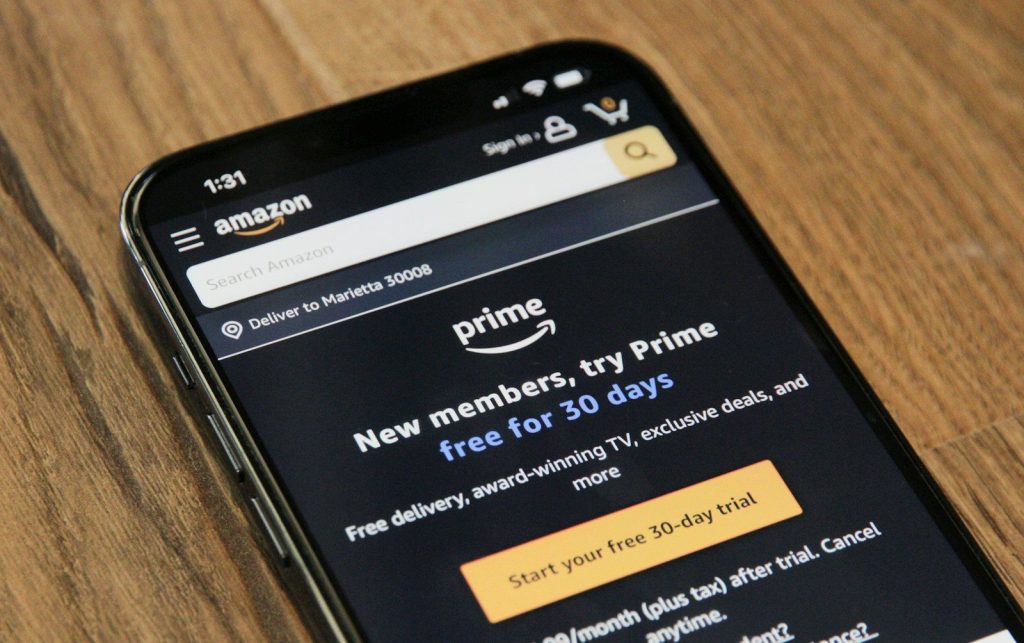
The average American pays for multiple streaming platforms, software subscriptions, gym memberships, and app upgrades simultaneously. Many of them are forgotten entirely.
Frugal people audit their recurring charges once a month, cancel anything that has not been used recently, and resist the inertia that keeps unused subscriptions alive for months at a time. In 2026, subscription creep is one of the quietest ways money disappears from a household budget.