
Backyards in 2026 are getting a serious second look. With outdoor living more popular than ever and material costs stabilizing after years of supply chain chaos, there’s never been a better time to do something with that neglected patch of grass or cracked concrete out back.
The best part is that most of the upgrades that actually make a difference cost under $200 and a weekend of effort. No contractor required.
1. Lay a Gravel Seating Area
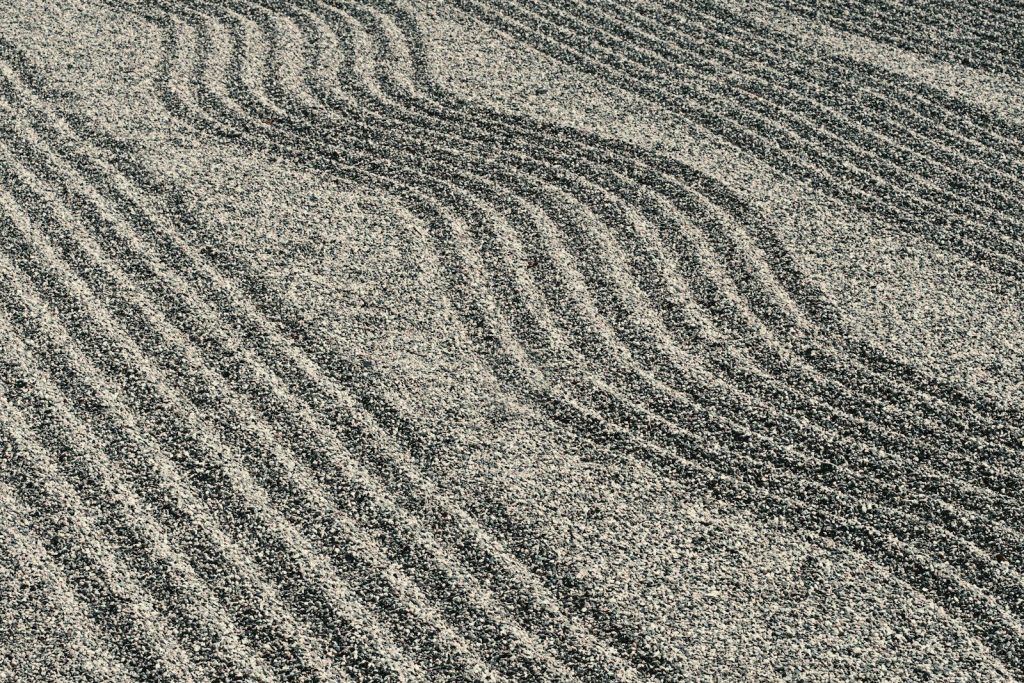
Poured concrete patios can run $3,000 or more once labor is factored in. Crushed gravel is a completely different story. A 10×10 gravel seating pad costs roughly $50 to $80 in materials, and the process is straightforward: dig down a few inches, lay a weed barrier fabric, pour and rake the gravel.
Pea gravel and decomposed granite are both popular choices. Pair it with a secondhand bistro table and you have a functional outdoor space that actually looks intentional.
2. Build a Simple Garden Bed With Lumber
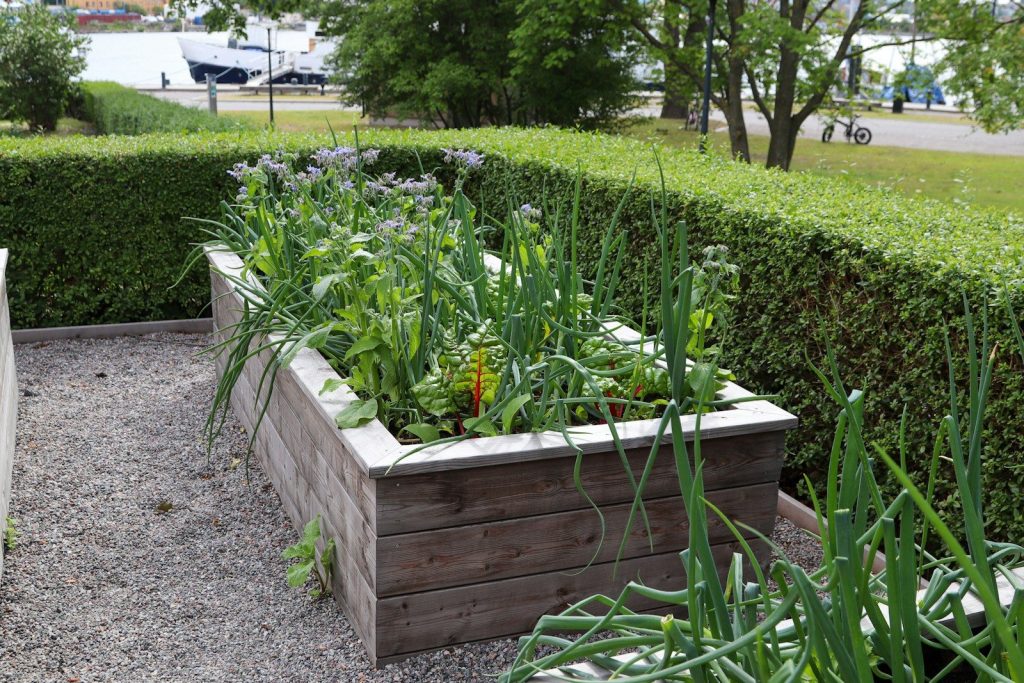
Raised garden beds have gone from niche to standard for a reason. They drain better than in-ground plots, warm up faster in spring, and keep pests like slugs at bay. A basic 4×8 cedar bed can be built for around $60 to $90 in lumber.
Cedar holds up to moisture without rotting the way cheaper pine does. Fill it with a mix of topsoil and compost, and it’s ready to grow vegetables, herbs, or flowers by the following weekend.
3. Add Outdoor String Lighting
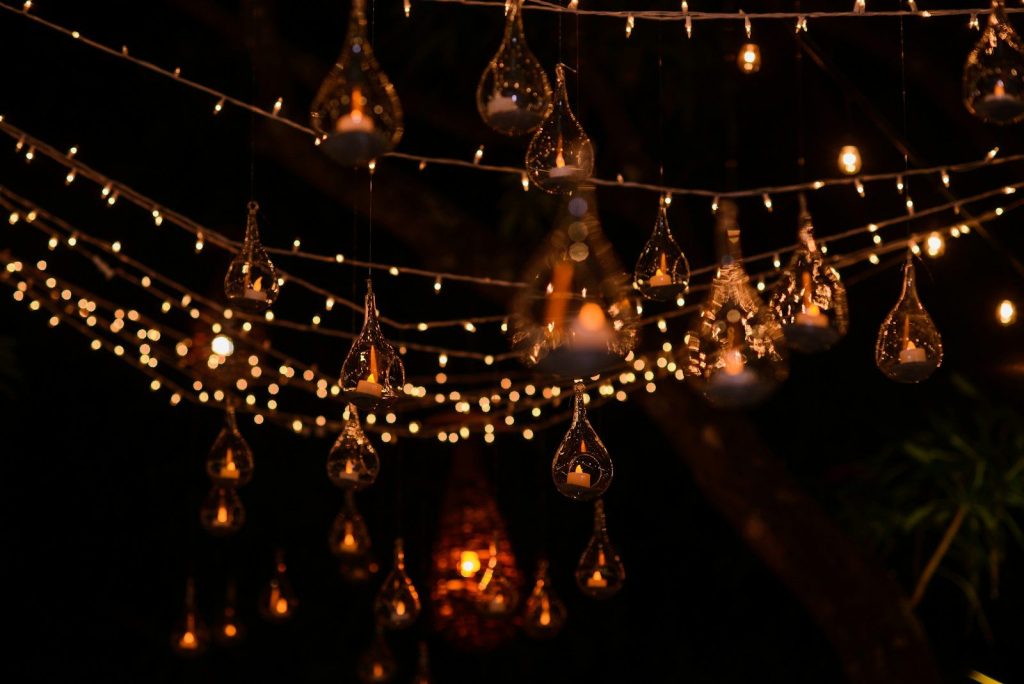
Few things change the feel of a backyard space faster than lighting. Commercial-grade outdoor string lights have become widely available and reasonably priced, with a 48-foot set running about $25 to $40.
Running them between two wooden posts planted in the ground costs less than $30 more in materials. Solar-powered options have also improved considerably, with newer models in 2025 and 2026 holding charge long enough to run through most of the night.
4. Paint or Stain a Wooden Fence
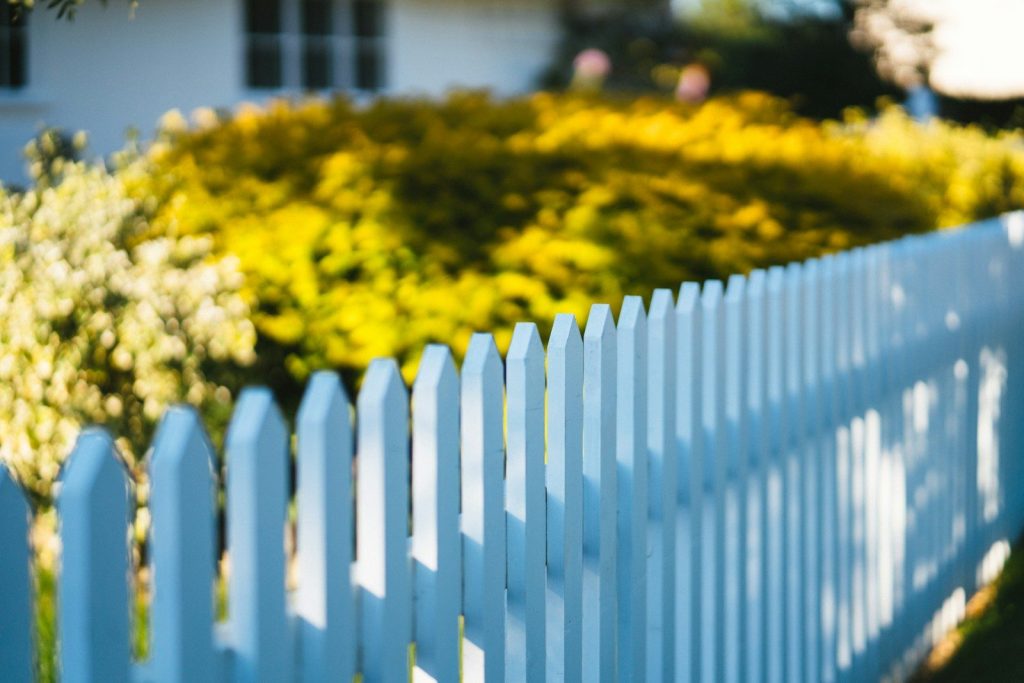
A weathered fence ages a backyard in ways that are hard to ignore. A gallon of exterior wood stain runs about $30 and covers roughly 150 to 200 square feet.
Semi-transparent stains let the wood grain show through while restoring color. Solid stains work better on older, rougher wood. Either way, a single afternoon with a brush or roller turns a grey, dry fence into something that looks like it was installed last month.
5. Install a Stepping Stone Path
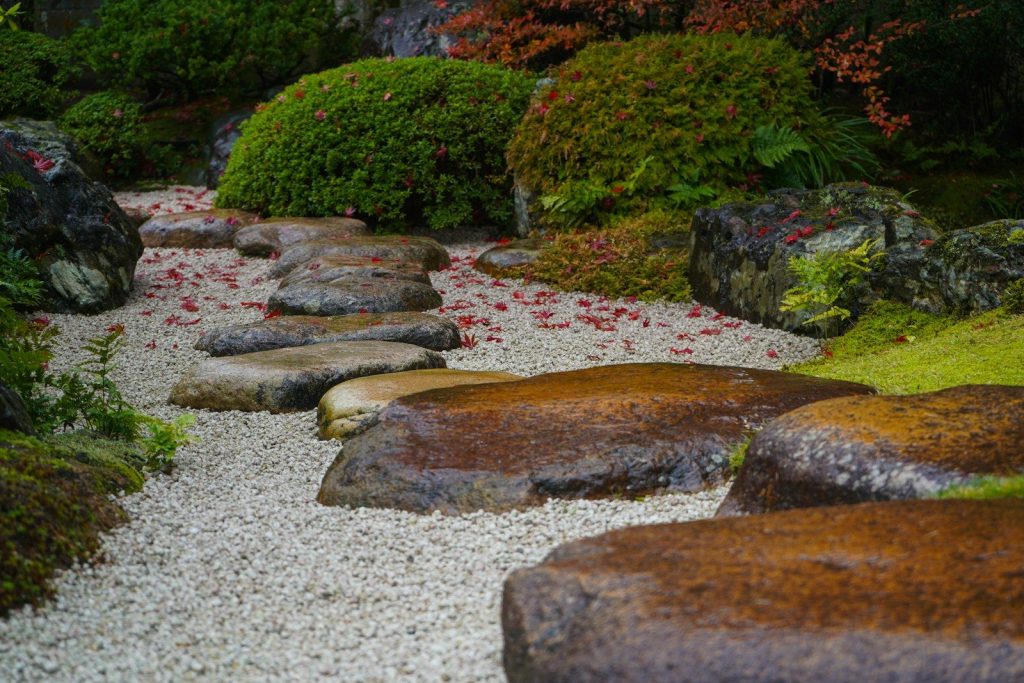
Flagstone and concrete stepping stones solve the muddy-path problem in a way that looks polished without a major investment. A 20-foot path using concrete pavers costs around $40 to $60. The stones get set directly into the ground, slightly below the grass line so the mower can pass over them.
Spacing them about 18 to 24 inches apart, center to center, matches a natural walking stride. It’s a small detail that gives the yard actual structure.
6. Add a Drip Irrigation Line
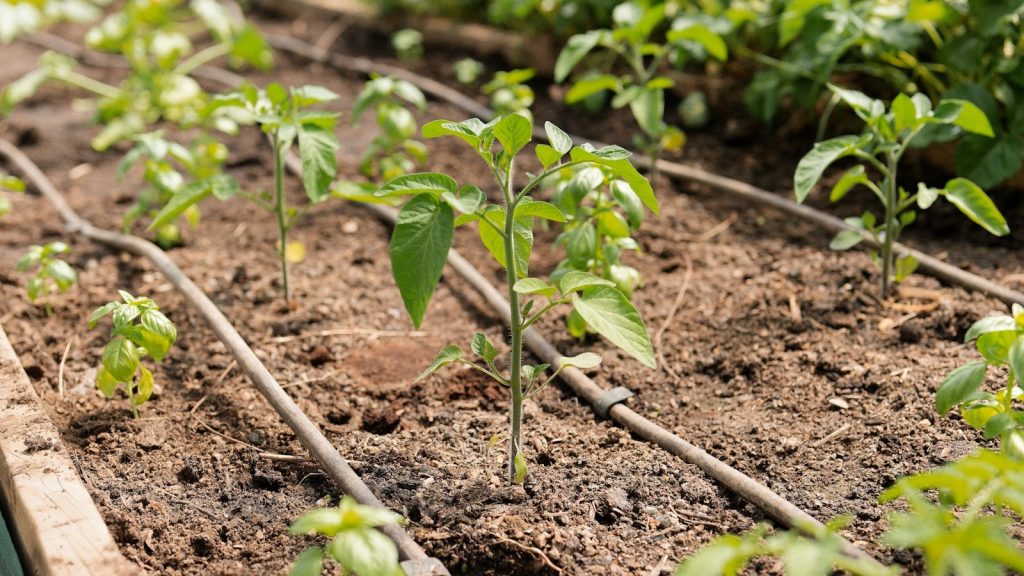
Hand watering is tedious and uneven. A basic drip irrigation kit for a garden bed or row of container plants runs $30 to $60 at most hardware stores.
These systems connect directly to a standard outdoor spigot and deliver water directly to the root zone, cutting water usage by up to 50 percent compared to sprinklers. Pair it with a simple timer, available for around $15 to $25, and the garden waters itself.
7. Build a Compost Bin From Pallets
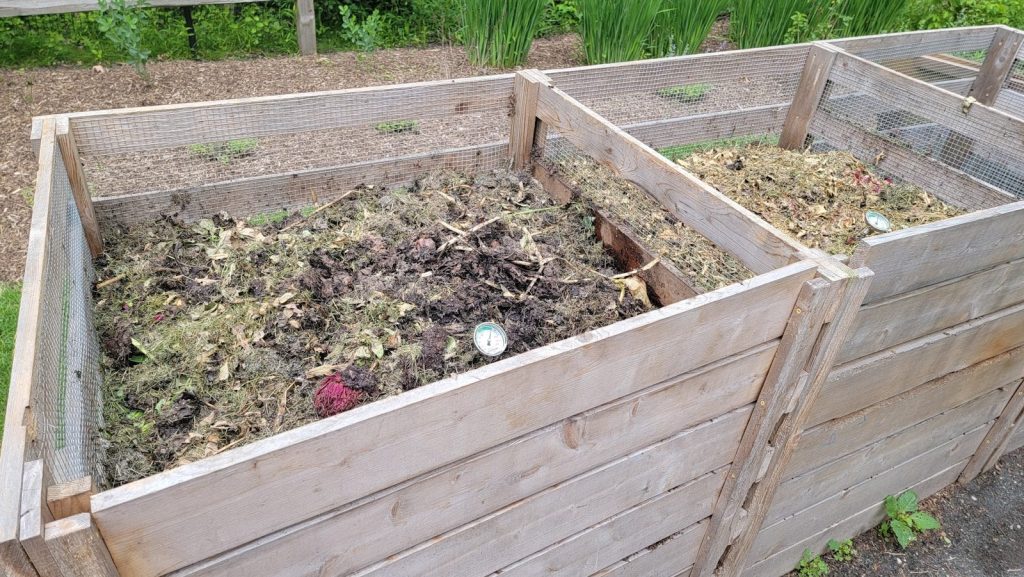
Free wooden pallets are available outside most grocery stores and garden centers. Four pallets wired together at the corners create a functional compost bin with no carpentry skills needed.
Add kitchen scraps, dry leaves, and garden waste in layers, and the bin produces finished compost in about two to three months. That compost goes straight back into the raised bed from Slide 3, cutting fertilizer costs considerably over time.
8. Refresh Outdoor Furniture With Spray Paint
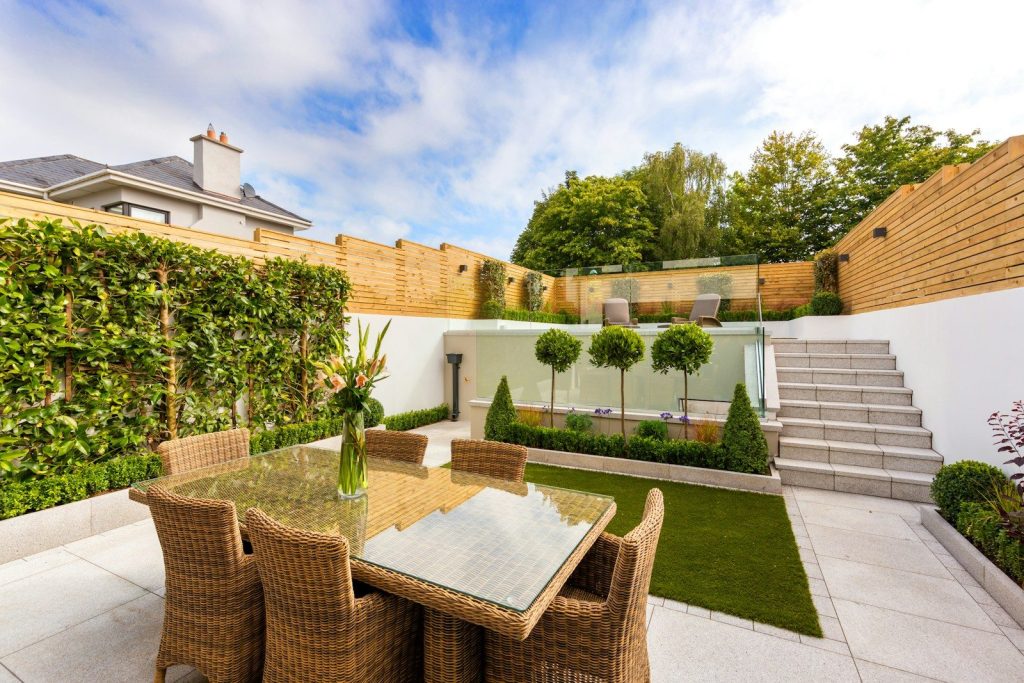
Plastic and metal furniture that has faded or chipped does not need to be replaced. Rust-Oleum and Krylon both make spray paints formulated for outdoor surfaces, including plastics, metals, and wicker. A can runs about $6 to $10.
A wire brush, a light sanding, and two coats of spray paint can bring a beaten-up patio chair back to something worth keeping. Doing four chairs costs less than $40 total.
9. Plant a Privacy Screen With Ornamental Grasses
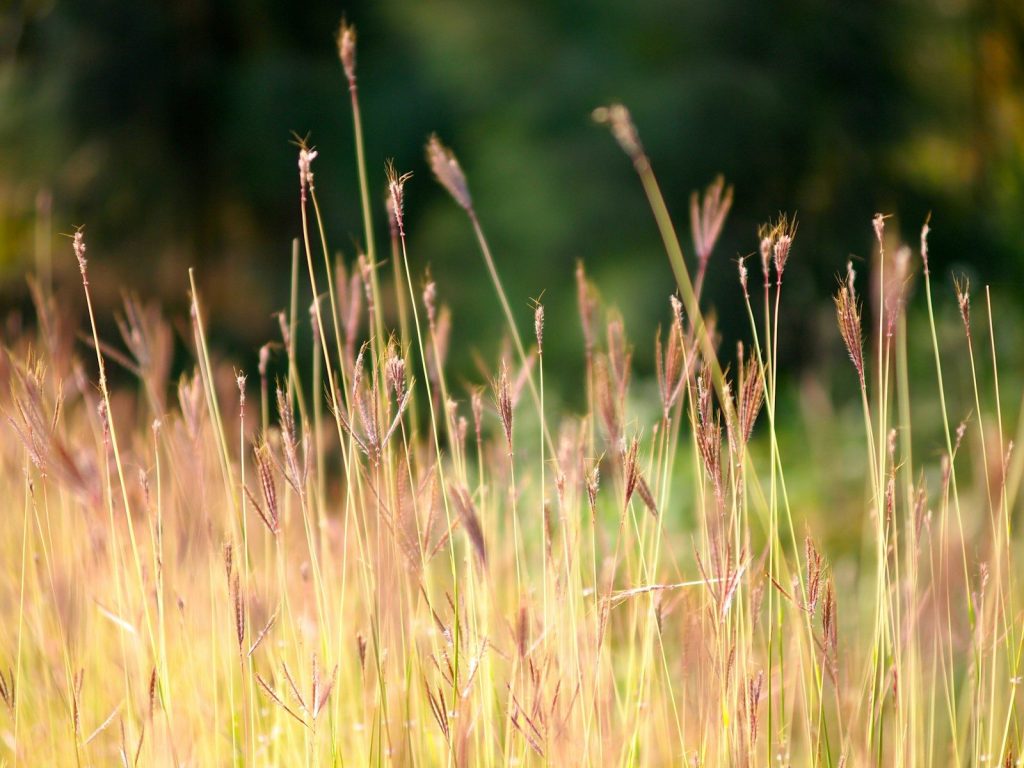
Tall ornamental grasses like Miscanthus sinensis or Karl Foerster feather reed grass grow three to six feet tall and create a natural privacy barrier along fence lines or property edges. A single plug runs $8 to $15 at most garden centers, and planting a row of six to eight of them costs well under $100.
They come back every year, require almost no maintenance, and look far more interesting than a row of shrubs. By the second growing season, the screen fills in enough to actually block the neighbors.