

There’s a certain type of person who never seems stressed about money. Not because they earn more than everyone else, but because they’ve quietly figured out that the sticker price on most things is more of a suggestion than a rule.
Frugal people aren’t coupon-clipping fanatics counting pennies at the register. They’ve just learned which categories of spending have the most built-in flexibility, and they exploit that flexibility without apology. Here are nine things they almost never pay full price for.
1. Prescription Medications

Brand-name prescriptions are one of the most aggressively marked-up products in everyday life. A frugal person fills the same prescription for a fraction of the cost using GoodRx, Cost Plus Drugs (Mark Cuban’s pharmacy platform), or by simply asking the doctor for a generic.
Cost Plus Drugs in particular has upended expectations, offering medications for sometimes 80-90% less than retail pharmacy prices. Paying full price at a standard pharmacy counter, without checking alternatives first, is something most financially savvy people stopped doing years ago.
2. Furniture

Almost nobody who understands money buys furniture at full retail. The markups in the furniture industry are staggering, and nearly every major retailer runs sales so frequently that the “original price” is essentially fictional. Beyond sales, Facebook Marketplace and OfferUp have made it genuinely easy to find high-quality secondhand pieces, sometimes barely used, for 20 cents on the dollar.
Estate sales are another goldmine. A solid wood dining table that retailed for $1,400 can show up at an estate sale for $150. Frugal shoppers know the secondhand market well enough that buying new feels wasteful.
3. Clothing
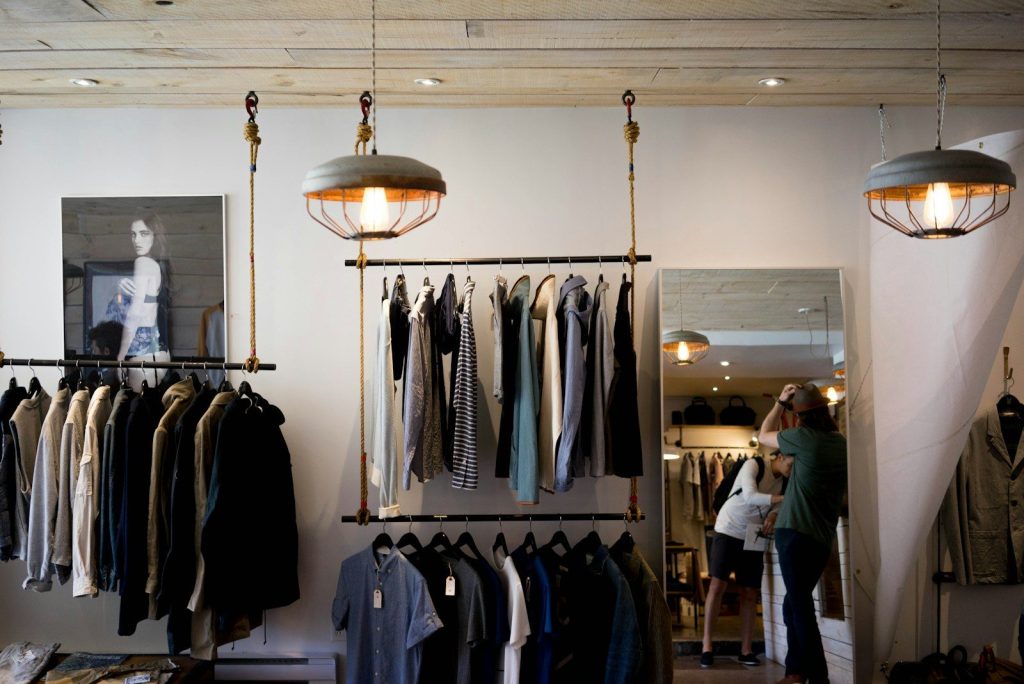
ThredUp, Poshmark, and Depop have made secondhand clothing mainstream in a way that thrift stores alone never quite managed. Beyond resale apps, clothing is one of the easiest categories to time.
End-of-season clearance at retailers like Target, Gap, or even higher-end department stores can push prices down 50-70%. Buying a winter coat in March instead of October isn’t patience, it’s just math.
4. Airline Tickets

Frugal travelers treat flight prices the way stock traders treat the market. They use tools like Google Flights’ price tracking, Hopper, and fare alert services to watch prices over time rather than buying on impulse.
Booking on a Tuesday or Wednesday, flying into secondary airports, and staying flexible about dates by even a day or two can cut hundreds off a fare. Loyalty programs matter too. Someone who consistently routes their spending through one airline’s credit card builds up enough miles to fly free or heavily discounted several times a year.
5. Groceries
The frugal approach to groceries isn’t about buying the cheapest version of everything. It’s about understanding where the real savings are. Store-brand staples like canned goods, frozen vegetables, oils, and dairy products are often produced in the same facilities as name brands.
Buying proteins in bulk and freezing them, shopping loss leaders (the deeply discounted items stores use to pull in foot traffic), and using apps like Flashfood for near-expiry discounts adds up to serious savings over a year.
6. Software and Subscriptions
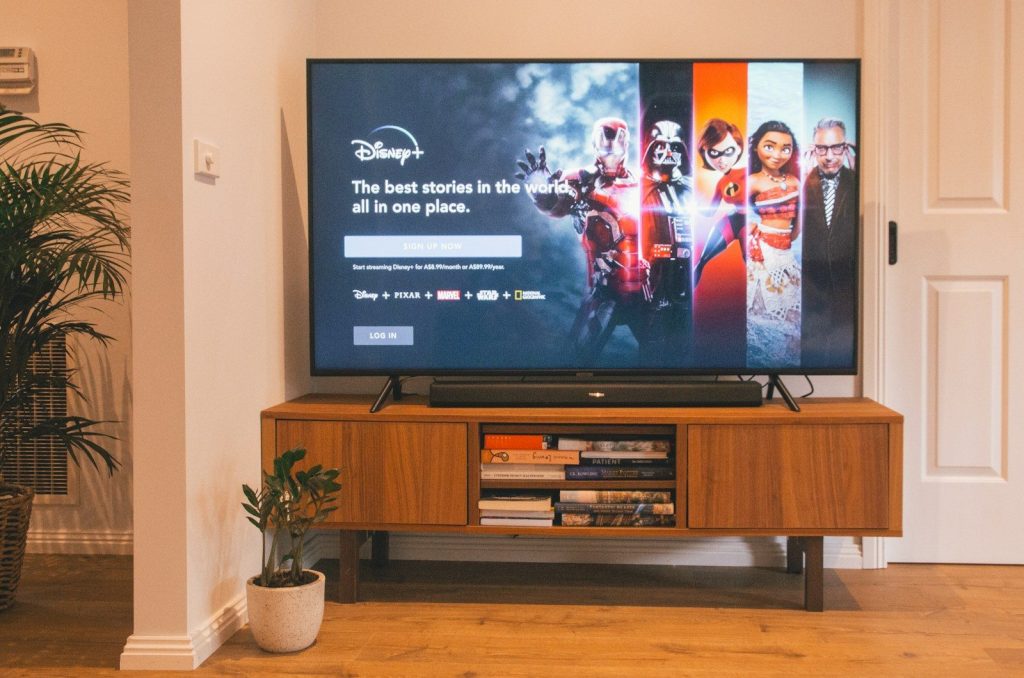
Annual subscription pricing almost always beats monthly pricing by 15-30%, and frugal people default to annual when they’re committed to a service. For tools they’re unsure about, they lean on free tiers, student discounts, or trial periods.
Many software companies, including Adobe and Microsoft, offer educational pricing that’s available to a wider range of people than most realize. Stacking subscriptions with cashback portals adds another layer of savings that most people leave on the table.
7. Cars
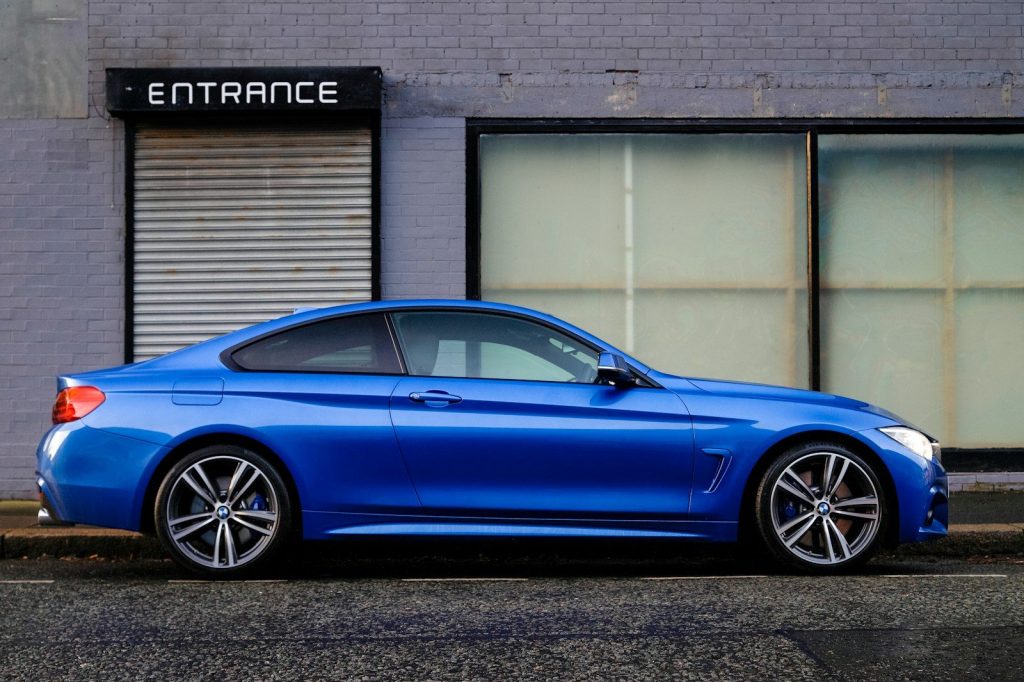
New cars depreciate roughly 15-20% in the first year alone, which is why frugal buyers almost always shop certified pre-owned or lightly used. A two-year-old vehicle with 20,000 miles has absorbed the worst of that depreciation hit while still carrying most of its useful life.
Negotiating at the dealership also matters more than most buyers realize. The invoice price, dealer holdback, and available manufacturer incentives are all publicly accessible through resources like Edmunds and TrueCar. Showing up informed changes the entire dynamic.
8. Hotels

Booking directly with a hotel after finding the rate on a third-party site is a move that saves money and builds loyalty points simultaneously. Many hotel chains will match or beat third-party pricing if asked, and they often throw in perks like early check-in or room upgrades for direct bookers.
Bidding platforms like Priceline’s Express Deals still exist and can cut hotel costs by 30-40% for flexible travelers. Frugal travelers also know that checking hotel rates 24-48 hours before arrival sometimes surfaces last-minute drops.
9. Electronics
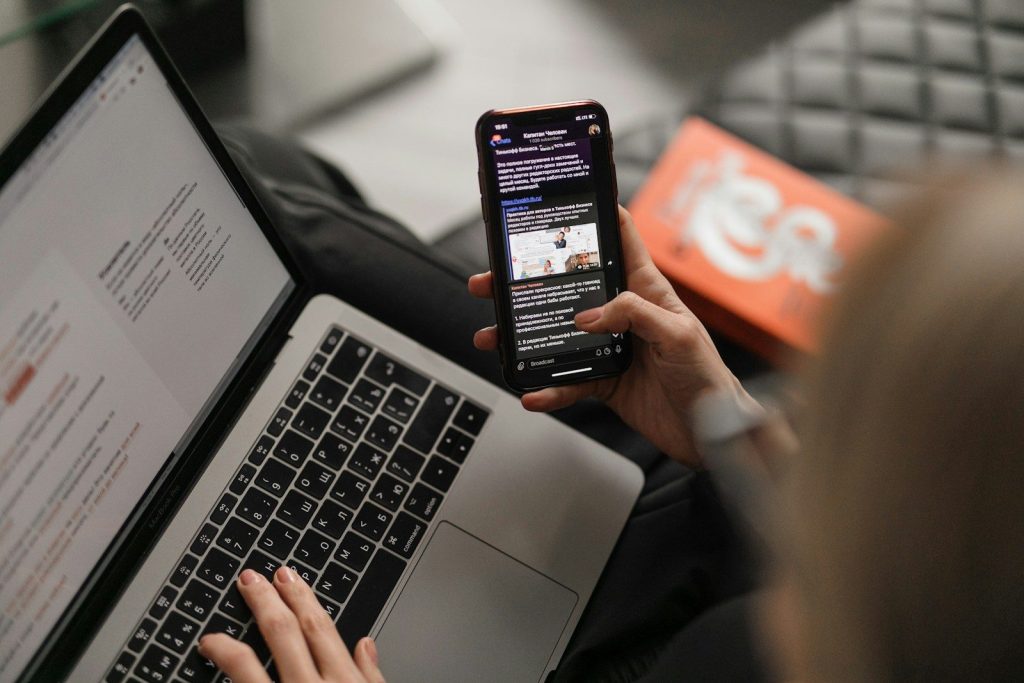
Electronics follow a predictable pricing curve: highest at launch, then a slow decline punctuated by sharper drops around Black Friday, Amazon Prime Day, and whenever the next generation releases. Frugal buyers rarely need the latest model.
A flagship phone from 18 months ago runs nearly identically to the current one at sometimes half the price. Refurbished electronics, particularly through Apple’s Certified Refurbished store or Amazon Renewed, carry warranties and arrive in near-new condition. Paying full price for electronics in 2026 mostly just means you didn’t wait two months.