

Electricity rates in the U.S. rose roughly 4% in 2025, and water and gas costs haven’t been kind either. For households already stretching a budget, that kind of creep adds up fast.
The good news is that most of the fixes aren’t expensive or complicated. A few of them are free. These nine tips cover the moves that actually make a dent in the bill.
1. Switch to a Time-of-Use Electricity Plan
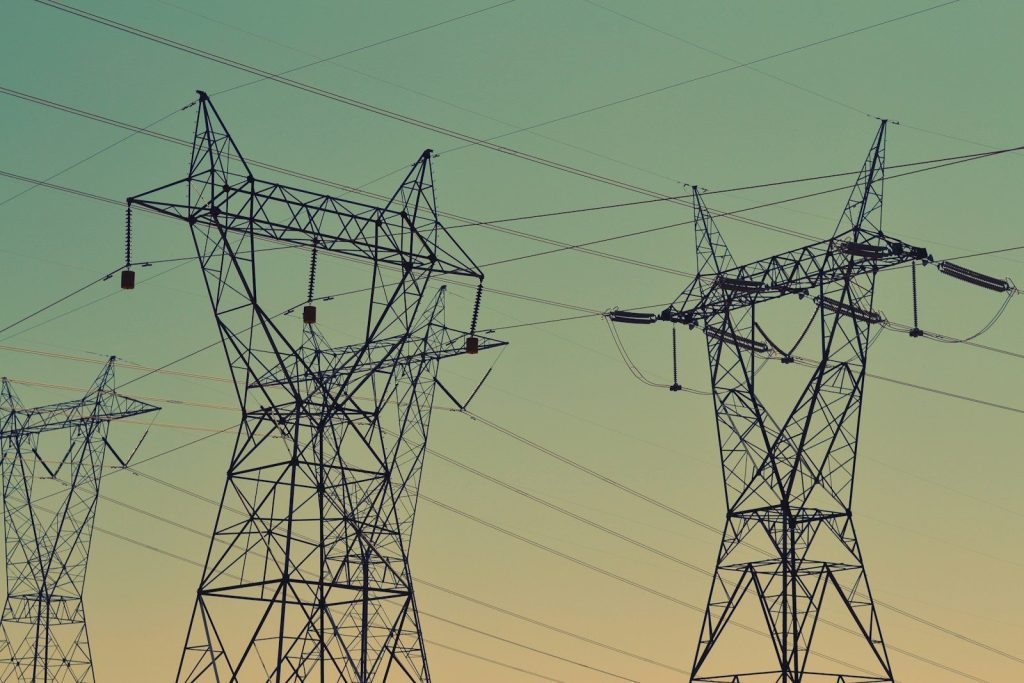
Most utilities now offer time-of-use (TOU) pricing, where the rate you pay depends on when you use power. Off-peak hours, typically late night and early morning, cost significantly less than peak afternoon hours.
Running the dishwasher at 10 p.m. instead of 6 p.m. might sound trivial, but households that actively shift usage can cut their electricity bill by 10 to 15 percent. Check your utility’s website for available rate plans, many of which went into broader effect following federal grid modernization pushes in 2024 and 2025.
2. Audit Your Water Heater Settings
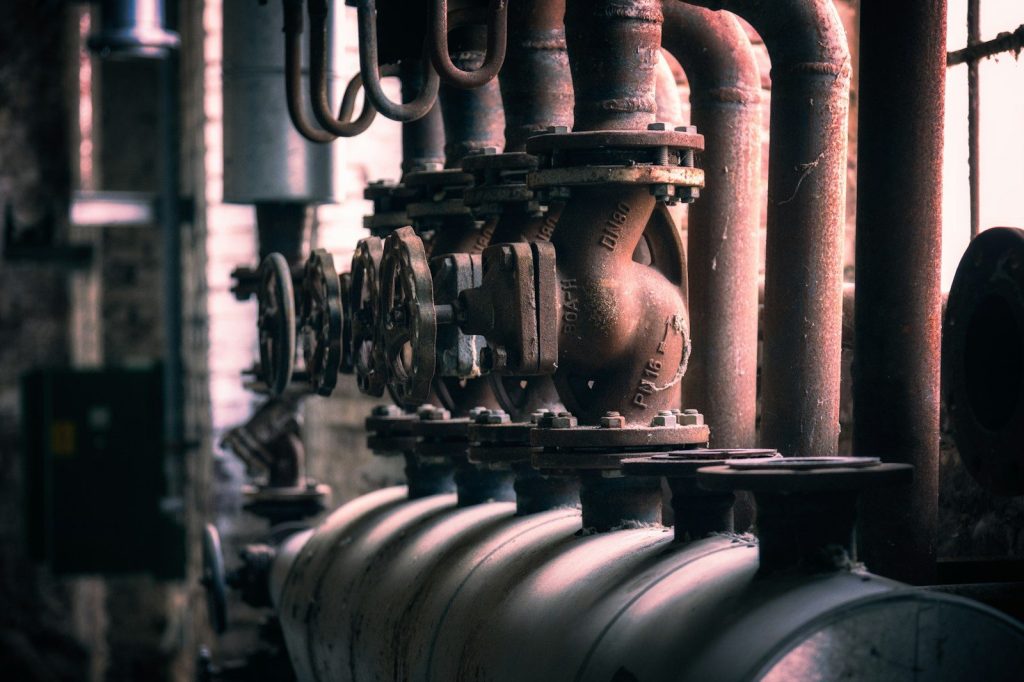
The factory default on most water heaters is 140°F. The U.S. Department of Energy recommends 120°F for most households, and dropping it those 20 degrees can reduce water heating costs by 4 to 22 percent. That’s a real number, and the adjustment takes about three minutes.
Tankless water heaters, brands like Rinnai and Rheem have solid options in the $800 to $1,200 range, go further by heating water only on demand rather than keeping a full tank hot around the clock.
3. Seal the Leaks You’re Ignoring
Air leaks around doors, windows, and electrical outlets are responsible for up to 30% of heating and cooling loss in a typical home, according to Energy Star. A tube of weatherstripping foam costs under $10 at any hardware store. Outlet gaskets for exterior walls are even cheaper.
These aren’t glamorous purchases, but they work. If a home has an older attic hatch with no insulation, that alone can function like leaving a window cracked all winter.
4. Replace or Clean HVAC Filters Consistently
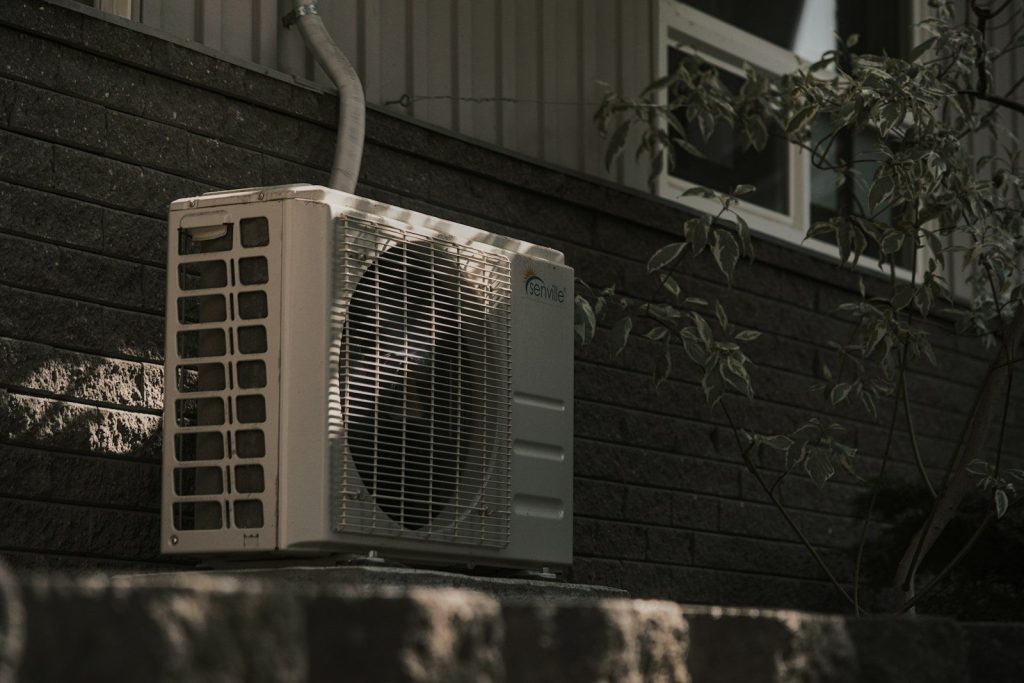
A clogged air filter makes an HVAC system work harder to push air through, which drives up energy use and shortens the equipment’s lifespan. Filters should be swapped every 60 to 90 days at minimum, more often in homes with pets.
For households with central systems, upgrading to a MERV-11 rated filter, available from brands like Filtrete, improves air quality without the airflow restriction that higher-rated filters can cause.
5. Install a Smart Thermostat
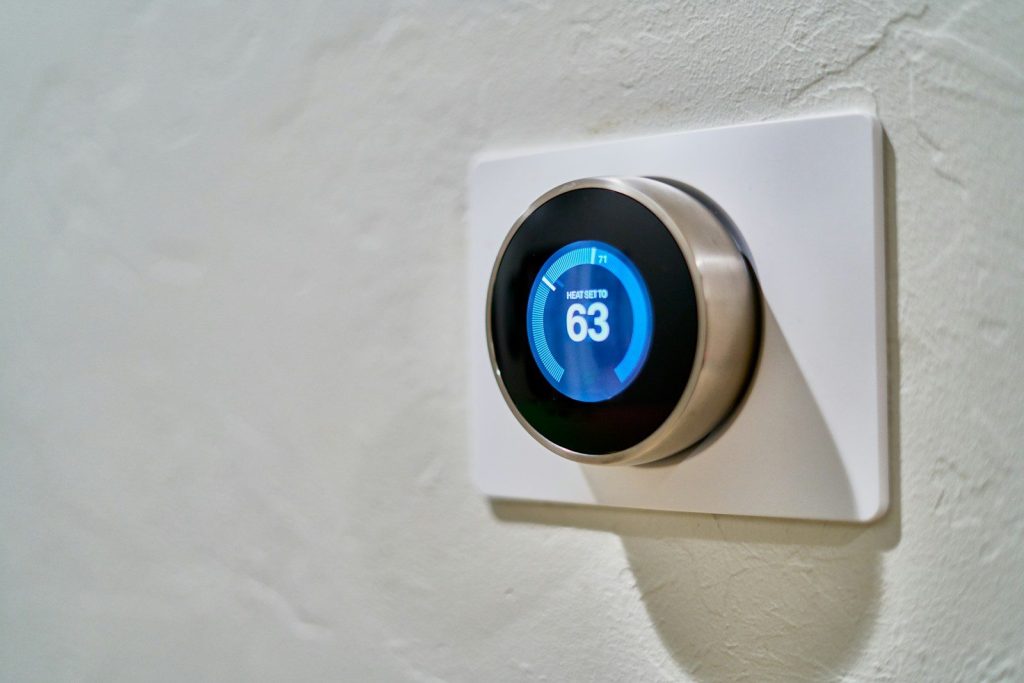
The Ecobee SmartThermostat Premium and Google Nest Thermostat both retail around $130 to $180 and can pay for themselves within a year through smarter scheduling and occupancy sensing.
The concept is straightforward: the thermostat learns when the house is empty and stops heating or cooling space nobody is using. Ecobee’s own data shows average savings of 26% on heating and cooling costs annually for users who fully utilize the scheduling features.
6. Fix Running Toilets and Dripping Faucets
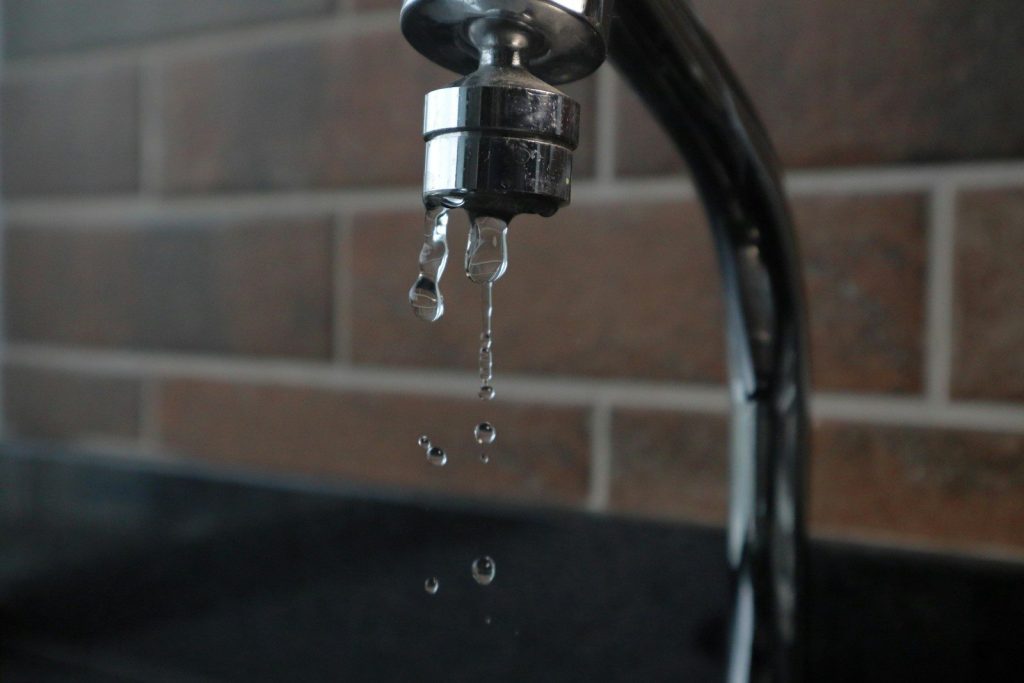
A toilet that runs constantly can waste 200 gallons of water per day. A dripping faucet, even a slow one, adds up to thousands of gallons per year. Both are usually cheap fixes.
A flapper valve replacement for a toilet costs about $5 and takes 15 minutes. These are the kinds of repairs that get put off indefinitely because they seem minor, but they show up every single month on the water bill until they’re dealt with.
7. Unplug Devices That Draw Standby Power
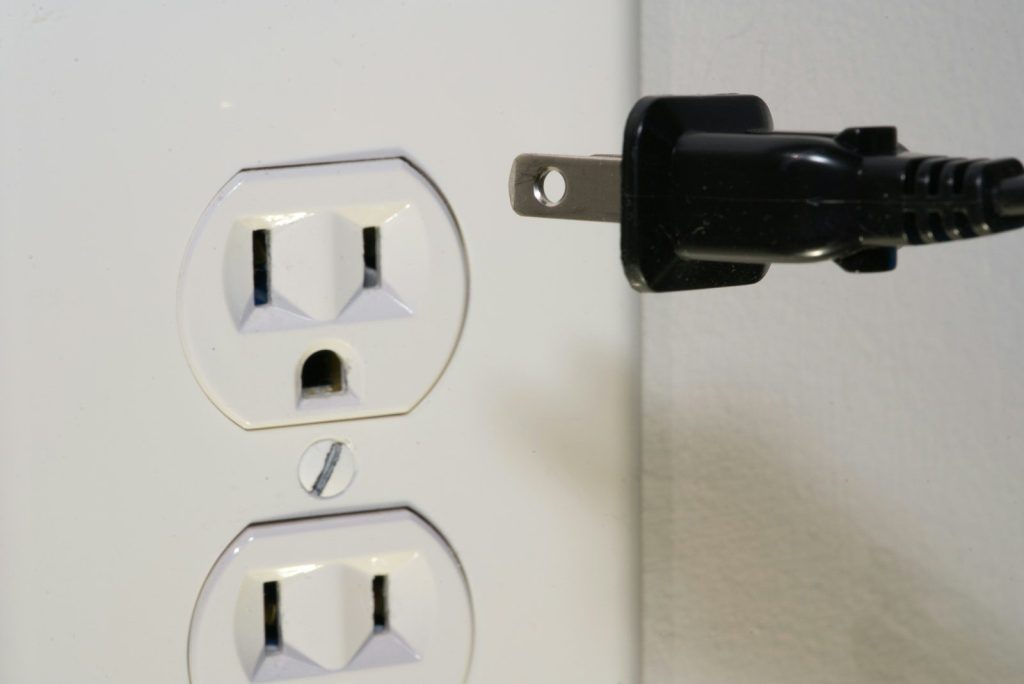
Televisions, gaming consoles, phone chargers, and cable boxes all pull power when they’re not in use. This phantom load accounts for roughly 10% of a home’s electricity use, according to the Lawrence Berkeley National Laboratory.
A smart power strip, like the TP-Link Kasa EP40A, cuts power to peripheral devices automatically when the primary device turns off. One strip on an entertainment center can handle most of it.
8. Consider Community Solar or Rate Assistance Programs
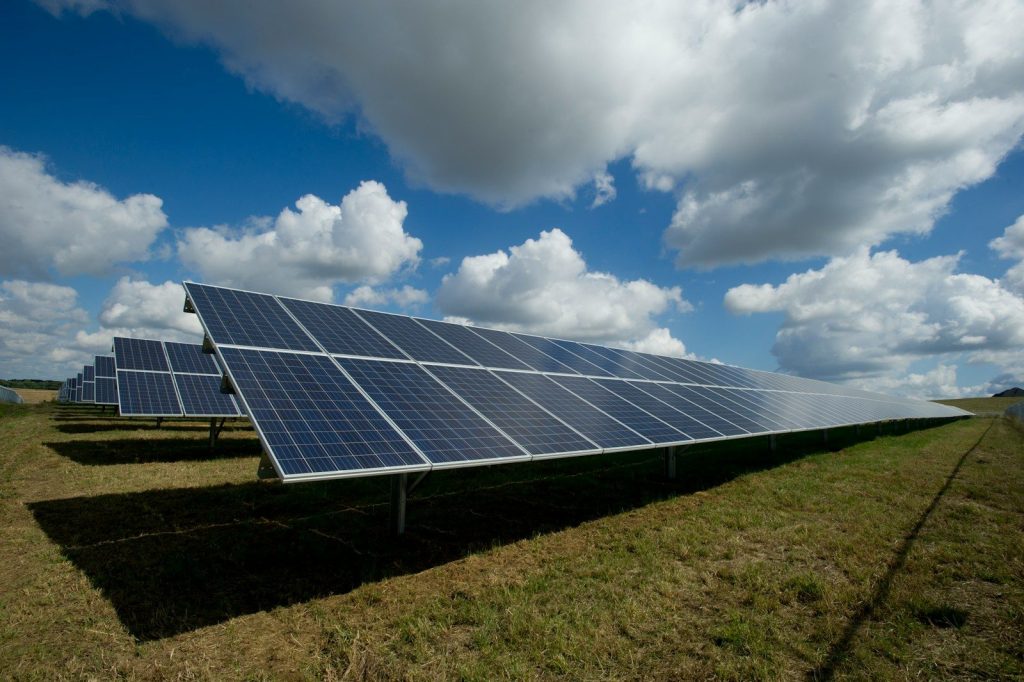
For renters or homeowners who can’t install rooftop solar, community solar subscriptions have expanded considerably. Programs like Arcadia or local utility-run options allow households to subscribe to a share of a nearby solar farm and receive credits on their bill, typically saving 5 to 15 percent on electricity costs.
Separately, the Low Income Home Energy Assistance Program (LIHEAP) remains available in 2026 for qualifying households and covers a portion of heating and cooling costs directly.
9. Stack the Savings
None of these tips requires a major renovation or a significant upfront investment. The real leverage comes from combining them.
Sealing air leaks, adjusting the water heater, shifting usage to off-peak hours, and fixing a running toilet at the same time produces compounding savings that show up clearly within one or two billing cycles. Utility costs are largely fixed in how they’re billed, but they’re more controllable than most people treat them.