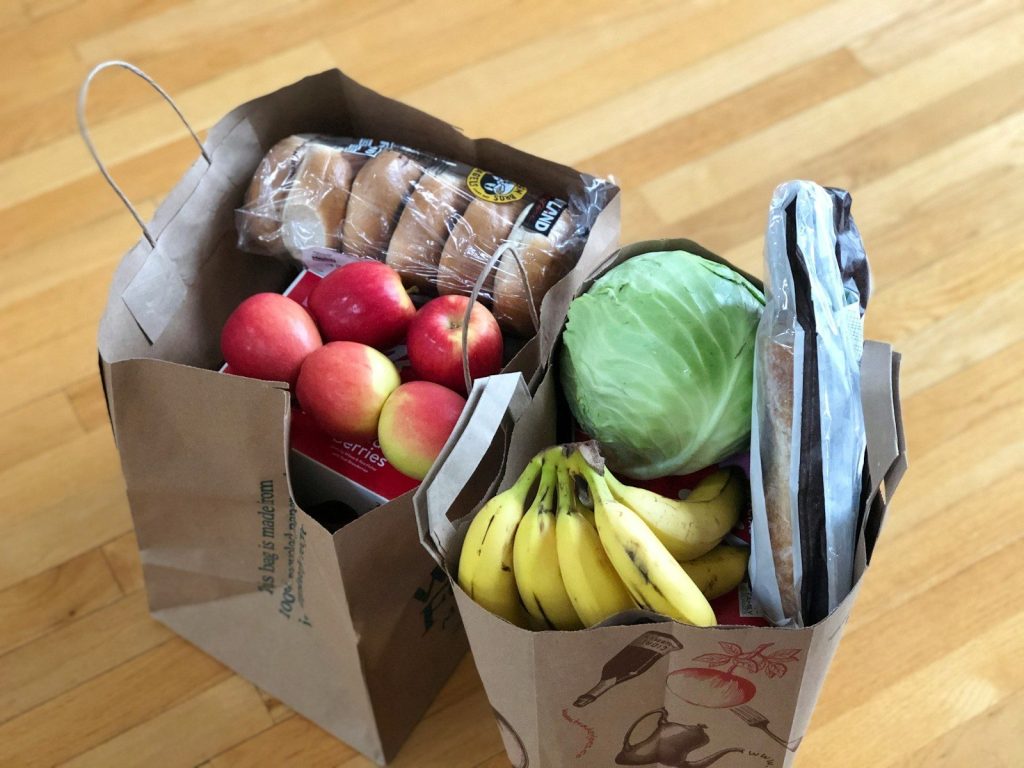

Groceries have gotten expensive. That’s not a new observation, but the numbers in 2026 make it hard to ignore. The average American household spends somewhere between $400 and $1,000 a month on food depending on family size, and a meaningful chunk of that gets wasted, duplicated, or spent on convenience that didn’t need to be convenient.
The good news is that trimming a food budget doesn’t require eating sad meals or giving up everything enjoyable. It mostly requires a few habits that compound over time.
1. Plan the Week Before You Shop
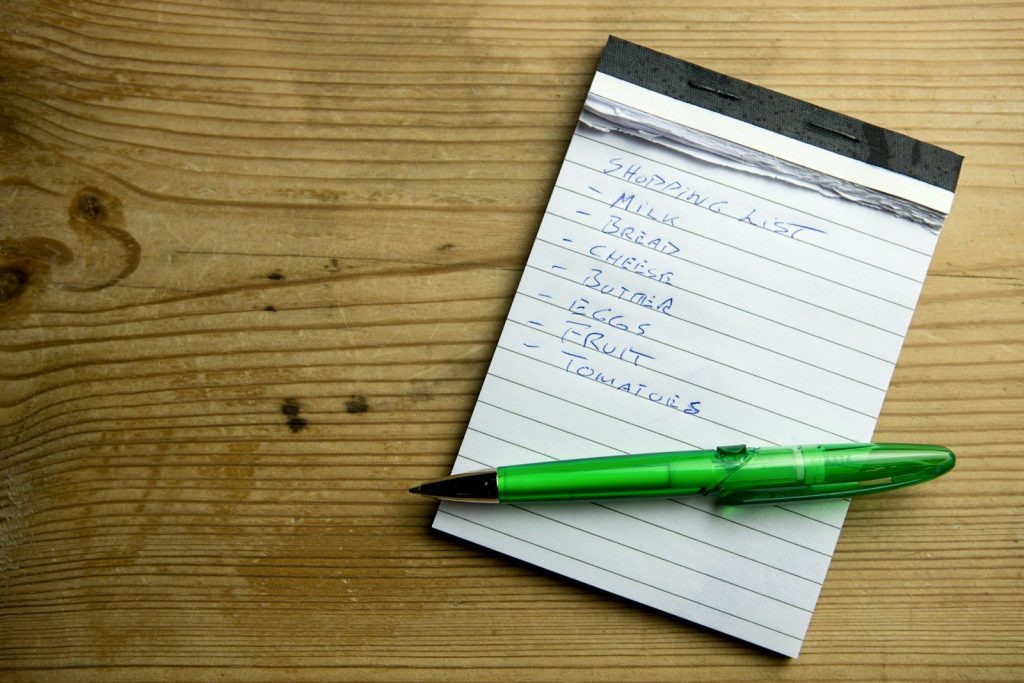
A grocery list built from an actual meal plan will almost always beat a list written from memory. Spend ten minutes on Sunday sketching out five or six dinners, then build the shopping list backward from those meals.
This keeps the cart focused and cuts down on the “I’ll figure something out” purchases that tend to be both expensive and underused. Apps like Mealime or even a basic notes app work fine for this.
2. Buy Proteins in Bulk and Portion Them Yourself
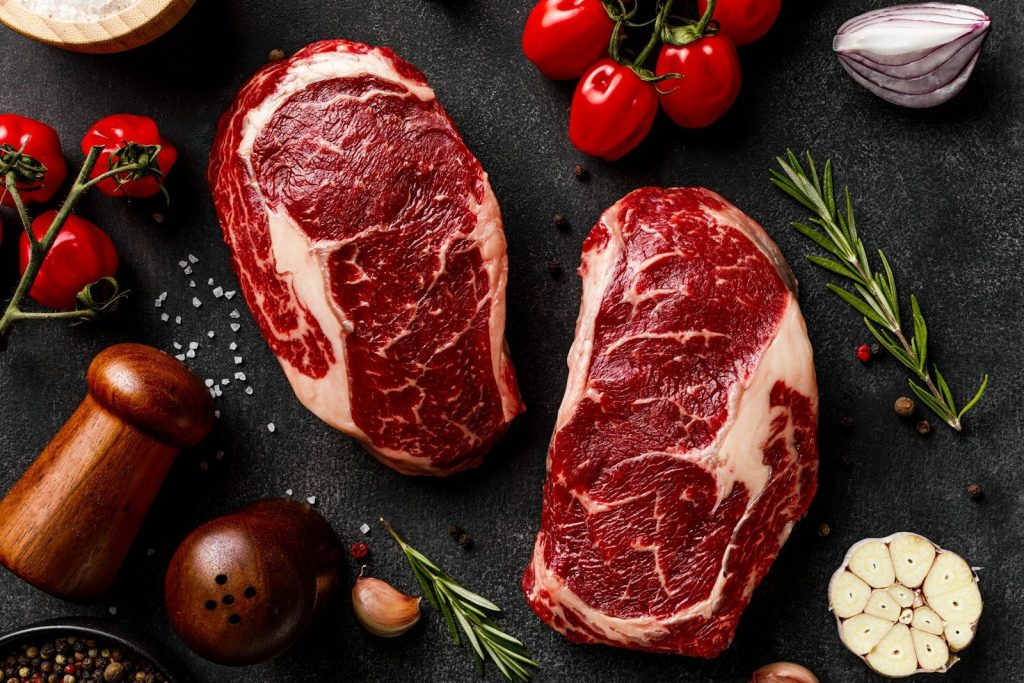
Boneless chicken thighs, ground beef, pork shoulder, buying these in family packs and breaking them down at home costs significantly less per pound than buying pre-portioned cuts.
A three-pound package of 80/20 ground beef from Costco or Sam’s Club, divided into quarter-pound portions and frozen flat in zip bags, can supply a week’s worth of meals for under $12. The butcher counter is convenient, but that convenience has a price attached.
3. Learn Which Store Wins on Which Category
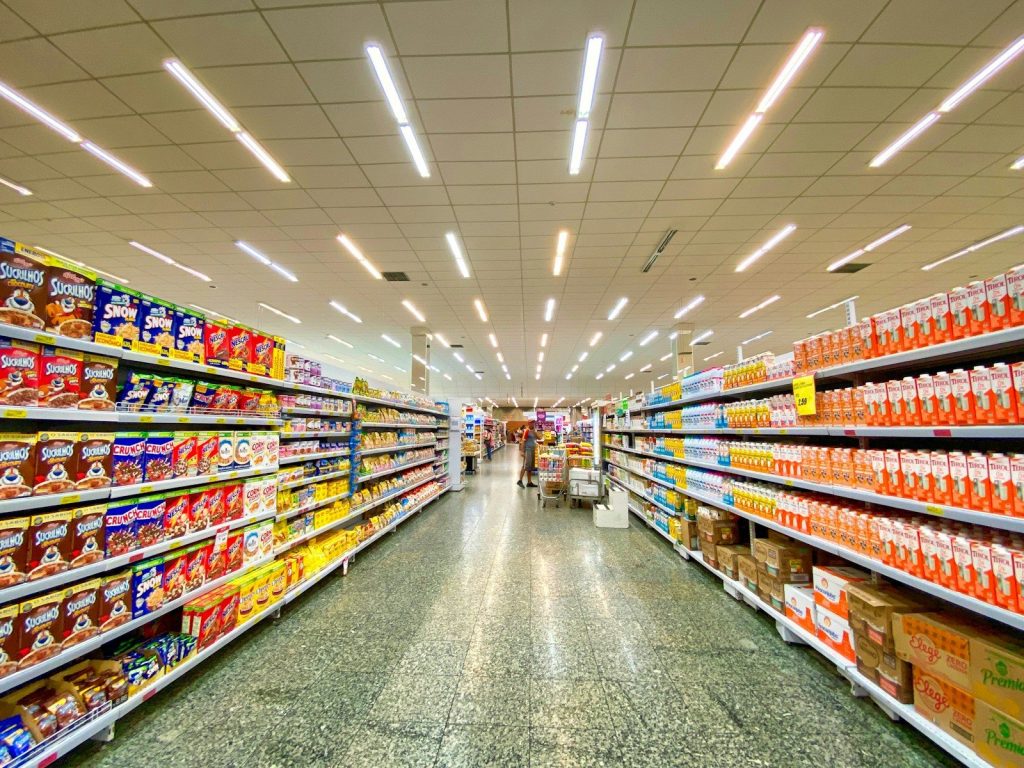
No single grocery store is cheapest across the board. Aldi and Lidl tend to win on pantry staples, dairy, and produce. Costco makes sense for households that actually consume large quantities of things like olive oil, eggs, or canned tomatoes before they expire.
A regional chain might beat both on weekly meat specials. Spending twenty minutes comparing a few receipts across two or three stores can reveal a pattern worth following.
4.Treat the Freezer as an Extension of the Pantry
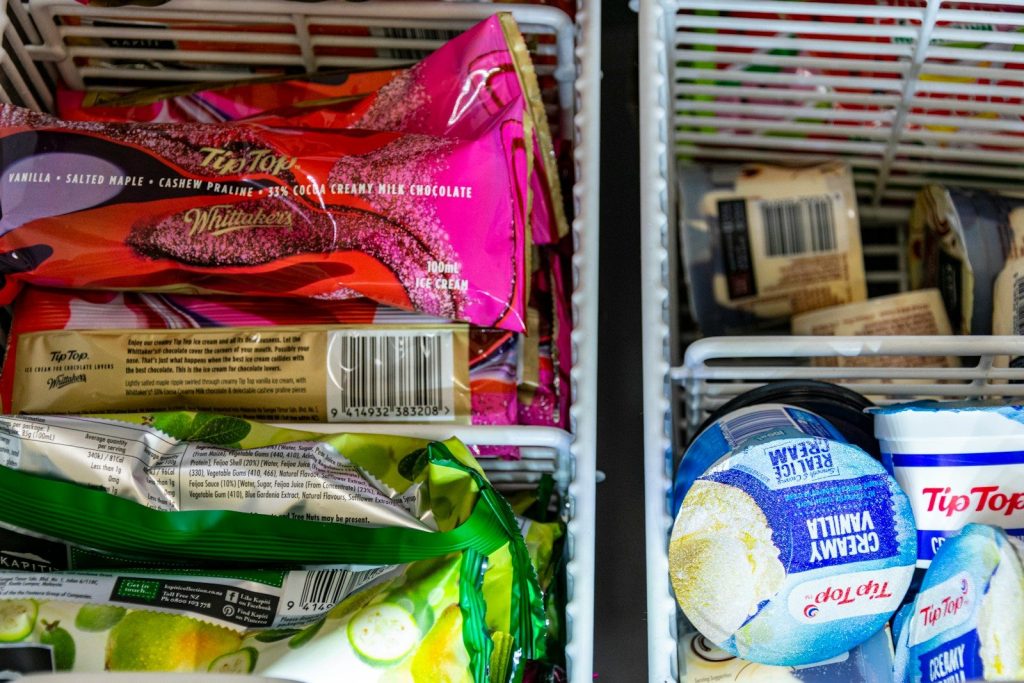
Bread going stale, bananas nobody ate, the second half of a can of chipotle peppers, most of this can be frozen instead of tossed. Overripe bananas frozen in their peels are perfect for smoothies or banana bread.
Leftover cooked rice freezes well and reheats in minutes. Getting comfortable with the freezer as a preservation tool rather than a storage unit for old ice cream changes what gets thrown away.
5. Cook Once, Eat Twice (At Minimum)
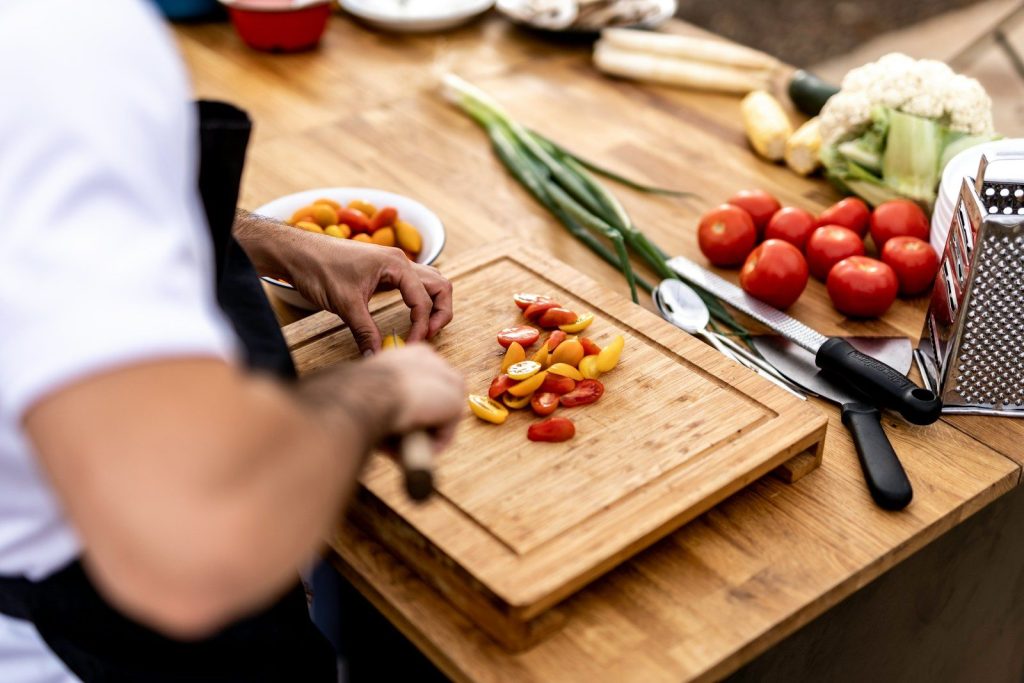
A pot of beans cooked on Monday can become tacos Tuesday, a burrito bowl Wednesday, and soup by Thursday. Roasting a whole chicken produces dinner plus enough picked meat for sandwiches or fried rice later in the week.
This approach doesn’t require elaborate meal prep or labeled containers. It just requires cooking a bit more than needed and having a loose plan for the leftovers.
6. Skip the Pre-Cut and Pre-Washed Produce
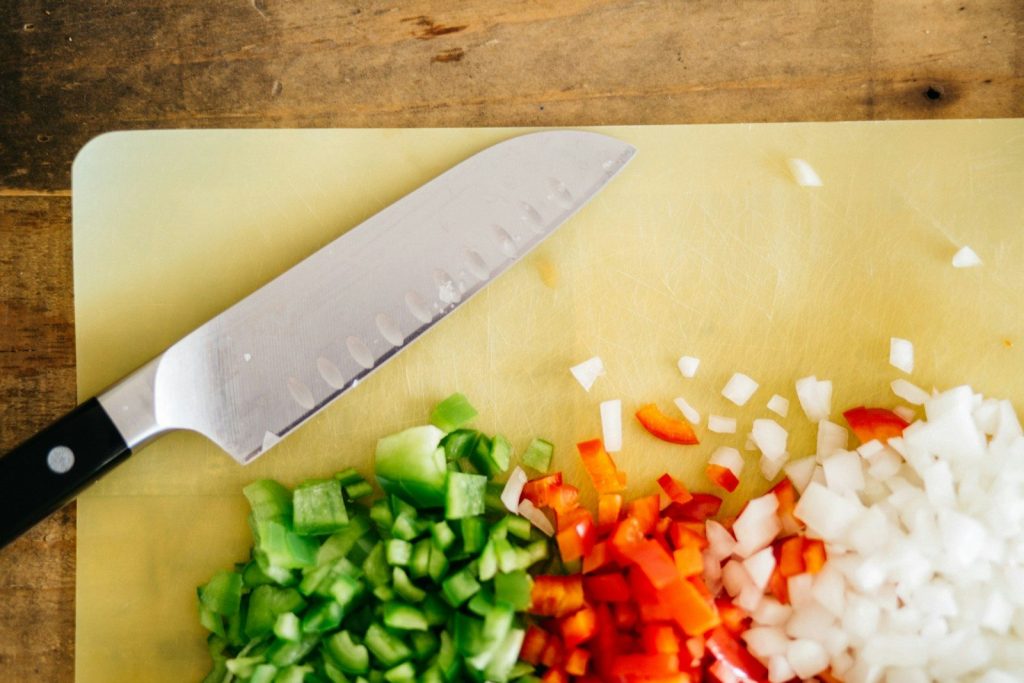
A bag of pre-washed baby spinach costs roughly twice what a full bunch of spinach costs. Pre-cut butternut squash runs about three times the price per pound compared to whole. The prep time difference is maybe five minutes.
Fresh herbs sold in bunches are cheaper than the tiny plastic clamshells and last longer when stored properly , trimmed stems in a glass of water in the fridge, loosely covered with a plastic bag.
7. Use Store Brands for Staples Without Hesitation
Canned tomatoes, pasta, flour, oats, frozen vegetables, olive oil, store brand versions of these are produced by many of the same manufacturers as name brands, just with different labels.
Consumer Reports has tested this category repeatedly and found quality differences to be minimal in pantry staples. The savings stack up fast when store brand items cost 20 to 40 percent less across a full cart.
8. Track What Actually Gets Eaten
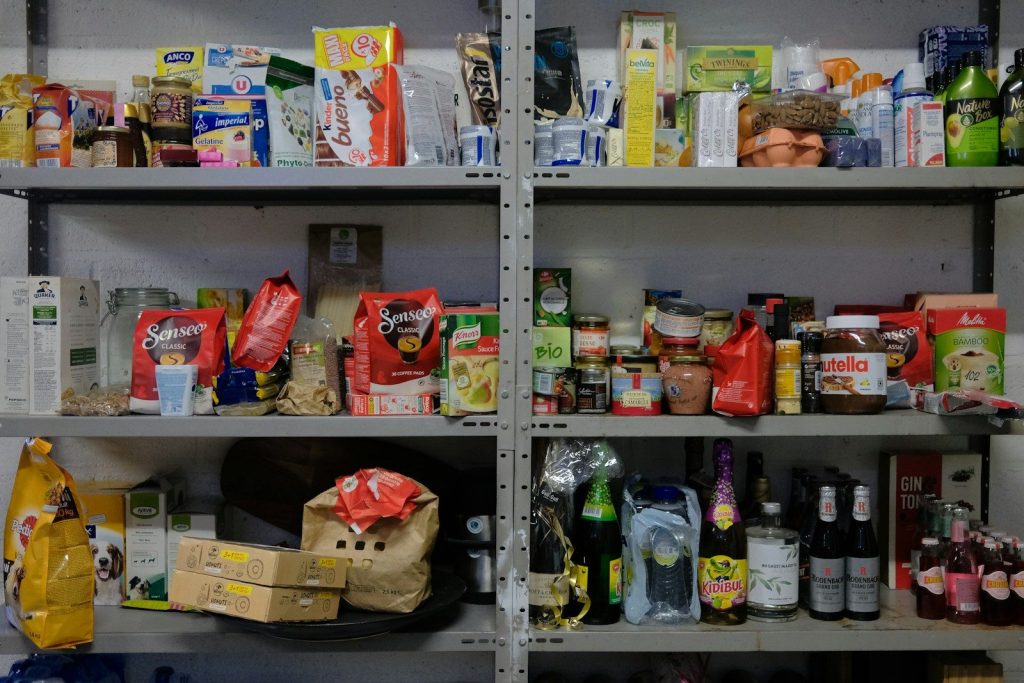
Food waste is a silent budget leak. The USDA estimates that American households throw away somewhere between 30 and 40 percent of the food they buy. Keeping a rough mental note, or a literal note on the fridge, of what got tossed each week helps identify patterns.
Maybe it’s always the fresh herbs. Maybe it’s the yogurt that never gets opened before the date. Buying less of the things that consistently go bad is a faster fix than trying to plan around them.
9. Stack Discounts When Possible
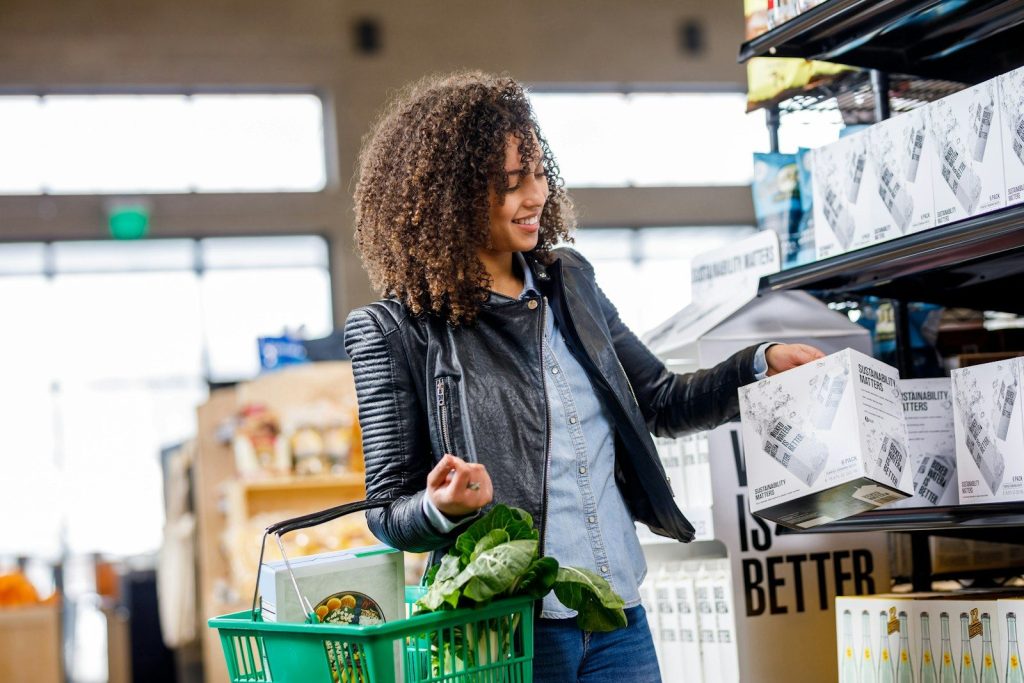
Grocery store apps from chains like Kroger, Safeway, and Publix now offer personalized digital coupons that load directly to a loyalty card. Pairing those with cashback apps like Ibotta, which still runs strong in 2026, can double up the savings on the same item.
This doesn’t need to become a coupon hobby. Even applying it selectively to items already on the list, like paper towels, breakfast cereal, or canned goods, adds up to real money over a month.