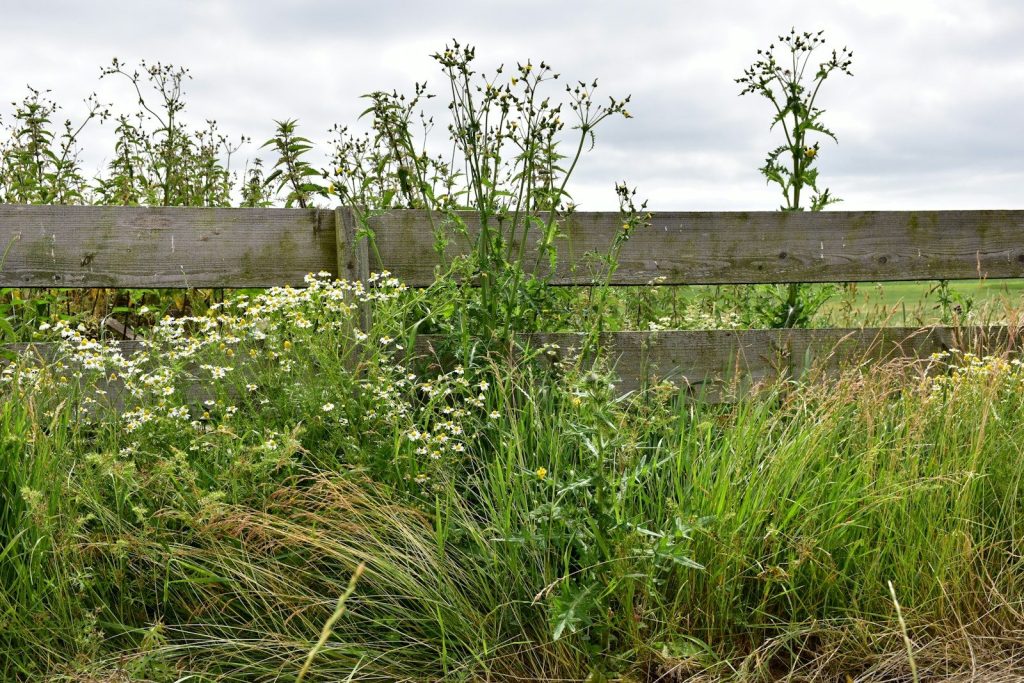

Weeds don’t ask permission. One dandelion going to seed can release over 150 seeds into the air, and a single crabgrass plant can produce up to 150,000 seeds in a season. By the time a lawn looks “a little rough,” the problem is usually months old.
The good news is that most weed problems are fixable without calling in professionals or spending a fortune. The bad news is there’s no single fix. What works depends on the weed type, the lawn condition, and the time of year. Here are eight approaches that actually hold up.
1. Pull Them By Hand (Yes, Really)
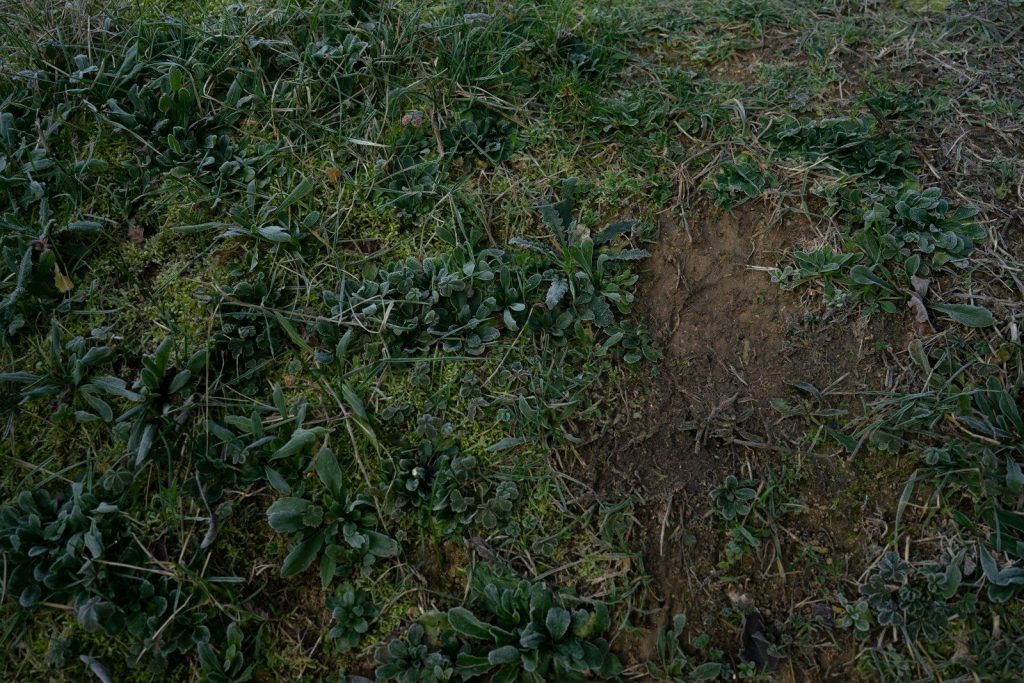
Hand-pulling gets dismissed as old-fashioned, but for small infestations it remains one of the most targeted methods available. The trick is timing. Pulling weeds when the soil is moist, such as after rain or watering, allows the root to come out cleanly rather than snapping off mid-pull.
Tap-rooted weeds like dandelions and thistles require a weeding tool that goes several inches deep. Leaving even a third of the root behind often means regrowth within two weeks. For shallow-rooted weeds like chickweed, hand-pulling after a rain works fast and leaves no chemical residue.
2. Pre-Emergent Herbicides
Pre-emergent herbicides work by preventing weed seeds from germinating, which makes timing everything. Apply too late and the seeds have already sprouted. Apply too early and the product breaks down before the germination window arrives.
For crabgrass, the standard rule of thumb is to apply when soil temperatures reach 50 to 55 degrees Fahrenheit at a two-inch depth, which in most northern U.S. regions falls between late March and mid-April. Products like prodiamine and pendimethalin are widely used and available in granular or liquid form. One important note: pre-emergents also prevent grass seed from germinating, so skip overseeding areas treated with these products.
3. Post-Emergent Herbicides

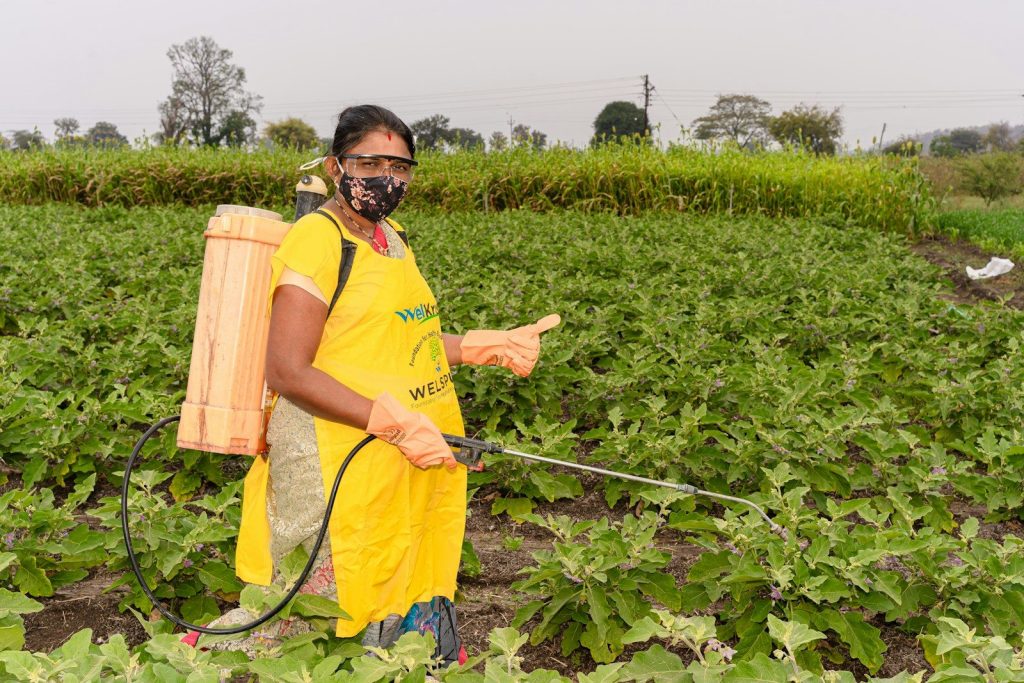
Post-emergents target weeds that are already growing. Selective post-emergents, such as those containing 2,4-D or triclopyr, kill broadleaf weeds like clover and plantain without harming most turf grasses. Non-selective herbicides like glyphosate kill everything they contact, so they’re better suited for spot-treating along edges or in hardscape areas.
Spraying on a calm, dry day matters more than most people realize. Wind drift can carry product onto flower beds or garden areas. Most post-emergents need six to eight hours without rain to absorb properly.
4. Overseeding to Crowd Weeds Out
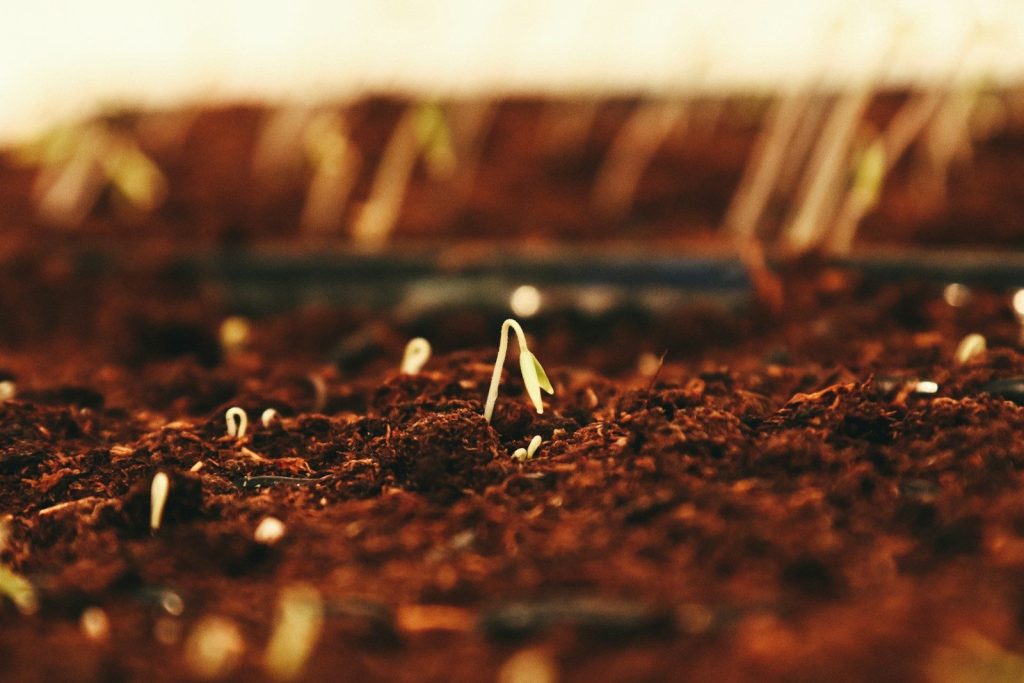
A thick, healthy lawn is one of the best long-term defenses against weeds. Weeds colonize bare and thin areas first. Overseeding with a dense turf variety in the fall closes those gaps before spring weed pressure arrives.
Tall fescue and Kentucky bluegrass blends, for example, establish quickly and crowd out opportunistic weeds through sheer density. The lawn essentially does the work. This approach won’t rescue a lawn already overwhelmed by weeds, but it prevents the conditions weeds need to take hold in the first place.
5. Adjust Mowing Height
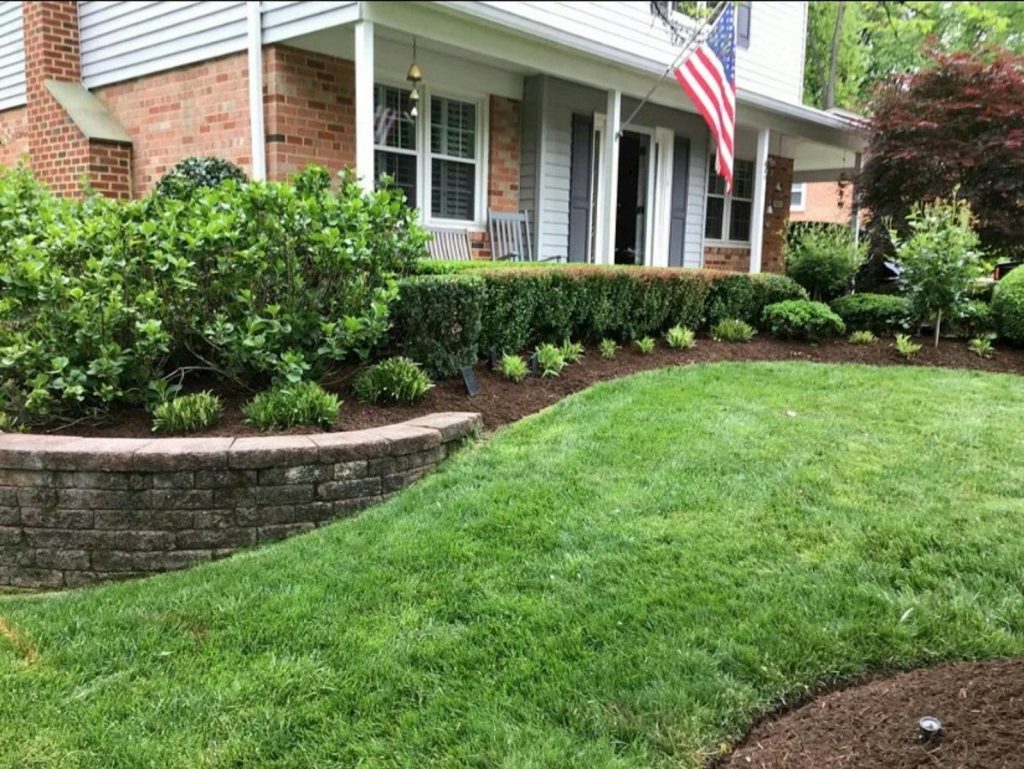
Most homeowners mow too short. Cutting grass below three inches stresses the turf, reduces root depth, and lets sunlight reach the soil surface where weed seeds are waiting. Raising the mowing height to three or three-and-a-half inches shades the soil, reduces germination, and helps grass compete more effectively.
Mowing frequency also matters. Removing more than one-third of the blade at once shocks the grass and weakens it. Consistent mowing at the right height is one of the lowest-effort changes with the most visible long-term results.
6. Improve Soil Health
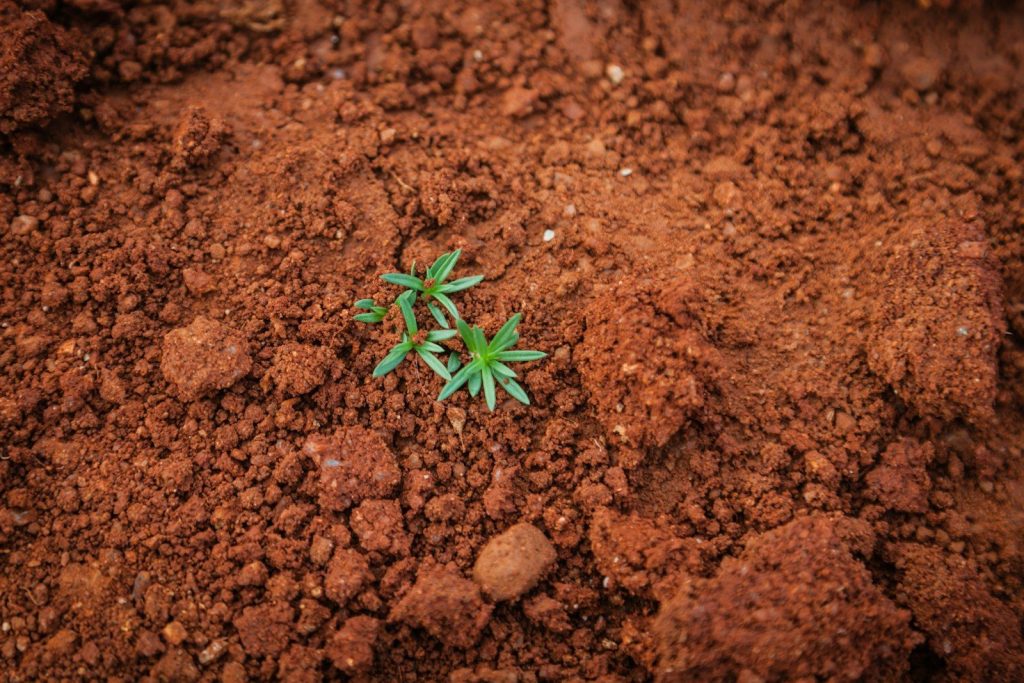
Compacted, nutrient-poor soil produces weak grass and thriving weeds. Many weeds, including plantain and knotweed, actually prefer compacted soil because their root systems handle it better than turf grass roots do.
Core aeration, done in fall for cool-season grasses and early summer for warm-season varieties, loosens the soil and improves water and nutrient penetration. Following up aeration with a soil test and targeted fertilization gives grass what it needs to fill in thinning areas before weeds do.
7. Use Mulch in Garden Borders
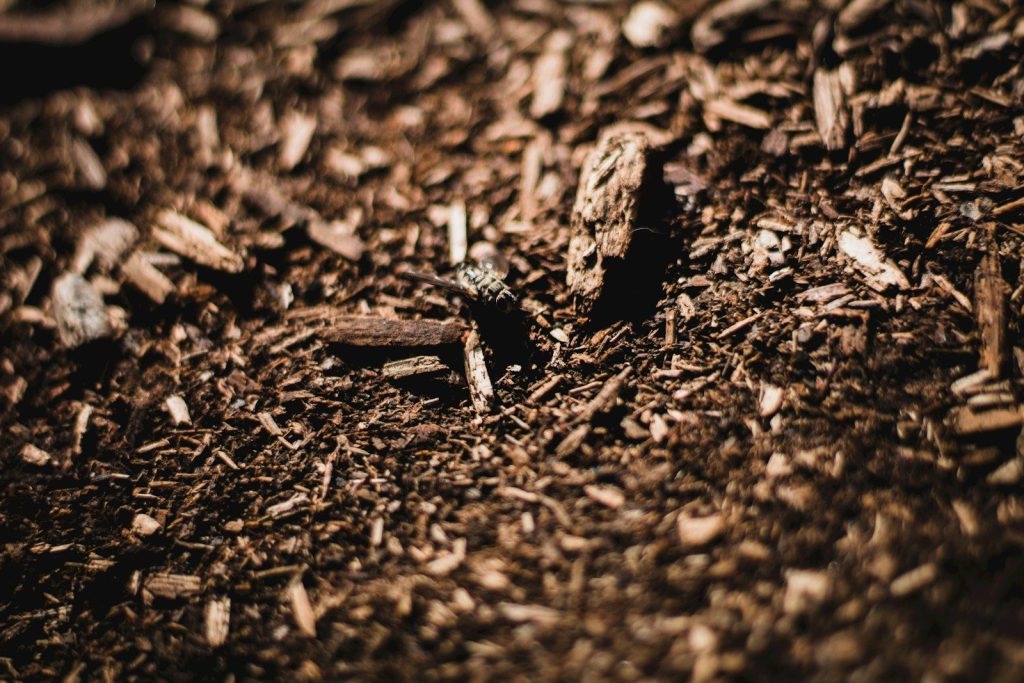
Lawn edges that meet garden beds are prime weed entry points. A three-inch layer of organic mulch, such as shredded hardwood or pine bark, blocks light and suppresses weed germination in those transition zones. It also retains moisture for nearby plants and reduces the need for edging as frequently.
Landscape fabric under mulch adds another layer of control, though it tends to degrade over three to five years and can actually trap weed seeds in the mulch layer above it over time. Mulch alone, applied consistently, handles most border weed pressure without the added complexity.
8. Try Organic Spot Treatments

For those avoiding synthetic herbicides, a few organic options work reasonably well on young weeds. Acetic acid (vinegar) at concentrations of 20 percent or higher, well above the 5 percent found in grocery store vinegar, effectively burns back small broadleaf weeds on contact. It doesn’t kill roots on established plants, but repeated applications weaken them over time.
Corn gluten meal, a byproduct of corn milling, functions as a mild pre-emergent and adds nitrogen to the soil. Research from Iowa State University established its effectiveness in the 1990s, and it remains a viable option for organic lawn programs. Results are slower than synthetic products, but it builds soil while suppressing weeds.
Stay Consistent Year-Round
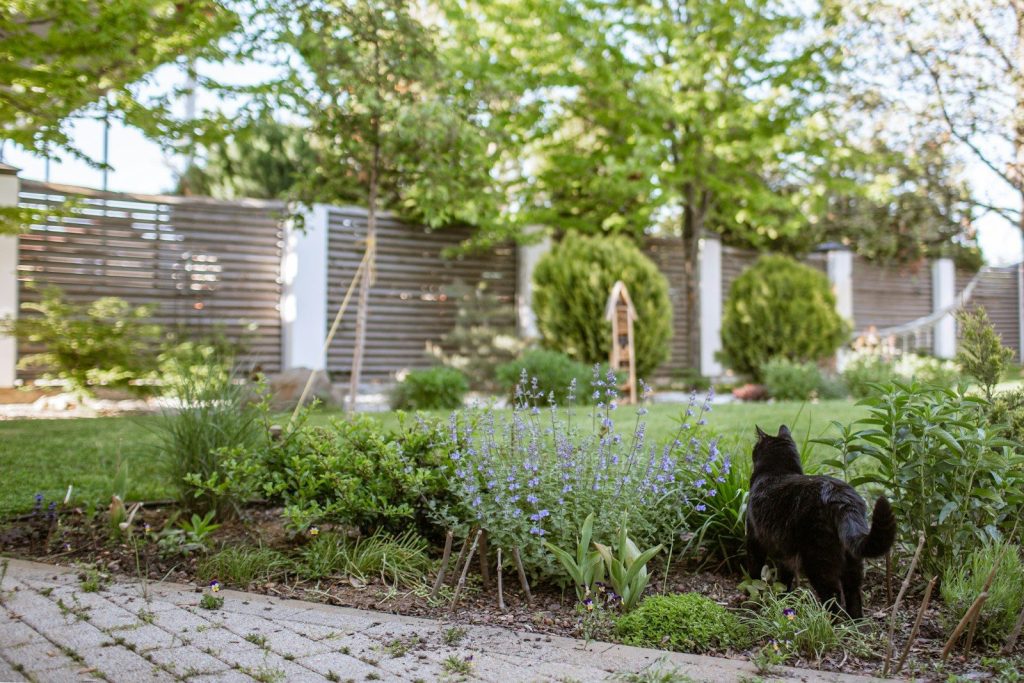
No single application, pull, or product fixes a weed problem permanently. Weed seeds can remain viable in soil for years, sometimes decades. Consistency across seasons is what separates lawns that stay clean from those that need rescuing every spring.
A simple yearly schedule covers most of it: pre-emergent in early spring, spot treatment through summer, overseeding and aeration in fall, and mowing discipline throughout. That rhythm, maintained without much interruption, keeps weed pressure manageable and reduces the need for heavy intervention as each year passes.