
Plumbing problems rarely announce themselves. One day the water drains fine, and the next you’re standing in an inch of backup trying to figure out what went wrong.
In most cases, the answer isn’t bad luck. It’s a habit you’ve had for years without thinking twice about it. Some of the most expensive plumbing repairs in 2026 trace back to everyday behaviors that people assume are harmless.
1. Treating the Garbage Disposal Like a Trash Can
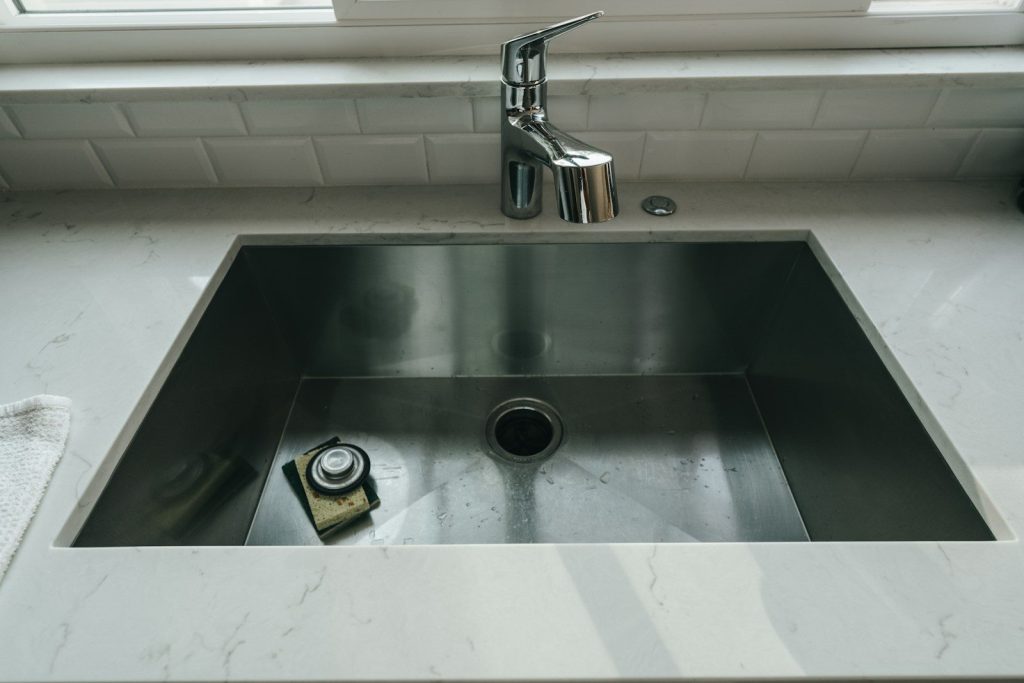
Garbage disposals are useful, but they have limits. Homeowners consistently overload them with cooking grease, coffee grounds, pasta, and rice. Grease coats the inside of pipes and solidifies over time, narrowing the passage until water can barely get through.
Pasta and rice expand when wet, even after cooking, and they collect in bends and joints. The repair bill for a grease-blocked drain line frequently runs between $200 and $500, and that’s before any pipe damage is factored in.
2. Flushing the Wrong Things
“Flushable” wipes are one of the most misleading product labels in the home goods aisle. Municipal sewer systems across the country have been dealing with massive clogs, sometimes called fatbergs, formed largely from these wipes bonding with grease and other debris.
In a home system, the problem is more contained but no less disruptive. Cotton rounds, paper towels, and hygiene products belong in the trash. The toilet handles human waste and toilet paper. Expanding that list comes with a cost.
3. Ignoring Small Leaks
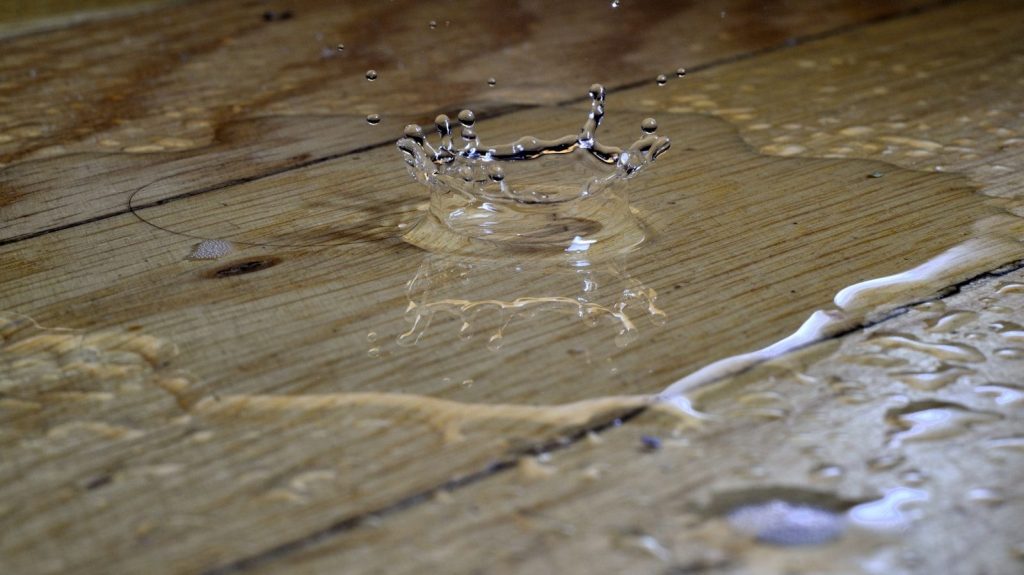
A slow drip under the sink feels easy to put off. Most people do. The problem is that a faucet leaking at one drip per second wastes more than 3,000 gallons of water per year, according to the EPA.
Beyond the water bill, moisture sitting under a cabinet warps wood, encourages mold growth, and can quietly damage the subfloor over months. What costs $15 in a replacement washer today can turn into a $1,200 mold remediation job if it goes unaddressed long enough.
4. Overtightening Connections
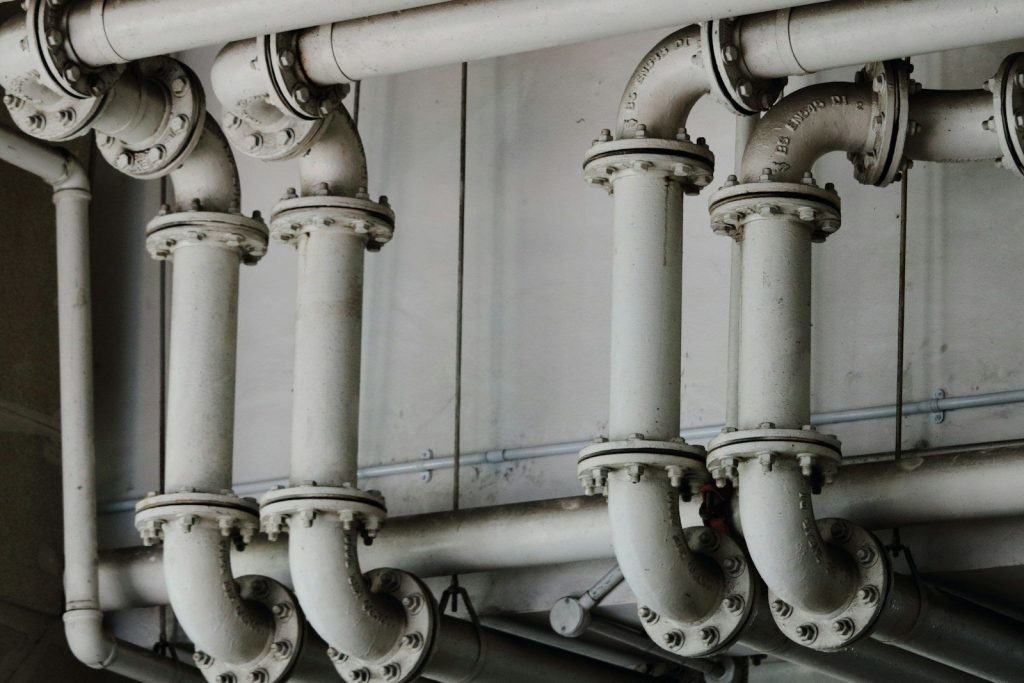
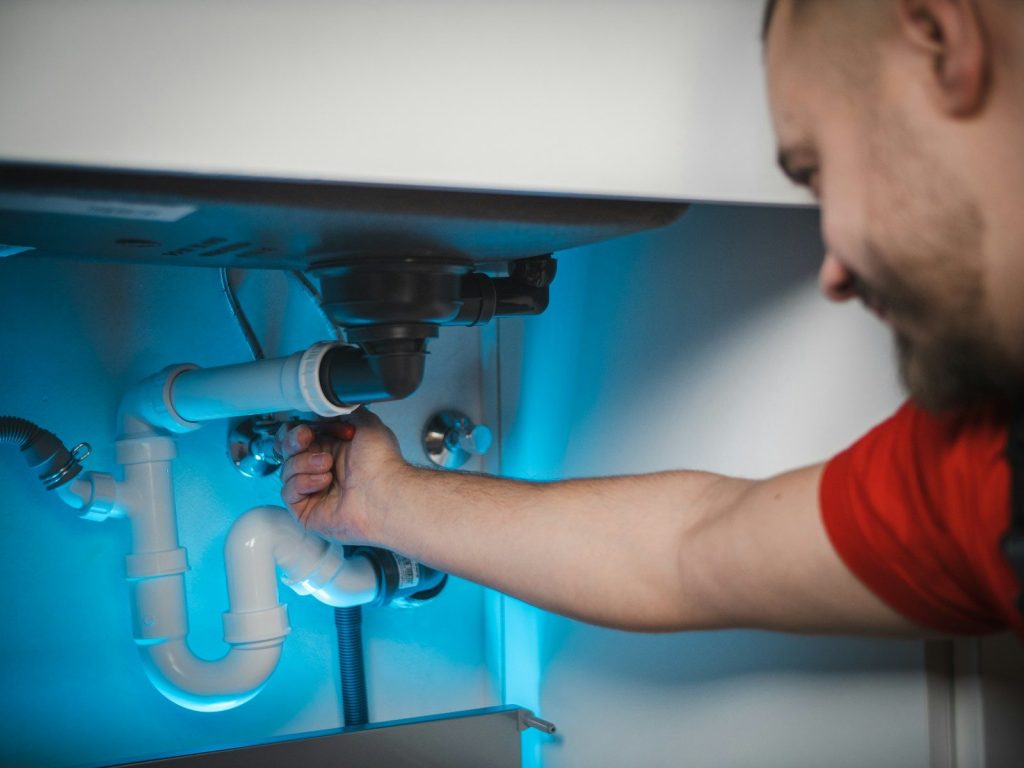
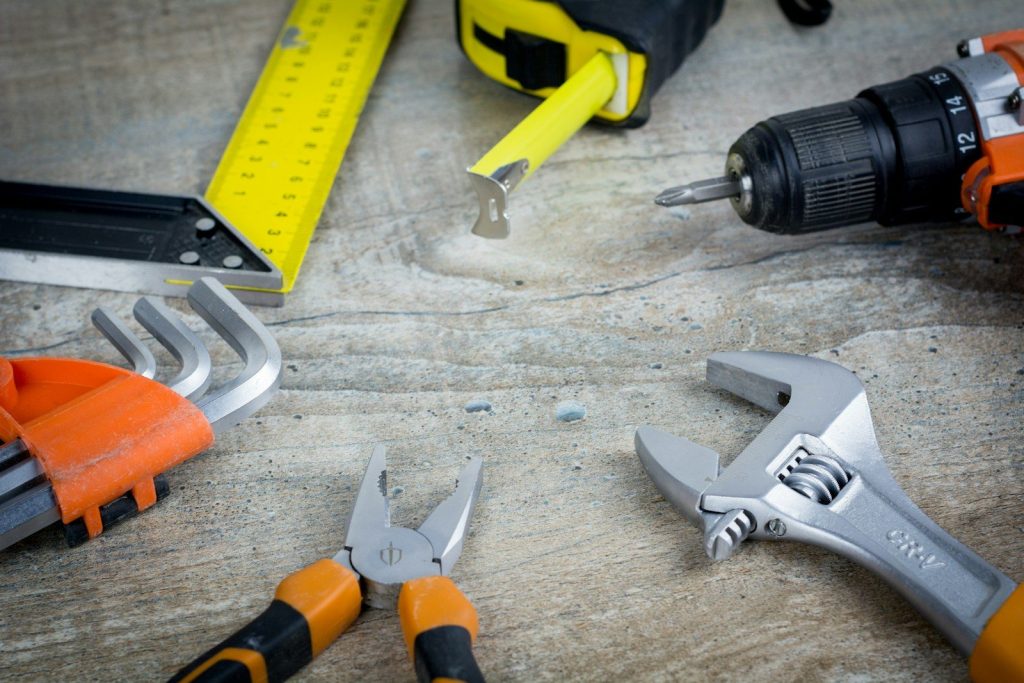
This one catches a lot of people who try to handle minor plumbing fixes themselves. Tightening a fitting until it feels completely secure makes sense in theory, but pipes and fittings, especially plastic ones, crack under too much torque.
A fitting that seems fine after installation can develop a hairline fracture that leaks slowly inside a wall for weeks. The rule in plumbing is snug plus a quarter turn, not as tight as possible. Over-tightening is one of the more common causes of callback repairs that plumbers see after DIY attempts.
5. Pouring Chemical Drain Cleaners Down Regularly
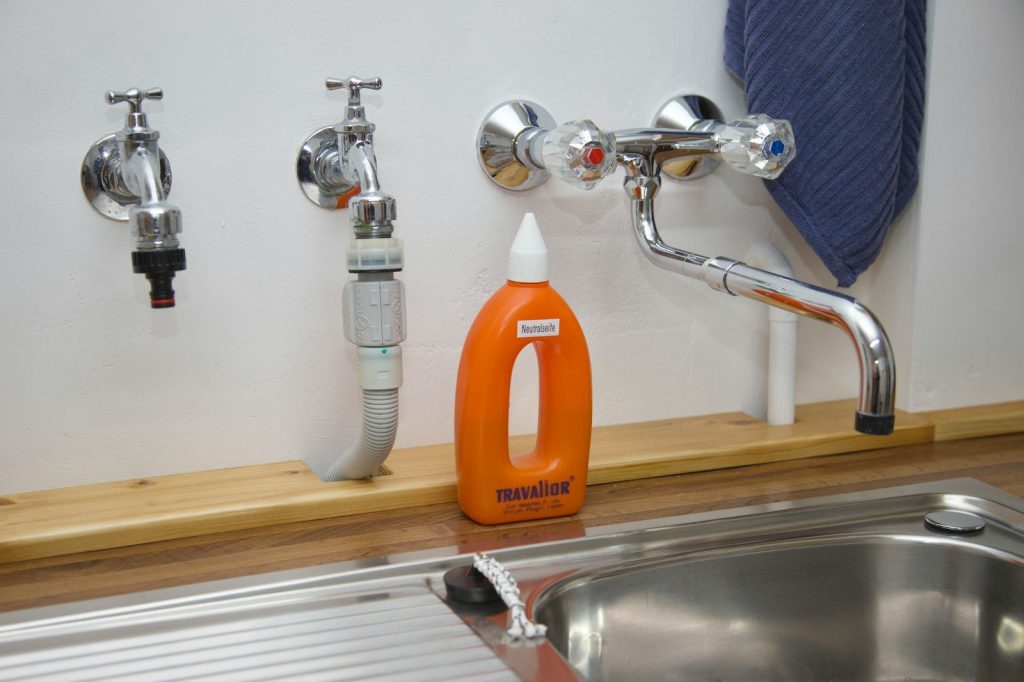
Liquid drain cleaners work by generating heat through a chemical reaction. That heat breaks down the clog, but it also stresses the pipe. Older pipes, particularly those made from PVC or chrome, degrade faster with repeated exposure to these chemicals.
Using a drain cleaner once in a while for a stubborn clog is different from using it every month as routine maintenance. A mechanical solution, like a drain snake or a simple drain strainer to prevent buildup, is far easier on the plumbing over the long run.
6. Leaving Hoses Connected in Cold Weather
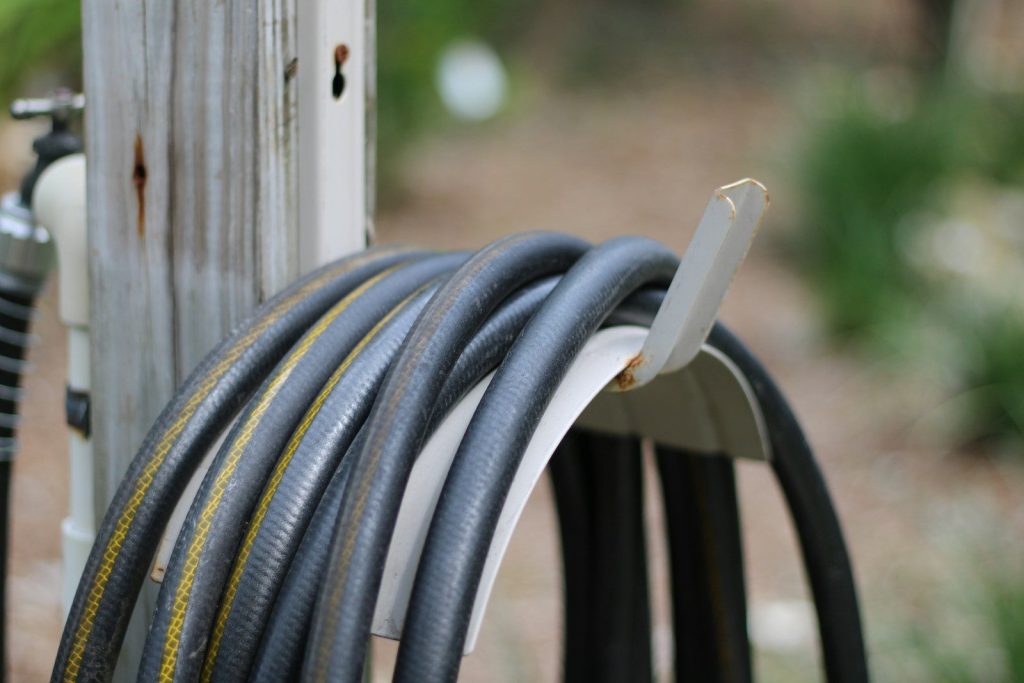
Frozen pipes are still one of the leading causes of water damage claims in colder states each winter. A garden hose left attached to an outdoor spigot traps water in the connection point. When temperatures drop, that water freezes, expands, and can crack the pipe inside the wall where the spigot connects to the supply line.
The outdoor portion might look fine while the real damage is happening somewhere behind the drywall. Disconnecting hoses before the first freeze is a two-minute task that prevents repairs that often start at $500 and climb fast.
The Pattern Behind All of It
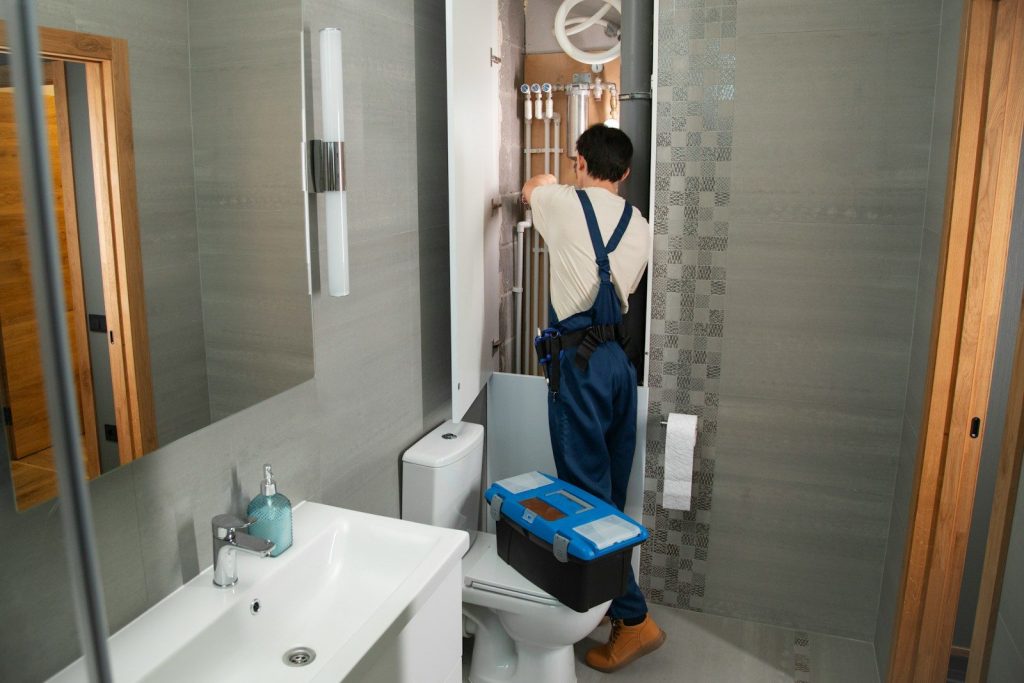
Most of these habits share the same logic: a small convenience now, a deferred problem later. The grease gets poured down the drain because the alternative feels like more effort. The hose stays connected because the forecast only said a light frost.
These decisions compound. Plumbers in 2026 consistently report that the most expensive jobs they handle were entirely preventable, not because the homeowner was careless, but because nobody ever pointed out the risk.
What Routine Maintenance Actually Looks Like
Checking supply line hoses on washing machines and dishwashers every year is worth doing. These braided lines have a typical lifespan of five to seven years, and they fail without warning when they go.
A burst supply line can dump dozens of gallons per minute into a room. Similarly, knowing where the main water shutoff is located, and making sure it actually works, is basic preparation that most households skip entirely.
It Works Until It Doesn’t
Plumbing is one of those systems that works invisibly until it stops working.
The habits covered here don’t require a full lifestyle change, just a small shift in how certain things get disposed of, maintained, or winterized. The difference between a $20 fix and a $2,000 emergency is usually just timing.